Slavery and Abolition: Bondage, Resistance, and the Road to Freedom
Slavery is the central contradiction of American history: a nation founded on the proposition that all men are created equal held millions of people in bondage for more than two centuries. This guide traces that institution from the Atlantic crossing that began it, through the resistance and abolition movements that fought it, to the war and the amendments that finally ended it.
It follows the story in stages: the system itself, the abolitionists who indicted it, the enslaved people who resisted and escaped, the political crisis that broke the country apart, and the emancipation that followed. Each entry links to a full account.
Start here for the institution in full - its scale, its workings, and the long struggle to end it. The sections that follow break that story into its parts.
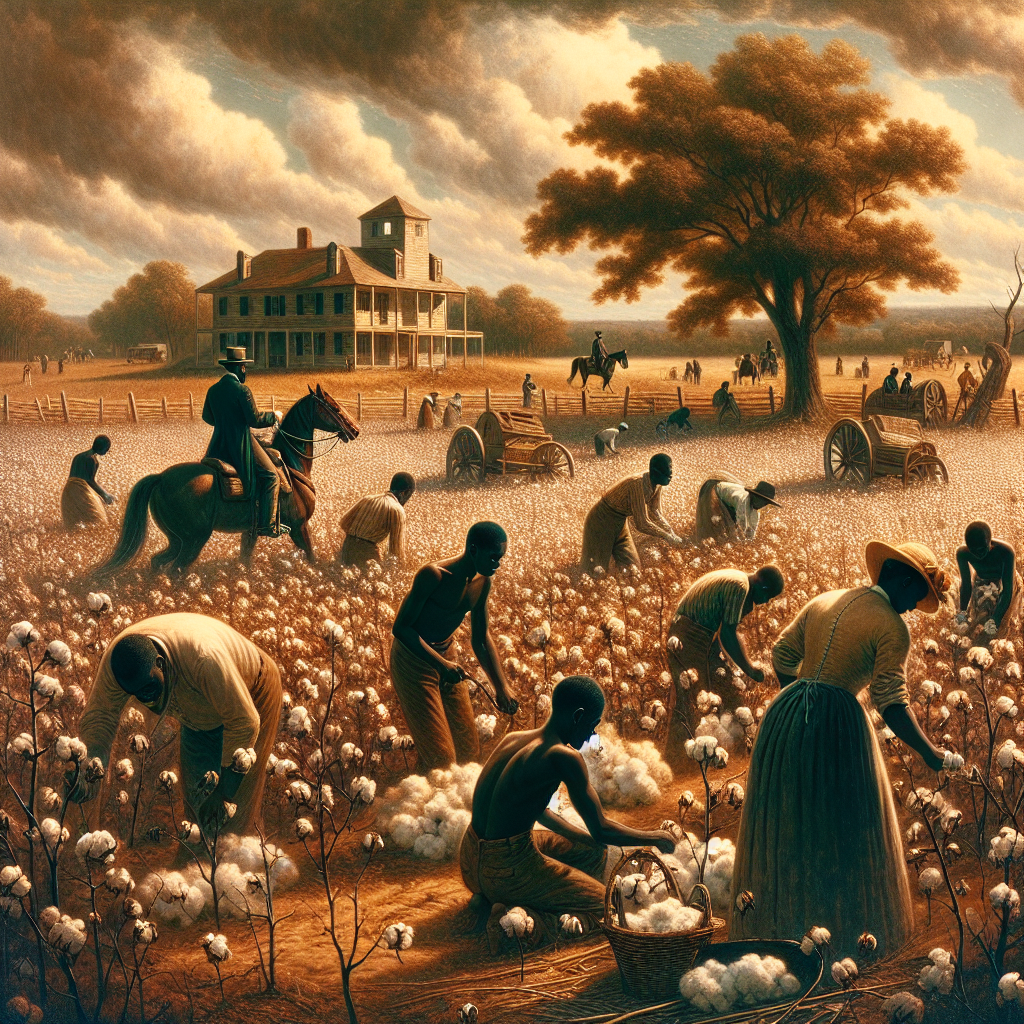
Slavery was a system of forced labor enforced by law and violence - and resisted from the beginning. These entries cover how the institution worked and the ways the enslaved fought back against it.

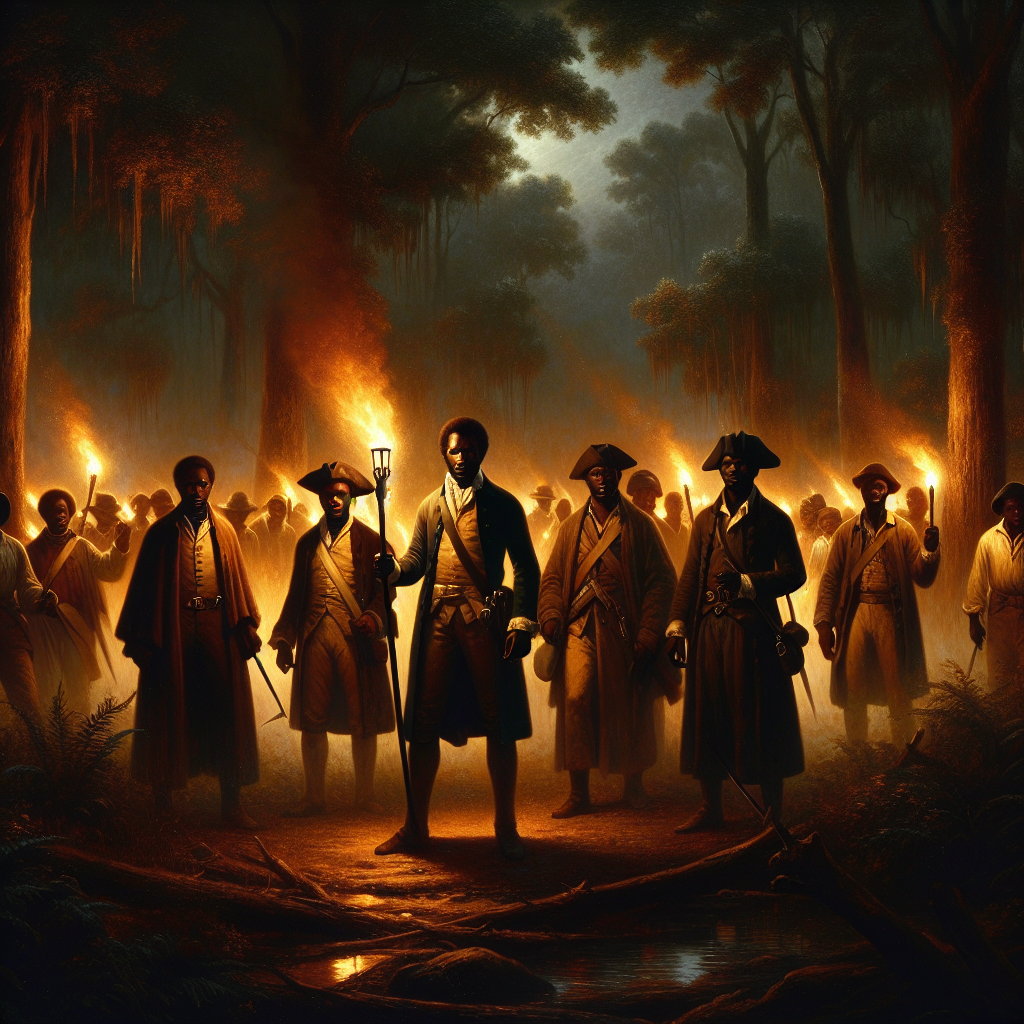
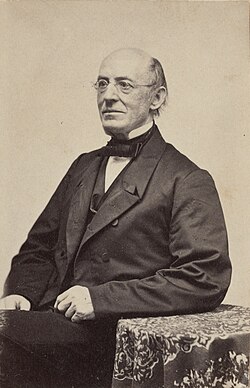
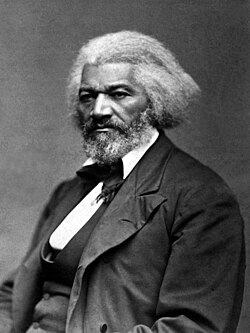
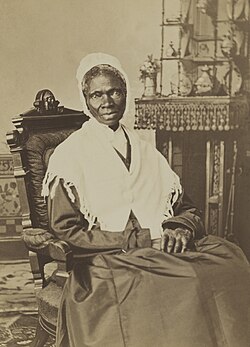
A growing movement insisted that slavery was a sin the nation could not abide. These were the abolitionists - the writers, orators, and organizers, many of them formerly enslaved, who made ending slavery a political demand that could not be ignored.
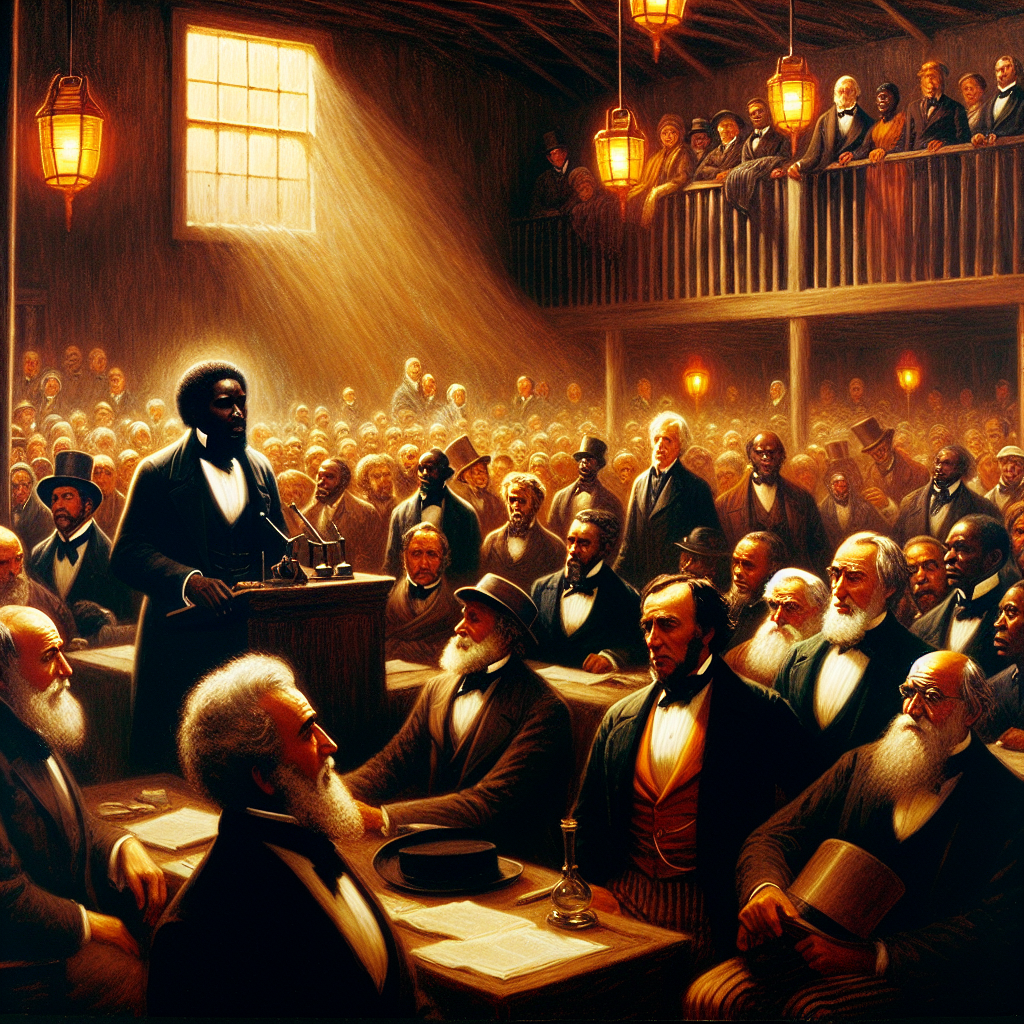

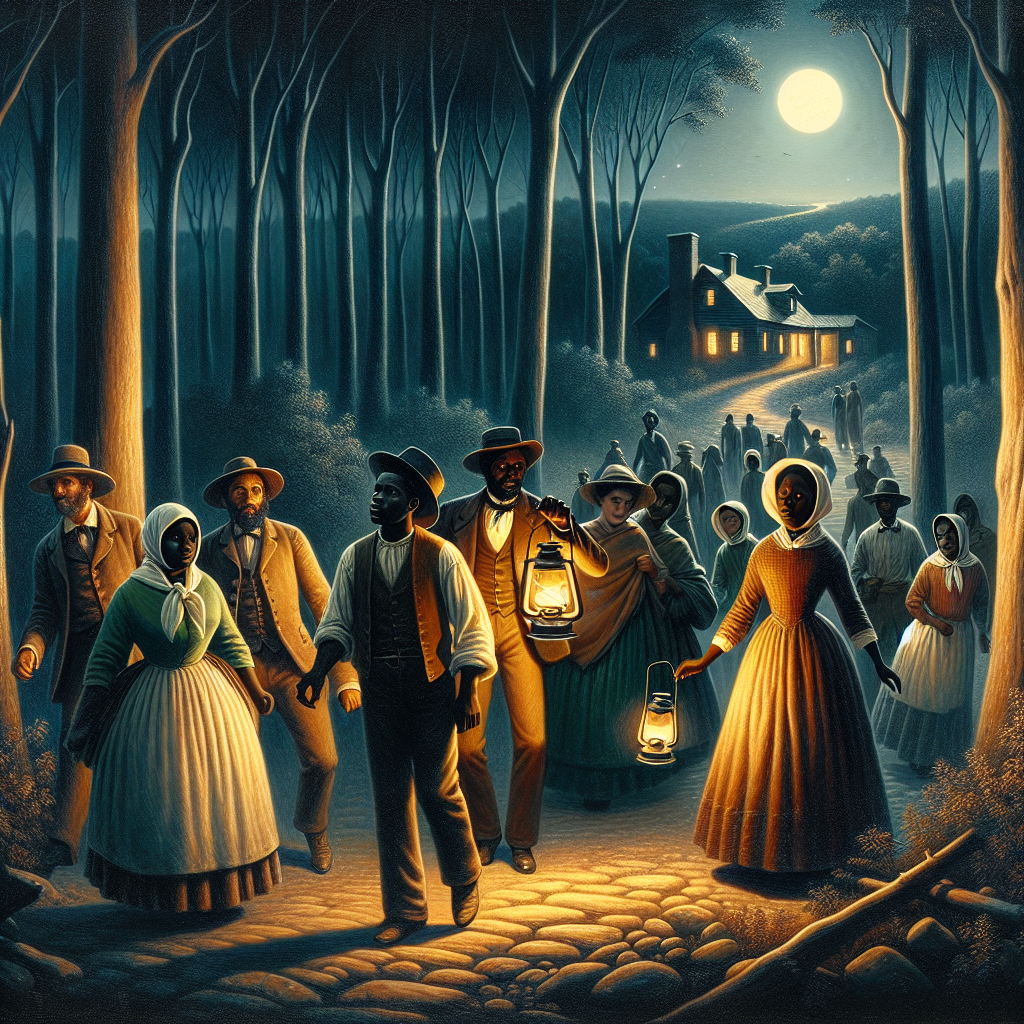
Resistance took its boldest forms in flight and revolt. These entries cover the escape networks that spirited people to freedom and the uprisings - attempted and actual - that struck at slavery directly.
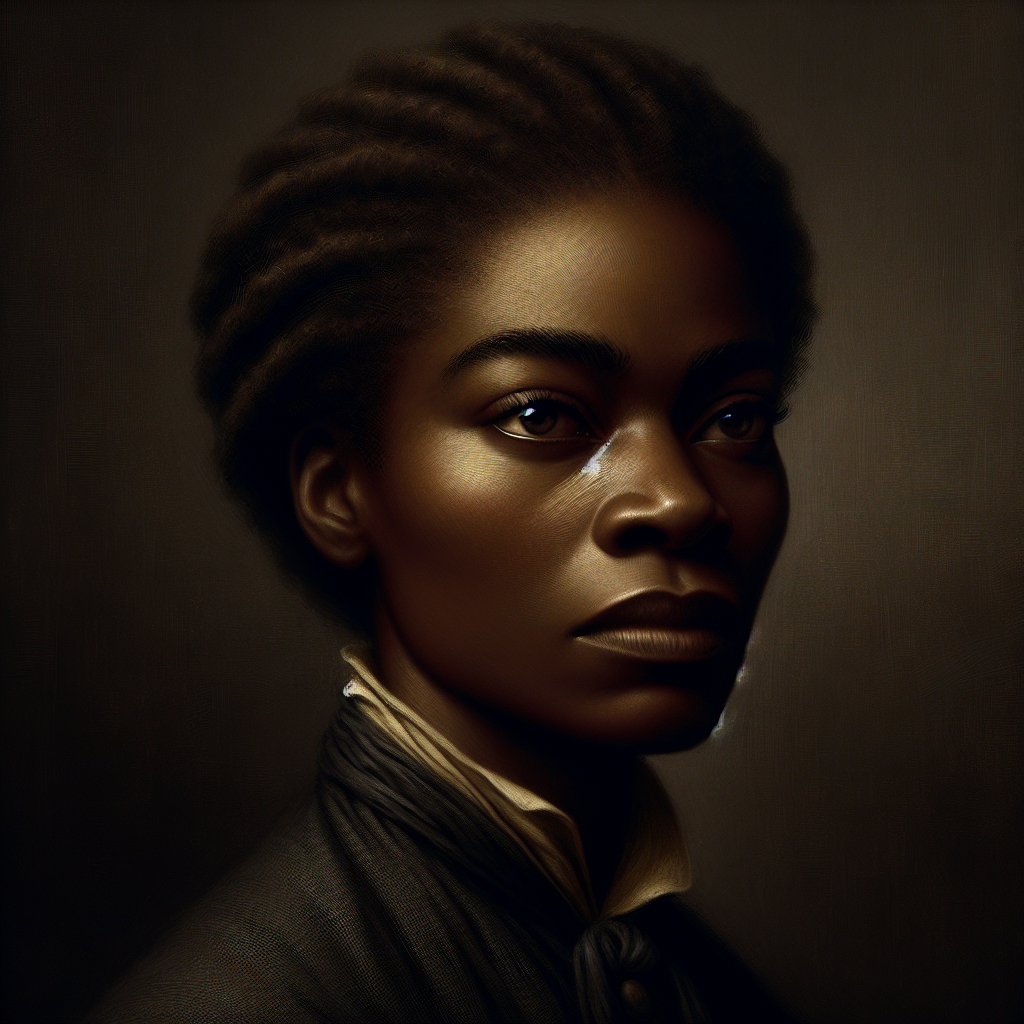

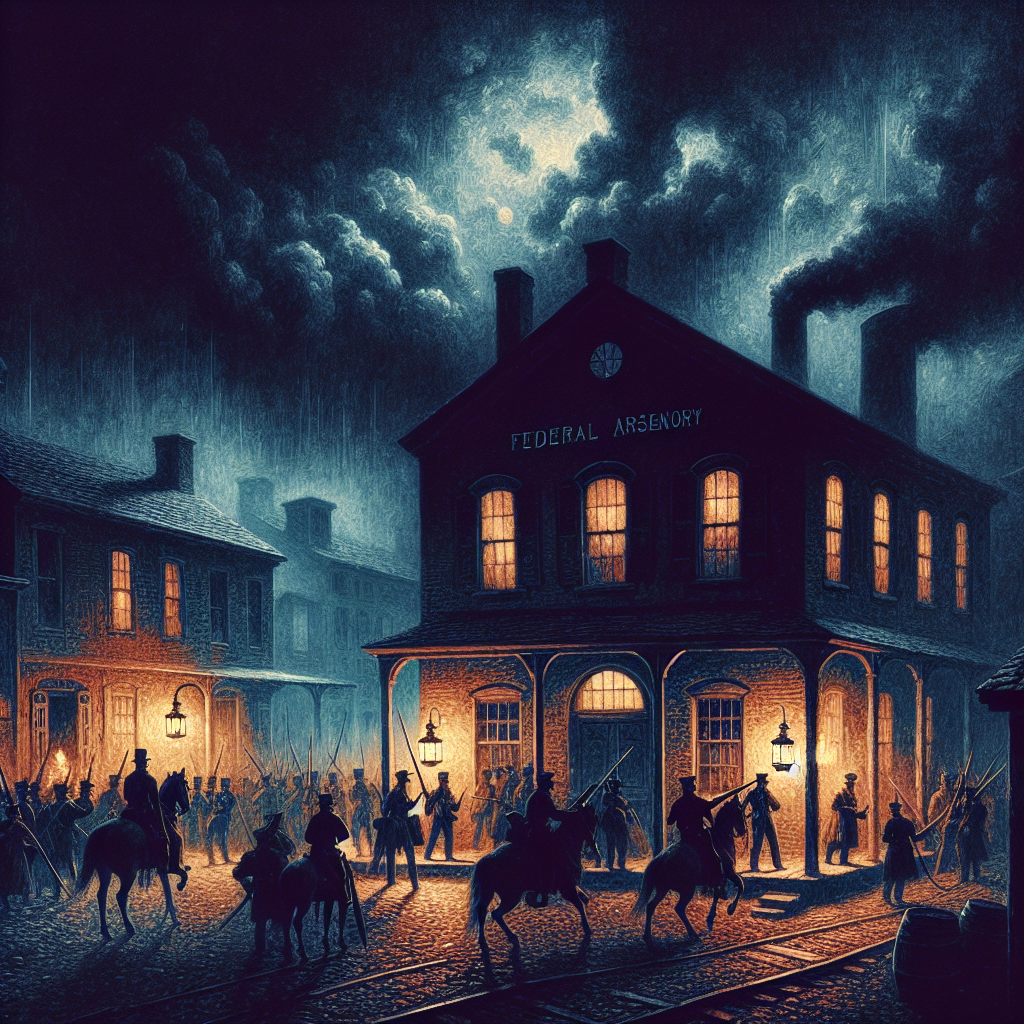
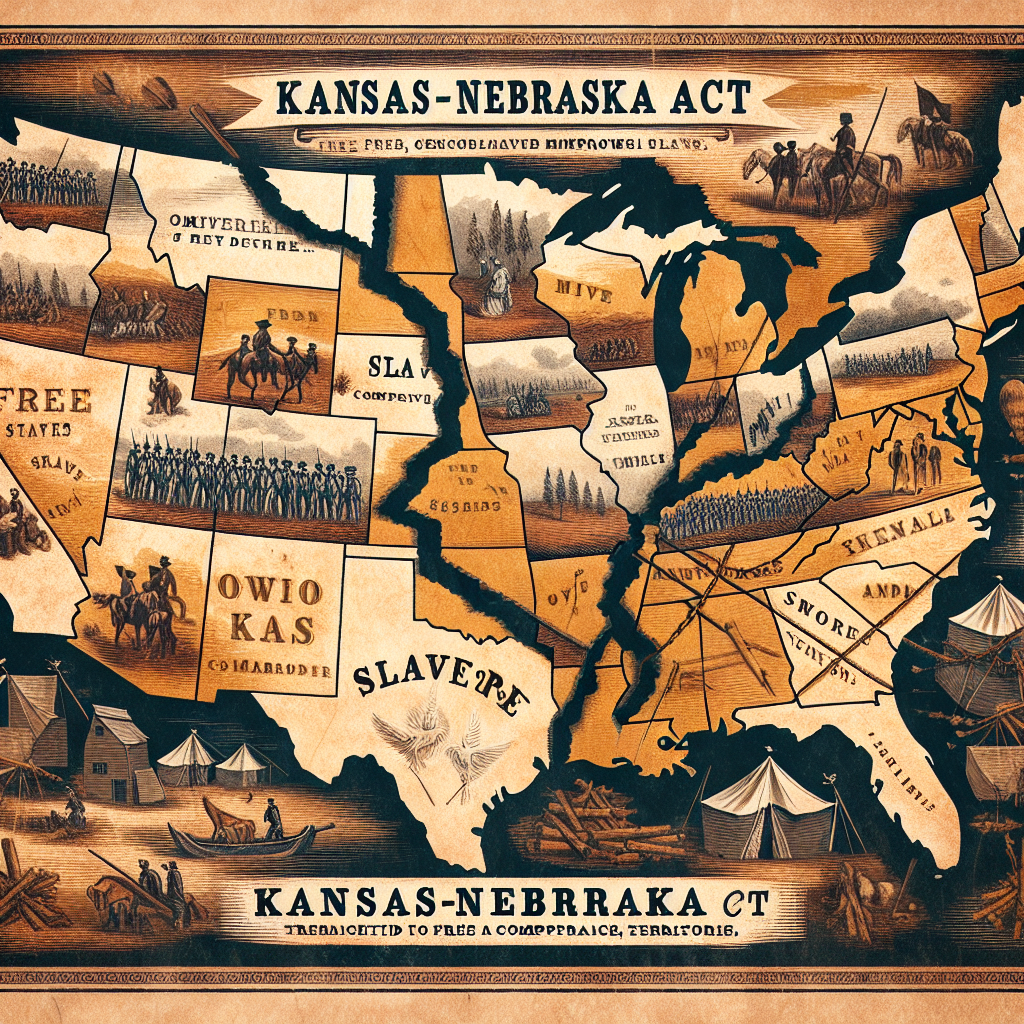
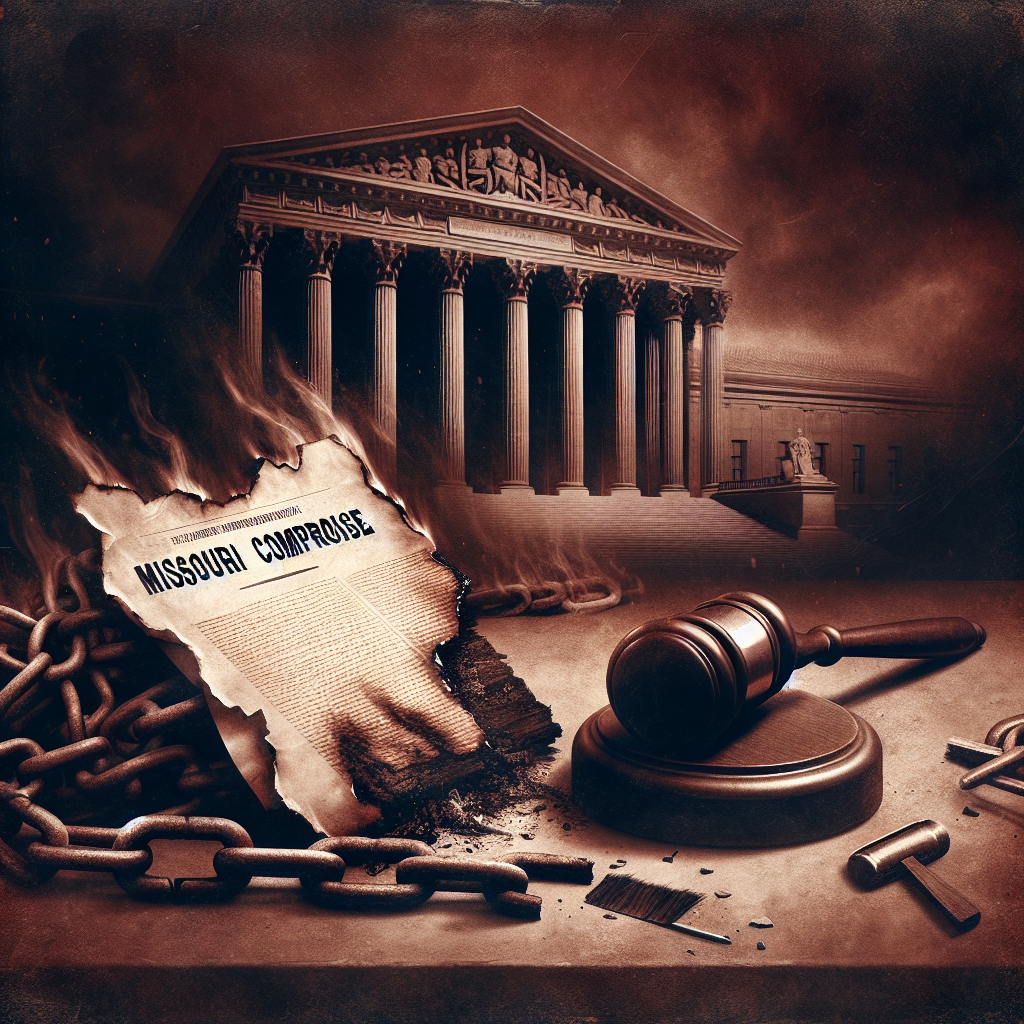
Every attempt to compromise on slavery's expansion eventually failed. These entries trace the deals, court rulings, and confrontations that hardened the divide between North and South until war became unavoidable.
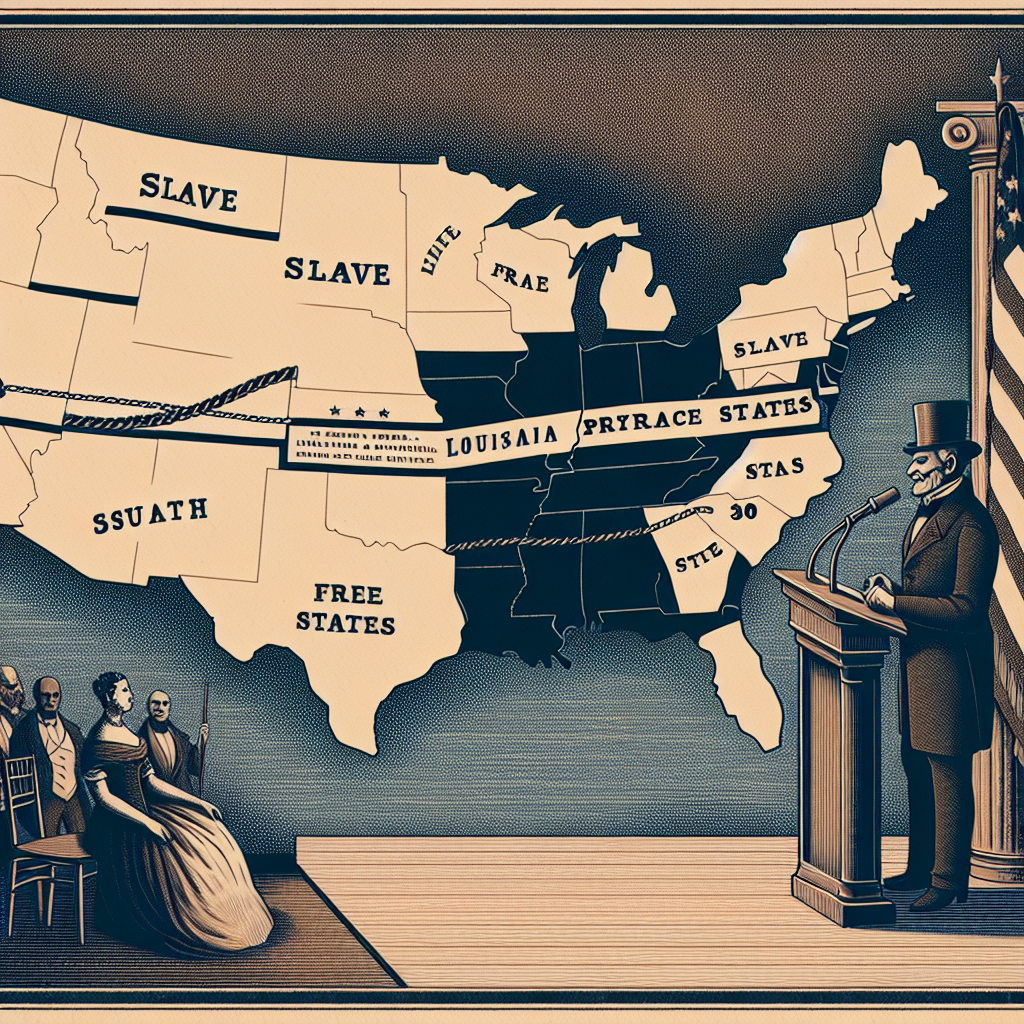
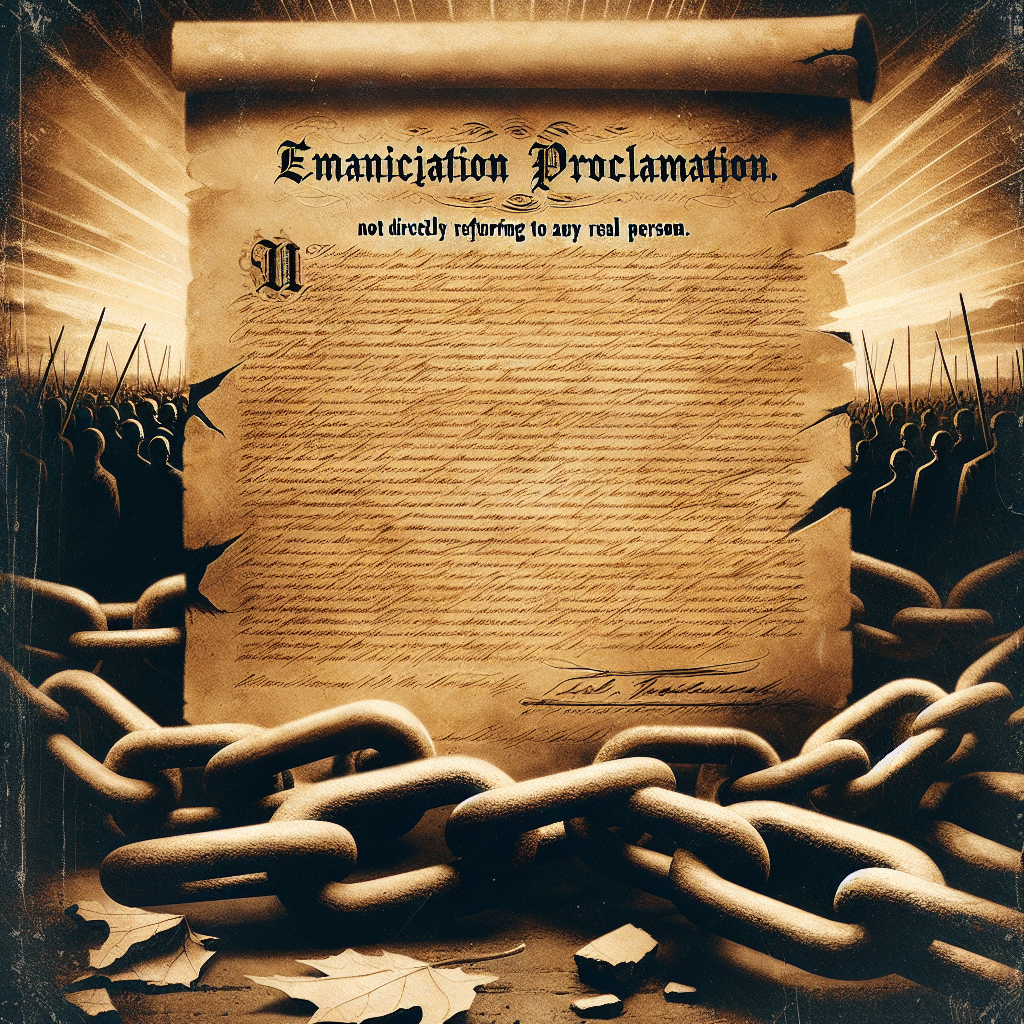
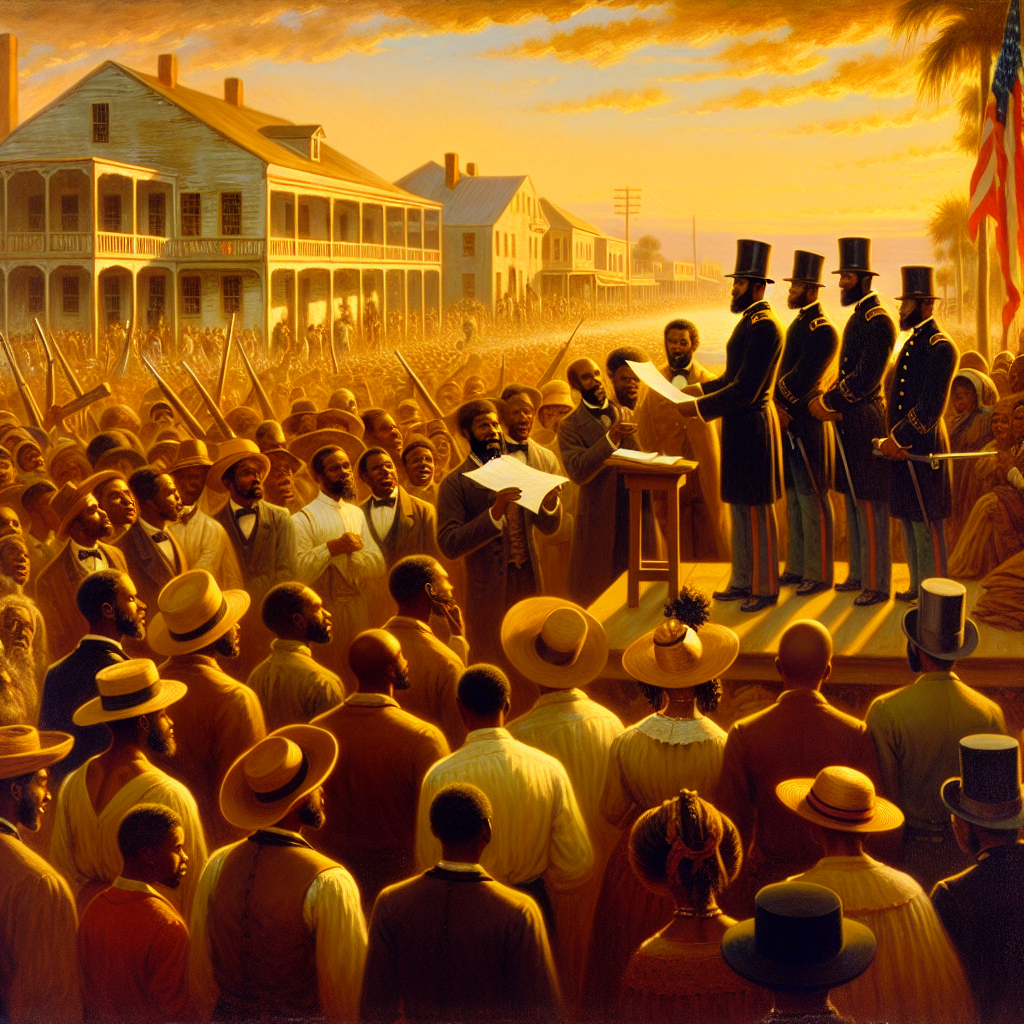
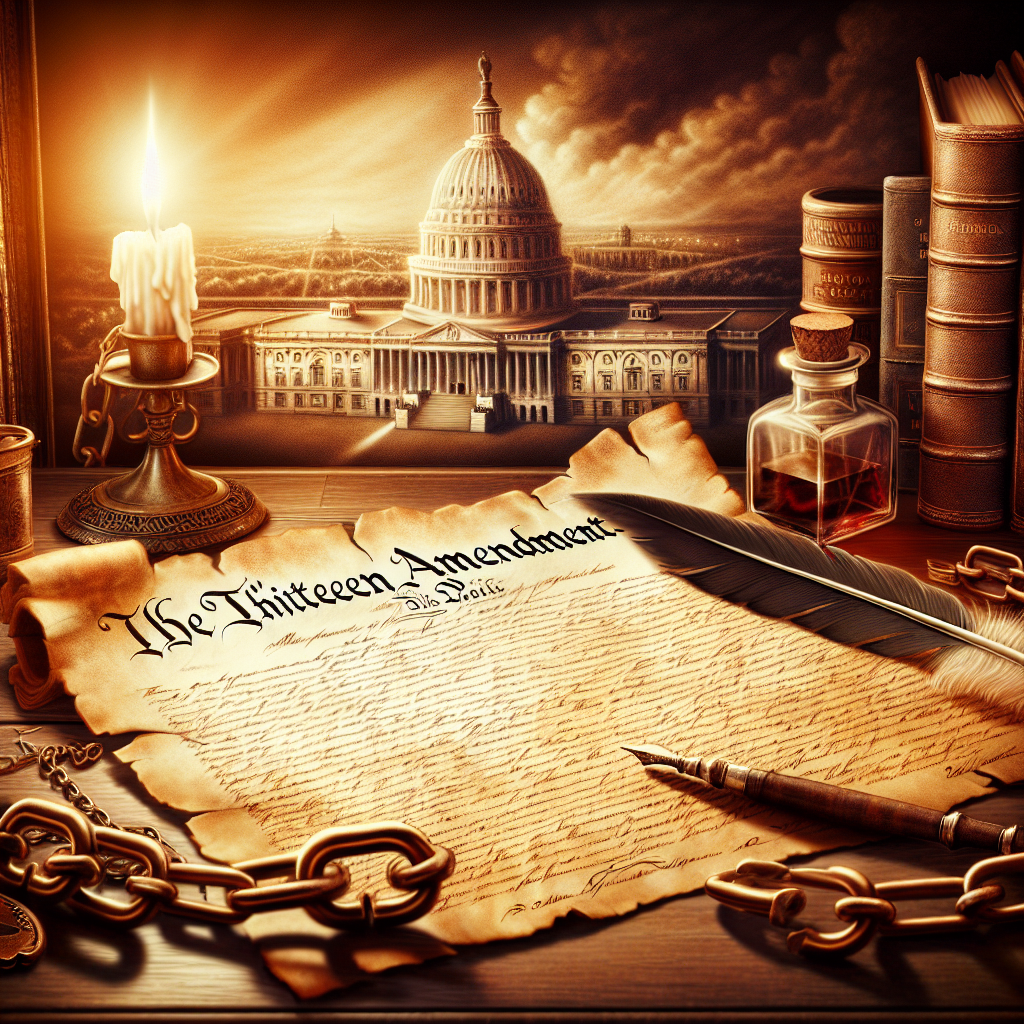
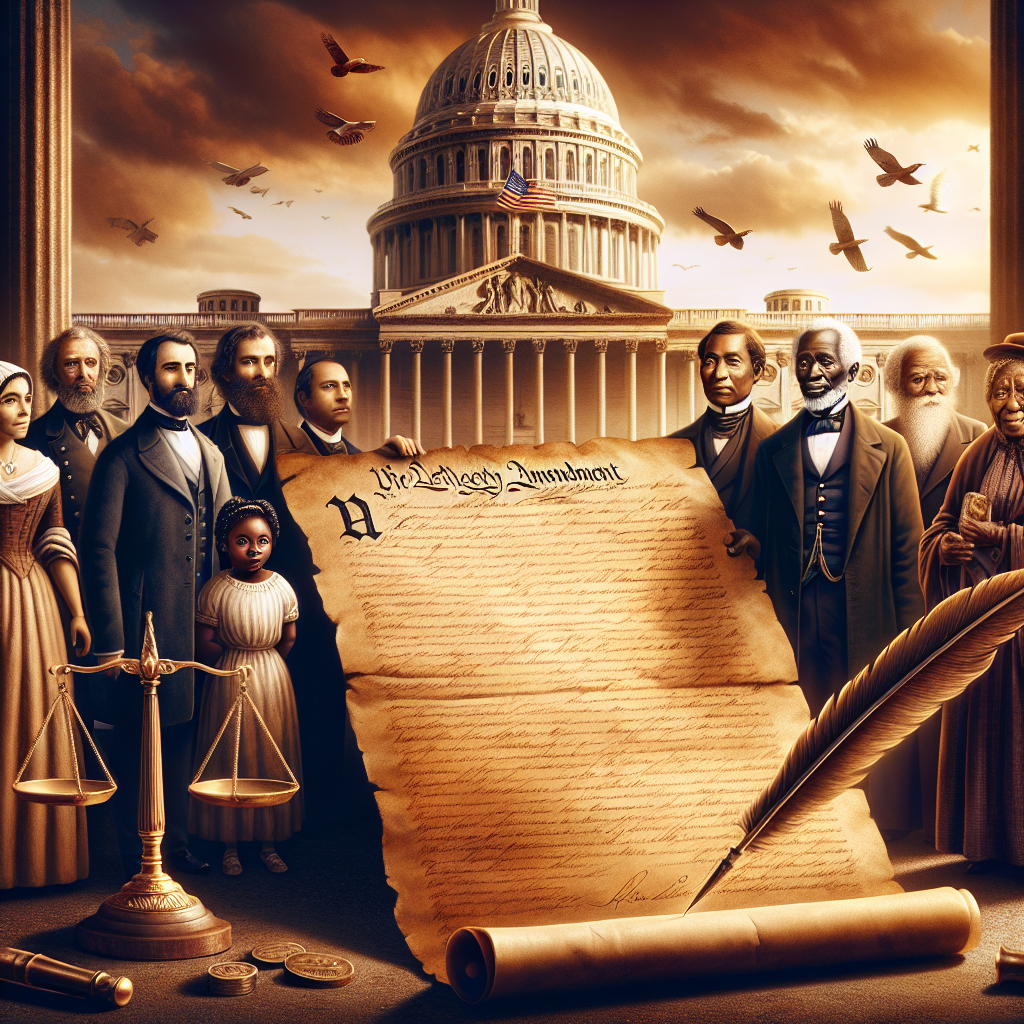
Slavery ended in war and was abolished by law. These entries cover emancipation and the constitutional amendments that followed - the formal end of bondage and the beginning of the harder fight over what freedom would mean.
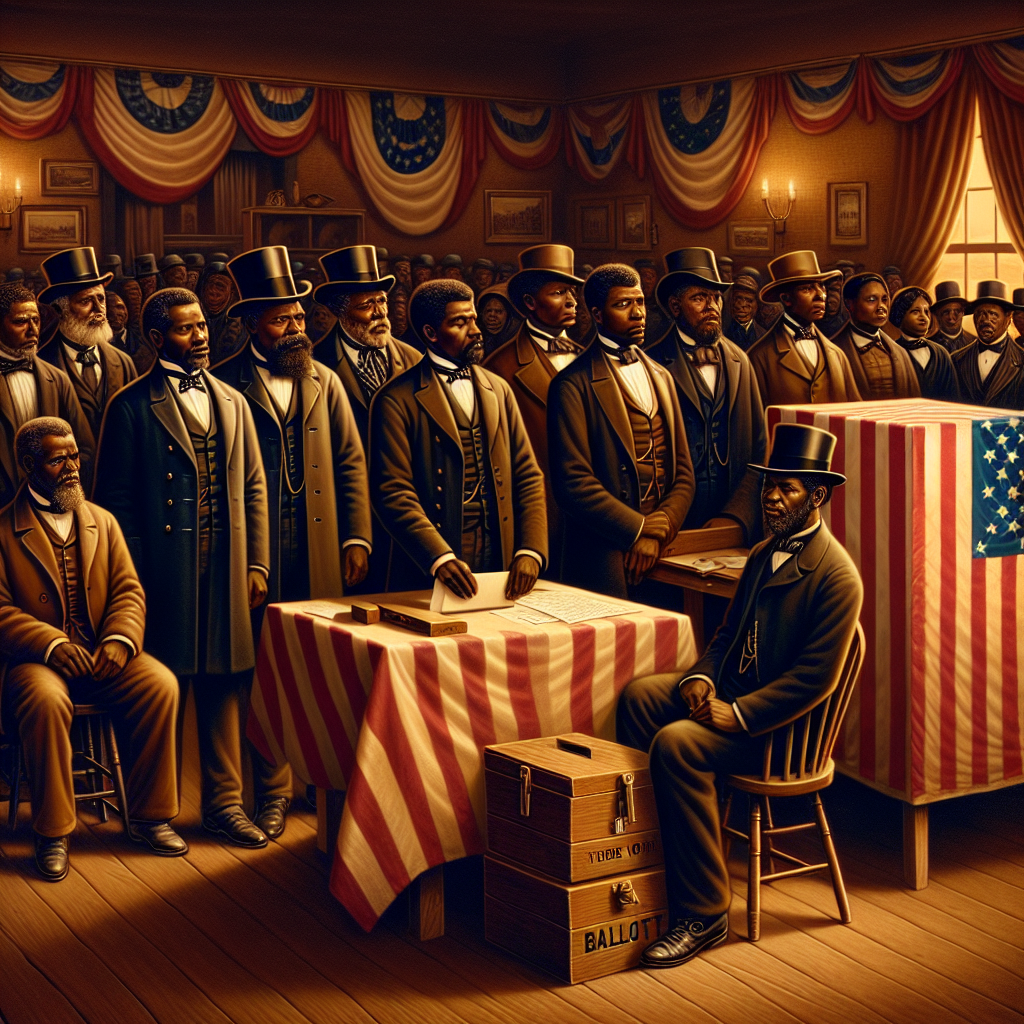
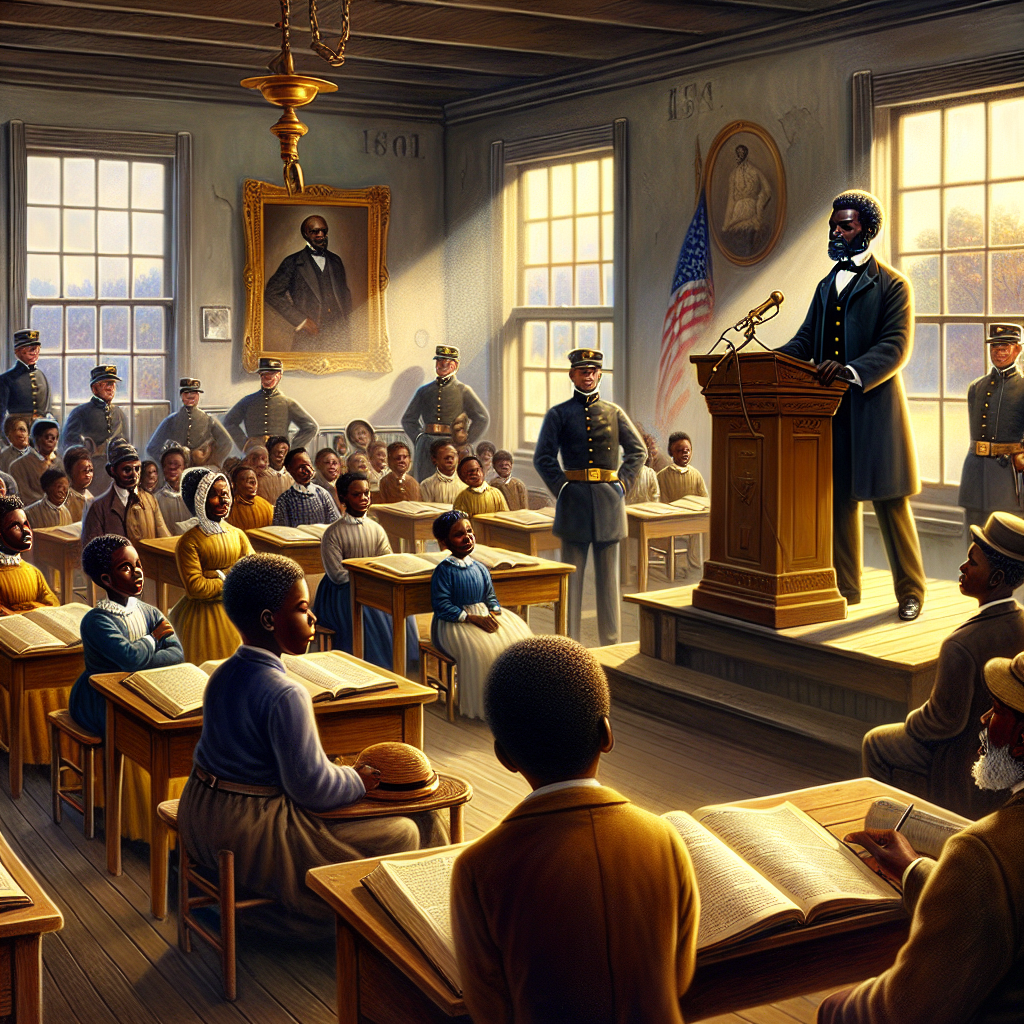
The struggle over slavery led directly into the Civil War, and its unfinished business runs through the civil rights movement a century later.