Nat Turner's Rebellion
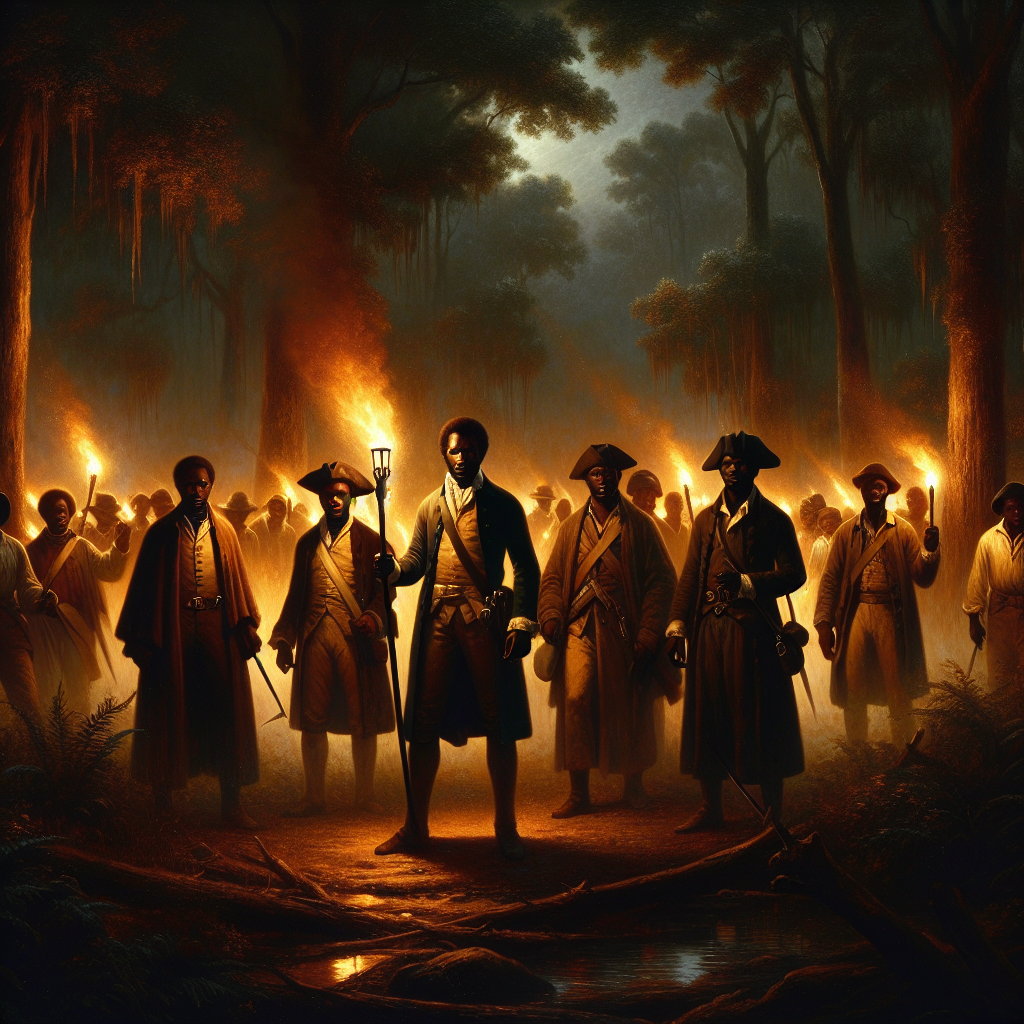
In the pre-dawn hours of August 22, 1831, an enslaved preacher named Nat Turner led a group of six men to the home of his enslaver, Joseph Travis, in Southampton County, Virginia, and killed everyone inside. Over the next 48 hours, Turner's band grew to between 50 and 70 people as they moved from farm to farm, killing every white person they encountered. By the time Virginia militia forces suppressed the uprising, 55 to 65 white Virginians were dead — the highest death toll of any slave rebellion in American history. Turner evaded capture for two months before being found hiding in a hole beneath a pile of fence rails, tried, and hanged on November 11, 1831.
The white response was swift, disproportionate, and indiscriminate. Militia and vigilante groups killed between 100 and 200 Black people in the days following the rebellion — most of them entirely uninvolved — in a terror campaign the Virginia governor eventually had to order stopped. The Virginia legislature convened a rare public debate on slavery, coming closer than any Southern legislative body ever would to seriously considering gradual emancipation. It did not happen. Instead, Virginia and other Southern states passed laws dramatically restricting the movement, assembly, and education of enslaved people, making it a crime to teach Black people to read, and curtailing the activities of free Black communities. The rebellion did not loosen slavery's grip. It tightened it.
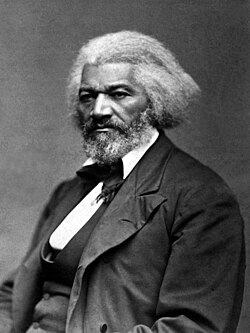
Turner's confession, dictated to his attorney Thomas Gray while awaiting execution, became an immediate bestseller and has remained a primary document of American history. Turner described visions, a calling from God, signs in the heavens — the language of a man who understood himself as an instrument of divine judgment rather than a political revolutionary. Whether that framing was sincere, strategic, or both has been debated by historians ever since. What is not debated is the effect: Nat Turner's rebellion made slavery's defenders understand that the institution could not be made secure, only violently maintained, and that the violence required would escalate indefinitely. Frederick Douglass, Harriet Tubman, and the abolitionists who followed built their arguments in a landscape Turner's rebellion had permanently altered.
| Date | August 21–23, 1831 |
| Location | Southampton County, Virginia |
| White deaths | 55–65 |
| Black deaths | ~100–200 (reprisals) |
| Participants | 50–70 enslaved people at peak |
| Turner captured | October 30, 1831 |
| Turner executed | November 11, 1831 |
| Document | The Confessions of Nat Turner (dictated to Thomas Gray) |
| Date | August 21–23, 1831 |
| Location | Southampton County, Virginia |