John Brown
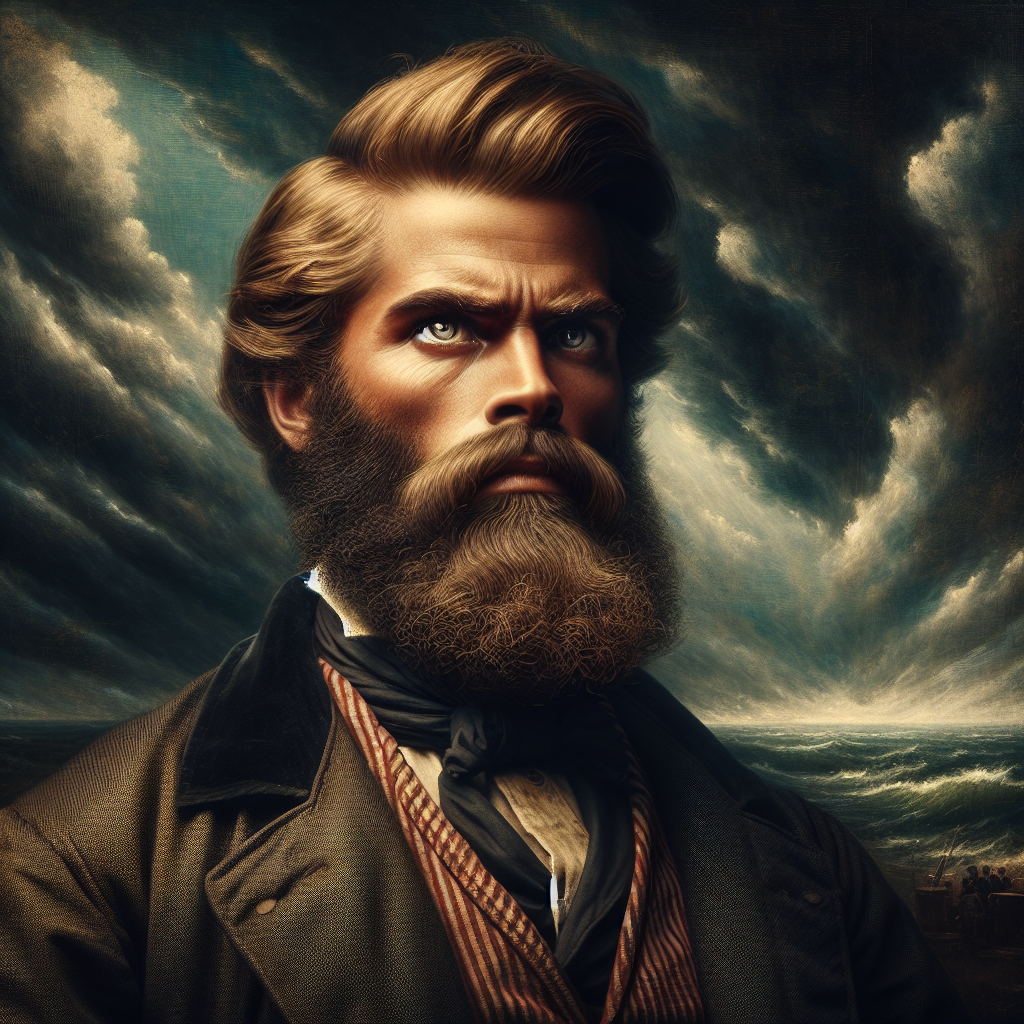
On the night of October 16, 1859, John Brown led 21 men — Black and white — across the Potomac River and seized the federal arsenal at Harpers Ferry, Virginia. His plan was audacious and, by most measures, suicidal: trigger a slave rebellion so massive it would collapse the institution of slavery from within. The raid lasted less than 36 hours before U.S. Marines under Colonel Robert E. Lee surrounded the engine house and ended it. Brown was captured, tried for treason, and hanged on December 2, 1859.
Brown had spent decades in the abolitionist cause, but his turn toward violence had crystallized in Kansas, where pro-slavery forces and anti-slavery settlers were already fighting what amounted to a guerrilla war. In May 1856, Brown and his sons hacked five pro-slavery settlers to death along Pottawatomie Creek — a massacre that announced his conviction that moral suasion had failed and only blood would settle the question. He raised money from prominent Boston reformers, trained his raiders, and chose Harpers Ferry as the spark.
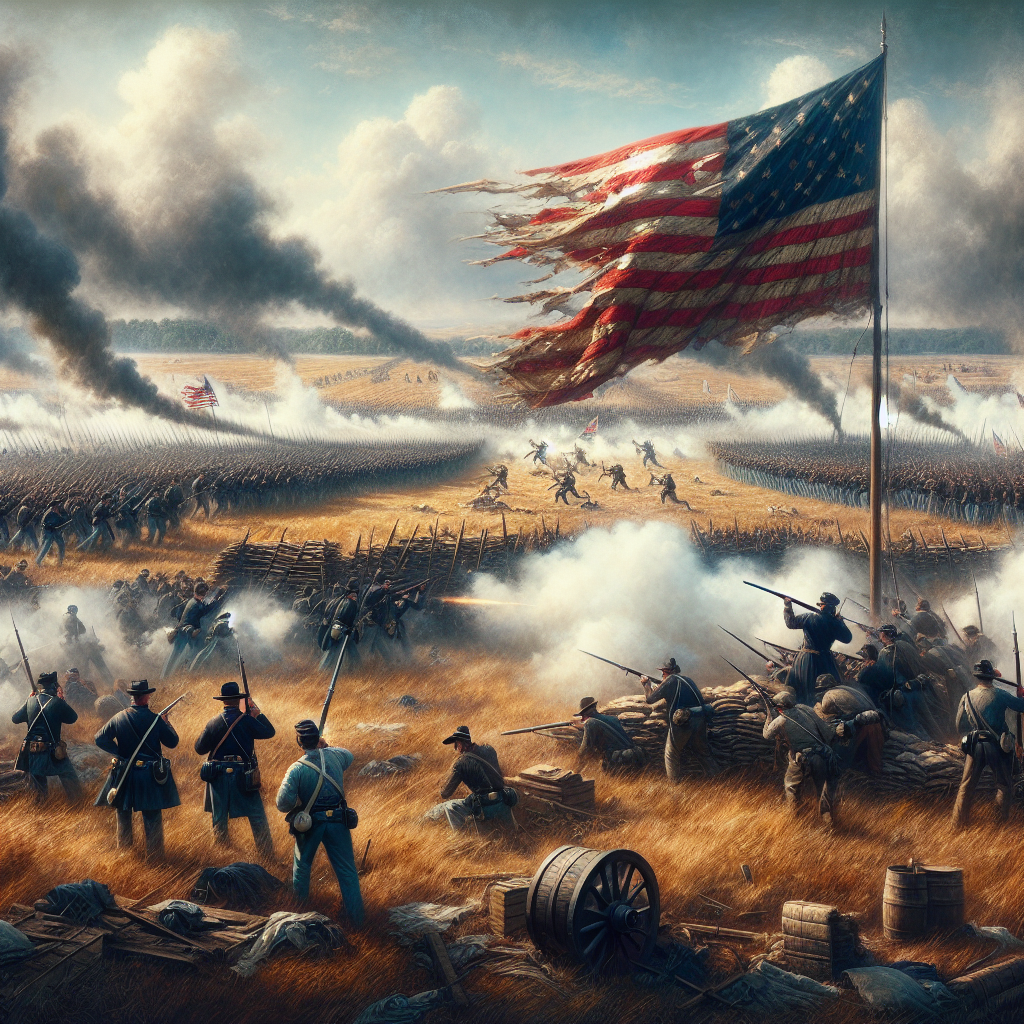
The raid failed militarily but succeeded politically in the worst possible way — for everyone. Southerners pointed to Brown as proof that the North intended to incite race war. Northerners who had dismissed him as a madman found themselves reconsidering when he spoke at his trial with calm moral clarity. "I, John Brown, am now quite certain that the crimes of this guilty land will never be purged away but with blood," he wrote on the day of his execution. Two years later, Union soldiers would march to war singing his name.
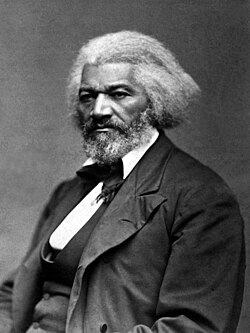
Historians still argue about Brown's sanity, his tactics, and his legacy. Frederick Douglass, who had argued against the raid, later said Brown did more to end slavery than any other American. Abraham Lincoln called him "a misguided fanatic." Both were right in their own way. Brown understood something that polite abolitionism had refused to admit: the slaveholding South would not yield to pamphlets and petitions. Whatever his methods, the war he predicted arrived on schedule.

| Born | May 9, 1800 — Torrington, Connecticut |
| Died | December 2, 1859 — Charles Town, Virginia (executed) |
| Known For | Raid on Harpers Ferry, Pottawatomie Massacre |
| Cause | Militant abolitionism |
| Tried For | Treason, murder, conspiring with slaves to rebel |
| Trial | October 27–31, 1859 — Charles Town, Virginia |
| Date | December 2, 1859 |
| Location | Harpers Ferry, Virginia (now West Virginia) |