Bleeding Kansas
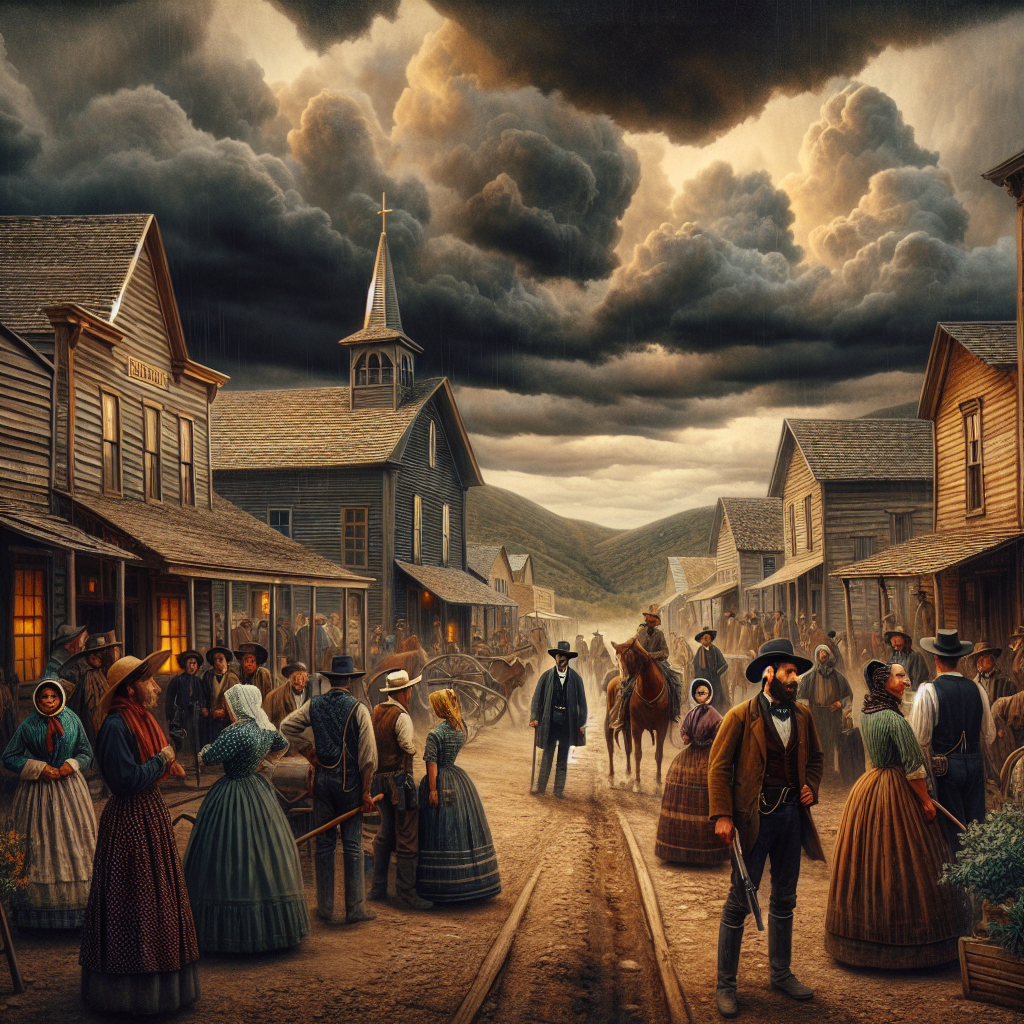
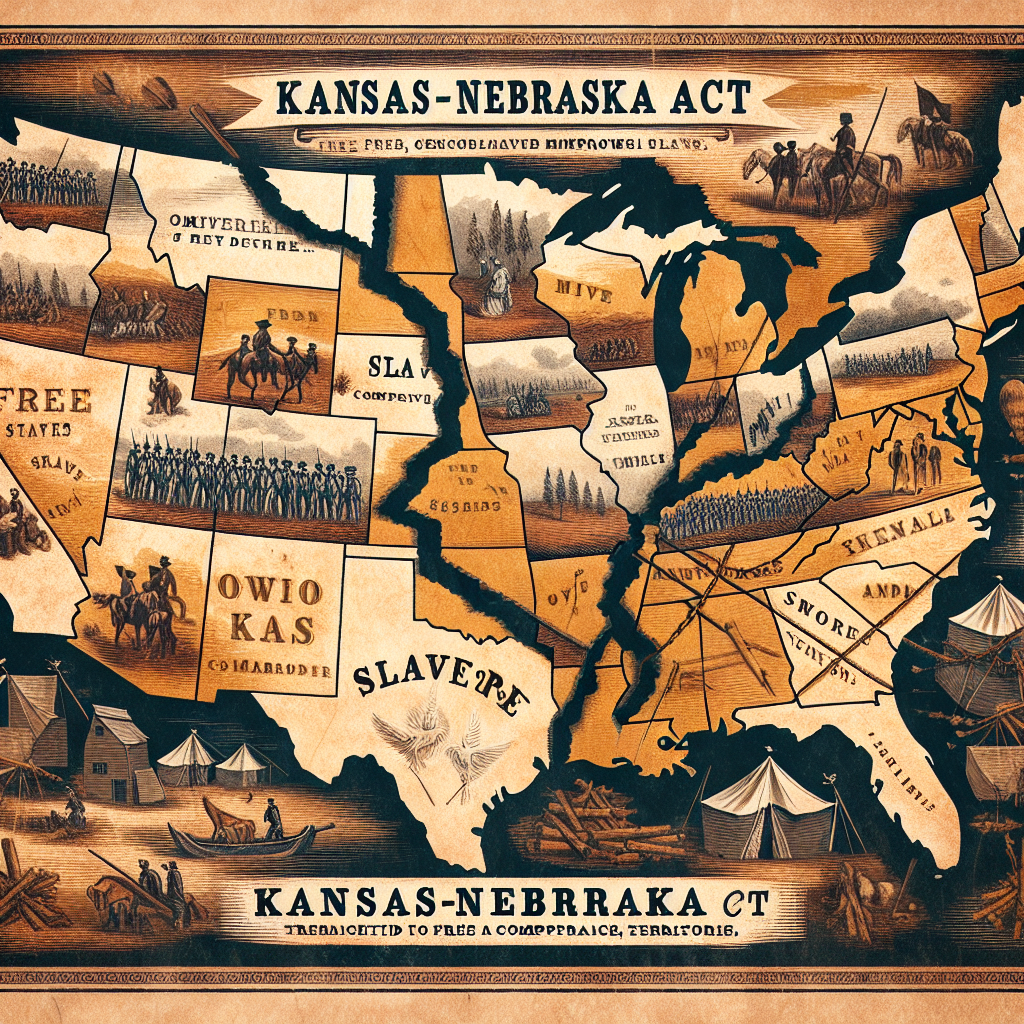
Between 1854 and 1861, the Kansas Territory became a preview of the Civil War — a place where the question of slavery was settled not by legislation but by rifles, ballot-box fraud, and arson. The Kansas-Nebraska Act of 1854 had opened the territory to "popular sovereignty," meaning settlers themselves would vote on whether Kansas entered the Union slave or free. Both sides flooded in, armed and determined to win. The result was a sustained guerrilla conflict that killed hundreds and made the word "Kansas" synonymous, for a time, with the failure of American politics to hold itself together.
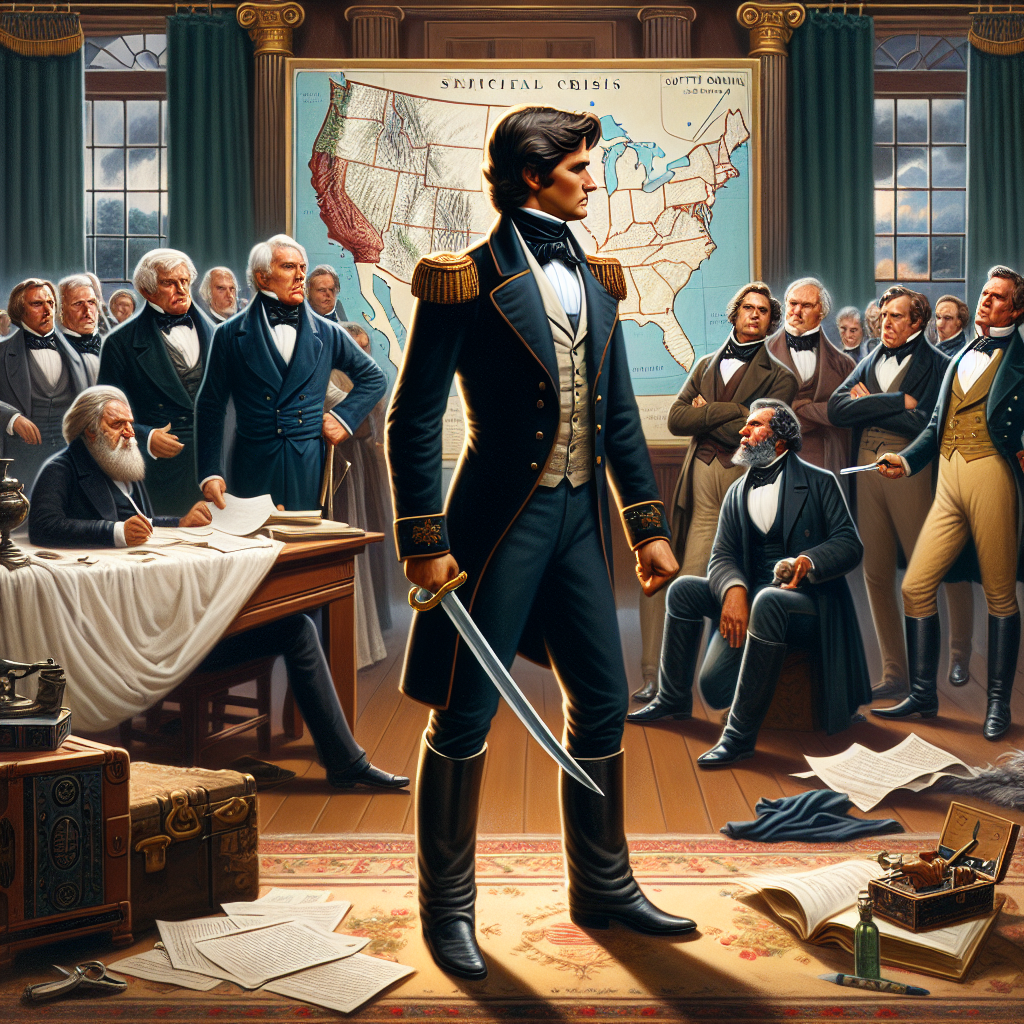
Pro-slavery "Border Ruffians" crossed from Missouri to cast fraudulent votes and terrorize Free-State settlers. Anti-slavery colonists, backed by Northern abolitionists, formed their own militias and established a rival government. In May 1856, pro-slavery forces sacked the town of Lawrence. Three days later, abolitionist John Brown led a retaliatory massacre at Pottawatomie Creek, killing five men. In Washington that same week, Senator Charles Sumner was beaten unconscious at his desk by a South Carolina congressman after delivering an antislavery speech. The violence was everywhere, and no one was pretending anymore.
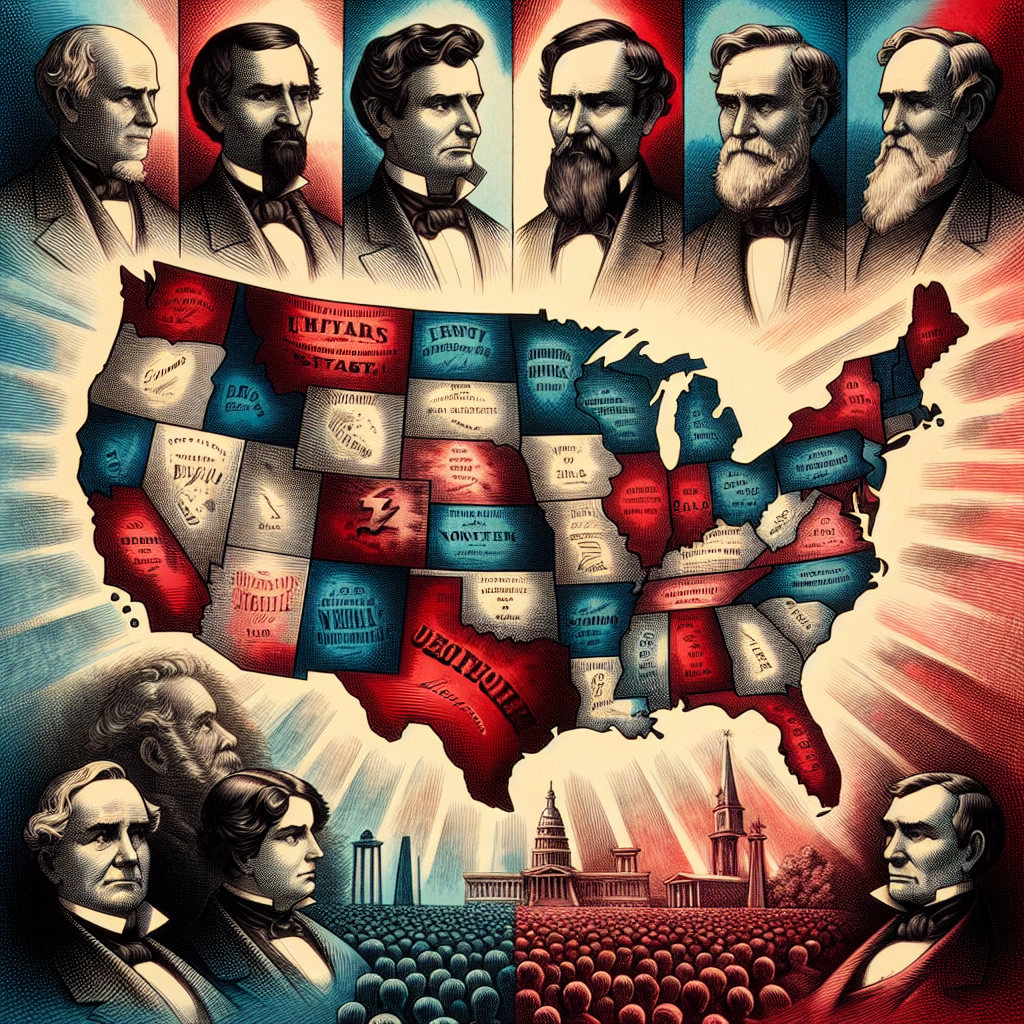
Bleeding Kansas destroyed what remained of the Whig Party, accelerated the rise of the Republicans, and pushed Abraham Lincoln — then an Illinois lawyer watching events with growing alarm — toward the national stage. When Kansas finally entered the Union as a free state in January 1861, the Confederacy was already forming. The territory had served as both a laboratory and a warning that nobody had heeded in time.
| Period | 1854–1861 |
| Territory | Kansas Territory (present-day Kansas) |
| Triggering Law | Kansas-Nebraska Act (1854) |
| Key Figure | John Brown (Pottawatomie Massacre, May 1856) |
| Rival Governments | Lecompton (pro-slavery) and Topeka (free-state) |
| Kansas Statehood | January 29, 1861 — admitted as free state |
| Years | 1854–1861 |
| Location | Kansas Territory |