The Middle Passage
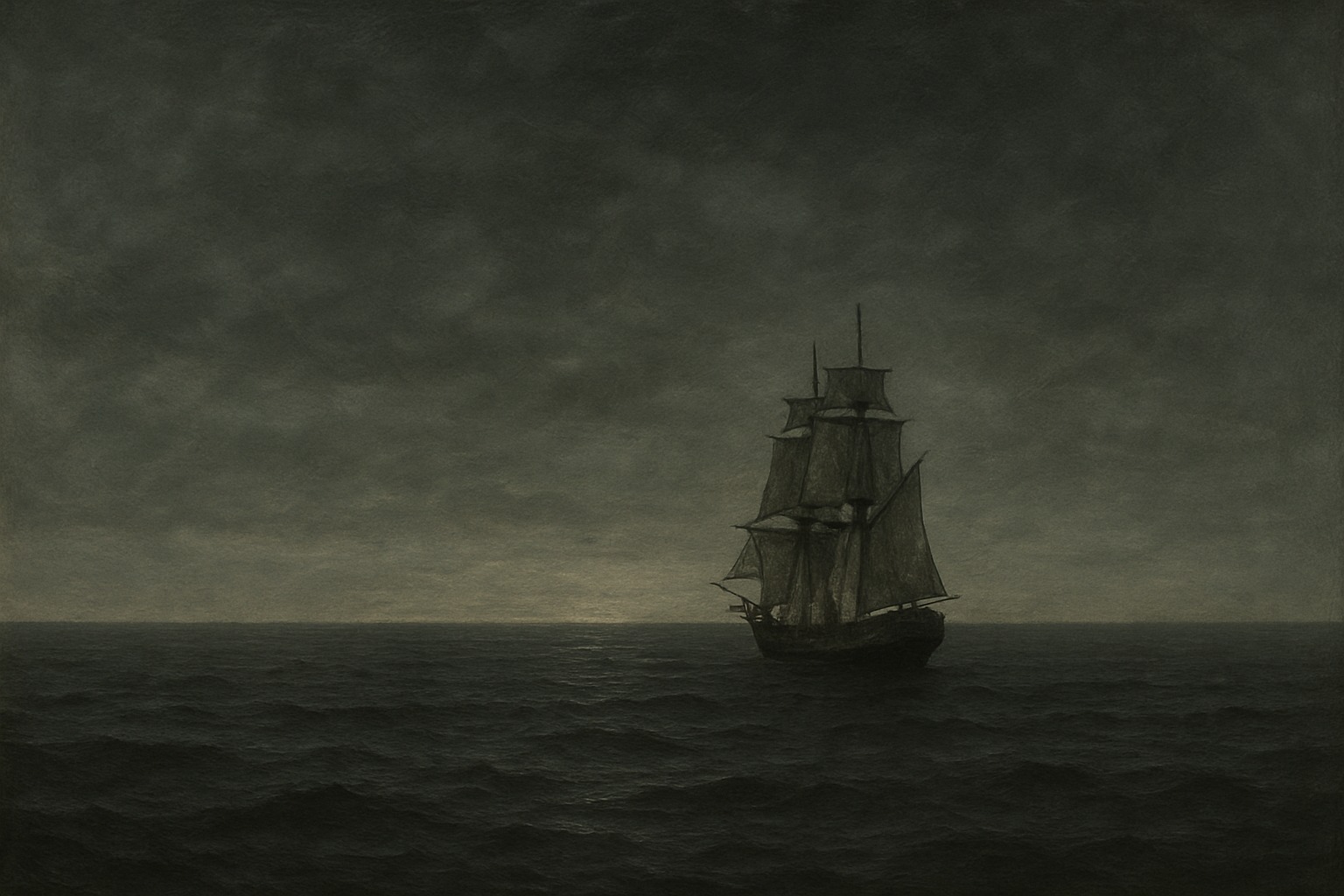
The Middle Passage was the sea voyage that carried enslaved Africans across the Atlantic to the Americas — the central, harrowing leg of the transatlantic slave trade. Over roughly three and a half centuries it forcibly transported an estimated twelve million people, of whom some did not survive the crossing.
Captives were packed below deck in conditions of extreme cruelty for voyages that could last many weeks. Disease, malnutrition, and despair claimed a heavy toll, and historians estimate that around 1.8 million people died during the passage and were lost to the sea. It stands among the largest forced migrations in human history.
For those who survived, the passage was a violent severing — from homeland, family, language, and name — and the beginning of bondage in a strange land. The trade fed the plantation economies of the Caribbean, South America, and the British colonies that became the United States.
Though the United States banned the importation of enslaved people in 1808, the millions already brought across, and their descendants, formed the foundation of American slavery. The Middle Passage is the origin point of that history — the crossing from which everything that followed flowed.
| What | The Atlantic crossing of the transatlantic slave trade |
| Scale | ~12 million Africans transported over ~350 years |
| Toll | An estimated ~1.8 million died during the crossing |
| U.S. Import Ban | Importation of enslaved people banned in 1808 |
| Significance | The origin point of American slavery |
| Date | Transatlantic trade to North America, 1600s–1808 |