John Brown's Raid on Harpers Ferry
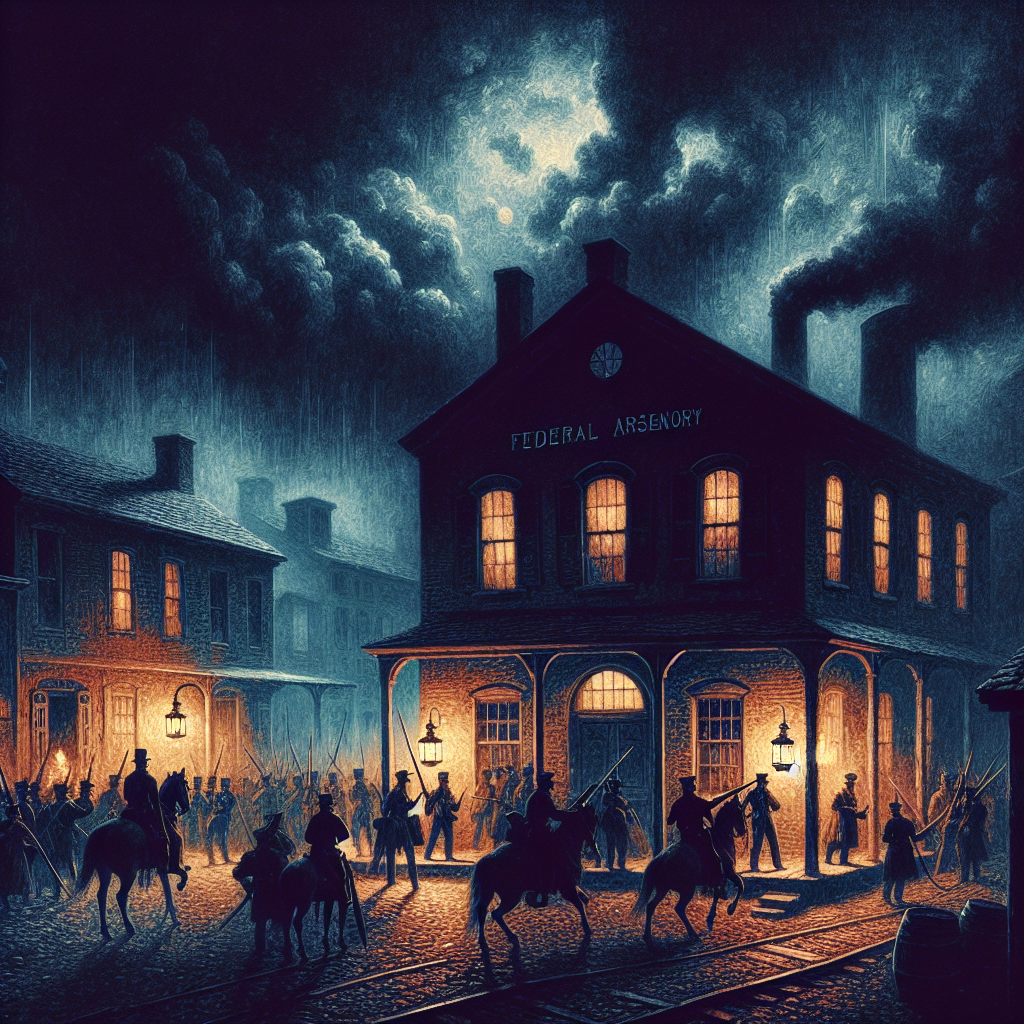
On the night of October 16, 1859, a 59-year-old abolitionist named John Brown led 21 men — 16 white and 5 Black — across the Potomac River into Harpers Ferry, Virginia, seized the federal arsenal and armory, and waited for the enslaved people of the surrounding countryside to rise and join him. They did not come. The plan, which Brown had been developing for years and which had attracted quiet financial support from six prominent Northern abolitionists, assumed that the news of the arsenal's capture would spread and spark a general uprising. Instead, local militia surrounded the arsenal within hours. By October 18, Colonel Robert E. Lee — serving his last federal command — had arrived with U.S. Marines, broken through the fire engine house where Brown was barricaded, and captured him. Ten of Brown's men were dead; he was wounded.
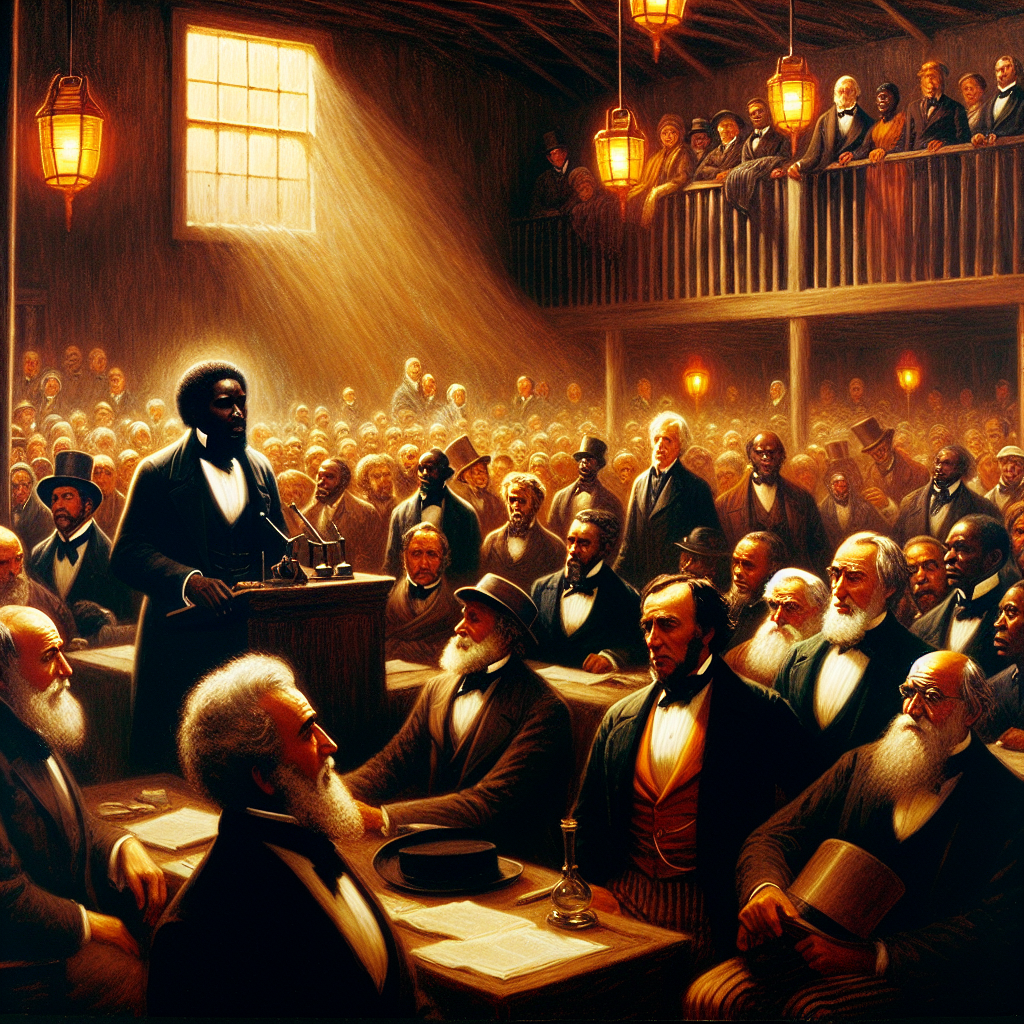
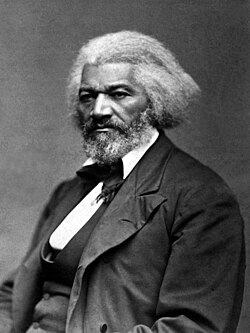
Brown's trial for treason, murder, and conspiring with slaves lasted less than two weeks and produced one of the most consequential courtroom speeches in American history. Brown, wounded and lying on a cot during much of the proceedings, addressed the court after his conviction with a clarity and calm that left the courtroom silent: he had acted as the Golden Rule and the Declaration of Independence required, he said, and if he had done what he had done on behalf of the rich and powerful, it would have been considered all right. He was hanged on December 2, 1859. Ralph Waldo Emerson said he would make the gallows glorious like the cross. Henry David Thoreau compared him to Christ. The South read these eulogies and understood, with something approaching clarity, that the North did not actually consider Brown a criminal.
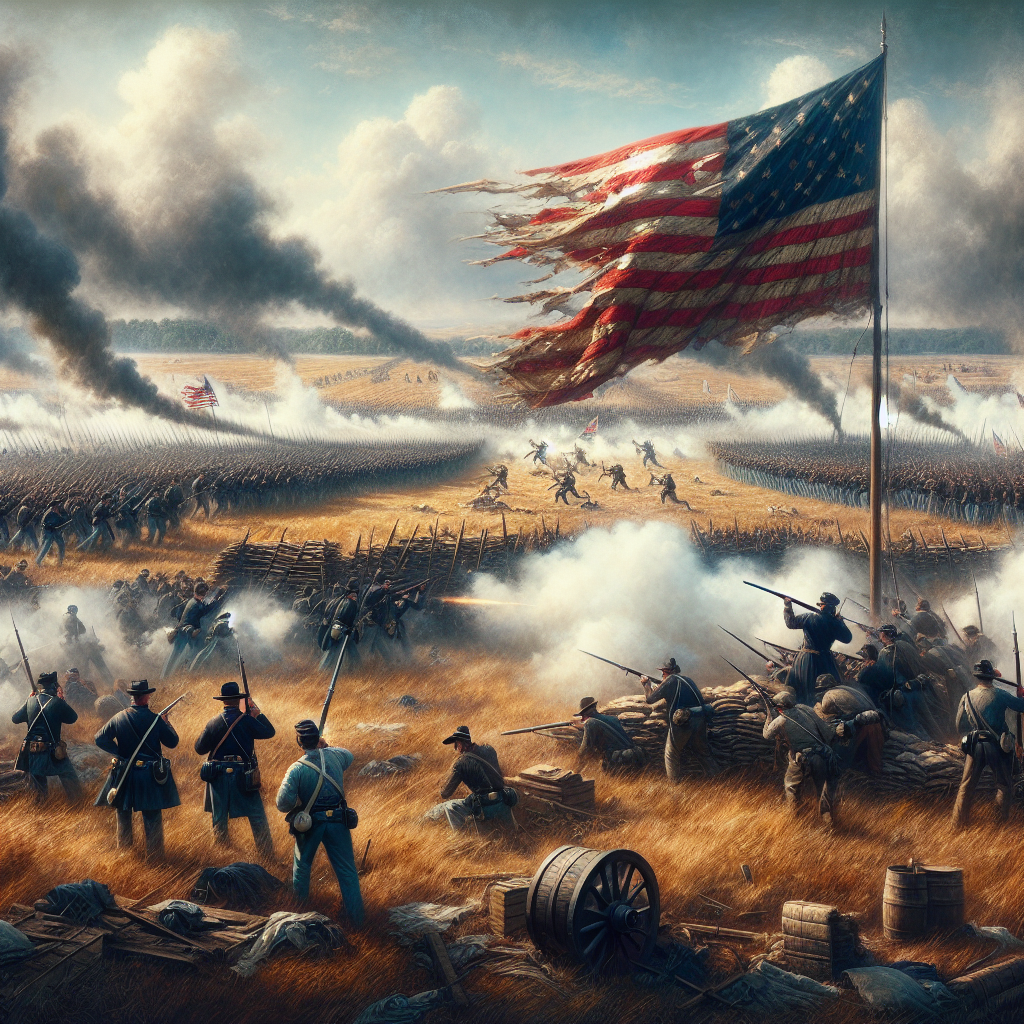
Harpers Ferry is the event that made the Civil War feel certain rather than possible. It demonstrated that the abolitionist movement was willing to contemplate violence; it demonstrated that the violence would be met with the hanging of its instigators while Northern intellectuals compared them to martyrs; and it confirmed for Southern leaders that the two sections of the country had fundamentally incompatible understandings of their most basic conflict. John Brown was crazy by most clinical definitions — grandiose, messianic, and willing to get his followers killed for a plan that had almost no chance of working. He was also right about slavery, right about what would be required to end it, and right that the country was not going to resolve the question through the political means that were failing so visibly around him. The war that followed proved all of it.

| Date | October 16–18, 1859 |
| Location | Harpers Ferry, Virginia (now West Virginia) |
| Raiders | 21 men (16 white, 5 Black) |
| Target | U.S. arsenal and armory at Harpers Ferry |
| Suppressed by | Col. Robert E. Lee with U.S. Marines |
| Brown executed | December 2, 1859 |
| Financing | "Secret Six" Northern abolitionists |
| Consequence | Accelerated Southern secessionist sentiment |
| Date | October 16–18, 1859 |
| Location | Harpers Ferry, West Virginia |