Underground Railroad
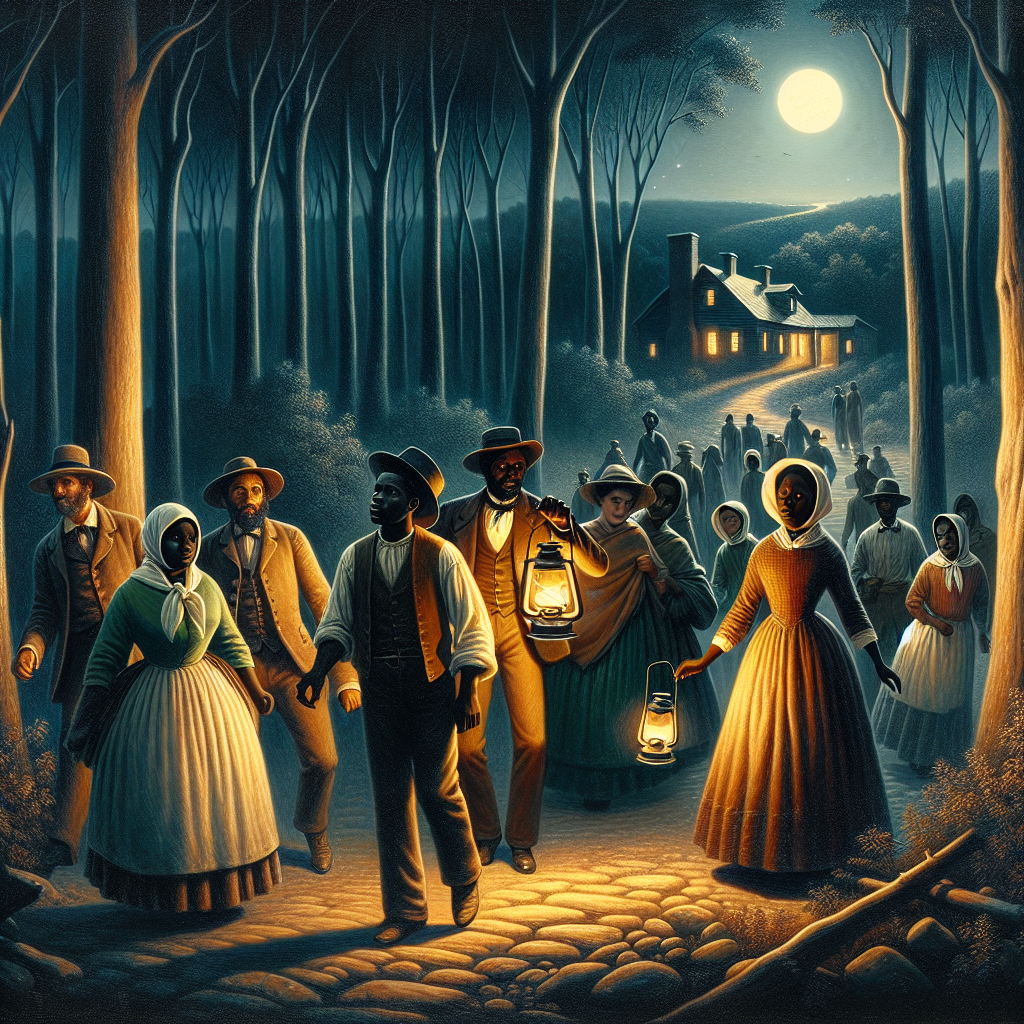
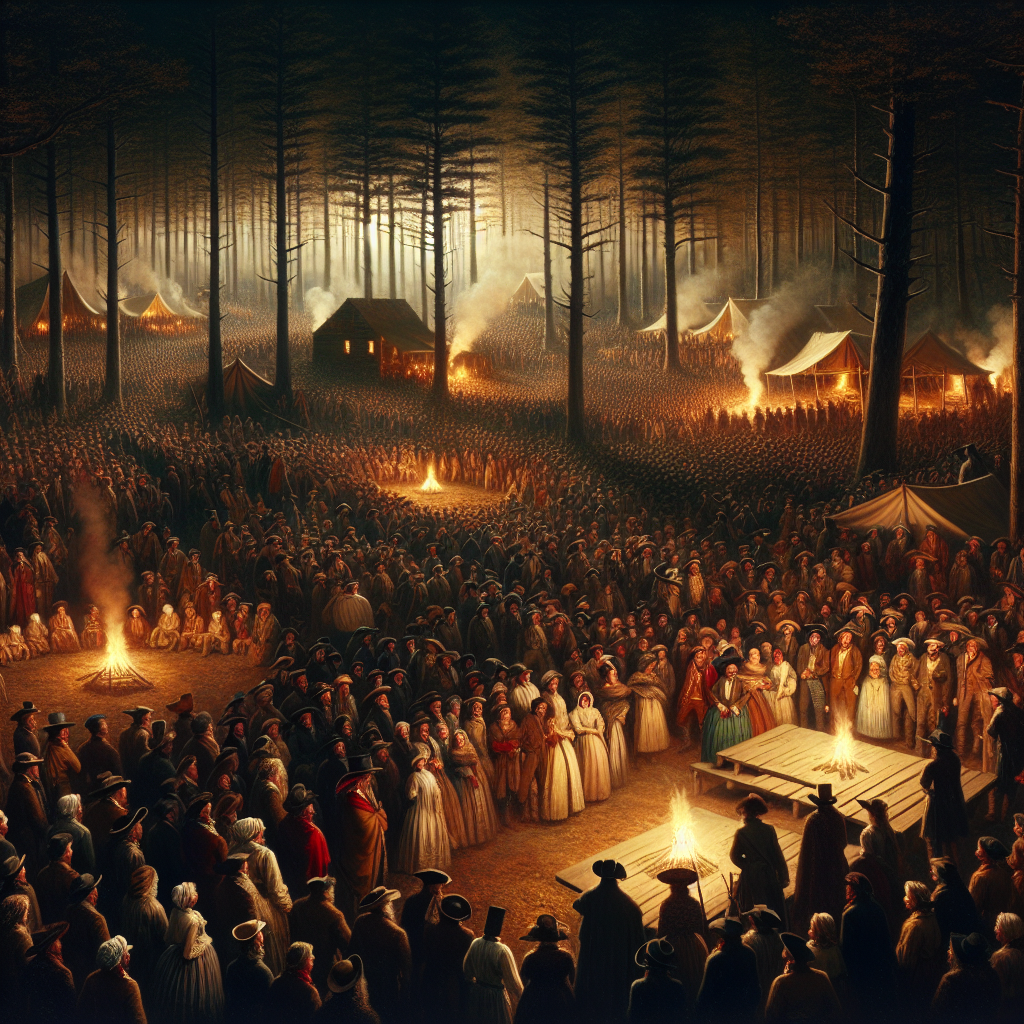
The Underground Railroad was not underground and had no rails. It was a loose, improvised, constantly shifting network of routes, safe houses, and courageous individuals — Black and white, free and enslaved — who moved freedom-seekers north through a system held together by whispered directions, coded signals, and the willingness of ordinary people to commit a federal felony. Between 1810 and 1860, historians estimate that somewhere between 30,000 and 100,000 enslaved people escaped through its various routes — north to free states and Canada, where the Fugitive Slave Act of 1850 could not reach them. The numbers are uncertain because the whole operation depended on leaving no records.
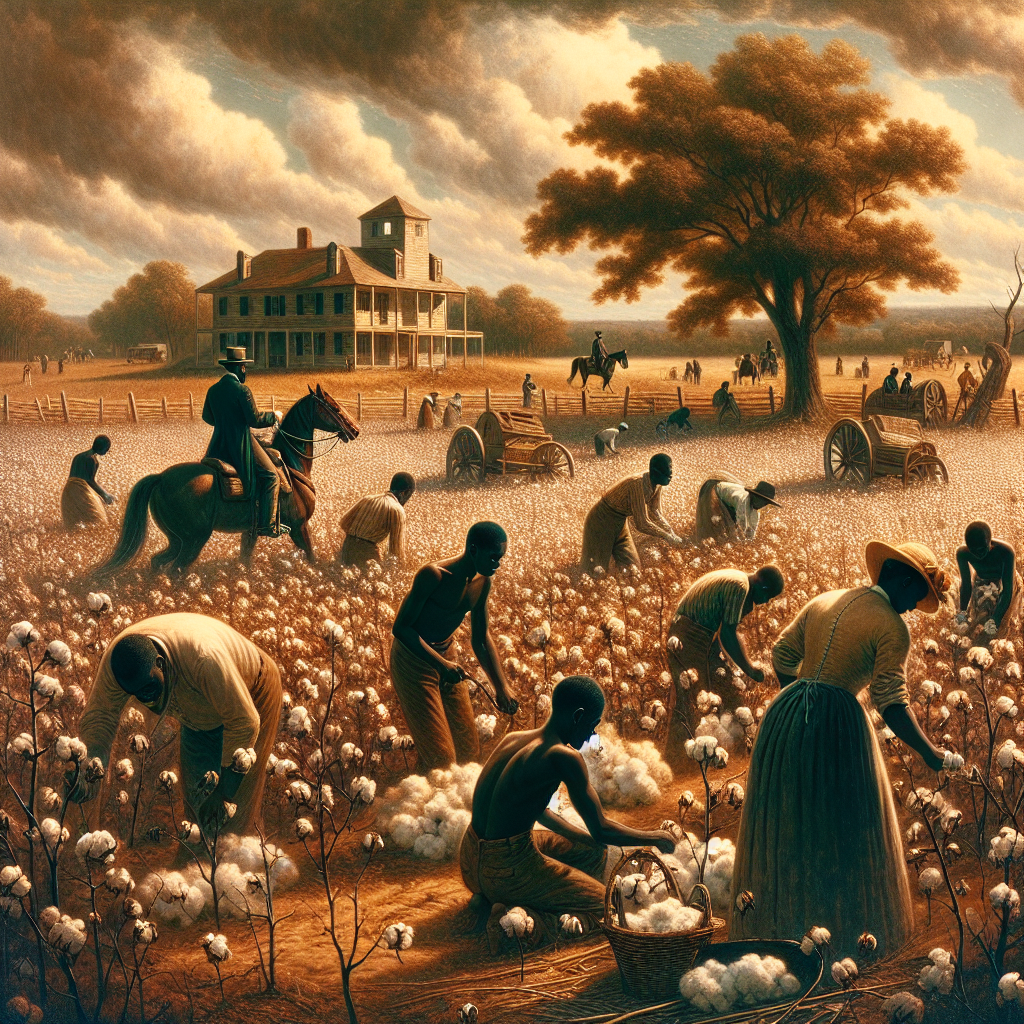
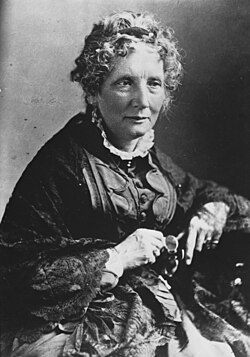
The Fugitive Slave Act of 1850 transformed the Underground Railroad from a moral cause into an urgent necessity. The law required citizens of free states to assist in the capture and return of escaped enslaved people, made it a federal crime to harbor or assist fugitives, and stripped accused runaways of the right to a jury trial or to testify on their own behalf. It galvanized Northern public opinion against slavery in ways that abolitionist pamphlets had not managed — forcing free-state residents to personally participate in the system rather than simply tolerate it from a distance. Harriet Beecher Stowe wrote Uncle Tom's Cabin the following year.
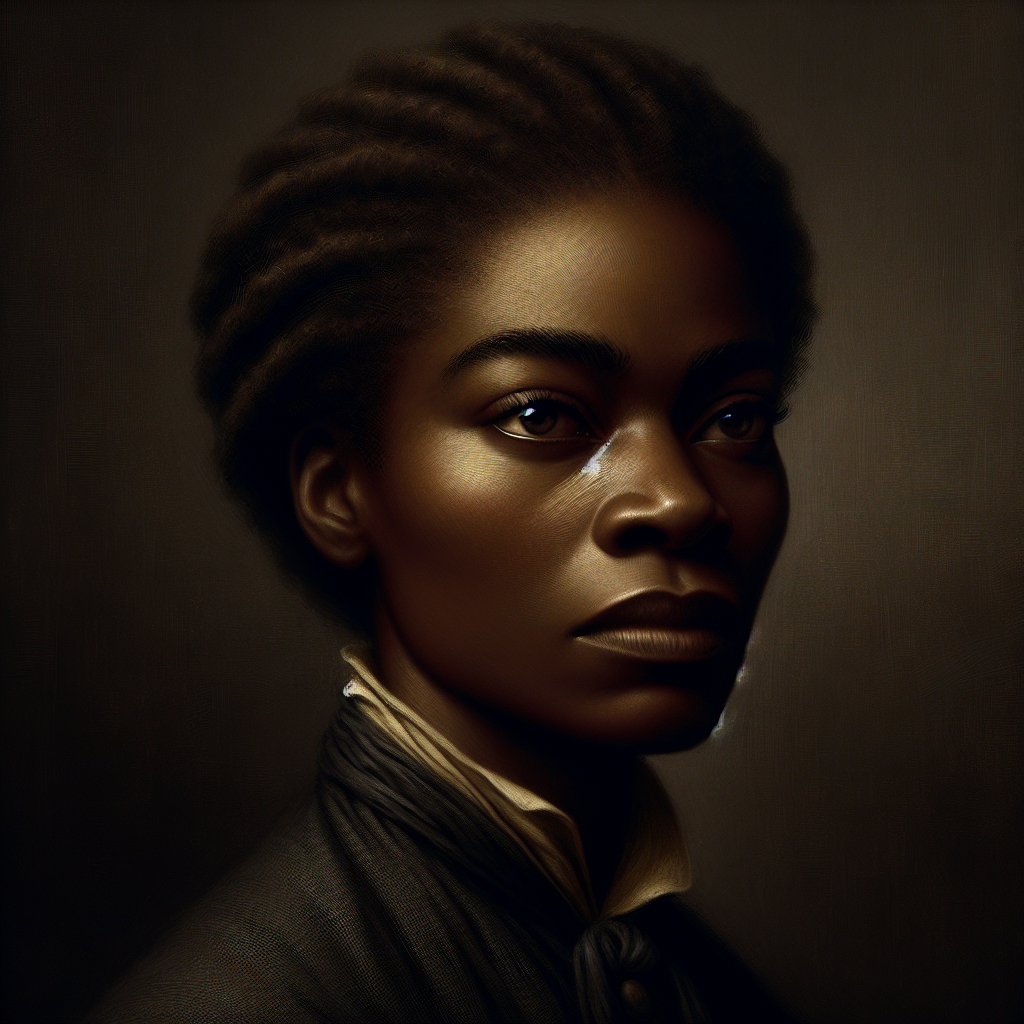
The Railroad's most celebrated conductor was Harriet Tubman, who made approximately 13 return trips into slave territory after her own escape and personally guided roughly 70 people to freedom. But the network's strength was its anonymity — it was sustained by hundreds of largely nameless people: free Black communities in Philadelphia, Cincinnati, and Detroit; Quaker farmers in Ohio and Indiana; sympathetic ferry operators and innkeepers. Its conductors' real names were mostly never written down. Many remain unknown. The freedom they made possible was real; the system that made it necessary was a moral catastrophe the nation would eventually need a war to end.

| Peak operation | c. 1810–1865 |
| Estimated helped | 30,000–100,000 freedom-seekers |
| Famous conductor | Harriet Tubman |
| Northern terminals | Philadelphia, Detroit, Cincinnati, Boston, Canada |
| Fugitive Slave Act | 1850 — intensified both escapes and risks |
| Key organizer cities | Philadelphia (Vigilance Committee), Rochester, N.Y. |
| Years | 1810–1865 |
| Location | United States |