U.S. Foreign Policy Doctrines Explained

American foreign policy has rarely been written down in one place. It accumulates instead as doctrine — a presidential message to Congress, a diplomat's dispatch, a phrase in a magazine article — that hardens into an assumption about where the United States belongs in the world and what it owes the rest of it. George Washington's warning against permanent alliances shaped policy for more than a century without ever becoming law. A State Department official writing anonymously in 1947 supplied a single word, containment, and it organized the next four decades of American strategy.
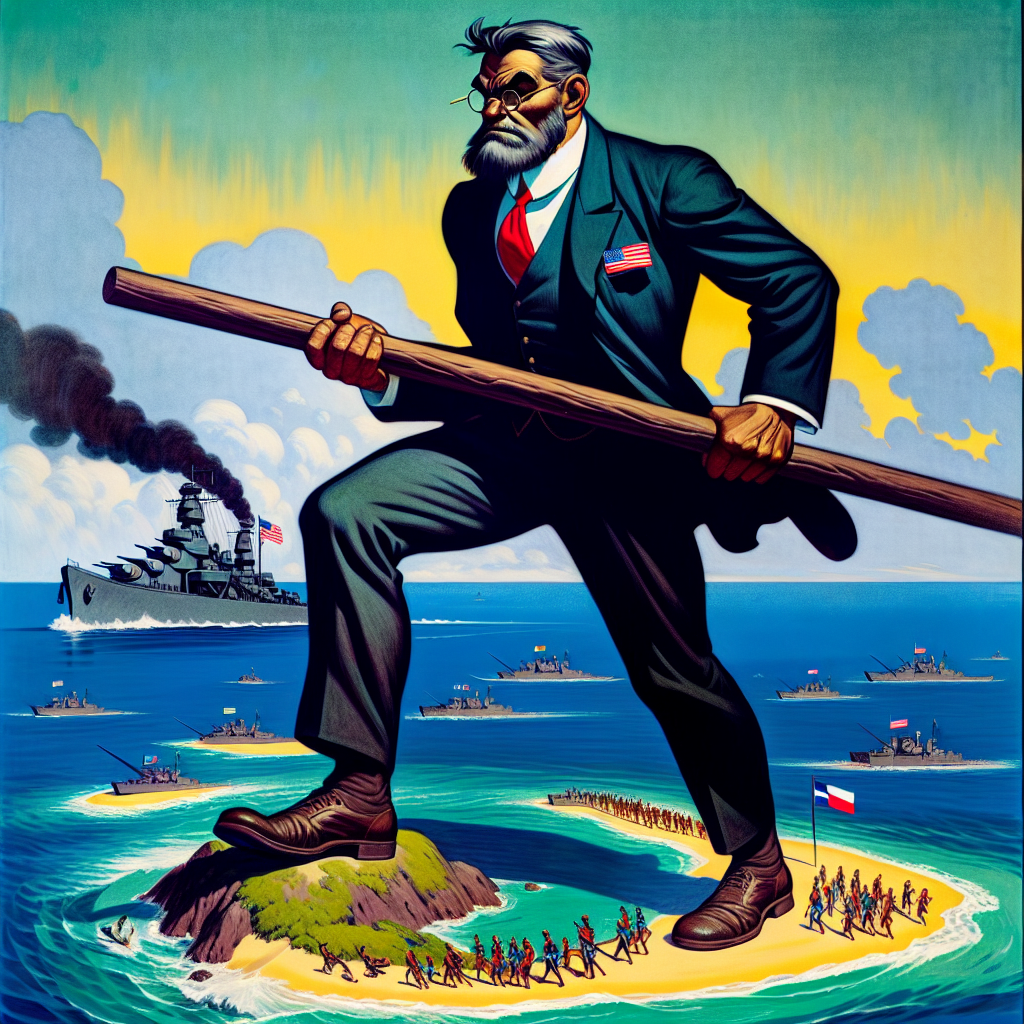
Read in sequence, the doctrines describe an argument the country keeps having with itself. Each answers a specific problem — European powers eyeing the newly independent republics of Latin America, a continent lying open to the west, a China divided among rival empires, a Soviet army sitting in Eastern Europe — and each outlives the problem that produced it. The Monroe Doctrine was a defensive statement in 1823 and a justification for intervention by 1904. The 25 entries below trace that pattern from Washington's neutrality through the war on terror, arranged in the order the arguments arrived.




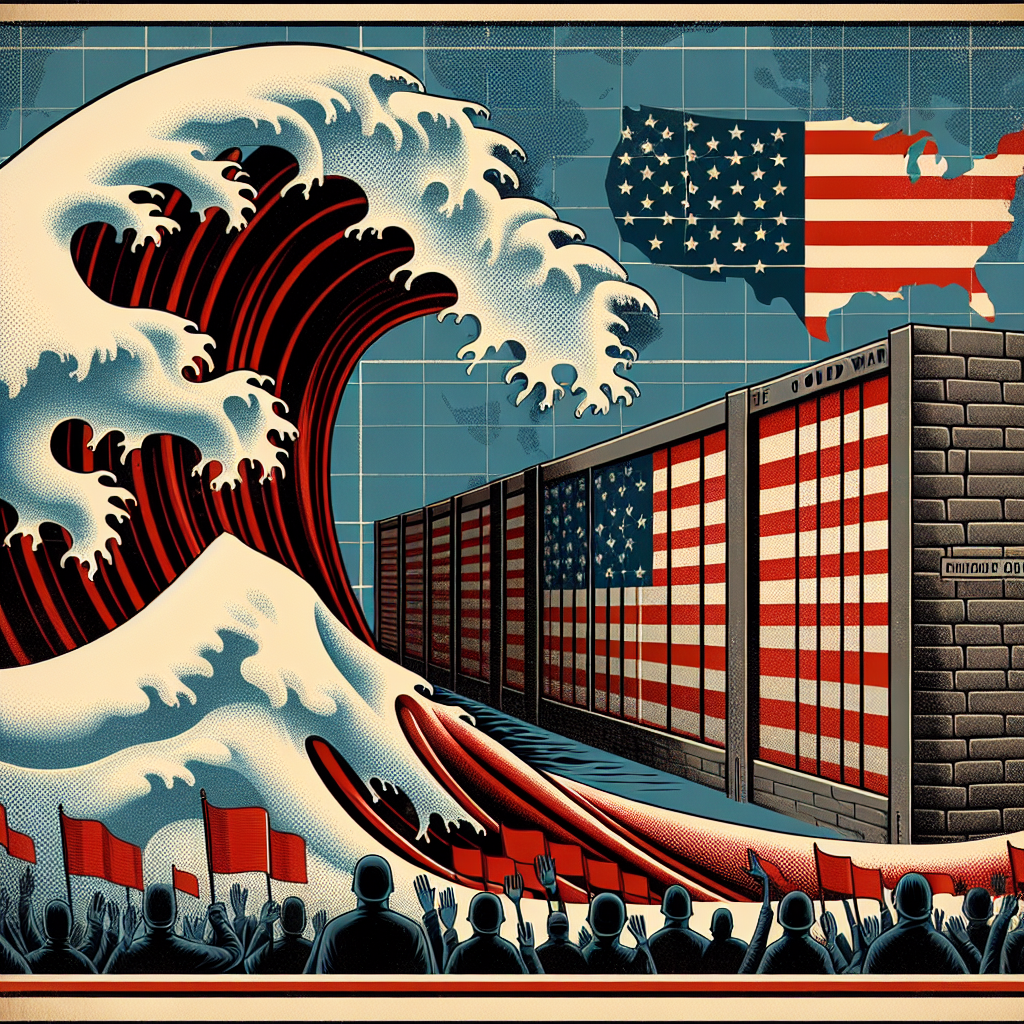
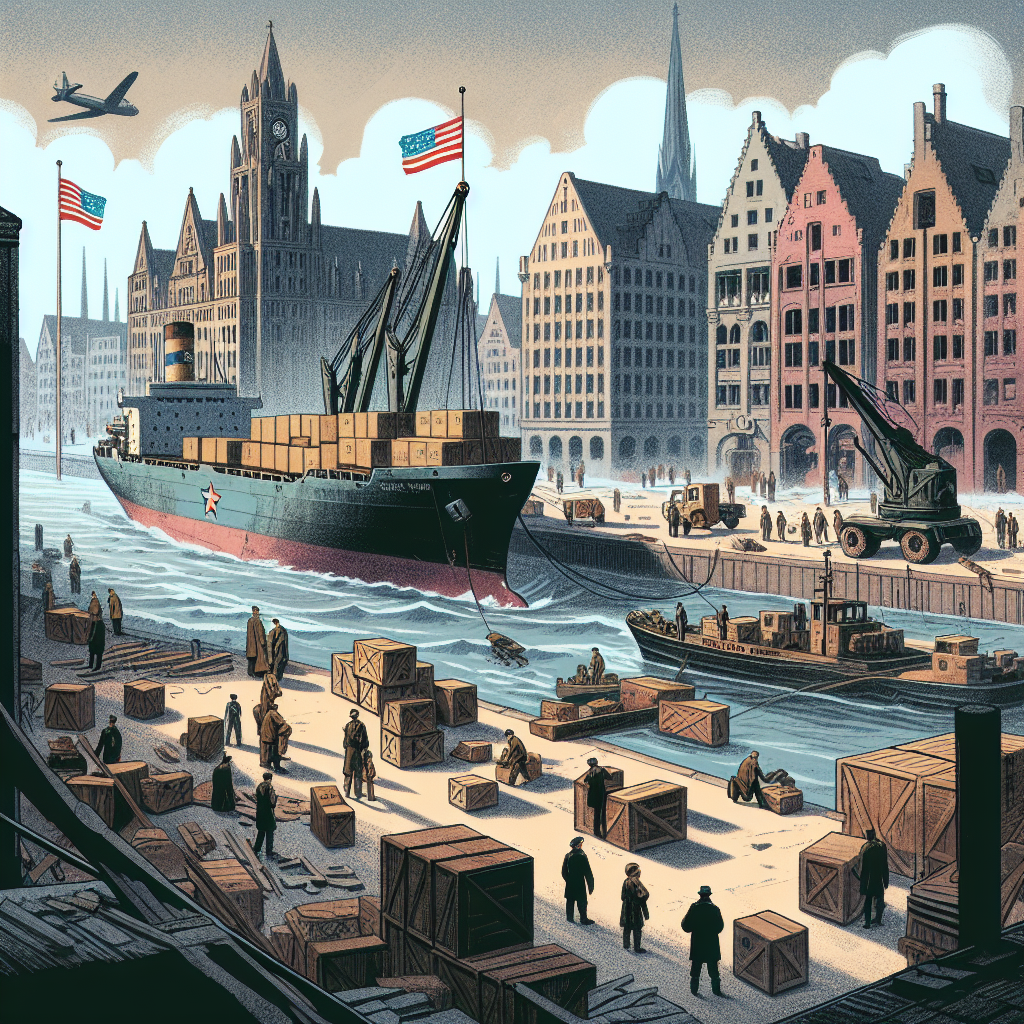

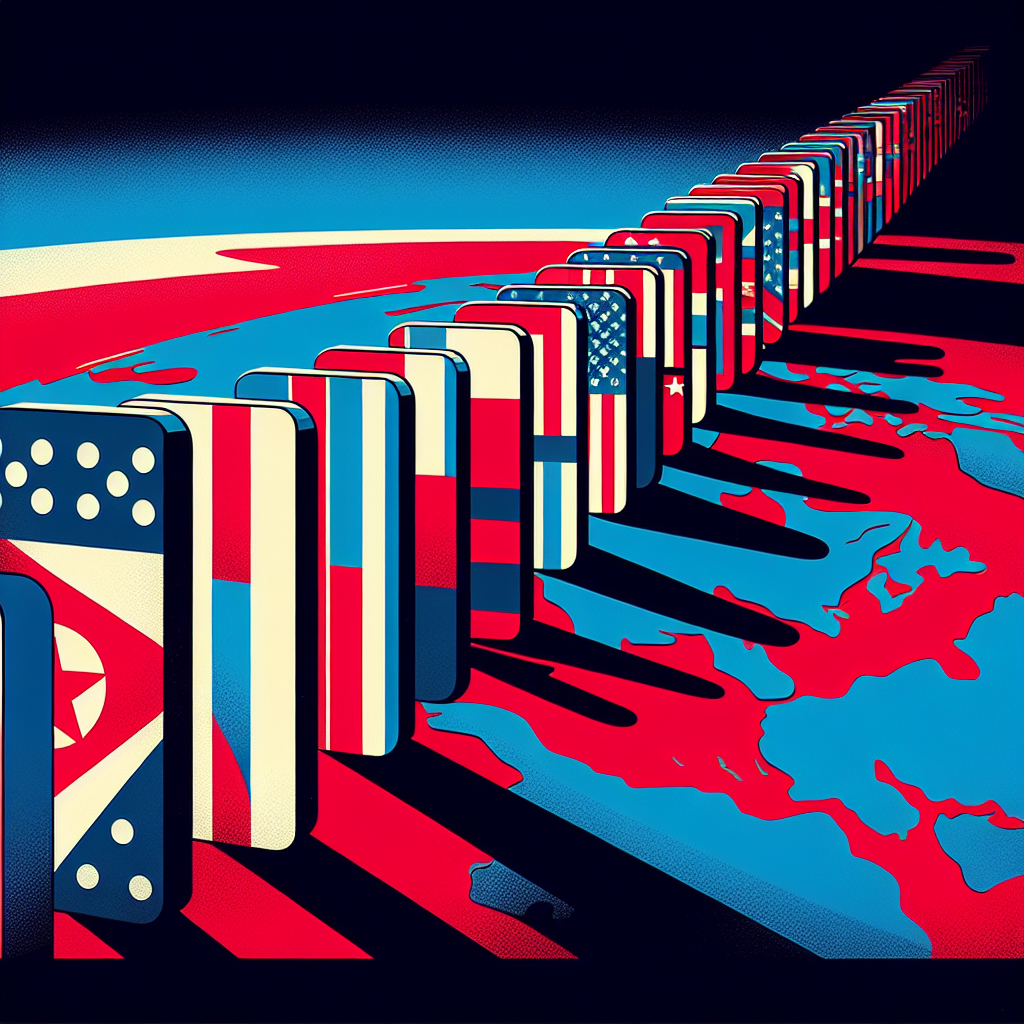


The Cold War doctrines get their fullest treatment in the Cold War guide, and the overseas expansion that produced the Open Door and the Big Stick is followed in American Empire.