The Lend-Lease Act
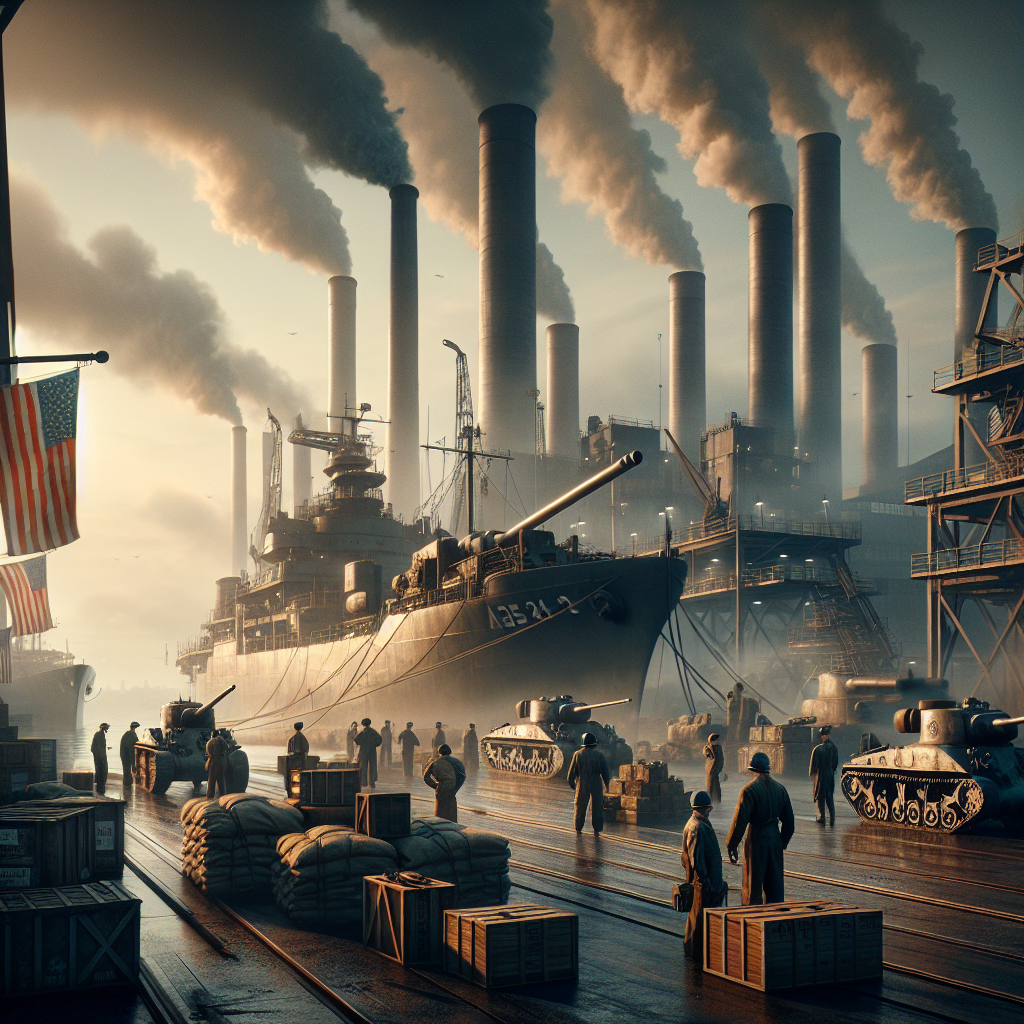
Franklin Roosevelt announced the idea in a fireside chat in December 1940 with a deliberate analogy: if your neighbor's house is on fire, you don't sell him a garden hose — you lend it, and he returns it when the fire is out. Britain was out of money. The Neutrality Acts prohibited loans. The law that would become Lend-Lease was Roosevelt's solution to a contradiction between American self-interest — a Nazi-dominated Europe was an existential threat — and American public opinion, which wanted no part of another European war. He sent the bill to Congress in January 1941 with a title engineered to obscure its implications: "An Act to Promote the Defense of the United States."
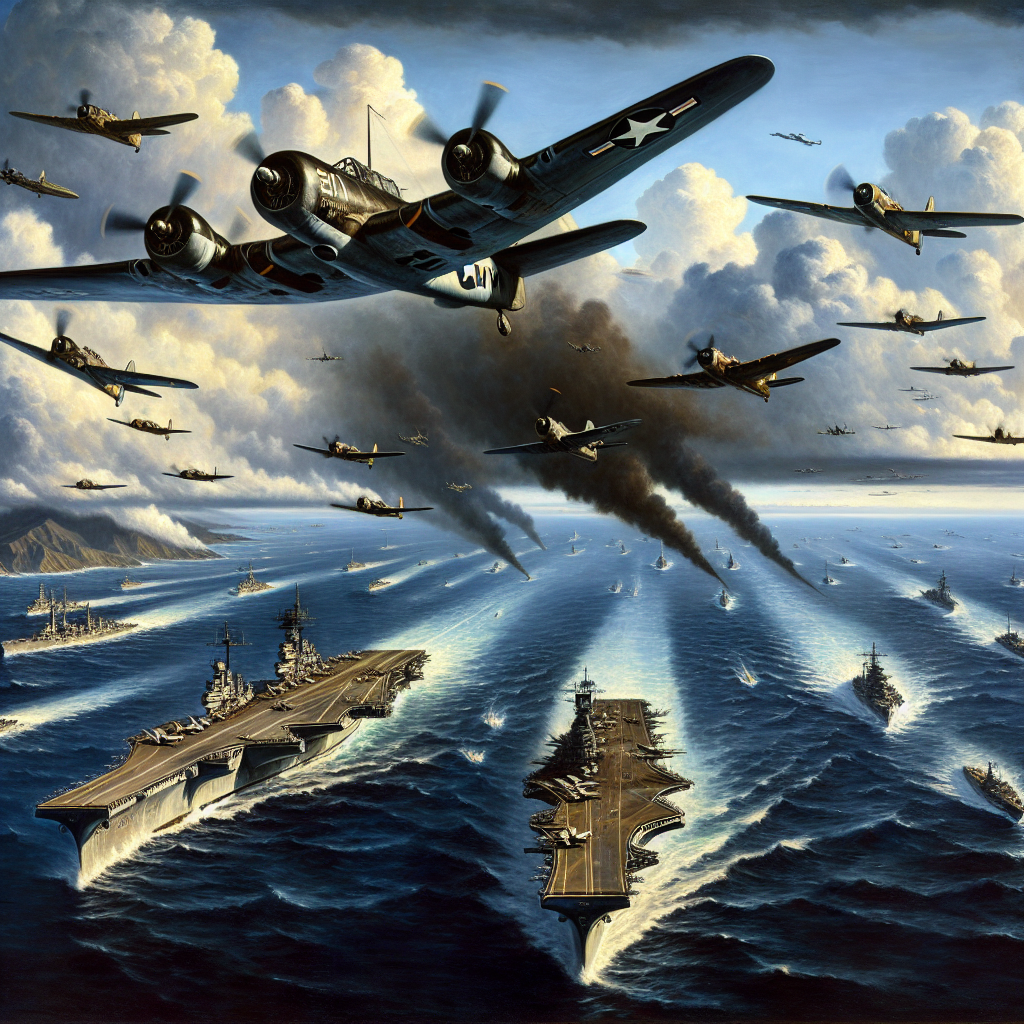
The Lend-Lease Act, signed on March 11, 1941, authorized the president to lend, lease, sell, or transfer war material to any nation whose defense he deemed vital to American security. It was the end of American neutrality in everything but name. Over the course of the war, the United States provided $50 billion in aid — roughly $750 billion in current dollars — to 38 countries. Britain received $31 billion; the Soviet Union $11 billion. The materiel included 800,000 trucks to the Soviets alone, which Red Army officers credited as essential to the operational mobility that cracked the German eastern front open.
The act was bitterly contested. Senator Burton Wheeler of Montana called it "the New Deal's Triple A foreign policy — it will plow under every fourth American boy." Roosevelt publicly called it the most untruthful and dastardly thing said in public life in his generation. The debate consumed two months before passage. The America First movement staged rallies, Charles Lindbergh testified against it, and isolationists in Congress argued that Roosevelt was dragging the country into a war under false pretenses. After Pearl Harbor, the argument became moot — but the supply infrastructure Lend-Lease had already built was running, and it ran for the rest of the war.


| Signed | March 11, 1941 |
| President | Franklin D. Roosevelt |
| Total aid | ~$50 billion to 38 countries |
| Britain received | ~$31 billion |
| Soviet Union received | ~$11 billion |
| Key materiel | Aircraft, tanks, ships, trucks, food, raw materials |
| Principal opposition | America First Committee; Senate isolationists |
| Terminated | August 21, 1945 |
| Date | Signed March 11, 1941 |
| Location | Washington, D.C. |