Military-Industrial Complex
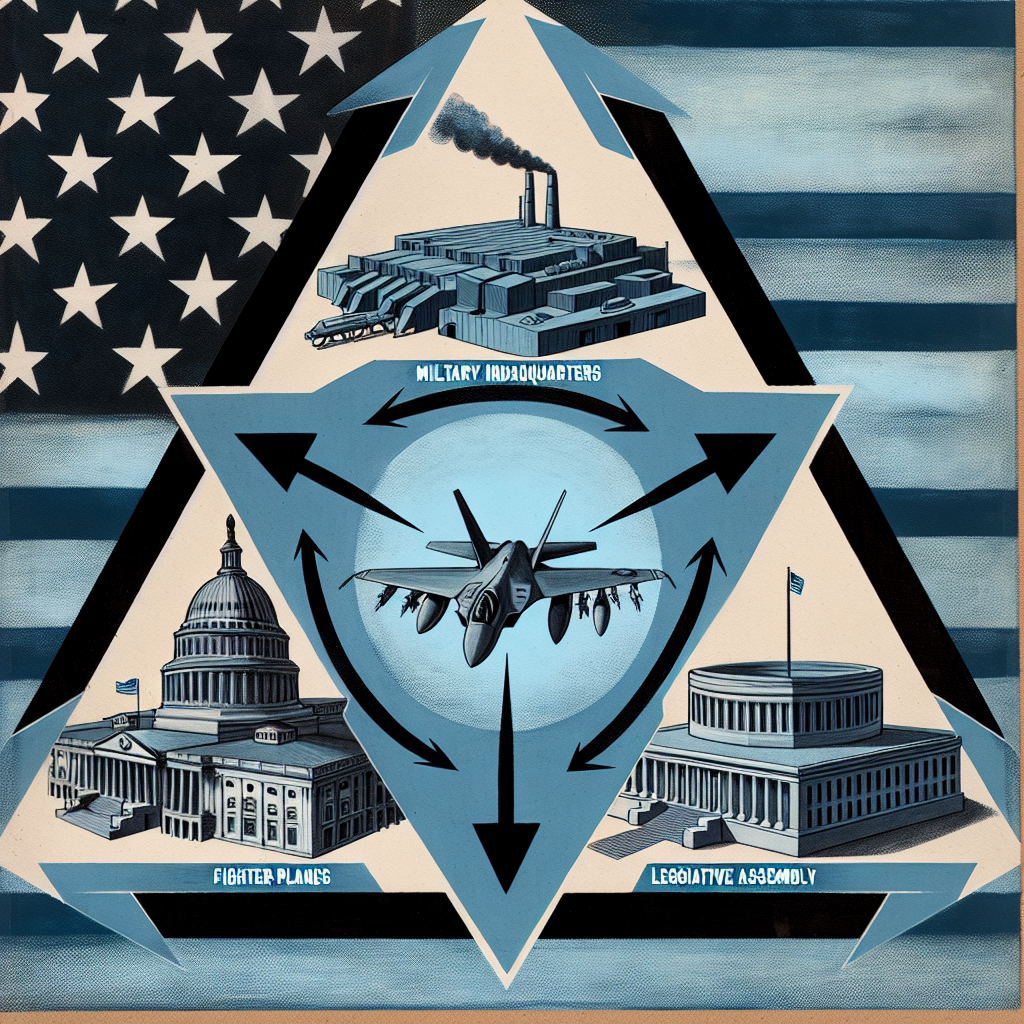
On January 17, 1961, in his farewell address to the nation, President Dwight Eisenhower — a former five-star general and Supreme Commander of Allied Forces in Europe — delivered one of the most consequential warnings in the history of the American presidency. "In the councils of government," he said, "we must guard against the acquisition of unwarranted influence, whether sought or unsought, by the military-industrial complex. The potential for the disastrous rise of misplaced power exists and will persist." It was a remarkable statement: the most credentialed military figure in American political life alerting the public that the entanglement of the defense industry, the military establishment, and Congress posed a structural threat to democratic governance.
Eisenhower had watched the phenomenon take shape during his own presidency. The Cold War had created a permanent wartime economy — a departure from all American historical precedent, in which large standing armies and massive defense industries had previously been demobilized between conflicts. Defense contractors had built dense relationships with the military officers who managed their contracts and the members of Congress in whose districts their plants operated, creating a triangle of institutional interest that made cutting defense spending politically difficult regardless of strategic necessity. By 1961, defense consumed roughly 50 percent of the federal budget. The speech's original draft had included "congressional" in the phrase; the word was removed before delivery.
The phrase entered the permanent vocabulary of American political argument and has been applied to every subsequent controversy over defense spending, weapons procurement, and the revolving door between the Pentagon and the defense industry. The institutions Eisenhower described have grown substantially since 1961: the defense budget, the number of prime contractors, the geographic distribution of defense spending across congressional districts, and the flow of retired military officers into industry positions have all expanded in ways that have made the dynamic he identified harder to challenge structurally. The warning is among the most quoted in American political history — and among the least acted upon.

| Coined By | President Dwight D. Eisenhower, farewell address, January 17, 1961 |
| Original Draft | Initially "military-industrial-congressional complex" — "congressional" removed before delivery |
| Context | Post-WWII permanent defense establishment; Cold War arms race |
| 1961 Defense Share | Approx. 50% of the federal budget |
| Core Mechanism | Contractors, military officers, and members of Congress form a self-reinforcing interest triangle |
| Revolving Door | Retired military officers moving into defense industry positions — a persistent structural feature |
| Legacy | Standard term for defense-government entanglement in every subsequent arms spending debate |
| Date | January 17, 1961 |
| Location | Washington, D.C. |