Treaty of Versailles
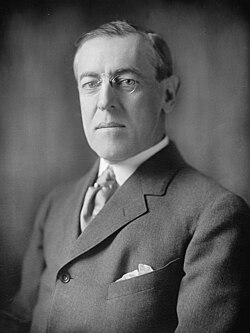
Woodrow Wilson arrived at the Paris Peace Conference in January 1919 as the most celebrated leader in the world, carrying his Fourteen Points — a blueprint for a just and lasting peace built on self-determination, open diplomacy, and a League of Nations to resolve future disputes without war. He left six months later with a treaty that embodied almost none of it. The Treaty of Versailles, signed June 28, 1919, imposed on Germany a war guilt clause, $33 billion in reparations, the loss of 13 percent of its territory and 10 percent of its population, and severe military restrictions. Britain and France, having bled for four years, demanded punishment. Wilson got his League — and lost it at home.
The Senate rejected the treaty twice, in November 1919 and March 1920, refusing to ratify American membership in the League of Nations. The objections were partly about sovereignty — Henry Cabot Lodge and the Republican majority feared the League's collective security commitments would draw the United States into future wars without congressional consent — and partly about Wilson himself, whose refusal to compromise on the treaty's language after a stroke left him incapacitated made negotiation impossible. The United States signed a separate peace with Germany in 1921 and retreated into the isolationism that would define its foreign policy for the next two decades.
The economic historian John Maynard Keynes, who attended the conference as a British Treasury adviser, published The Economic Consequences of the Peace in 1919, arguing that the reparations burden would destabilize Germany and produce a new war within a generation. He was right by approximately 20 years. The humiliation of Versailles became the central grievance of German nationalist politics throughout the 1920s, the fuel on which Adolf Hitler's rise ran. Whether a more lenient peace would have prevented the Second World War is one of the great counterfactuals of modern history.
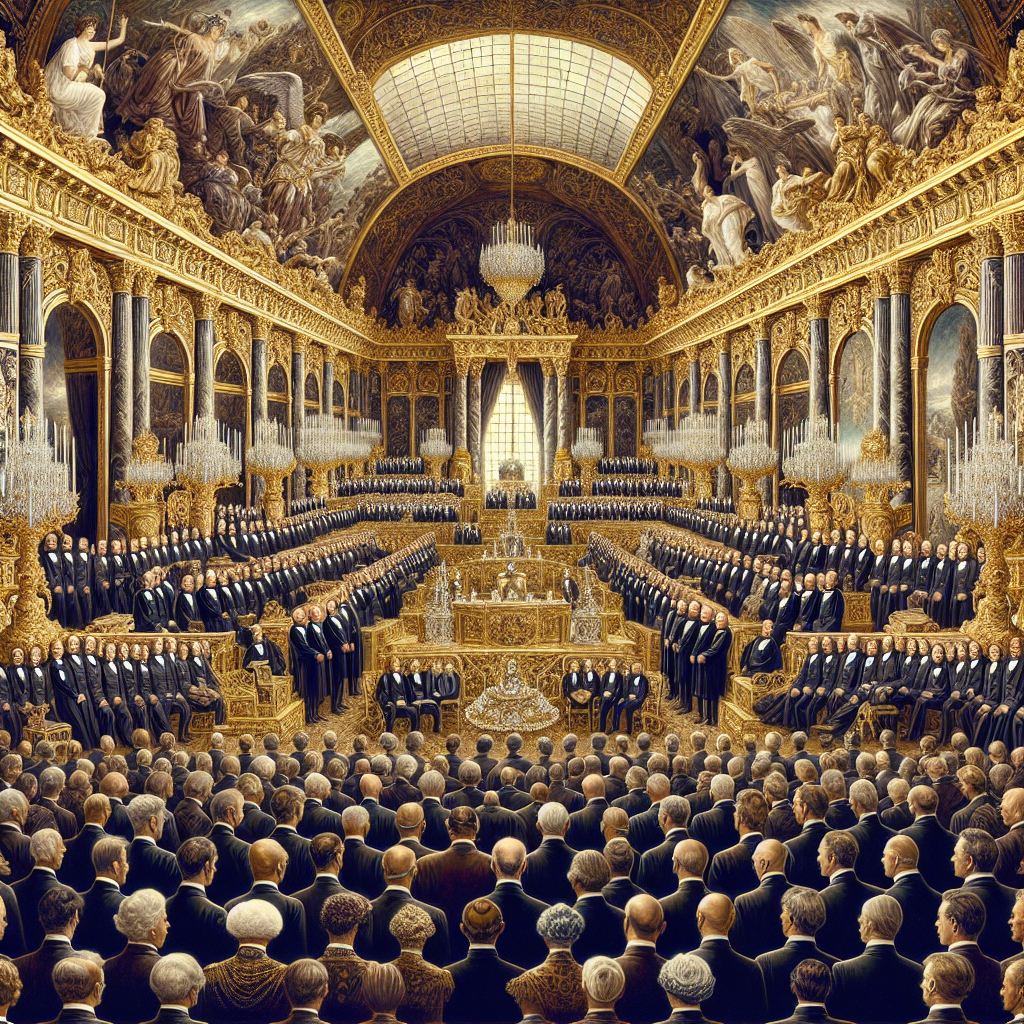
| Signed | June 28, 1919 — Hall of Mirrors, Versailles, France |
| War guilt clause | Article 231 — Germany accepted full responsibility for the war |
| Reparations | $33 billion imposed on Germany |
| U.S. Senate | Rejected treaty twice — November 1919 and March 1920 |
| Key opponent | Senator Henry Cabot Lodge — led opposition to League of Nations |
| U.S. response | Separate peace with Germany signed 1921; isolationism followed |
| Legacy | German resentment fueled Nazi rise; conditions for WWII |
| Date | Signed June 28, 1919 |
| Location | Versailles, France |