Isolationism
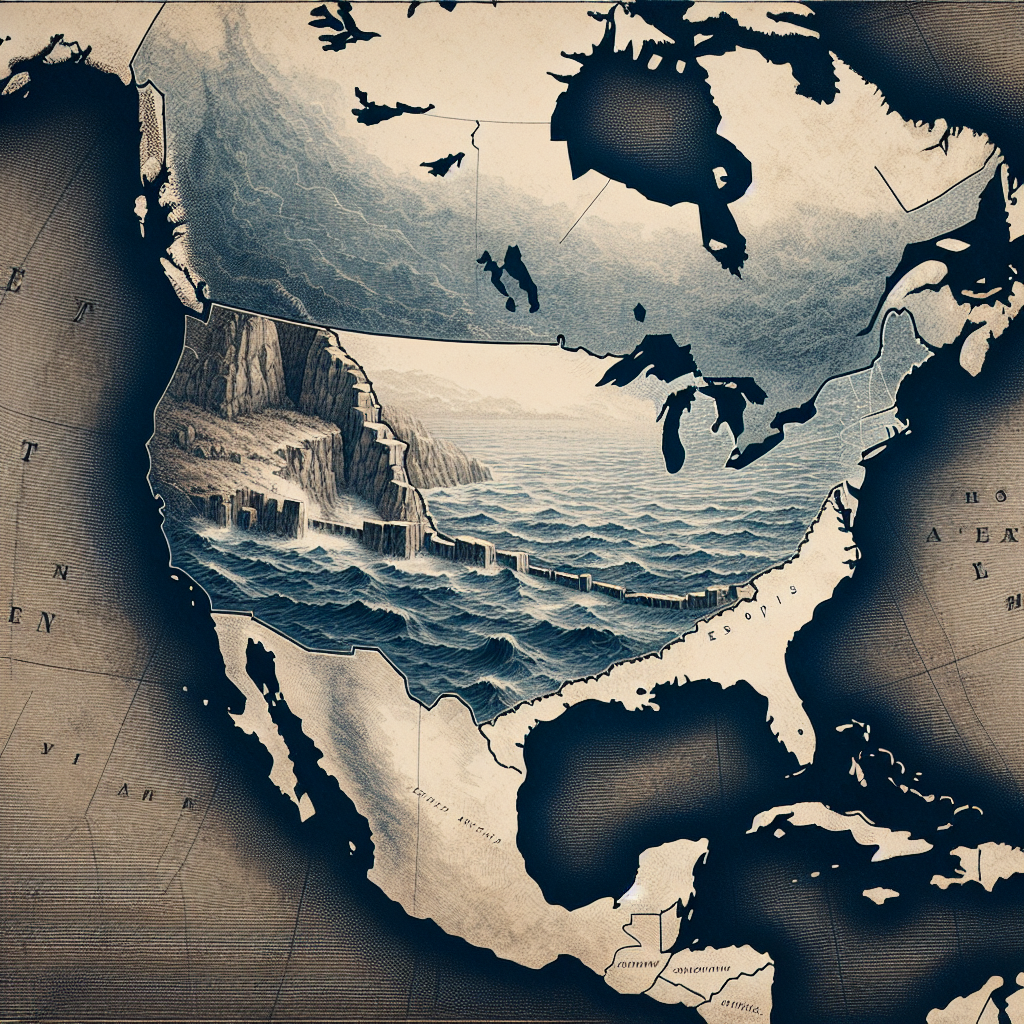
American isolationism is often traced to Washington's Farewell Address of 1796, in which the first president warned against "permanent alliances" with foreign nations — advice that became something close to sacred political text for the following century. The instinct was not cowardice or indifference but a coherent strategic argument: that the United States, protected by oceans and lacking Europe's web of dynastic obligations, could avoid the wars that had bled the old world for centuries by simply refusing to participate in them. For most of the 19th century, that argument was correct. America was growing, and the wars it fought were continental rather than global.
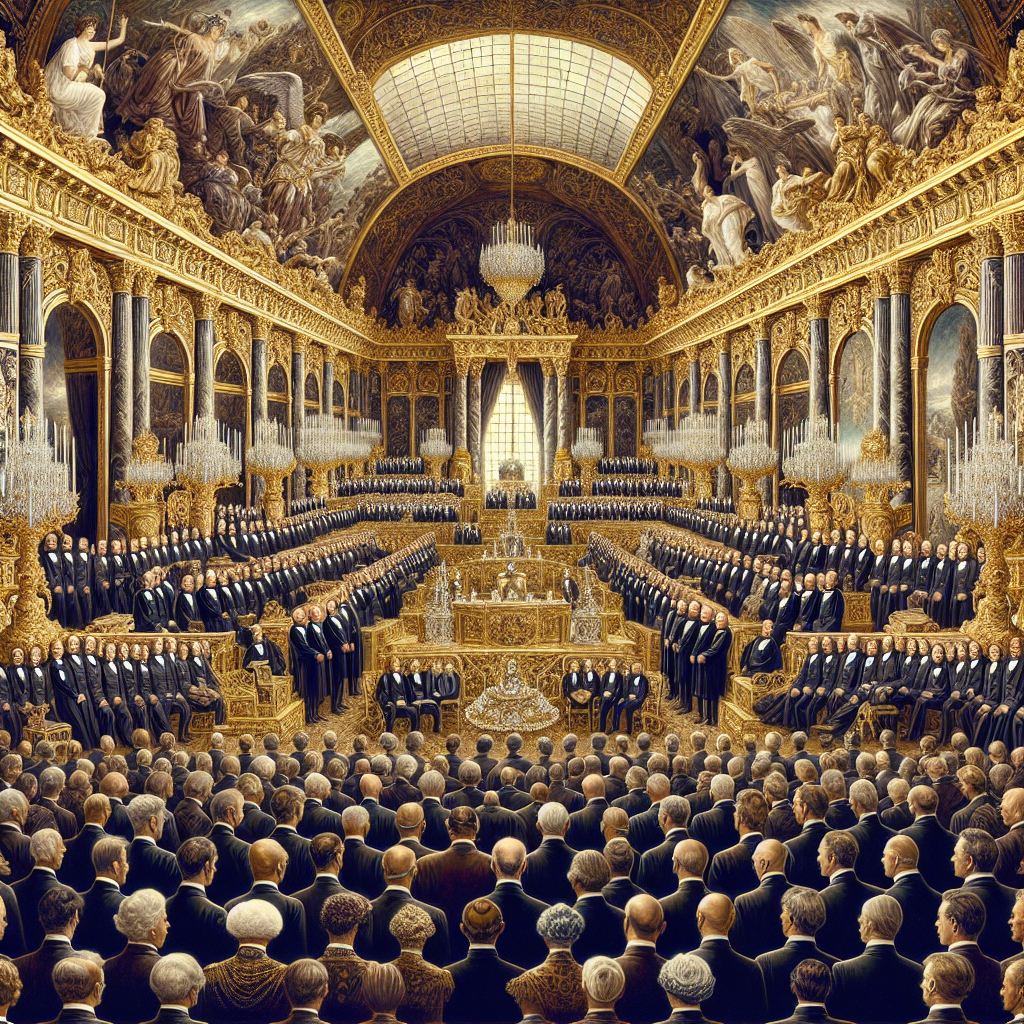
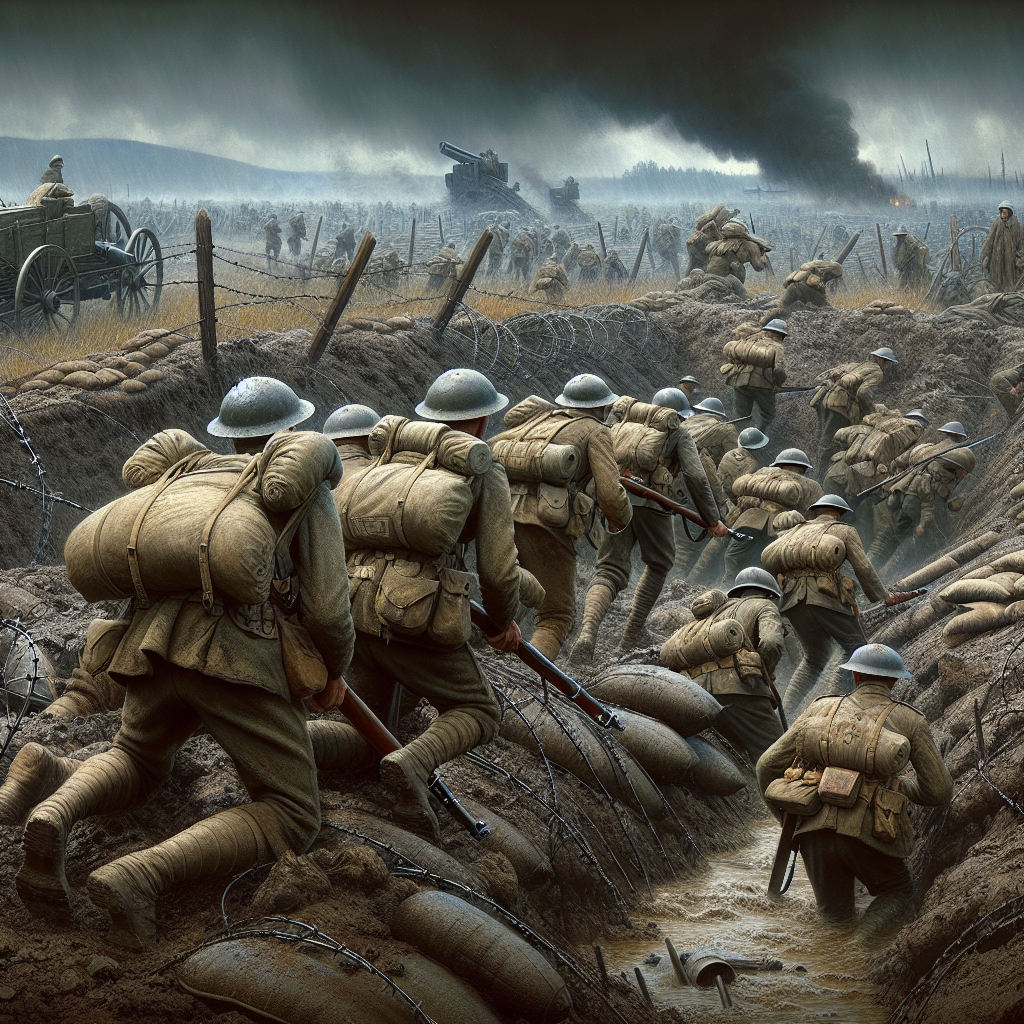
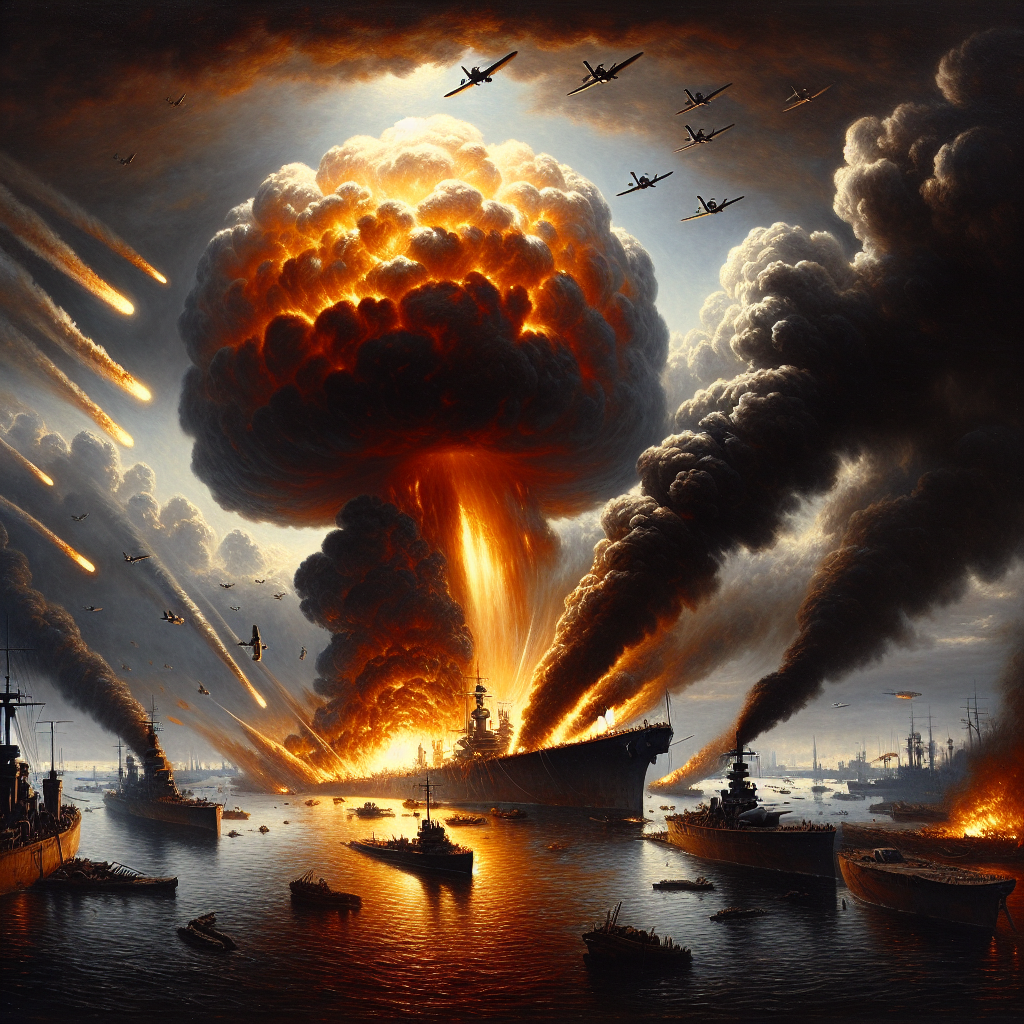
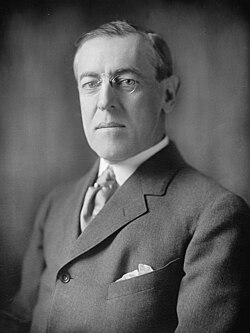
The doctrine's first serious test came in 1917, when Woodrow Wilson took the United States into World War I — overcoming an isolationist public opinion so strong that Wilson had run for reelection in 1916 partly on the slogan "He kept us out of war." The war's catastrophic human cost, and the failure of the Versailles settlement to produce the peace Wilson had promised, produced a powerful reaction in the 1920s and 1930s. The Senate refused to ratify the Treaty of Versailles or join the League of Nations. The America First movement of 1940–1941, led by figures including Charles Lindbergh, argued strenuously against entering the European conflict — until December 7, 1941, when Japan's attack on Pearl Harbor rendered the argument moot.
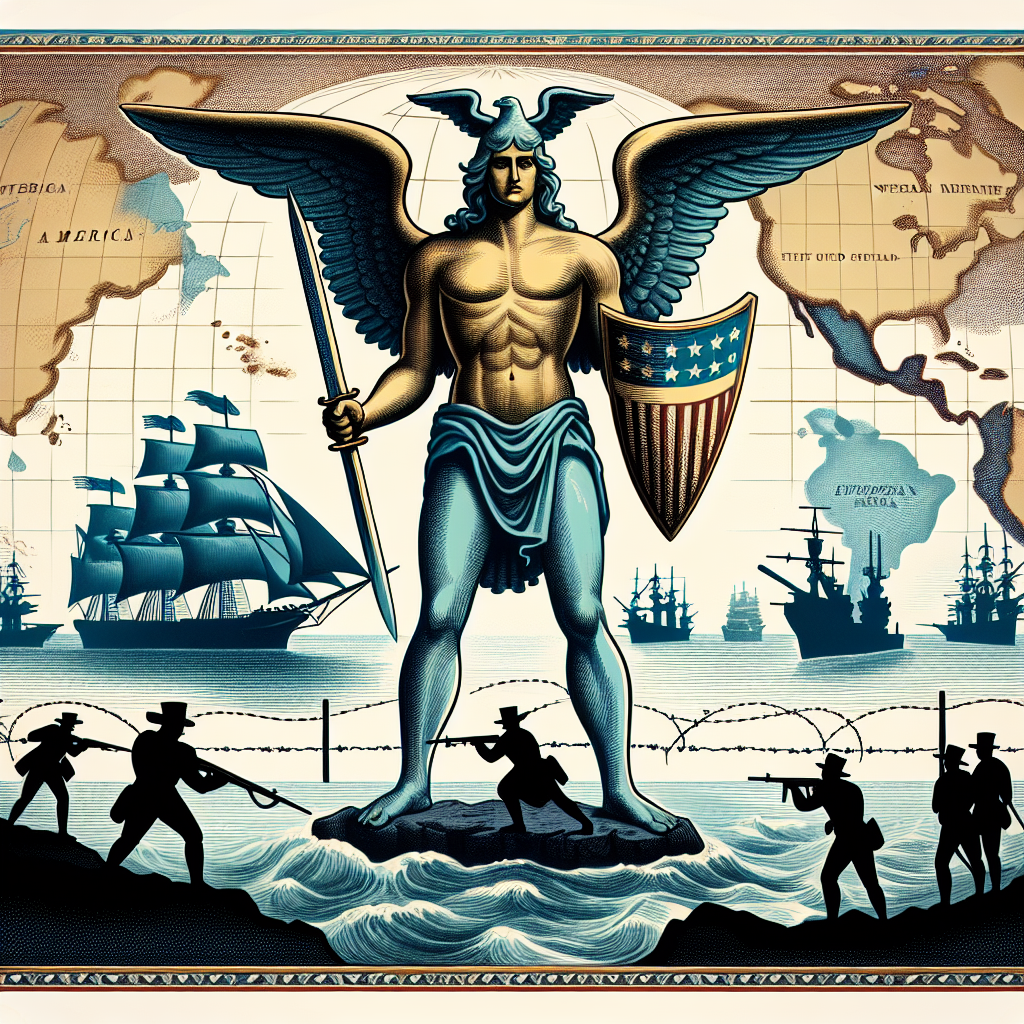
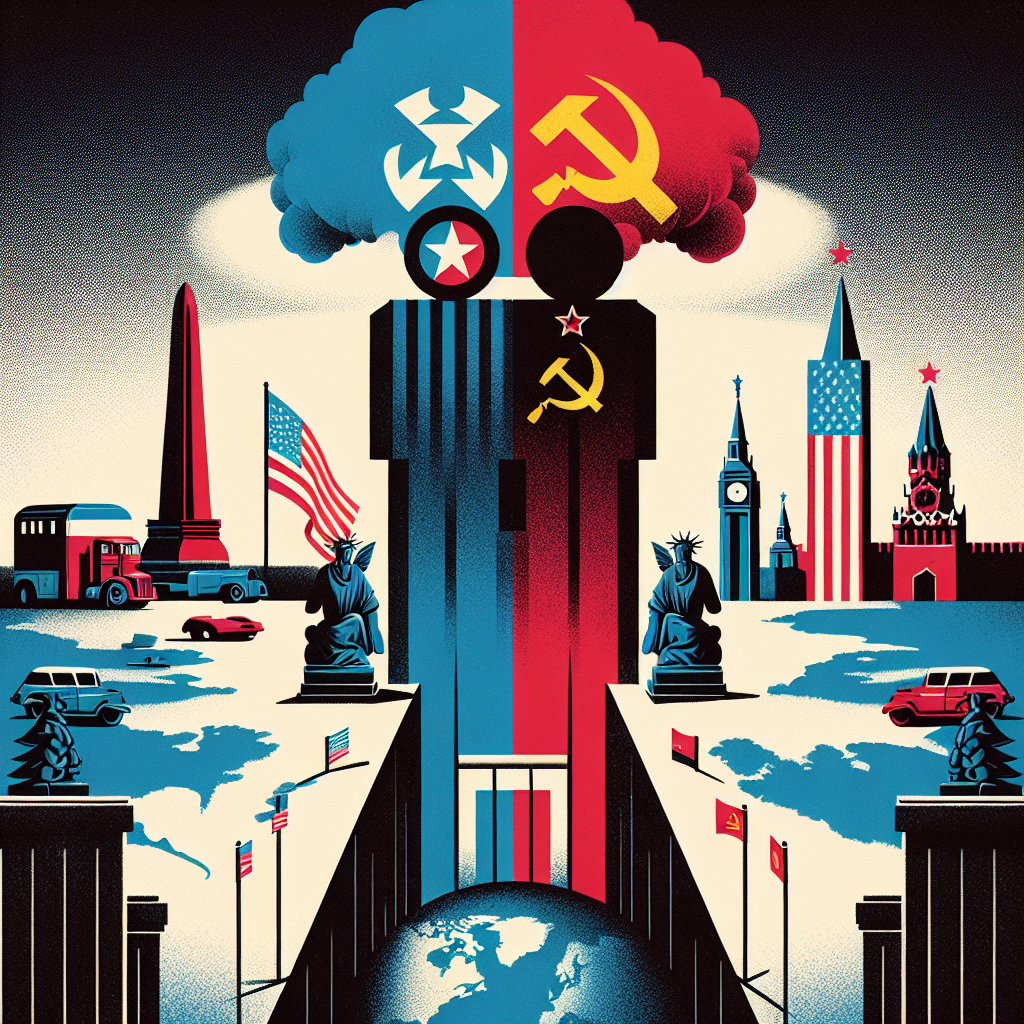
After World War II, American isolationism as a governing doctrine effectively ended. The United States joined the United Nations, signed the NATO treaty, stationed troops permanently in Europe and Asia, and built the most extensive network of foreign military commitments in world history — the precise opposite of Washington's advice. The word "isolationism" survived mainly as a political pejorative, used to dismiss any argument for restraint in foreign commitments. The underlying instinct — skepticism about the costs and wisdom of permanent global military entanglement — never disappeared. It simply lost the language to express itself without being accused of wanting to repeat 1939.

| Foundational Text | Washington's Farewell Address (1796) |
| 19th Century Policy | Monroe Doctrine (1823); avoidance of European wars |
| First Major Break | U.S. entry into World War I, April 6, 1917 |
| Interwar Peak | Senate rejected Treaty of Versailles; refused League of Nations |
| America First | 1940–1941 — principal organized isolationist movement before Pearl Harbor |
| End of Doctrine | Pearl Harbor (December 1941); NATO membership (1949) |
| Years | 1796–1941 |
| Location | United States |