Marshall Plan
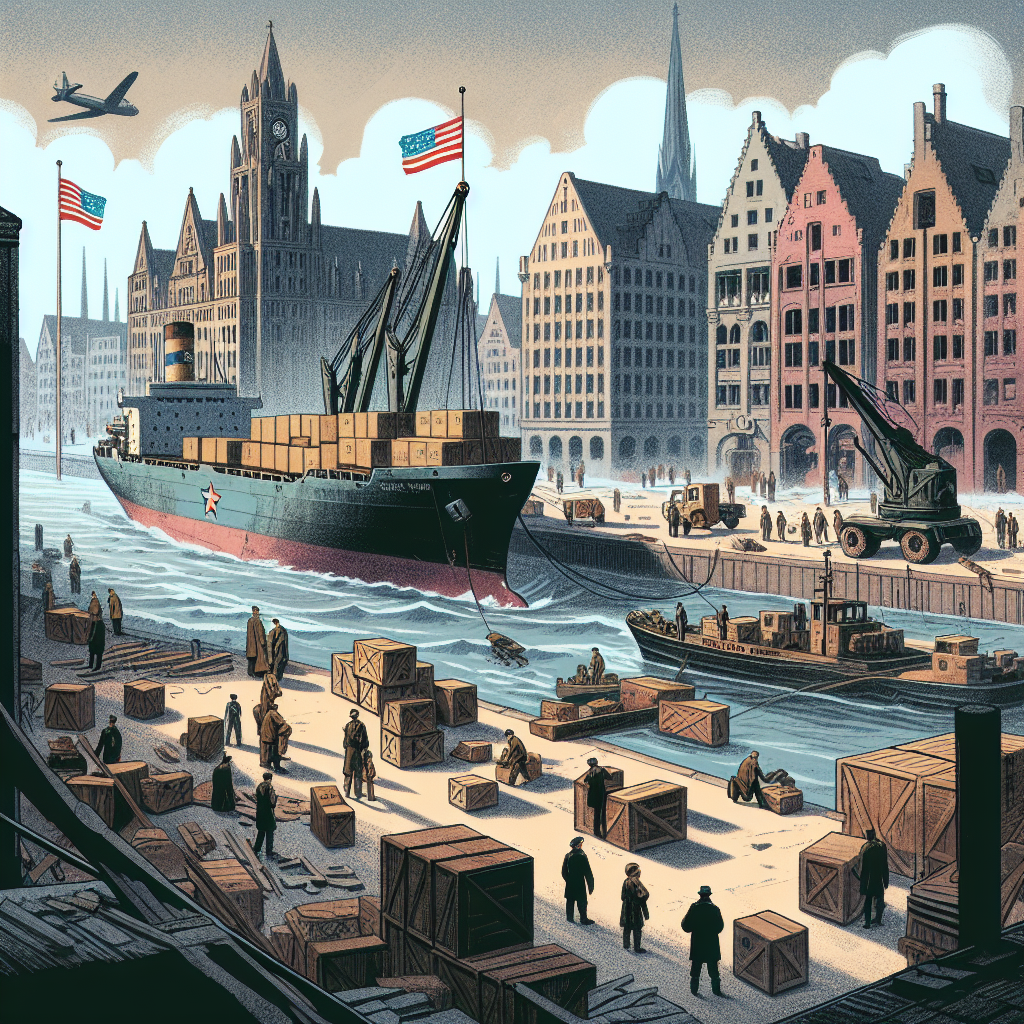
In June 1947, Secretary of State George Marshall delivered a commencement address at Harvard University that contained, embedded in its careful diplomatic prose, one of the most consequential foreign policy proposals in American history. Europe lay in ruins — cities bombed flat, industries shattered, millions facing starvation — and Marshall argued that the United States had an obligation and an interest in financing its recovery. Over the next four years, the European Recovery Program — known everywhere as the Marshall Plan — transferred $13 billion (roughly $160 billion today) to 16 Western European nations.
The plan was explicitly offered to Eastern Europe and the Soviet Union as well. Stalin refused it for the USSR and pressured satellite states to do the same — a decision that hardened the Iron Curtain and, in the view of many historians, definitively established two Europes. The Americans understood this dynamic; the offer was partly designed as a test. The political genius of Marshall's proposal was that it tied reconstruction aid to economic cooperation among the recipient nations, inadvertently laying the institutional groundwork for what would eventually become the European Union.
By the time the plan ended in 1952, Western Europe's industrial output had surpassed pre-war levels. West Germany, the former enemy, had been transformed from an occupied ruin into a functioning democracy with a growing economy — a reversal of the punitive Versailles approach that had destabilized Europe after World War I. Marshall received the Nobel Peace Prize in 1953, the only career military officer ever to do so. The plan became the template for American foreign aid for decades.
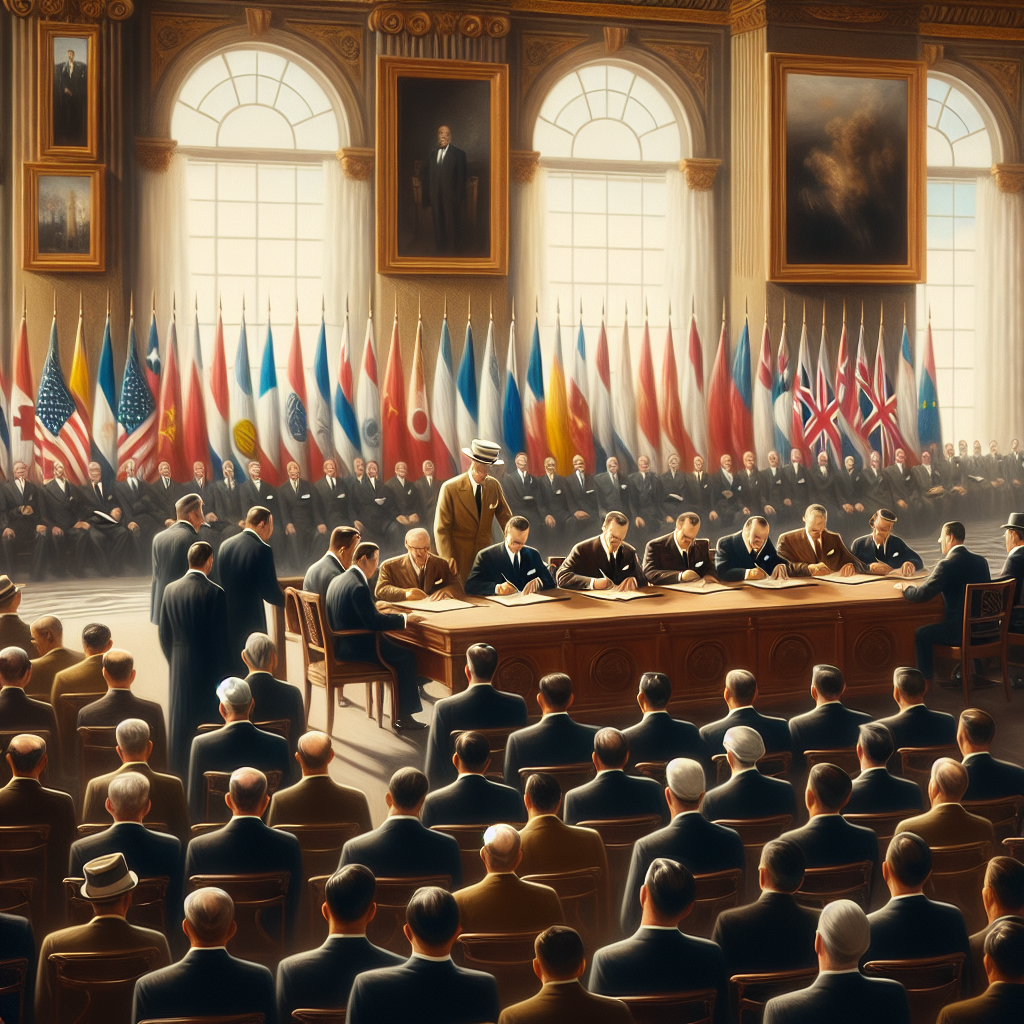
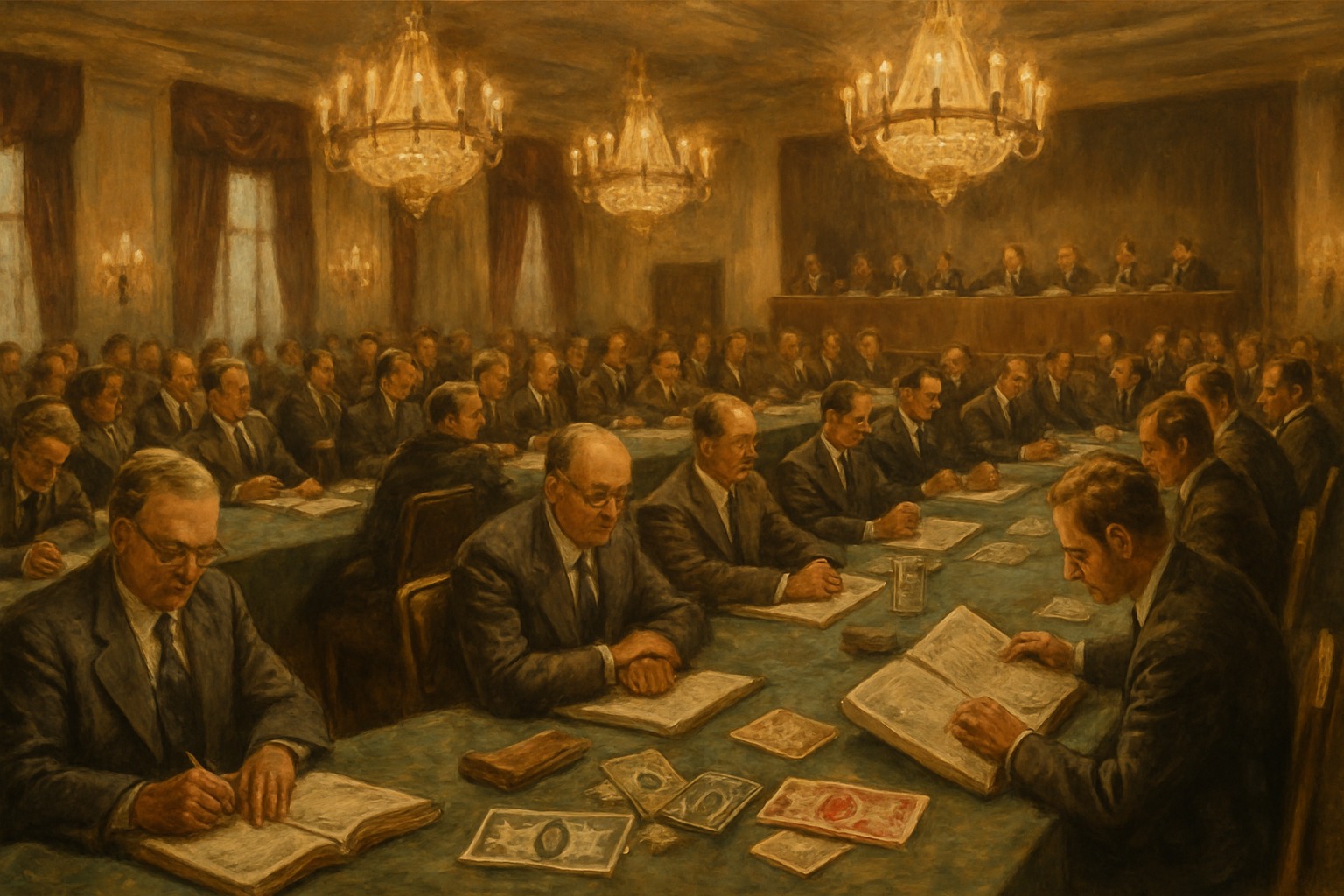
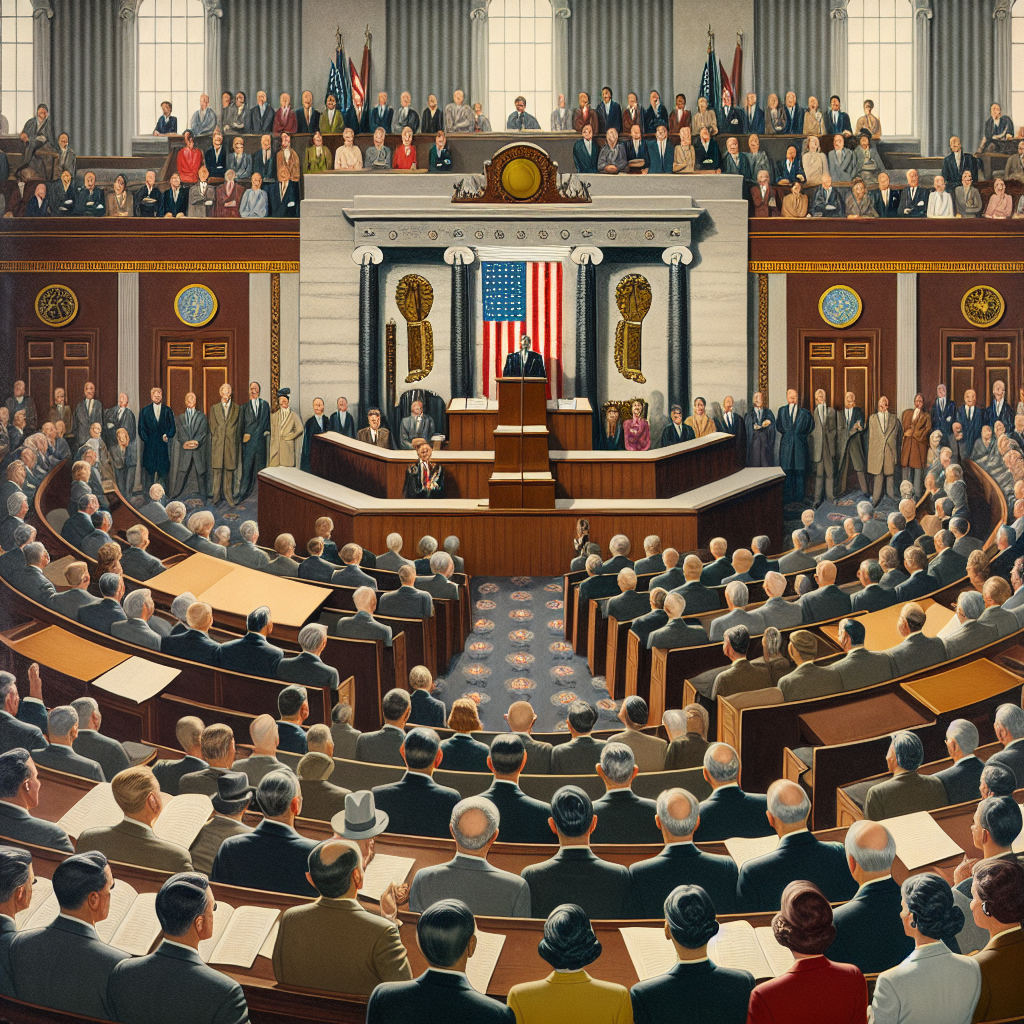

| Enacted | April 3, 1948 (signed by President Truman) |
| Duration | 1948–1952 |
| Total Aid | ~$13 billion (~$160+ billion today) |
| Recipients | 16 Western European nations |
| Named For | Secretary of State George C. Marshall |
| Nobel Prize | Marshall awarded Nobel Peace Prize, 1953 |
| Date | April 3, 1948 |
| Location | Washington, D.C. |