War on Terror
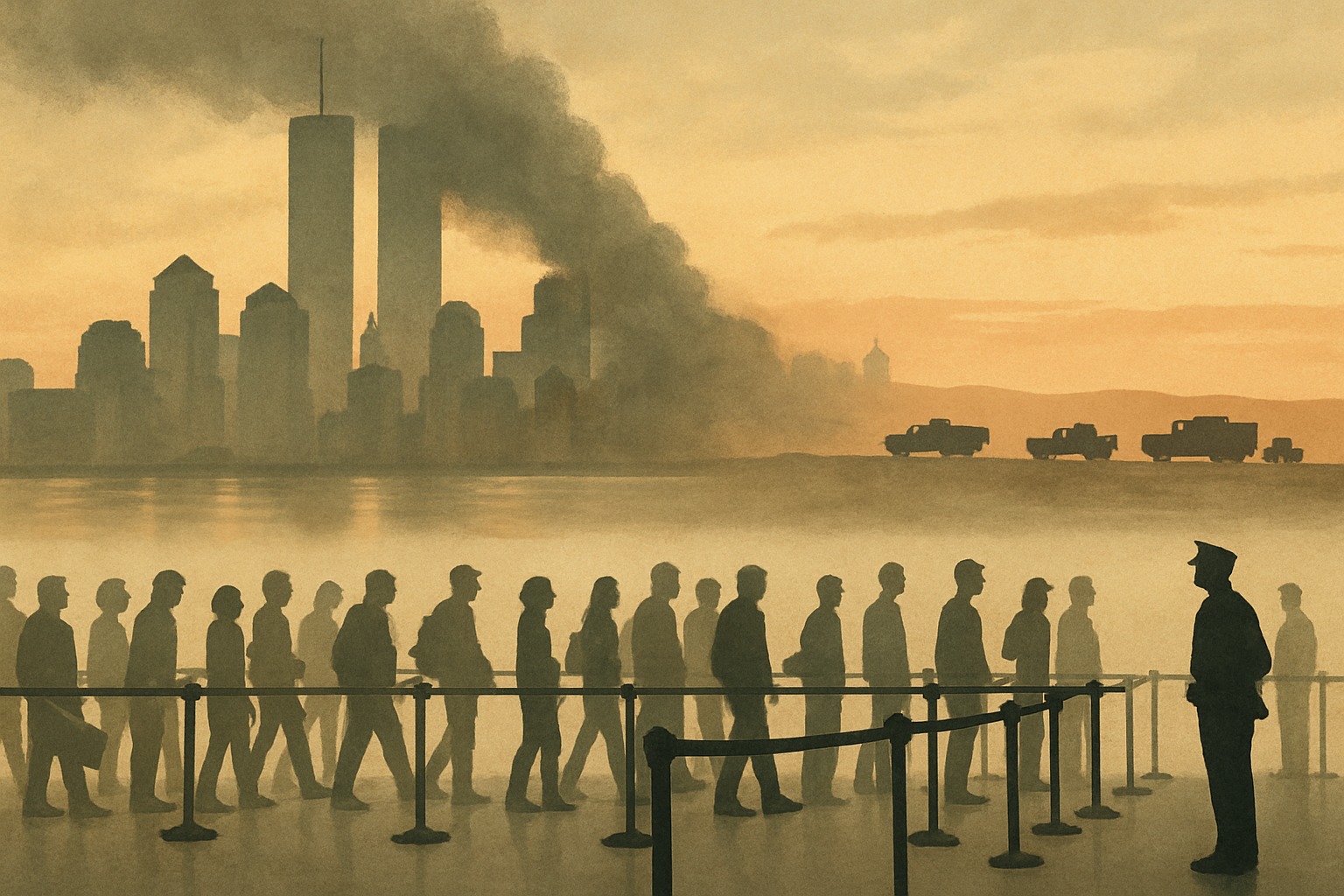
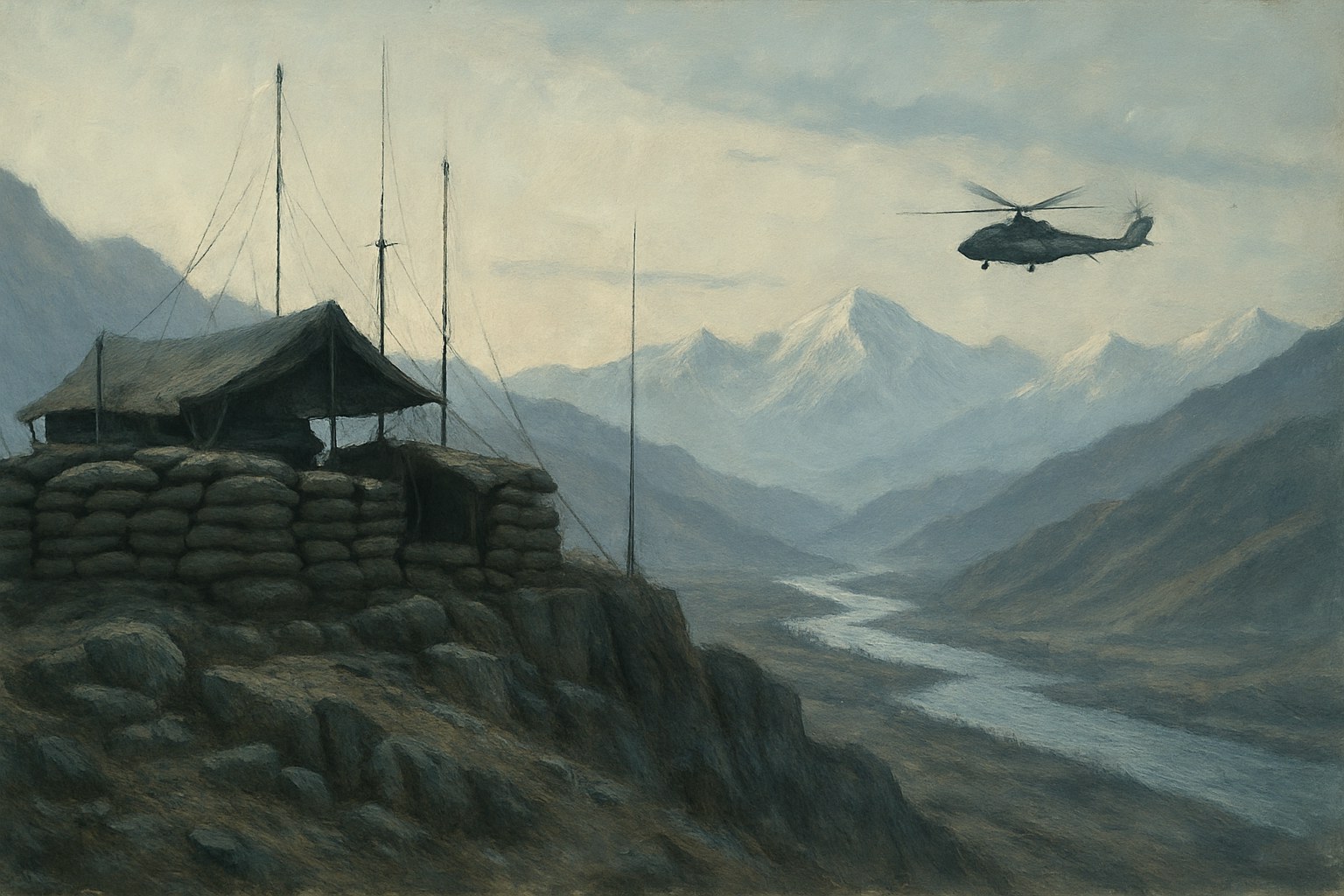
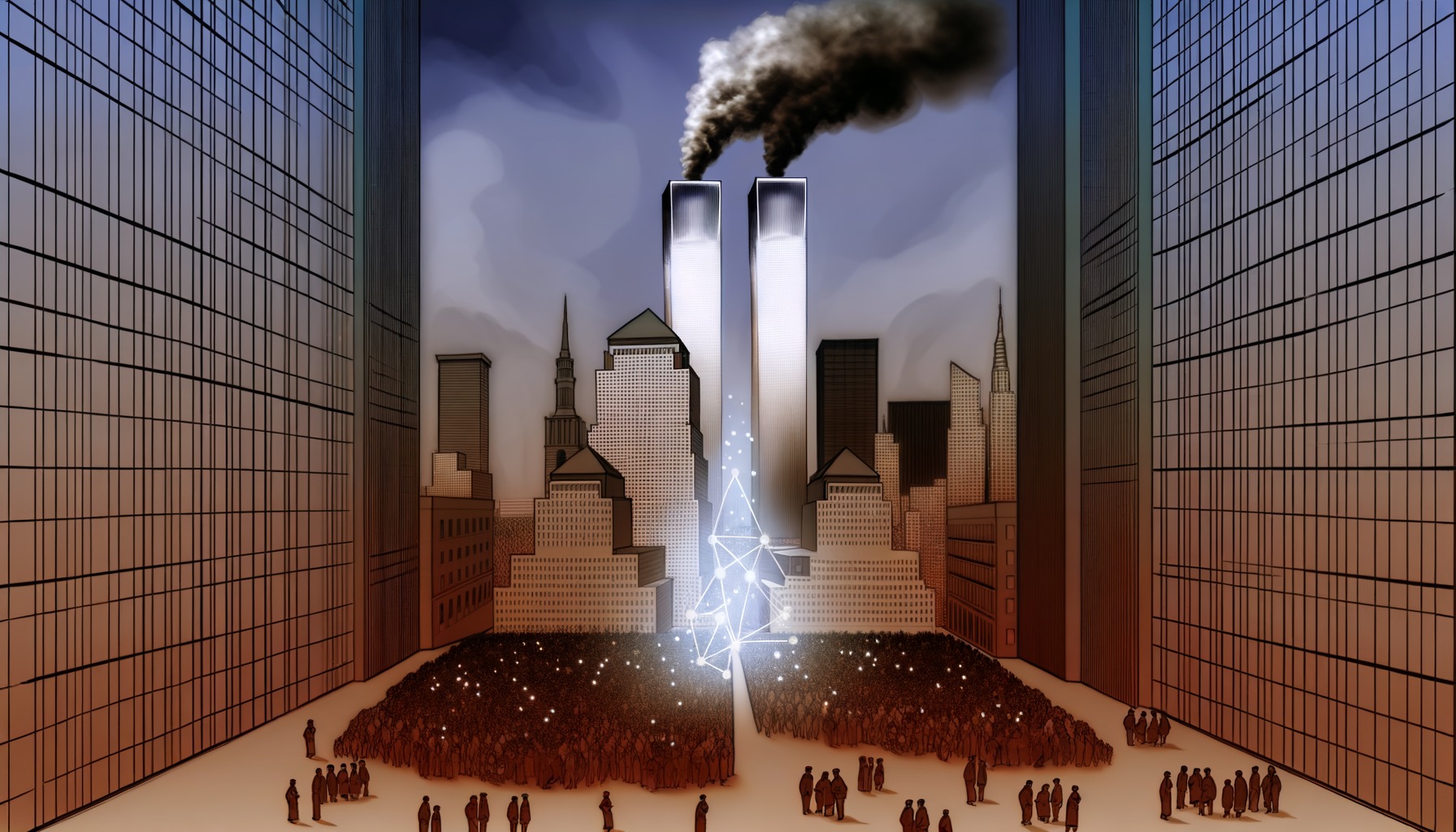
On the morning of September 11, 2001, nineteen hijackers flew passenger aircraft into the World Trade Center and the Pentagon, killing nearly 3,000 people in the deadliest foreign attack on American soil. Within weeks President George W. Bush declared a global "war on terror" — not a war against a state, but an open-ended campaign against the al-Qaeda network and the governments that sheltered it. Congress passed the Authorization for Use of Military Force on September 14, granting the executive sweeping latitude that would underwrite military operations for the next twenty years. In October, U.S. and allied forces invaded Afghanistan and toppled the Taliban regime that had harbored al-Qaeda.
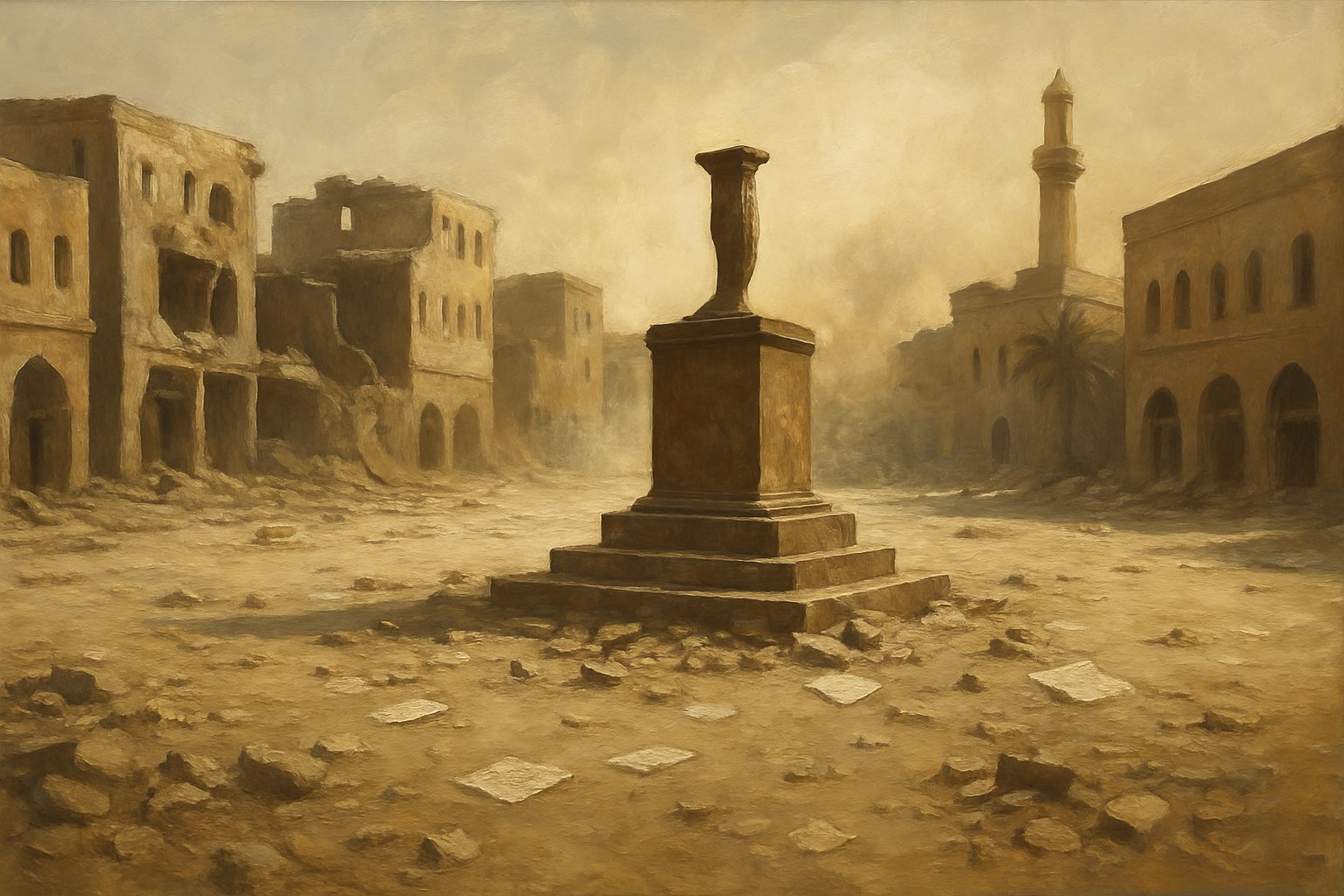
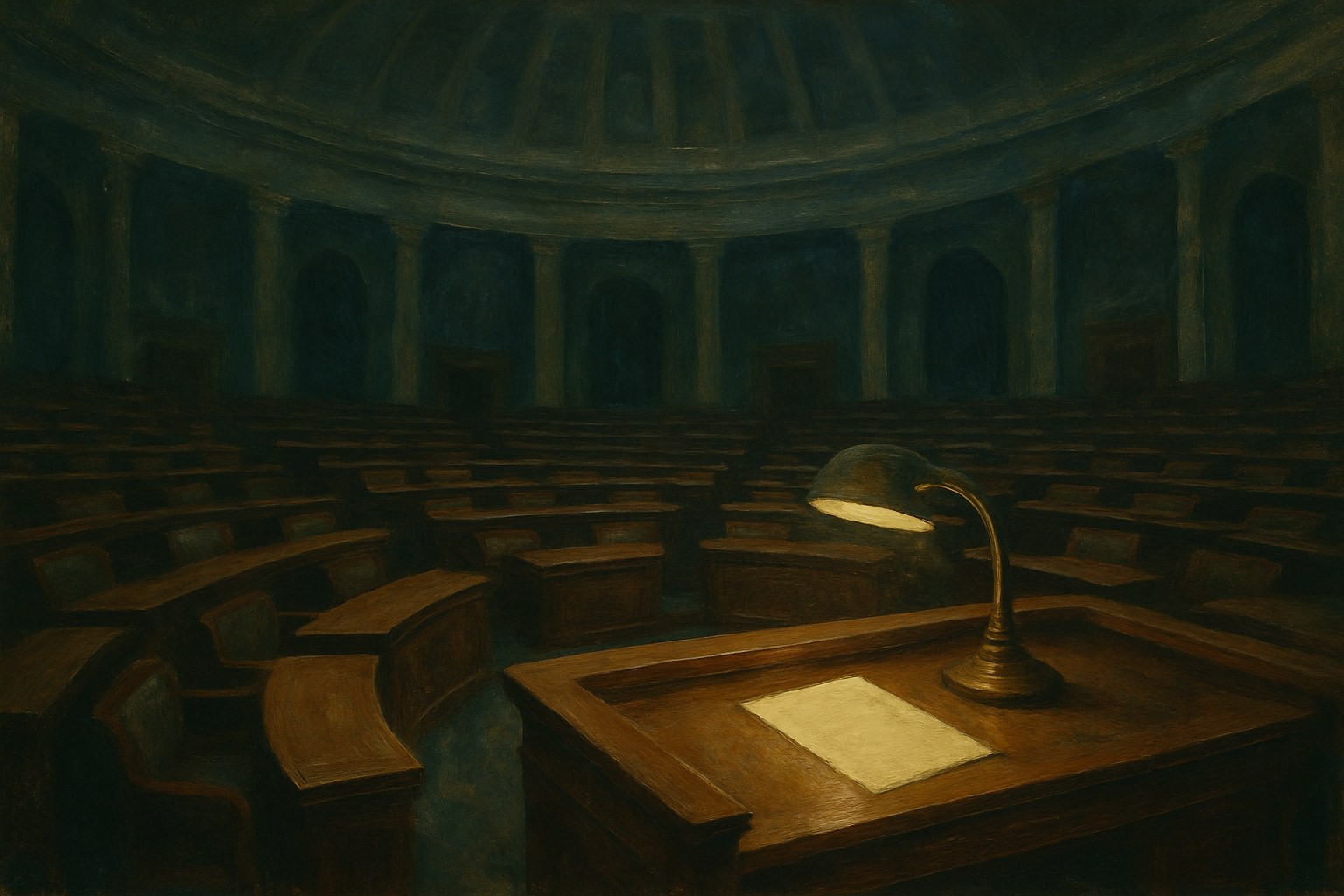
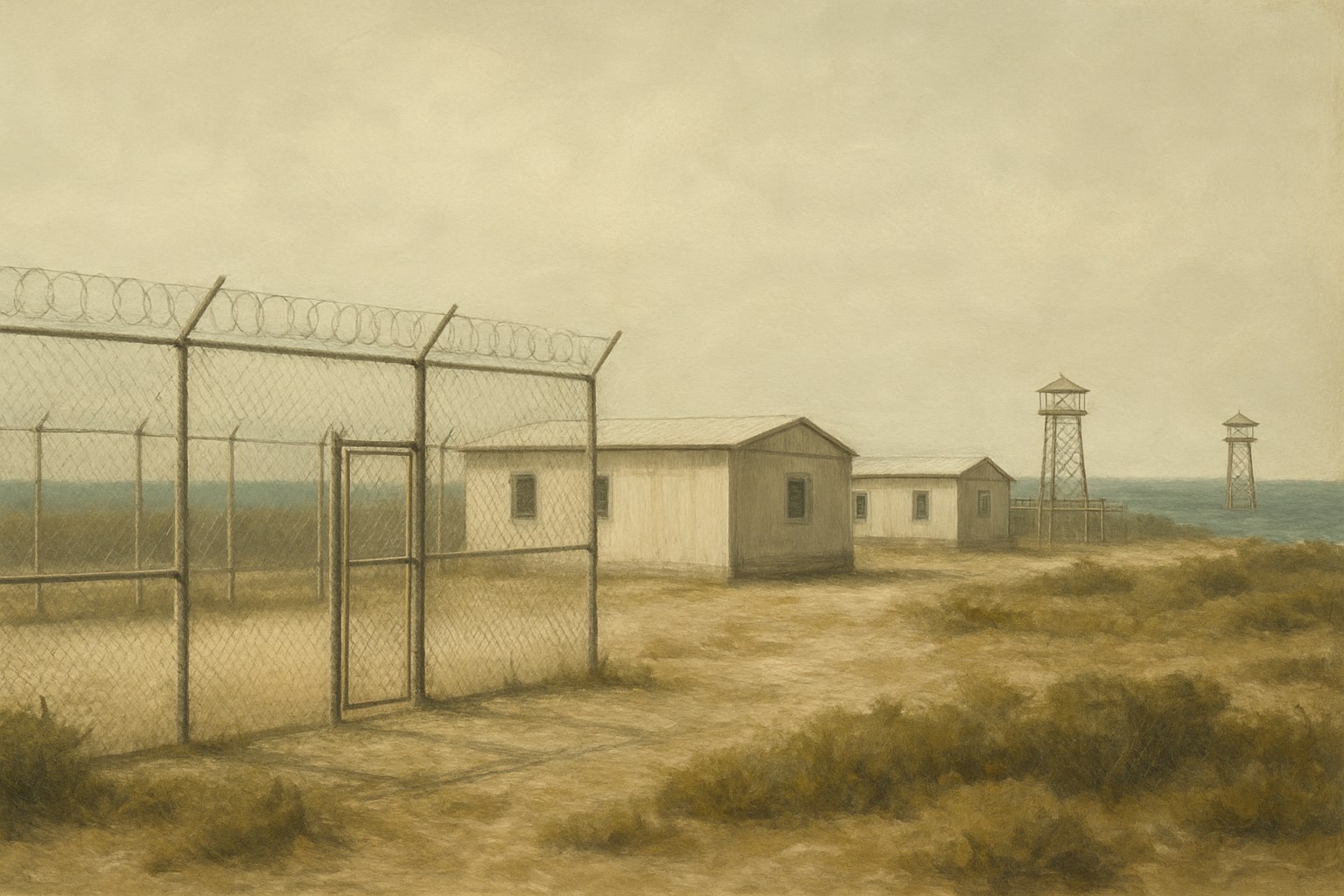
In March 2003 the United States invaded Iraq, asserting that Saddam Hussein's regime possessed weapons of mass destruction and posed a gathering threat. No such weapons were found, and the occupation gave way to a long insurgency and sectarian civil war. At home, the era reshaped the relationship between the citizen and the state: the USA PATRIOT Act expanded surveillance powers, the new Department of Homeland Security consolidated federal security agencies, and the detention camp at Guantánamo Bay, enhanced-interrogation programs, and warrantless wiretapping became flashpoints in a sustained argument over how much liberty a democracy should trade for security.
Under President Barack Obama the conflict changed shape rather than ended. Conventional troop levels fell while targeted drone strikes expanded across Pakistan, Yemen, and Somalia. A U.S. raid killed Osama bin Laden in Pakistan in May 2011. Yet the withdrawal of American forces from Iraq was followed by the rise of the Islamic State, which seized territory across Iraq and Syria in 2014 and drew the United States back into the region. Critics increasingly described the open-ended commitments as "forever wars" — conflicts with no defined victory condition and no clear end.
The era is conventionally dated to the chaotic American withdrawal from Afghanistan in August 2021, when the Taliban retook Kabul almost twenty years after being driven from it. Its legacy remains sharply contested. Supporters argue that the campaign prevented another mass-casualty attack on the homeland; critics point to roughly eight trillion dollars in costs, hundreds of thousands of deaths across the war zones, the erosion of civil liberties, and the questionable strategic results of two long occupations. What is not disputed is that the response to 9/11 reorganized American foreign policy, government, and law for a generation.

| Duration | 2001 – 2021 |
| September 11 attacks | September 11, 2001 |
| Afghanistan invasion | October 7, 2001 |
| USA PATRIOT Act | October 26, 2001 |
| Iraq War | 2003 – 2011 |
| Osama bin Laden killed | May 2, 2011 |
| Kabul withdrawal | August 30, 2021 |
| Estimated cost | ~$8 trillion (Costs of War) |
| Date | September 11, 2001 – August 30, 2021 |
| Location | United States |