The Domino Theory
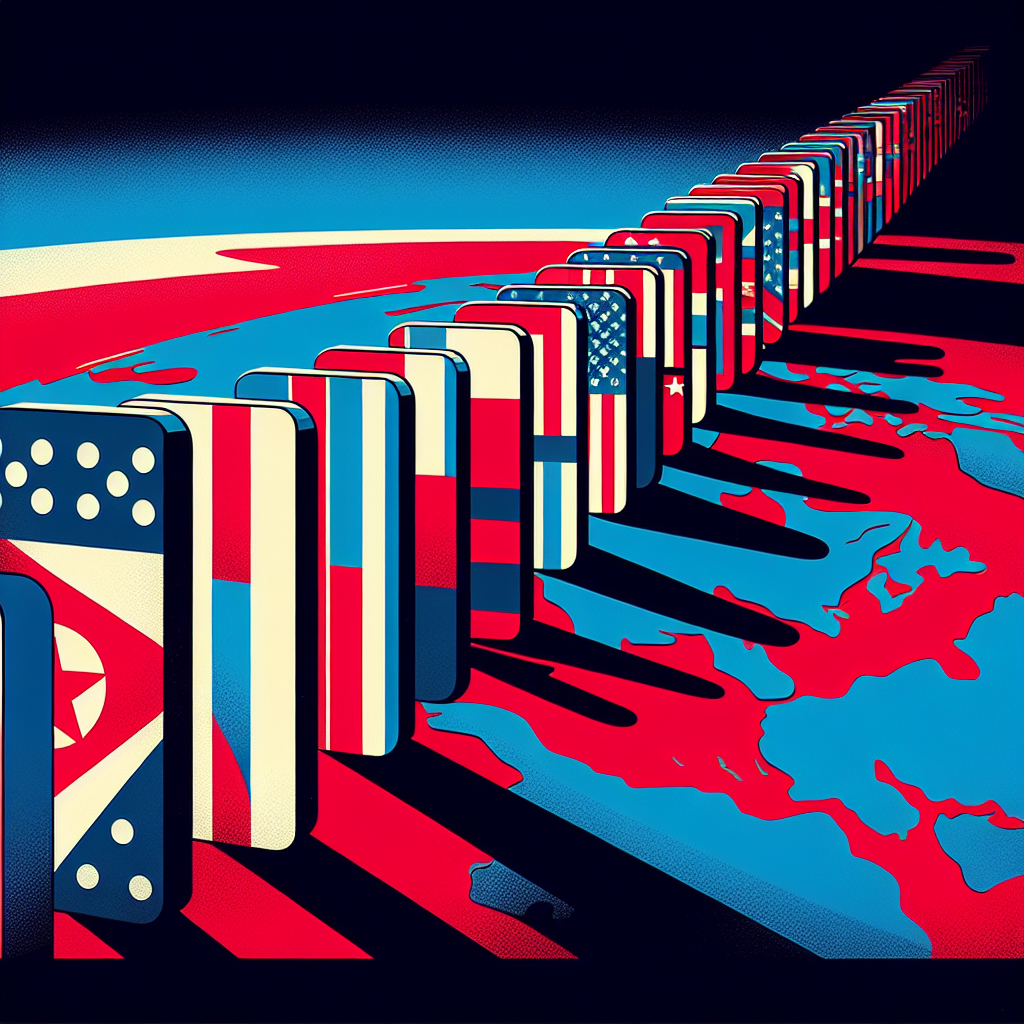
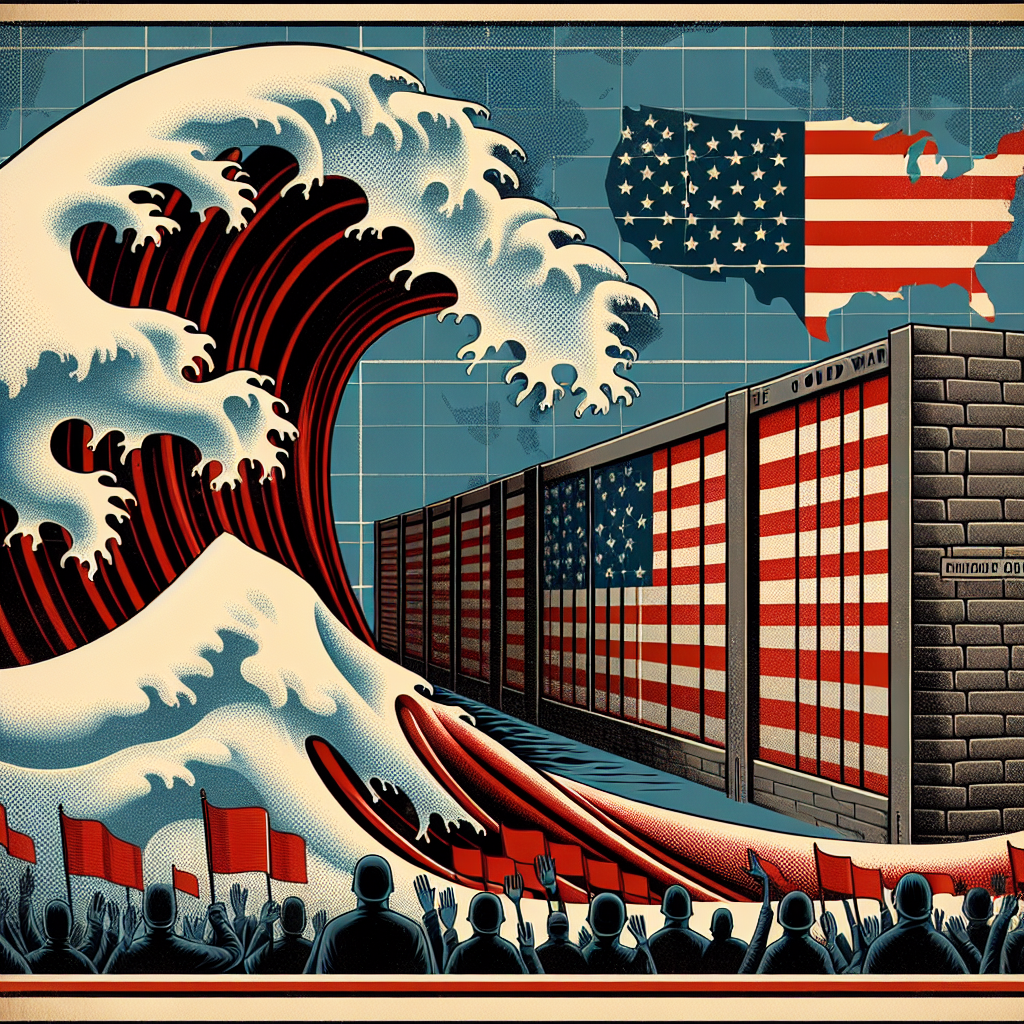
Dwight Eisenhower reached for a metaphor in April 1954 to explain why the United States had to care about a rice-farming colonial territory in Southeast Asia. "You have a row of dominoes set up," he told reporters. "You knock over the first one, and what will happen to the last one is the certainty that it will go over very quickly." Vietnam, in other words, was not really about Vietnam — it was about Japan, India, Australia, and ultimately the global balance of power. The domino theory had a visual, almost mechanical logic that proved nearly impossible to argue against, and nearly impossible to verify.
The theory shaped American decision-making in Korea, Vietnam, Laos, Cambodia, Cuba, Nicaragua, El Salvador, and Angola. Each intervention was justified partly by the claim that inaction would trigger a cascade. When South Vietnam fell in 1975, the predicted dominoes in Thailand, Malaysia, and Indonesia did not fall — a fact that vindicated the theory's critics and was largely ignored by its supporters, who argued that prior resistance had kept those dominoes standing elsewhere.
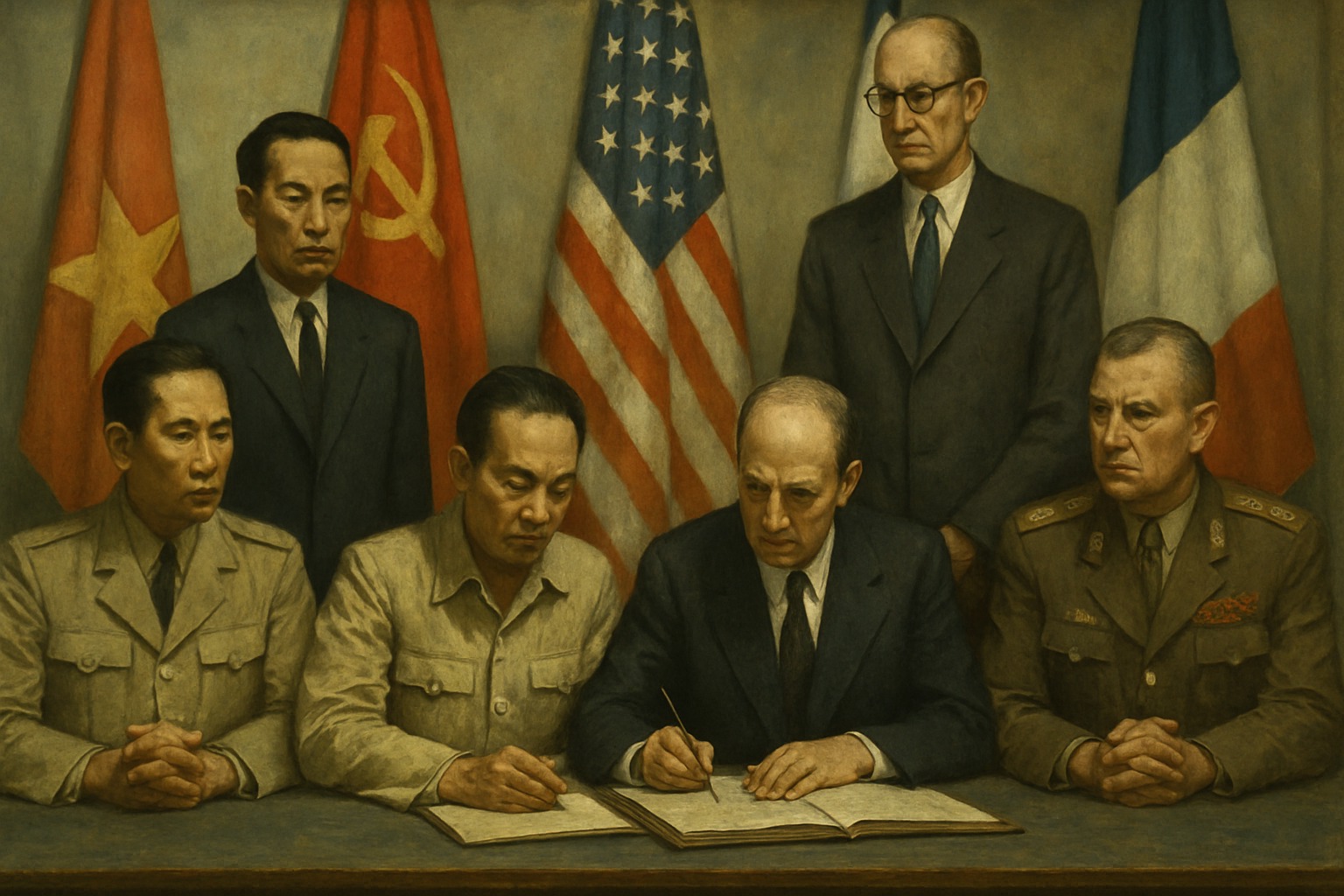
The domino theory's deepest flaw was the assumption it hid inside itself: that communist movements in the developing world were Soviet-directed rather than nationalist. Ho Chi Minh admired Jefferson, corresponded with FDR, and had been rebuffed by the United States before turning to Moscow. Treating every leftist government as a Moscow proxy was a category error with catastrophic consequences — consequences measured in the names on a long black wall in Washington, D.C.



| Coined by | President Dwight D. Eisenhower, April 7, 1954 |
| Context | Imminent French defeat at Dien Bien Phu |
| Applied to | Vietnam, Korea, Cuba, Latin America, Africa |
| Challenged by | Vietnam War outcome (1975); no regional contagion followed |
| Critics | George Kennan, Senator J. William Fulbright, Robert McNamara |
| Legacy | Justified U.S. interventionism throughout the Cold War |