Containment
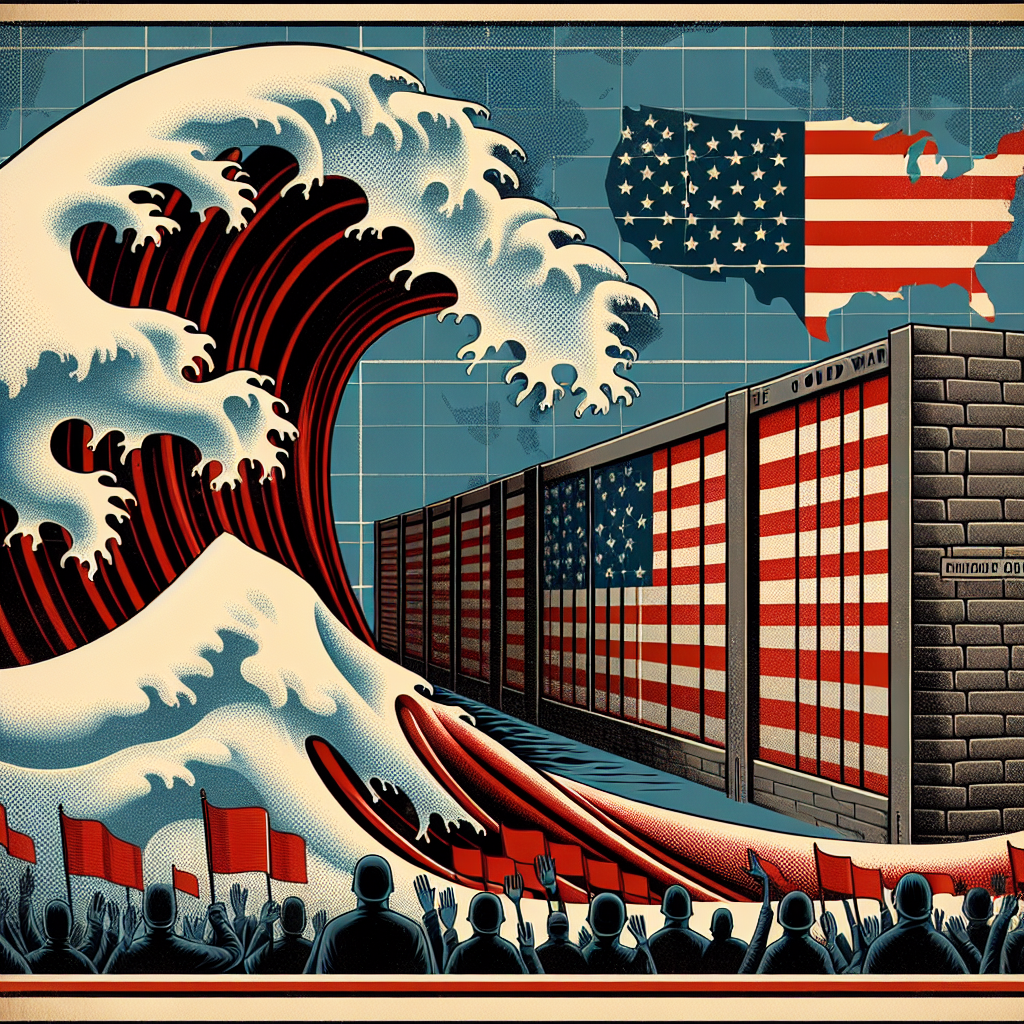
In February 1946, a 22-page telegram arrived in Washington from Moscow. George Kennan, a mid-level American diplomat, argued that the Soviet Union was not a conventional rival but an expansionist power driven by ideology — and that the United States' only effective response was patient, firm resistance at every point of Soviet advance. That document became the intellectual foundation of containment, the doctrine that would shape American foreign policy for more than four decades.
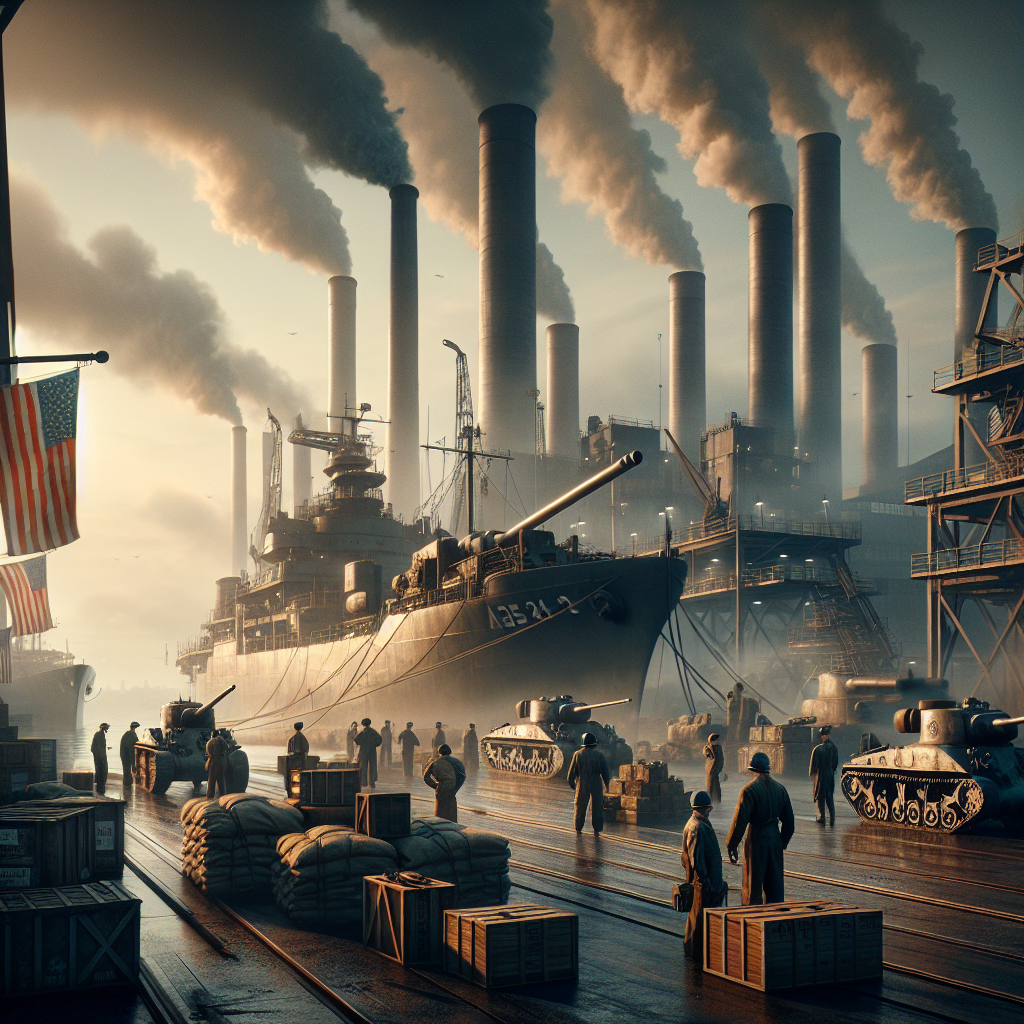
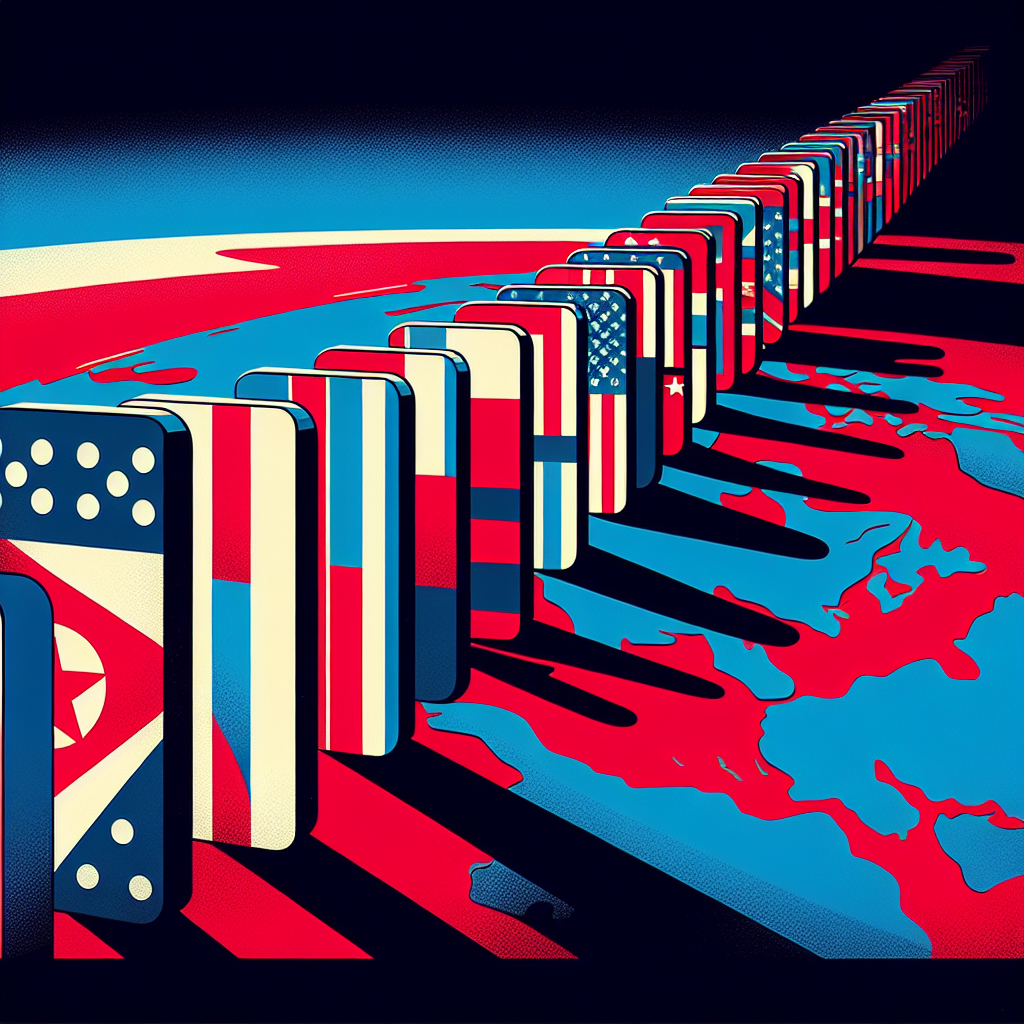
President Truman formalized the concept in 1947 with the Truman Doctrine, pledging American support to nations threatened by communist takeover. The Marshall Plan, NATO, and the Korean War commitment all flowed from the same logic. Containment was never a single policy but a constantly renegotiated argument about where to draw the line, how much to spend, and which allies were worth defending — a debate that consumed every administration from Truman to Reagan.
Critics on the left argued containment was too militaristic and too willing to prop up authoritarian regimes. Critics on the right said it was too passive — that rollback, not mere containment, should be the goal. The doctrine survived both critiques, bending but not breaking, until the Soviet Union dissolved in 1991 and rendered the argument moot.
Kennan himself grew disillusioned with the doctrine he had fathered. He had envisioned a primarily political and economic contest; what he got was a global military buildup that he spent the rest of his long life publicly criticizing. The gap between a strategist's intention and a strategy's execution is one of containment's most instructive lessons.
| Coined by | George F. Kennan, 1946 |
| Formalized | Truman Doctrine, March 12, 1947 |
| Duration | ~1947–1991 |
| Key documents | "Long Telegram" (1946), "X Article" (1947), NSC-68 (1950) |
| Key presidents | Truman, Eisenhower, Kennedy, Nixon, Reagan |
| Challenged by | Rollback doctrine, détente |