Neutrality Acts of the 1930s
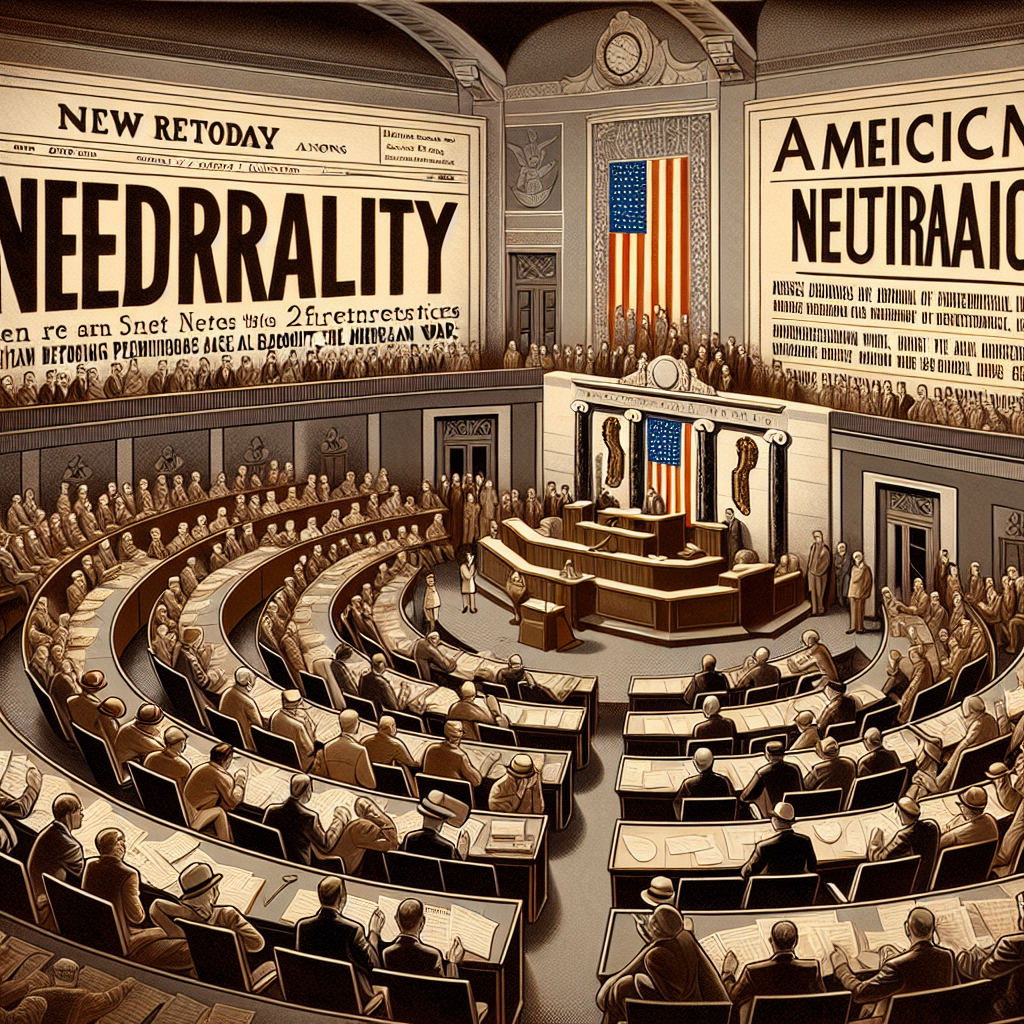
Between 1935 and 1937, Congress passed a series of Neutrality Acts designed to prevent the patterns that had drawn the United States into World War I from repeating themselves in the wars taking shape in Europe and Asia. The first act, passed in August 1935, prohibited arms sales to any belligerent nation. Subsequent acts extended the embargo, banned loans to warring governments, and imposed the "cash and carry" provision — requiring that any goods sold to belligerents be paid for immediately and transported on non-American ships, removing the economic entanglements seen as having made genuine neutrality in 1914–1917 ultimately untenable.
The acts were the legislative expression of a powerful isolationist consensus shaped by the Nye Committee's influential 1934–1936 investigations, which concluded that American entry into World War I had been engineered by bankers and munitions manufacturers who profited from the conflict. The findings fed a national conviction that the United States had been manipulated into a foreign war that was not its concern, and that the remedy was statutory: make it legally impossible for American economic interests to become entangled with any combatant's cause.
The Neutrality Acts proved both consequential and ultimately insufficient. They constrained Roosevelt's ability to aid Britain and France in the critical years of 1937–1940 even as the scale of Axis aggression made strict neutrality increasingly indefensible. Roosevelt secured a revision in 1939 that allowed arms sales on cash-and-carry terms, then effectively circumvented the acts through the Lend-Lease Act of 1941, which supplied Britain and later the Soviet Union with vast quantities of war material while maintaining the legal fiction of American non-involvement. The attack on Pearl Harbor ended the pretense entirely.
| Enacted | Three acts: 1935, 1936, and 1937 |
| Core Provisions | Arms embargo; ban on loans to belligerents; cash-and-carry shipping |
| Philosophical Basis | Nye Committee findings (1934–36); isolationist movement |
| Revised | 1939 — arms sales permitted on cash-and-carry basis |
| Circumvented By | Lend-Lease Act, March 1941 |
| Effectively Ended | December 1941 — U.S. entry into World War II after Pearl Harbor |
| Key Figure | Sen. Gerald Nye (ND) — Nye Committee chair and isolationist leader |
| Date | Series enacted 1935, 1936, 1937 |
| Location | Washington, D.C. |