Fall of the Berlin Wall
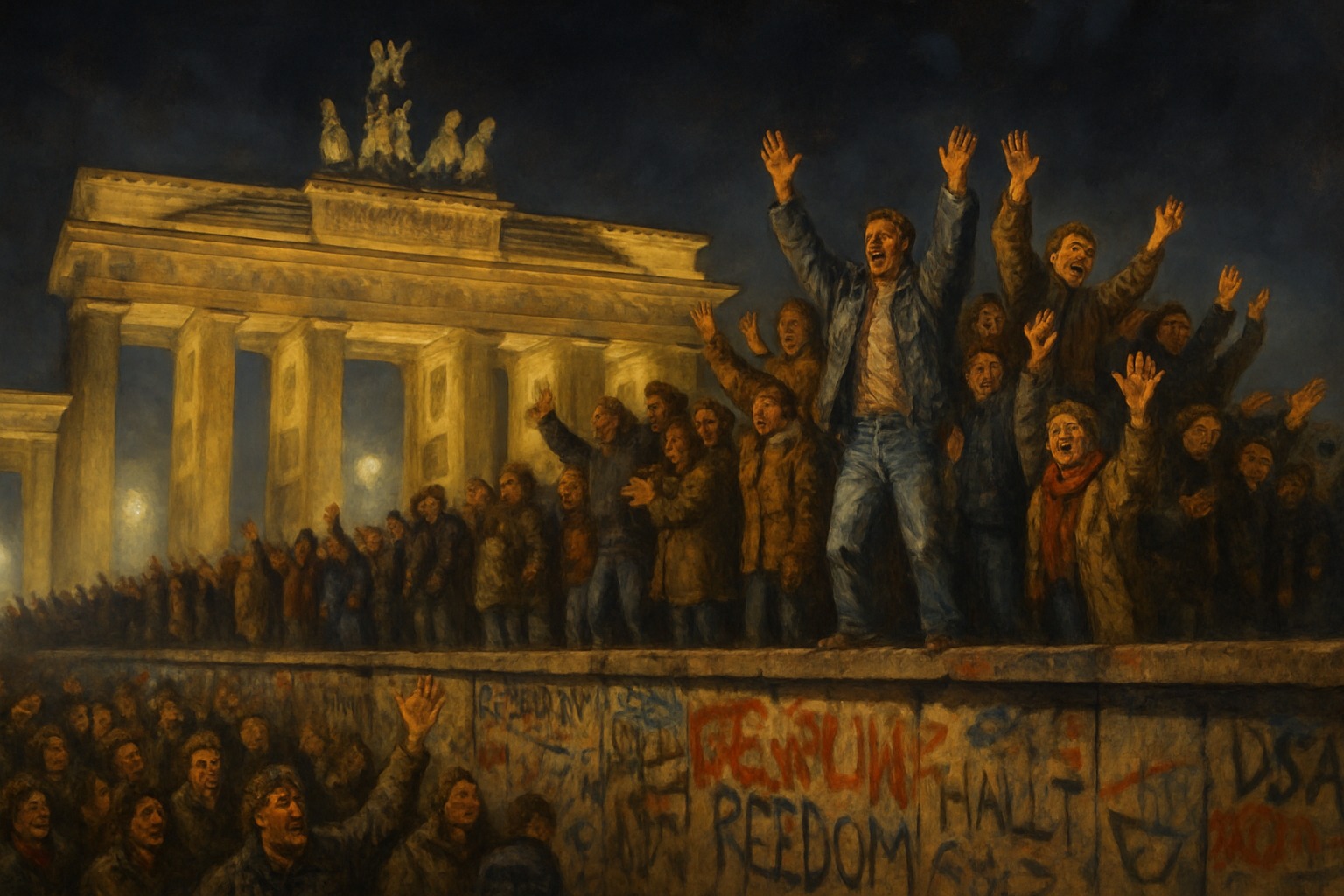
For twenty-eight years the Berlin Wall had divided a city and stood as the most visible symbol of the Cold War — a concrete barrier dividing communist East Berlin from the democratic West, where would-be escapees were shot on sight. On the night of November 9, 1989, it came down not by an army but by a crowd. A confused East German official announced at a press conference that citizens could cross the border "immediately," and tens of thousands of East Berliners surged toward the checkpoints. Overwhelmed guards, with no orders to shoot, opened the gates.
The collapse was the product of pressures that had been building for years. Soviet leader Mikhail Gorbachev's reforms — glasnost and perestroika — had loosened Moscow's grip on Eastern Europe, and he made clear the Soviet army would not intervene to prop up the satellite governments as it had in the past. Through 1989 one Eastern Bloc regime after another faced mass protests; Hungary had already opened its border with Austria, letting East Germans escape westward and draining the regime's authority.
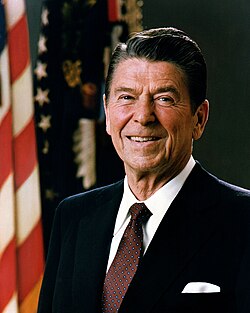
For Americans, the images of Berliners dancing atop the wall and hacking at it with hammers were the emotional climax of the Cold War. President Ronald Reagan had stood at the Brandenburg Gate in 1987 and demanded, "Mr. Gorbachev, tear down this wall." When it fell under his successor, George H. W. Bush, the United States moved carefully, avoiding triumphalism that might embarrass Gorbachev or destabilize the transition.
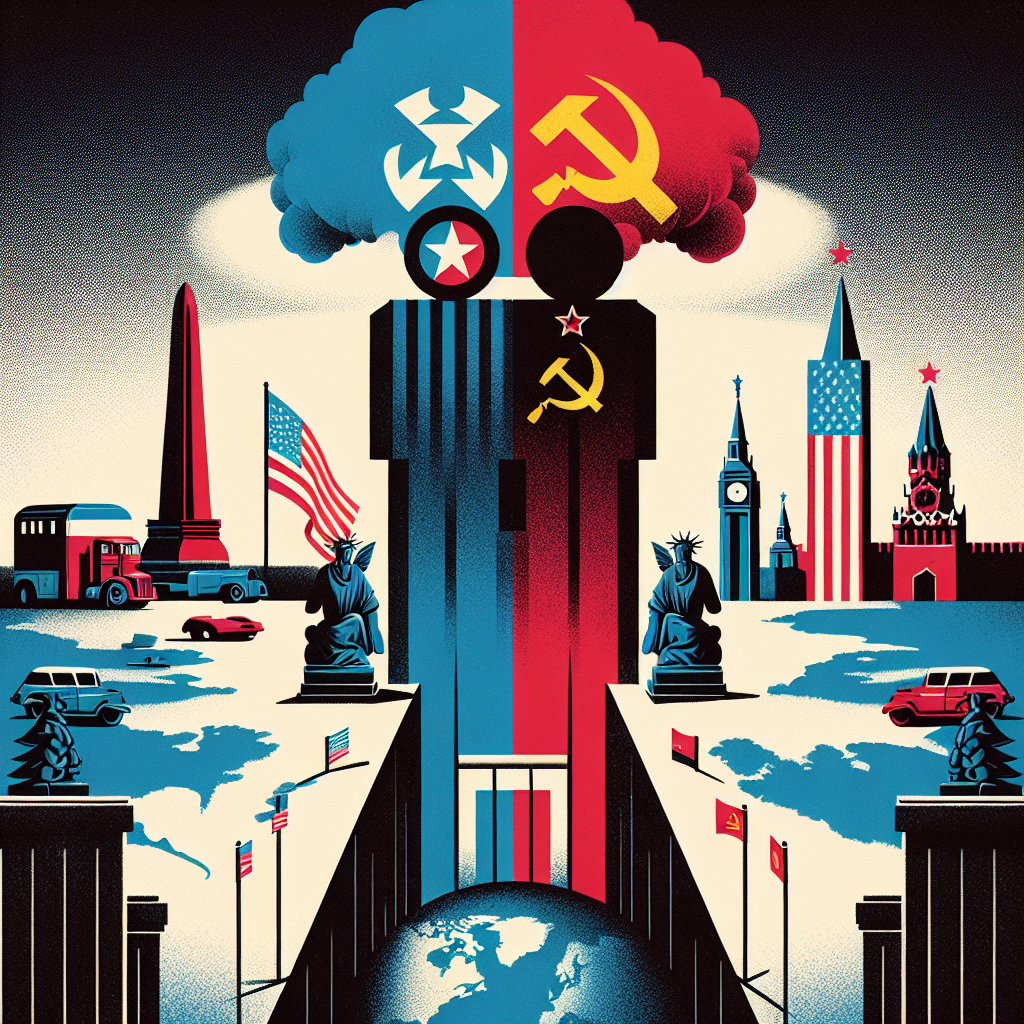
The wall's fall set off a rapid unraveling. Germany reunified within a year, the Warsaw Pact dissolved, and in December 1991 the Soviet Union itself ceased to exist. The bipolar world that had organized international politics since 1945 was gone, leaving the United States as the sole superpower and opening the uncertain era that followed.
| Date | November 9, 1989 |
| Wall Stood | 1961–1989 (28 years) |
| Trigger | Botched East German press announcement |
| Context | Gorbachev's reforms; collapsing Eastern Bloc |
| Reunification | Germany reunified October 1990 |
| Aftermath | Soviet Union dissolved December 1991 |
| Date | November 9, 1989 |
| Location | Berlin, Germany |