Navajo Nation
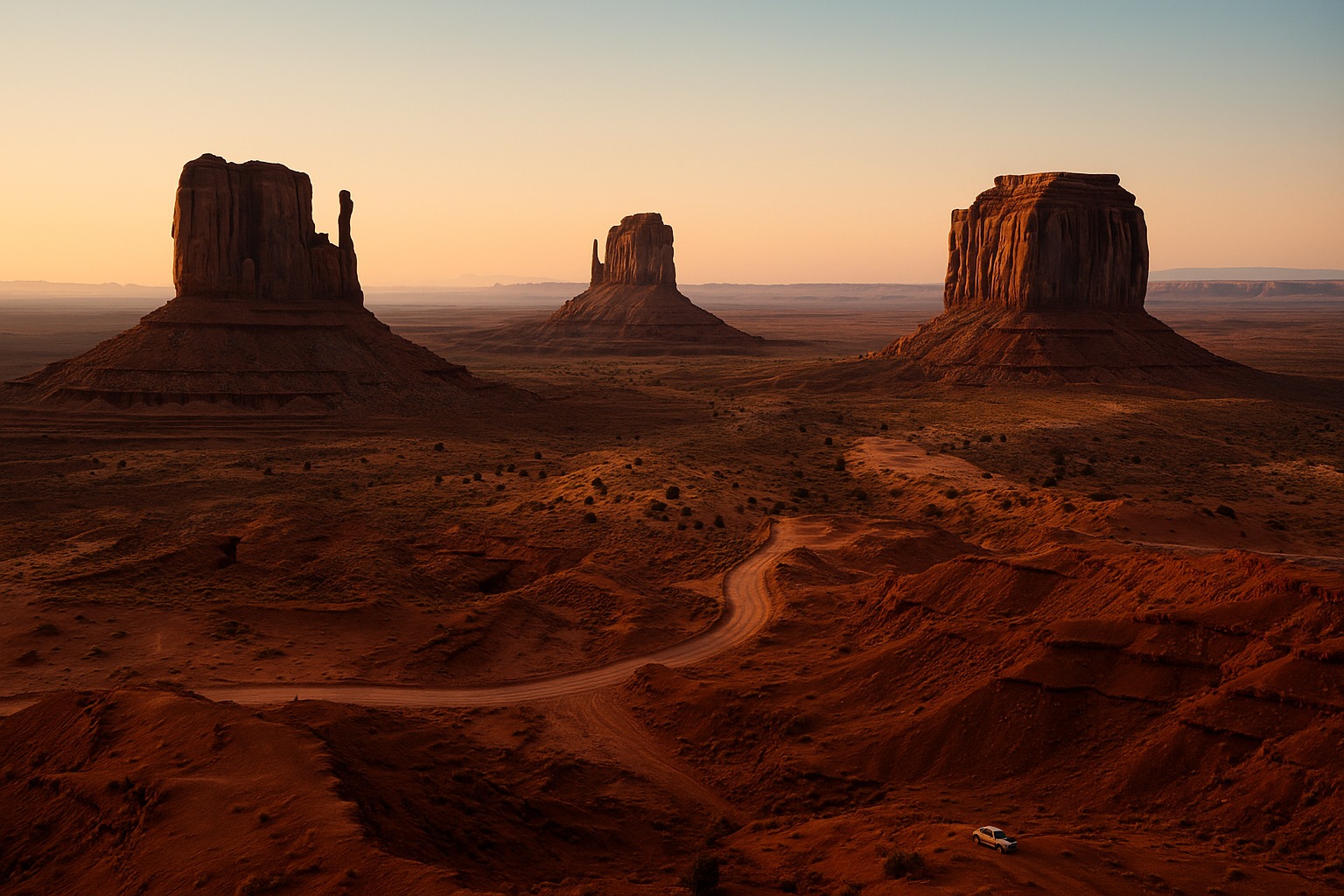
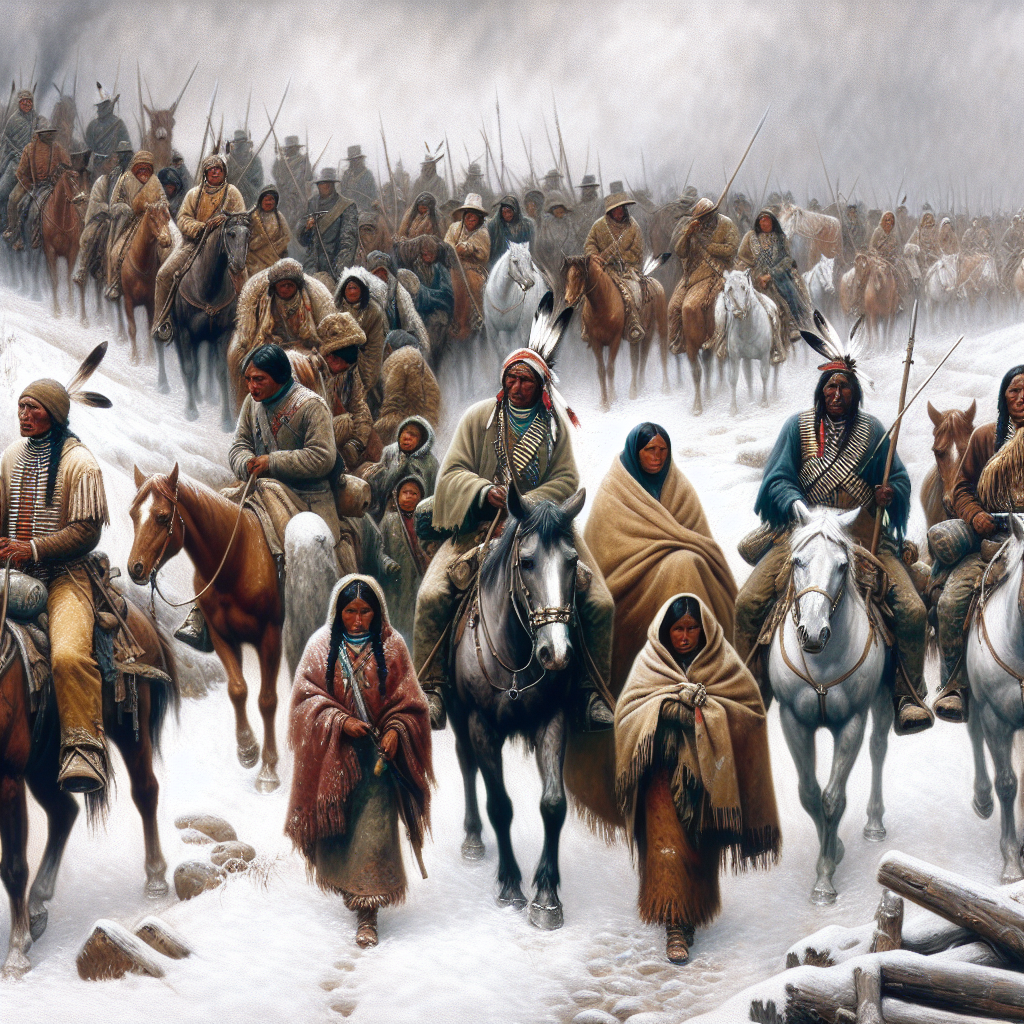
The Navajo Nation covers roughly 27,000 square miles across northeastern Arizona, northwestern New Mexico, and southeastern Utah — larger than West Virginia, and home to about 170,000 enrolled Diné living on reservation lands. Its present boundaries trace back to the Treaty of Bosque Redondo, signed on June 1, 1868, after four years of imprisonment at a U.S. Army internment camp in eastern New Mexico. The Long Walk that delivered the Diné there in 1864 — forced marches of more than 300 miles from Canyon de Chelly under Kit Carson's scorched-earth campaign — killed hundreds along the way and left a trauma that the tribe's oral history has never let go of.
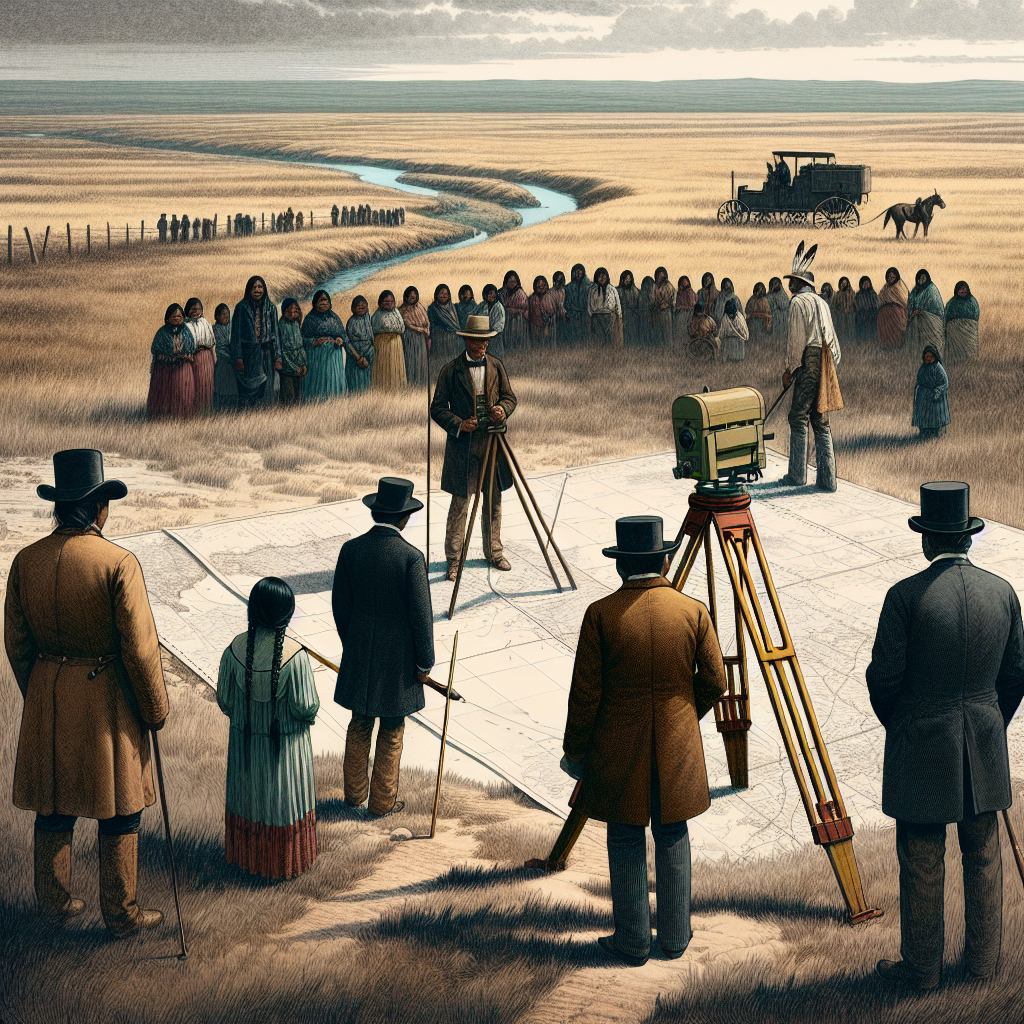
The 1868 treaty was unusual: it returned the Diné to a portion of their ancestral homeland rather than relocating them, as virtually every other treaty of the era required. The reservation has grown nine times since, mostly through federal land transfers in the early twentieth century driven less by Navajo demands than by the federal government's discovery that the area held coal, uranium, oil, and natural gas. Extraction industries built the postwar Navajo economy and poisoned much of the western reservation; the closure of the Navajo Generating Station and Kayenta Mine in 2019 ended decades of coal revenue and left the tribal government scrambling to replace roughly a third of its operating budget.
Tribal sovereignty is real and contested. The Navajo Nation operates its own three-branch government, supreme court, police force, school system, and 110-member council, and has used that infrastructure to negotiate water-rights settlements with neighboring states and to administer COVID-19 relief that, at one point in 2020, gave the nation the highest per-capita infection rate in the United States. The Diné language is spoken daily by tens of thousands, taught in reservation schools, and was the basis of the World War II Code Talkers — an undefeated military cipher whose existence was kept classified until 1968.
| Established | Treaty of Bosque Redondo, June 1, 1868 |
| Area | ~27,000 square miles (larger than West Virginia) |
| Location | Four Corners — AZ, NM, UT |
| Capital | Window Rock, Arizona |
| Enrolled citizens | ~399,000 (largest U.S. tribe by enrollment) |
| Government | Three-branch government, 24-member council |
| Native name | Diné Bikéyah ("the people's land") |
| Date | Treaty of Bosque Redondo signed June 1, 1868 |
| Location | Window Rock, Arizona (capital) |