The Iroquois Confederacy
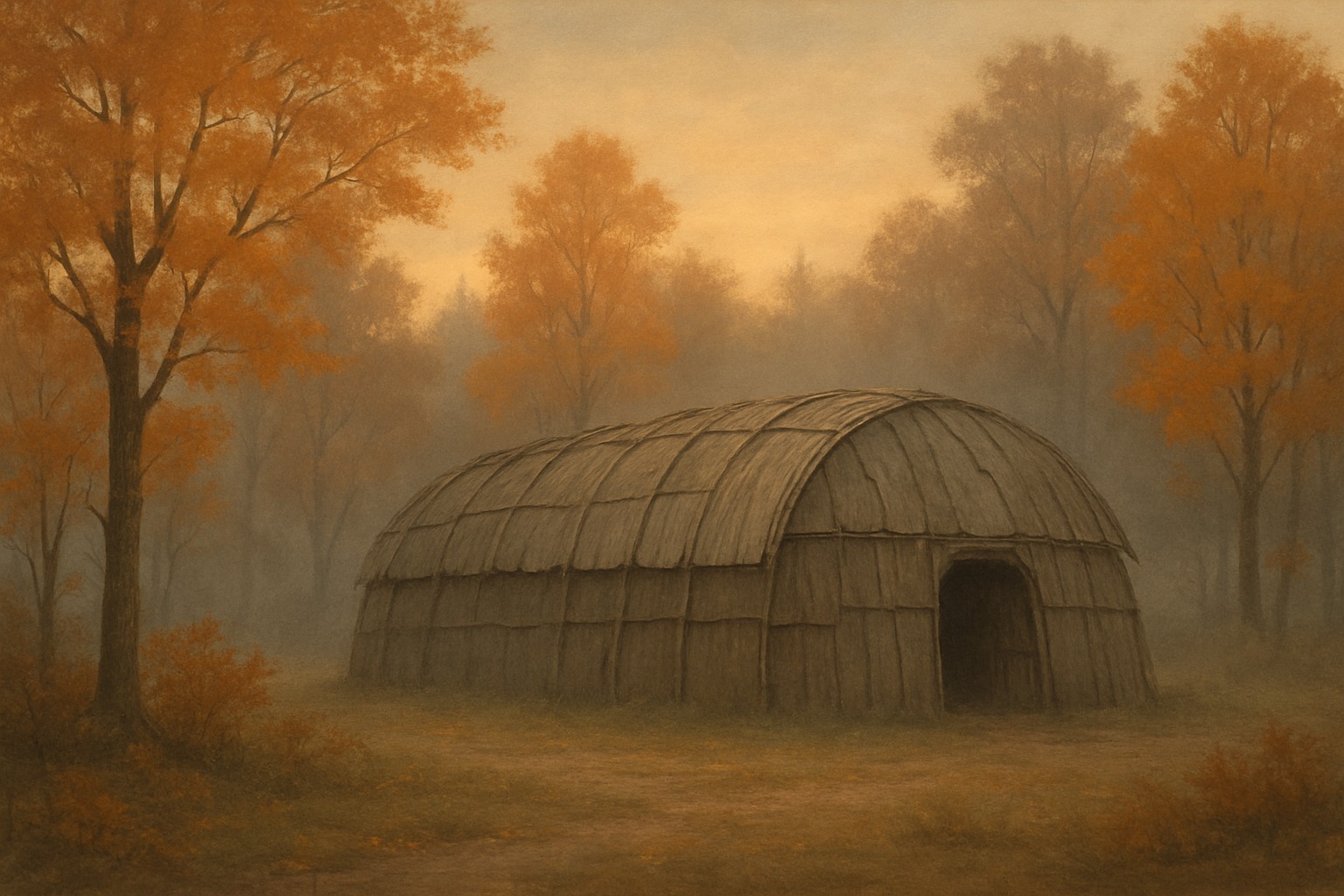
The Iroquois Confederacy — known to its own people as the Haudenosaunee, "People of the Longhouse" — was one of the most sophisticated political systems in the pre-contact Americas. It united five (later six) Native nations of the Northeast under a constitution known as the Great Law of Peace, ending generations of warfare among them.
Founded sometime before European contact, the league bound the Mohawk, Oneida, Onondaga, Cayuga, and Seneca — and later the Tuscarora — into a council of chiefs that governed by consensus. It balanced the autonomy of each nation with collective decision-making, and gave clan mothers the power to choose and remove leaders.
The Confederacy was a major power in colonial North America, its alliance courted by the French and British alike, and its diplomacy helped shape the balance of power for two centuries. Some historians and founders, including Benjamin Franklin, pointed to its federal structure as an example as the American colonies considered uniting.
The Confederacy was fractured by the American Revolution, when its nations divided between the British and the Americans, and much of its land was lost afterward. Yet the Haudenosaunee endure as nations to this day, and the Great Law of Peace remains a living tradition of Native self-government.
| Own Name | Haudenosaunee, "People of the Longhouse" |
| Members | Mohawk, Oneida, Onondaga, Cayuga, Seneca; later Tuscarora |
| Constitution | The Great Law of Peace |
| Governance | Council of chiefs; clan mothers chose leaders |
| Influence | Cited as a model of confederation by some founders |
| Date | Founded before European contact |