The Indian Citizenship Act

The Indian Citizenship Act of 1924 granted United States citizenship to all Native Americans born within the country's borders. It corrected a striking exclusion: the original inhabitants of the continent had been denied the citizenship extended to immigrants and, after the Civil War, to formerly enslaved people.
Before 1924, citizenship had been offered to some Native individuals only on the condition that they give up tribal ties or accept land allotments under the Dawes Act. The new law extended citizenship to all, without requiring them to surrender their tribal membership or rights.
Citizenship did not bring full equality. Several states continued to bar Native people from voting for decades through various means, and the act did not resolve the deeper questions of tribal sovereignty and broken treaties. Its benefits were real but incomplete.
Still, it marked a turning point. It affirmed that Native Americans belonged in the nation's civic life on their own terms, and it laid groundwork for the self-determination movements that would follow in the second half of the twentieth century.
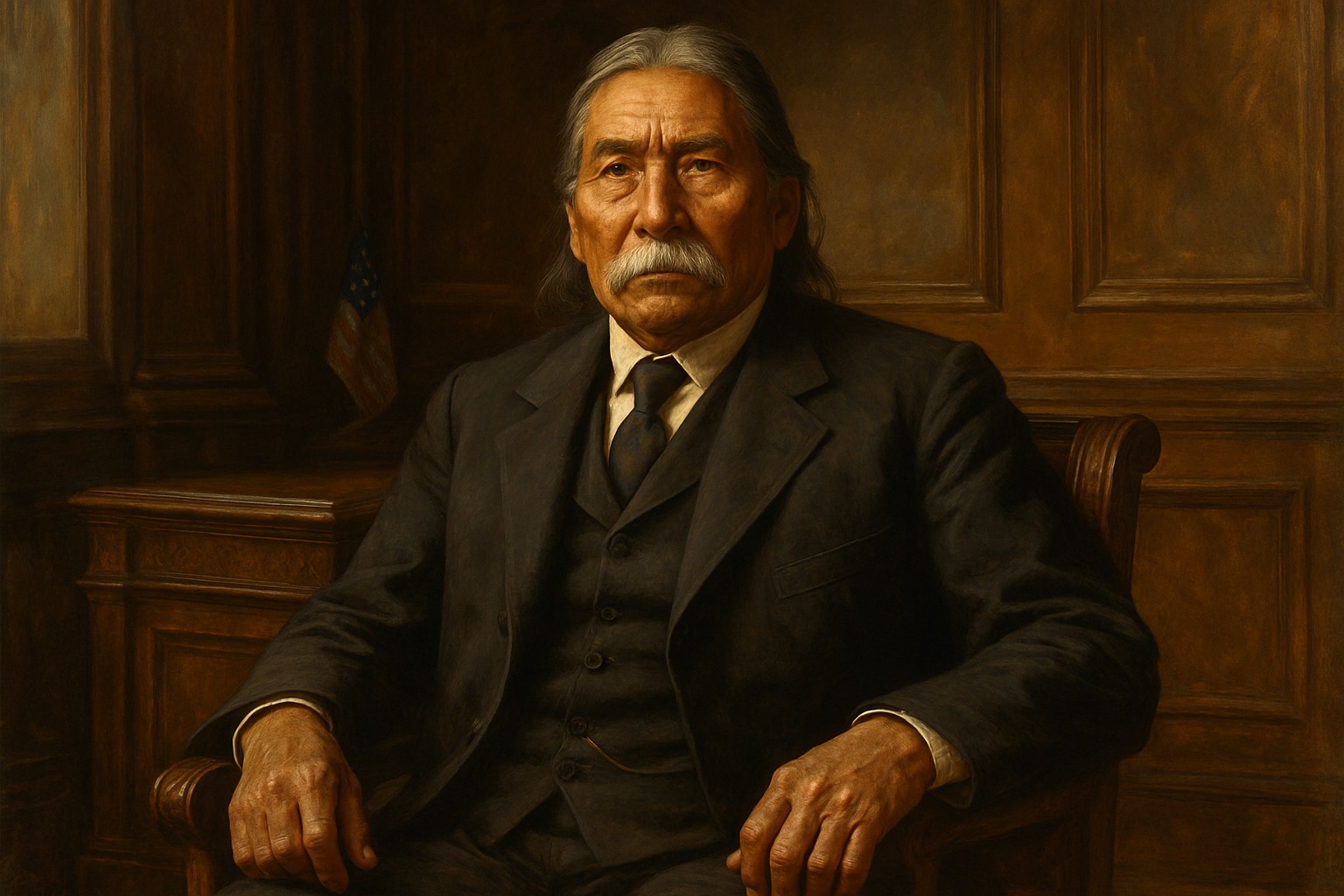
| Enacted | June 2, 1924 |
| Granted | U.S. citizenship to all Native Americans born in the U.S. |
| Before | Citizenship had required giving up tribal ties |
| Limit | Several states still barred Native voting for decades |
| Significance | Affirmed civic belonging without surrendering tribal rights |
| Date | Enacted June 2, 1924 |