Pine Ridge Indian Reservation
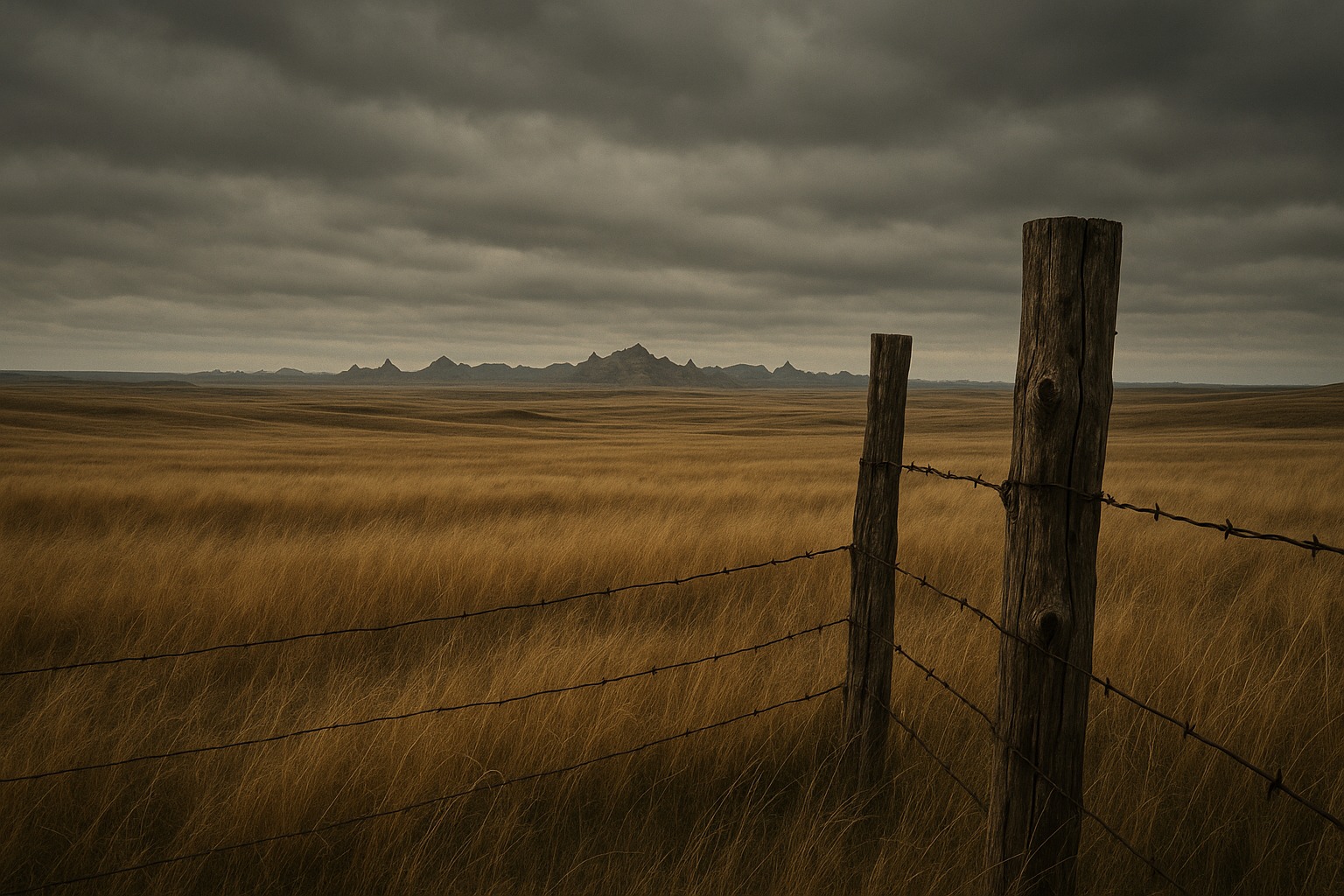
Pine Ridge Indian Reservation sits in the southwest corner of South Dakota, on roughly 2.8 million acres of high plains and badlands first set aside for the Oglala Lakota under the Treaty of Fort Laramie of 1868. That treaty guaranteed the Lakota the entire Great Sioux Reservation, including the Black Hills, "in perpetuity." Perpetuity lasted nine years. Gold was discovered in the Black Hills in 1874; the federal government unilaterally seized them in 1877 after the Lakota refused to sell. The reservations that survive — Pine Ridge, Rosebud, Cheyenne River, Standing Rock, and others — are the geographic residue of that breach.
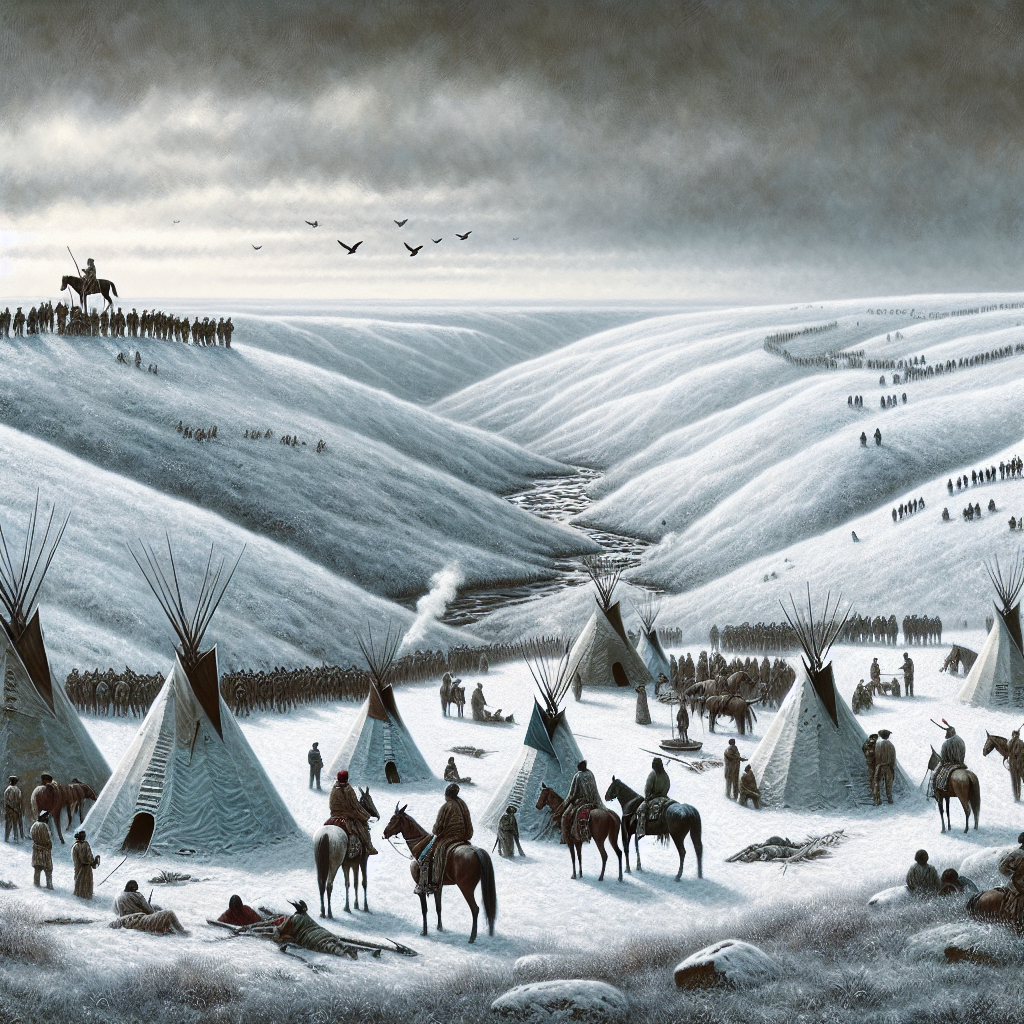
Pine Ridge has been the site of two of the most consequential moments in the history of U.S.-Native relations. On December 29, 1890, the 7th Cavalry surrounded a band of Lakota under Chief Spotted Elk camped at Wounded Knee Creek and, in the course of disarming them, killed at least 250 men, women, and children. The army awarded 20 Medals of Honor to the soldiers involved. Eighty-three years later, in February 1973, members of the American Indian Movement occupied the same site for 71 days in armed protest against tribal corruption and federal neglect, drawing a national audience and a federal siege that killed two activists.
The reservation today is among the poorest places in the United States by every standard measure: median household income around $30,000, life expectancy in the high 60s, unemployment in some districts above 80 percent. It is also a center of Lakota cultural revival — Sun Dance ceremonies held openly for the first time in a century, immersion schools teaching Lakota to children whose grandparents were punished for speaking it, an annual Crazy Horse Ride retracing the route of the man who refused to sign the 1868 treaty. Sovereignty here is lived as both poverty and persistence.

| Established | Treaty of Fort Laramie, 1868 (reduced 1877, 1889) |
| Area | ~2.8 million acres |
| Location | Southwestern South Dakota |
| People | Oglala Lakota (Oceti Sakowin) |
| Wounded Knee Massacre | December 29, 1890 — ~250–300 Lakota killed |
| AIM occupation | Wounded Knee, February–May 1973 — 71 days |
| Median household income | ~$30,000 (among the poorest U.S. communities) |
| Date | Established 1868 (boundary reduced 1877, 1889) |
| Location | Pine Ridge, South Dakota |