Cherokee Nation
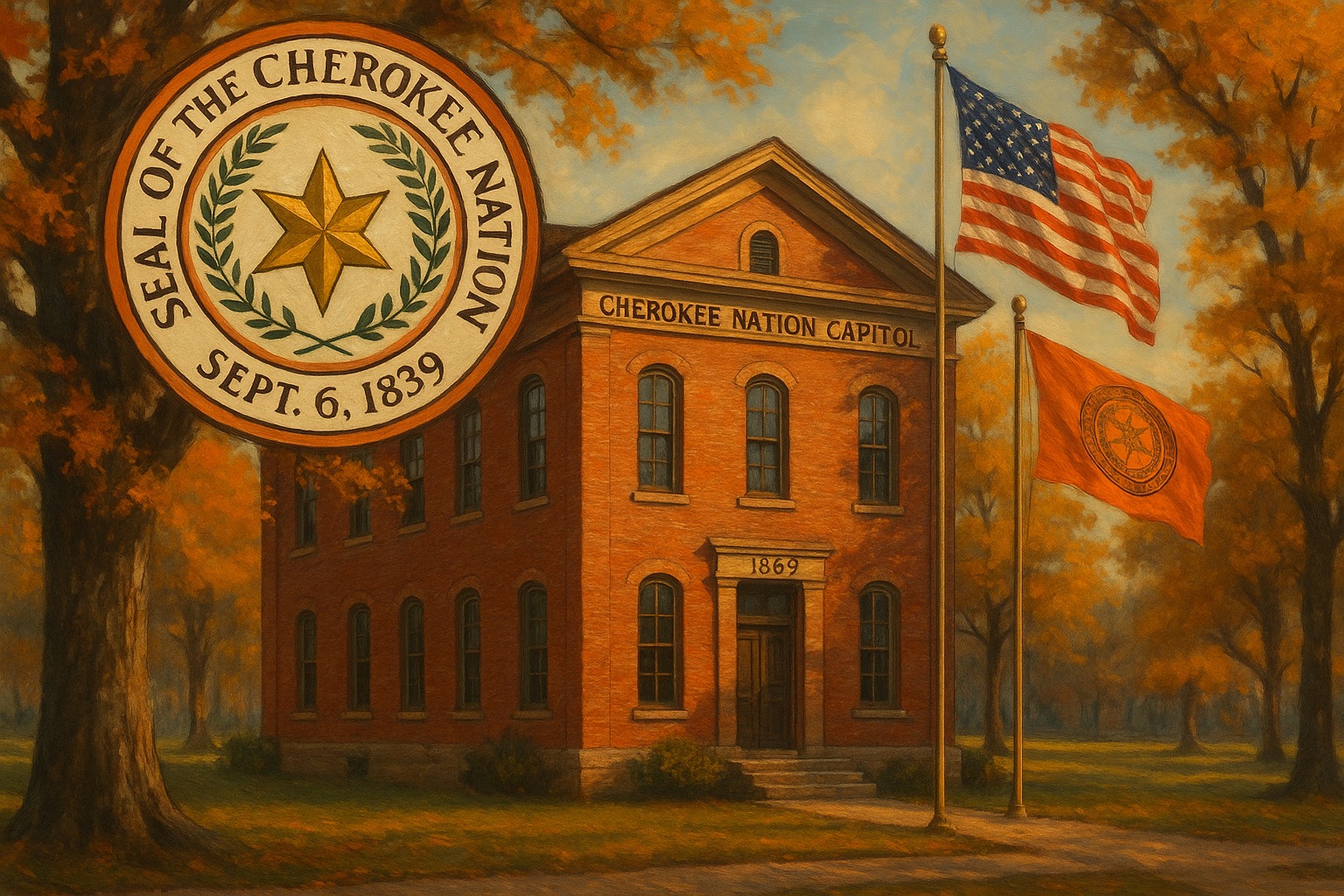
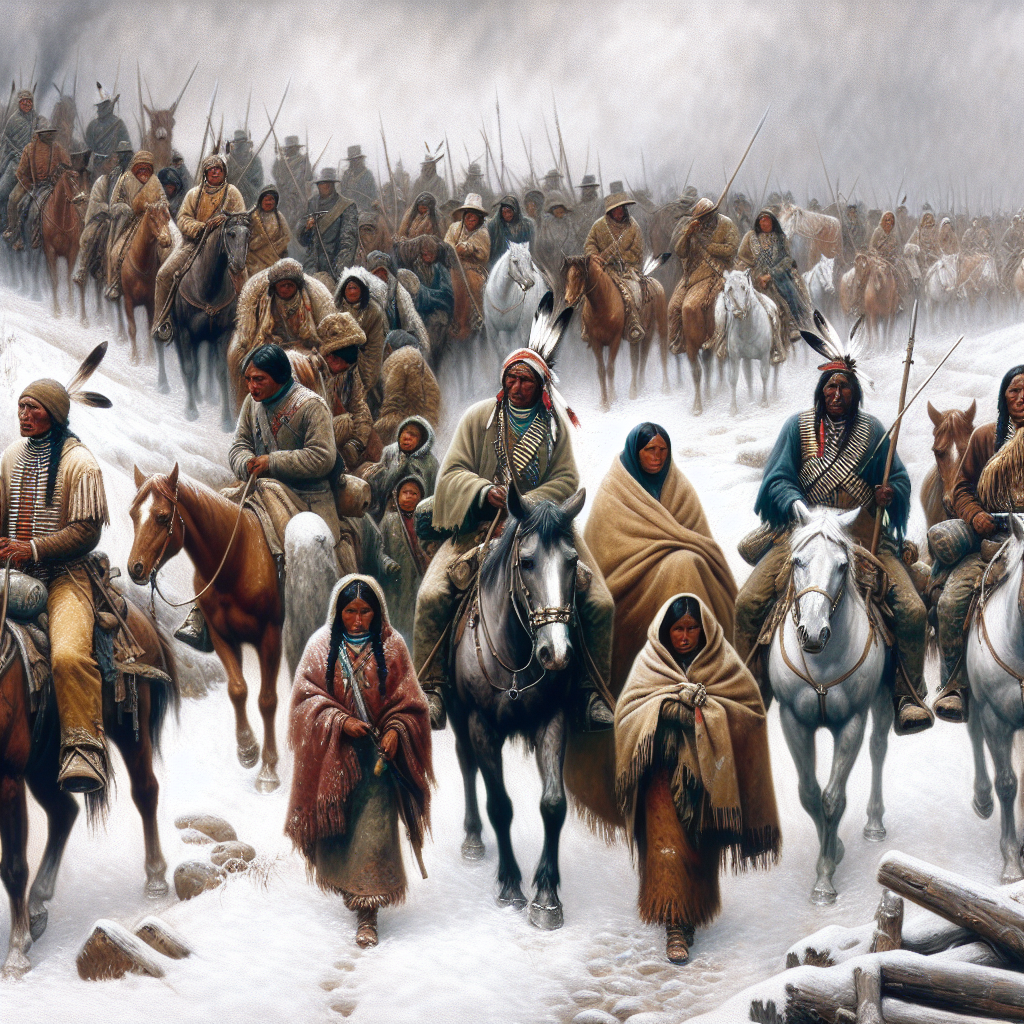
The Cherokee Nation reconstituted itself in present-day northeastern Oklahoma in the years after the Trail of Tears, the forced 1838–1839 removal that drove roughly 16,000 Cherokee from their ancestral lands in Georgia, Alabama, Tennessee, and North Carolina. Between 3,000 and 8,000 died on the march. Those who survived rebuilt institutions almost immediately — a written constitution adopted in 1839, a bilingual newspaper, a public school system that by the 1850s was more literate than most white Southern states. The federal government dissolved the Cherokee government in 1907 to clear the way for Oklahoma statehood. It was reformed in stages over the late twentieth century.
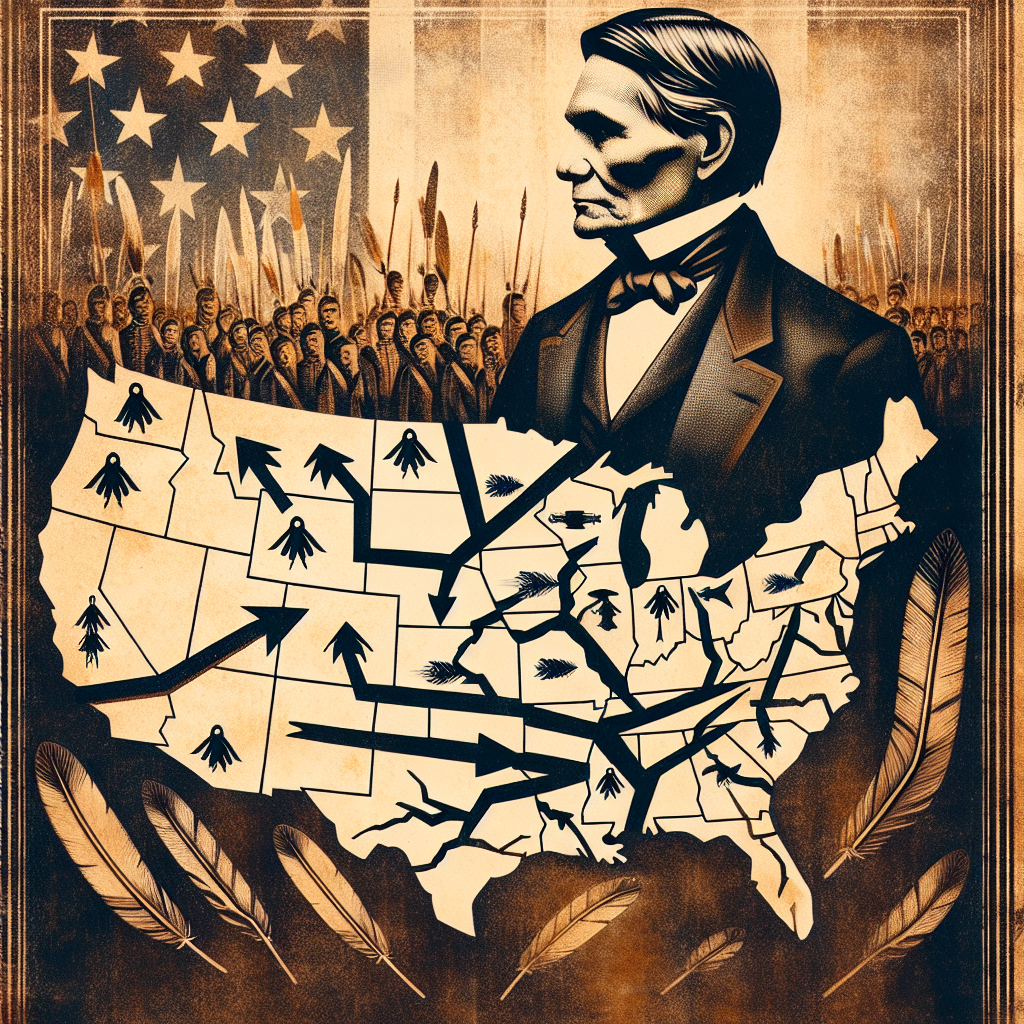
The Cherokee Nation today has more than 450,000 enrolled citizens — the second-largest tribe in the United States by enrollment, after the Navajo — and is headquartered in Tahlequah, Oklahoma. Tribal sovereignty has been the central legal question for two hundred years. In Worcester v. Georgia (1832), Chief Justice John Marshall ruled that the Cherokee Nation was a sovereign foreign nation under federal protection; President Andrew Jackson ignored the ruling and removed the Cherokee anyway. In McGirt v. Oklahoma (2020), the Supreme Court reaffirmed that the 1832 treaty-based reservation boundaries had never been validly extinguished — effectively recognizing roughly 19 million acres of eastern Oklahoma as Indian country for federal criminal-law purposes.
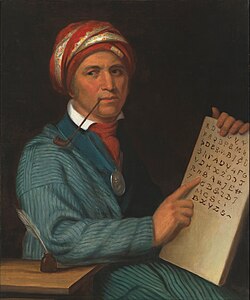
A separate group, the Eastern Band of Cherokee Indians, descends from Cherokee who avoided removal by hiding in the Smoky Mountains and now occupies a smaller reservation in western North Carolina near the original homeland. A third federally recognized band, the United Keetoowah Band, also resides in northeastern Oklahoma. The three nations cooperate on cultural and language preservation but operate as independent governments. The Cherokee syllabary, invented by Sequoyah around 1821 and adopted by the nation in 1825, remains in active use — one of the few writing systems in human history known to have been created by a single non-literate person.
| Reconstituted | 1839 in Indian Territory (modern Oklahoma) |
| Capital | Tahlequah, Oklahoma |
| Enrolled citizens | ~450,000 (second-largest U.S. tribe) |
| Modern government | Constitution adopted 1976; current form 2003 |
| Related bands | Eastern Band of Cherokee (NC); United Keetoowah Band (OK) |
| Removal | Trail of Tears, 1838–1839 — 3,000–8,000 deaths |
| Landmark ruling | McGirt v. Oklahoma (2020) — eastern Oklahoma still reservation |
| Date | Reconstituted: 1839 (Indian Territory); modern government: 1971 |
| Location | Tahlequah, Oklahoma |