Landmark Laws That Shaped America

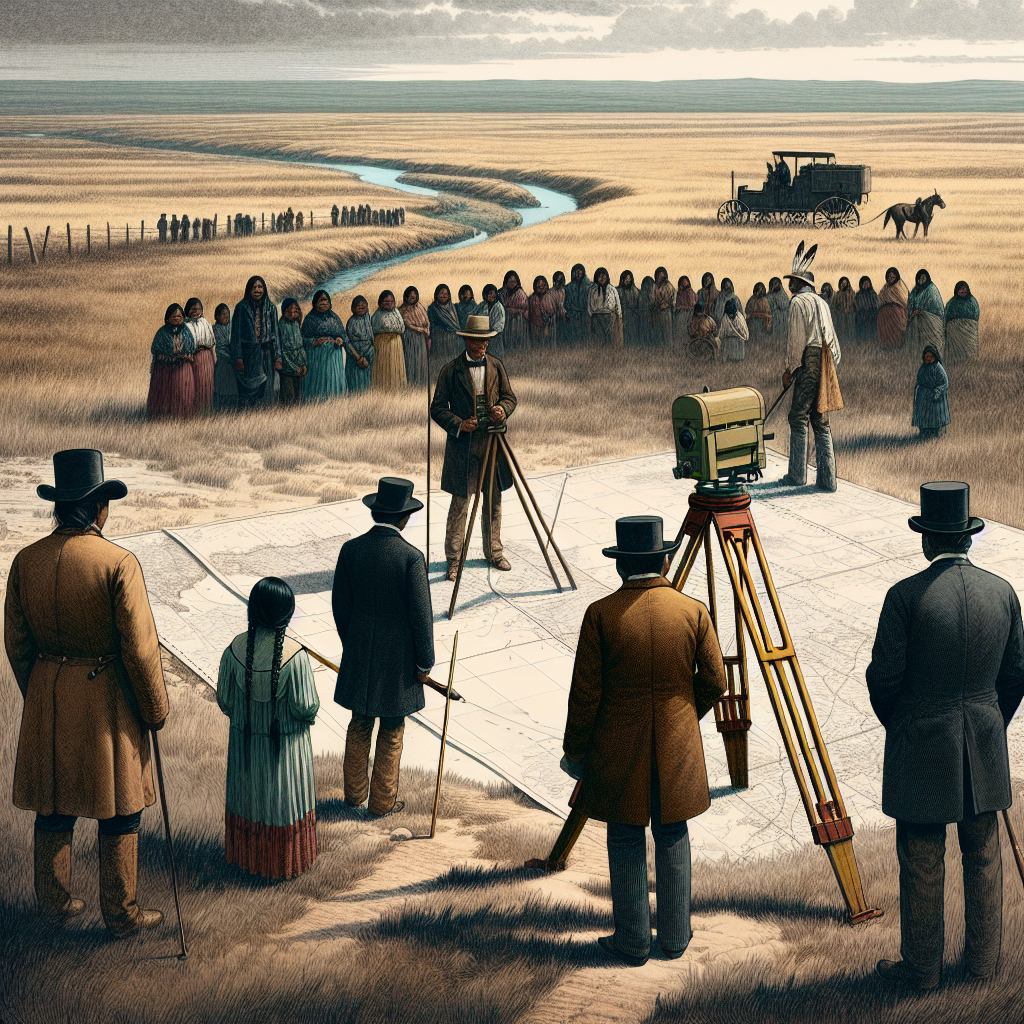
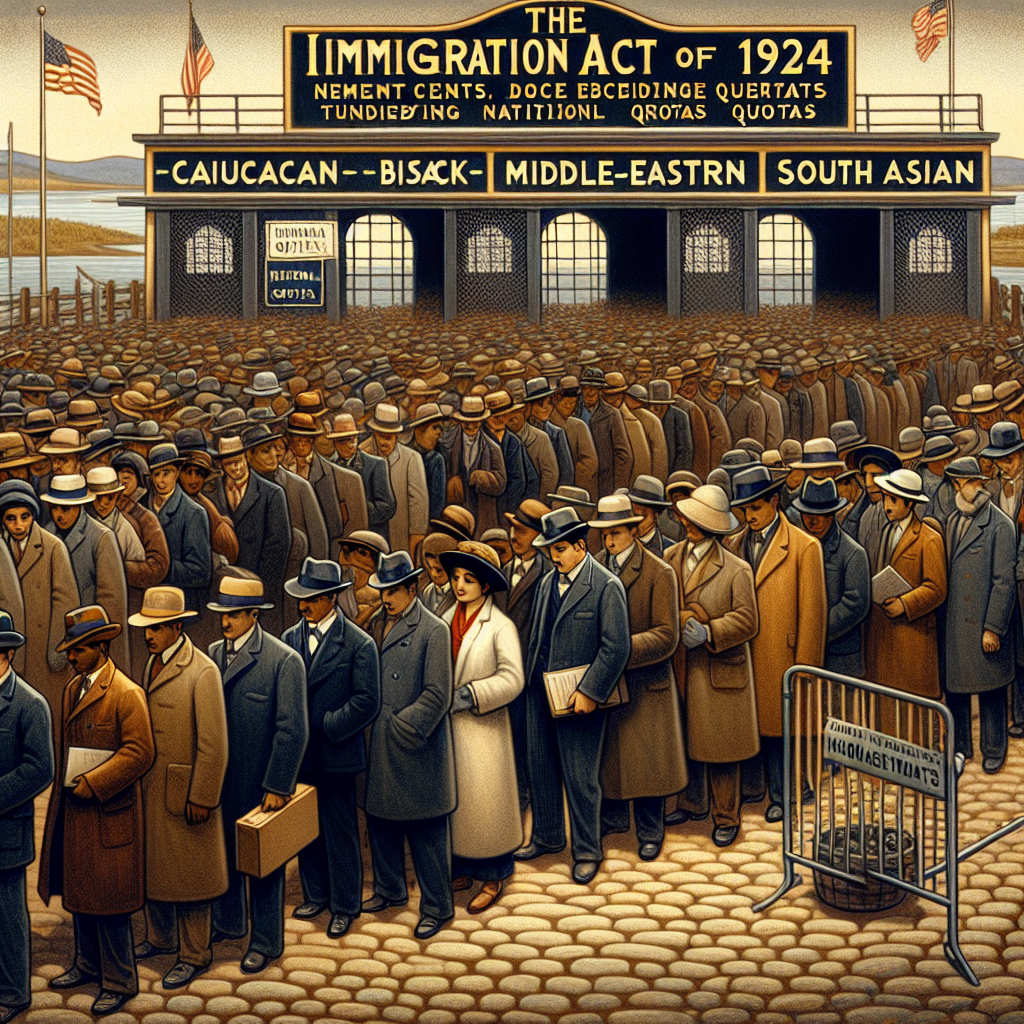
Much of American history is written in statute. The Constitution sets the frame, but the country's actual arguments — who may enter, who may vote, what work is worth, when the nation fights — get settled, provisionally, in acts of Congress. A law is a snapshot of what a majority believed at a particular moment, which makes the record uncomfortable as often as it is proud. The same institution that offered 160 free acres to any settler willing to work them also voted, two decades later, to bar immigrants by race. The Congress that criminalized criticism of the government in 1798 is the ancestor of the one that guaranteed the franchise in 1965.
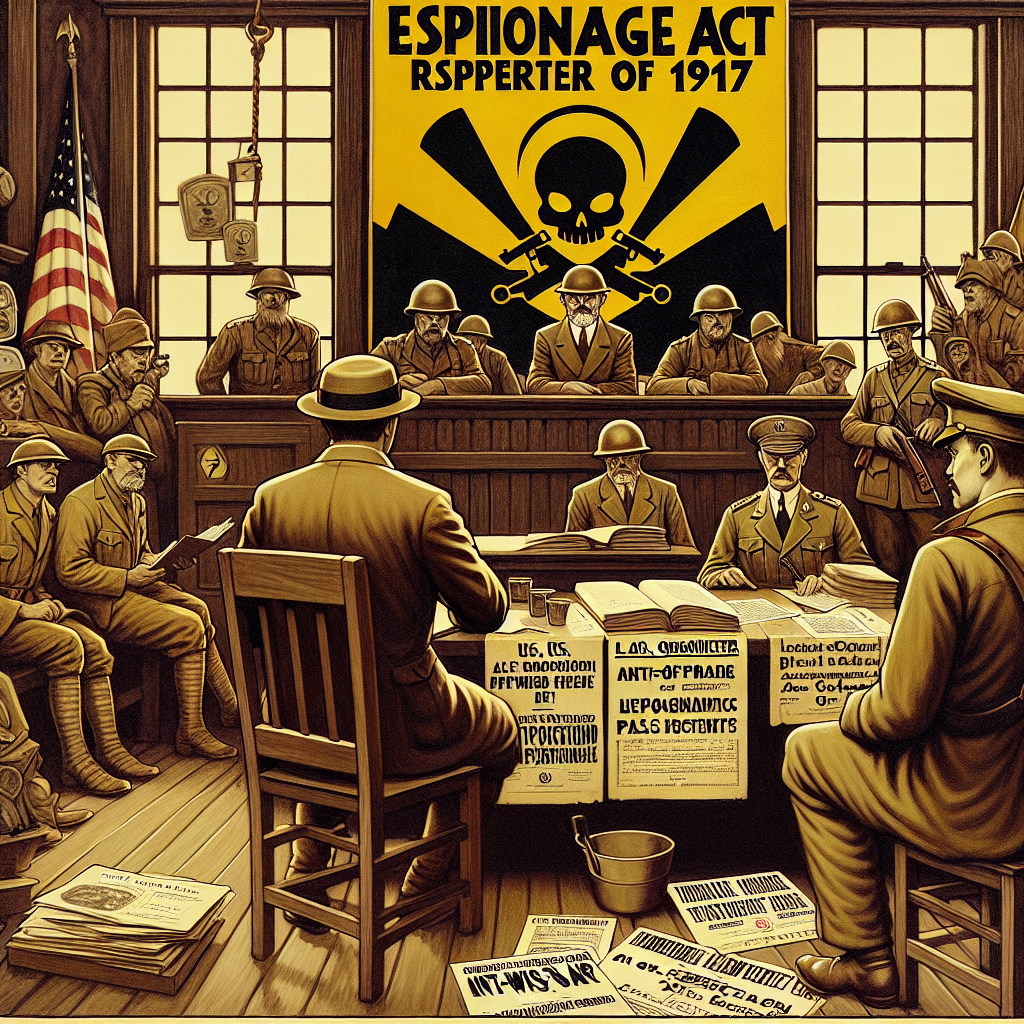
The 25 laws below run in chronological order, from the Adams administration's panic over French sympathizers to the surveillance state assembled after September 11. A pattern repeats across them: Congress legislates in response to a crisis — a war, a depression, an assassination — and the statute then outlives the emergency that produced it, doing work its authors never imagined. The Espionage Act of 1917 was written to catch German agents; it is now the government's chief instrument against leakers. Social Security began as Depression relief and became the largest item in the federal budget. Read in sequence, these acts are less a list of milestones than a running argument about what the federal government is for.






Constitutional amendments — the laws above the laws — get their own treatment in Constitutional Amendments Explained, and the system that produces every statute here is laid out in The U.S. Constitution: Articles, Amendments and Why They Matter.