Social Security Act
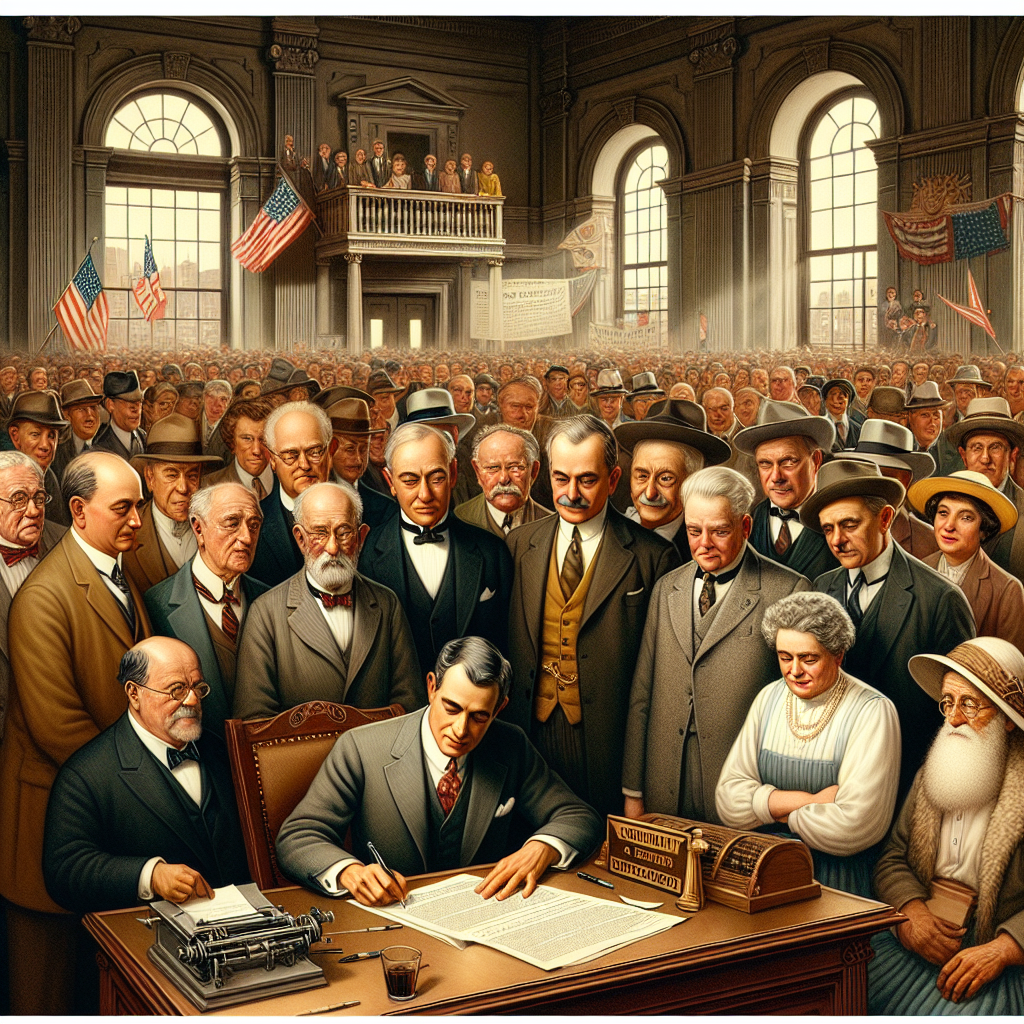
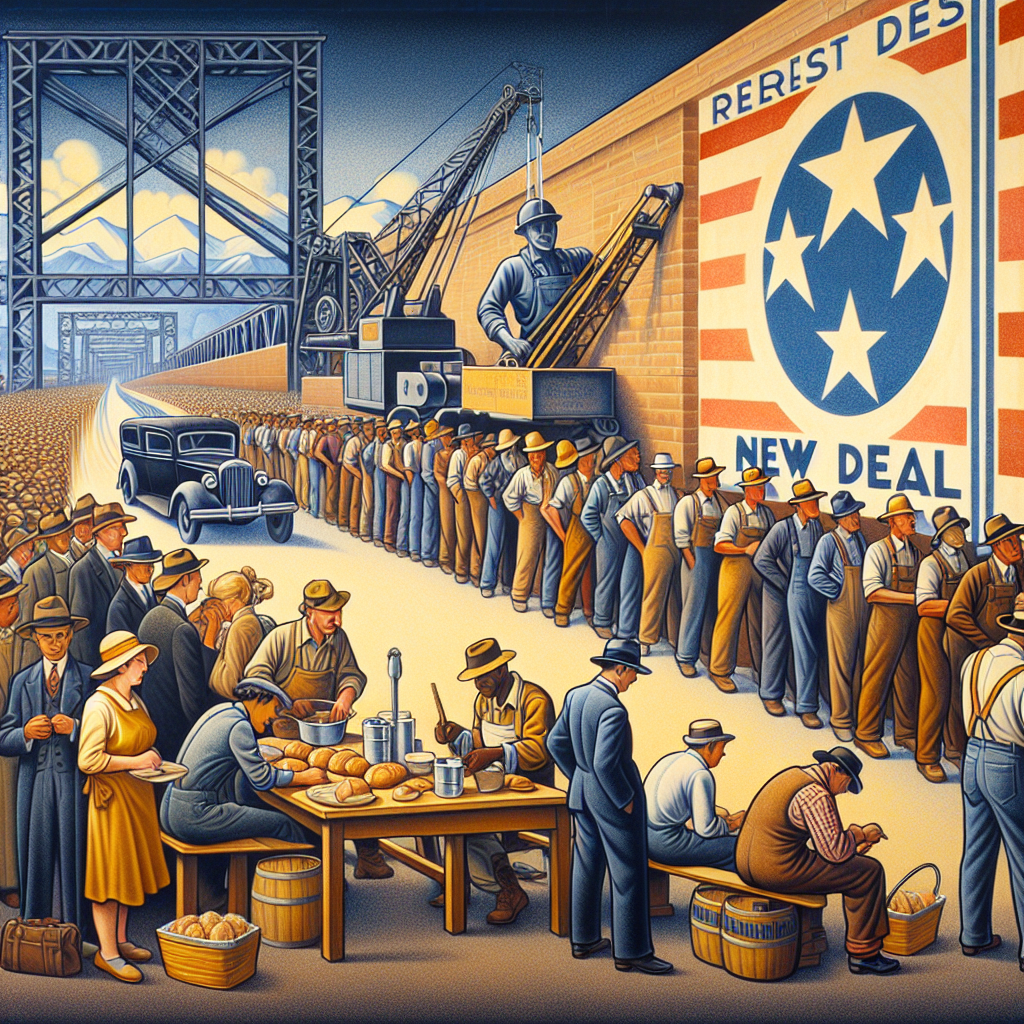
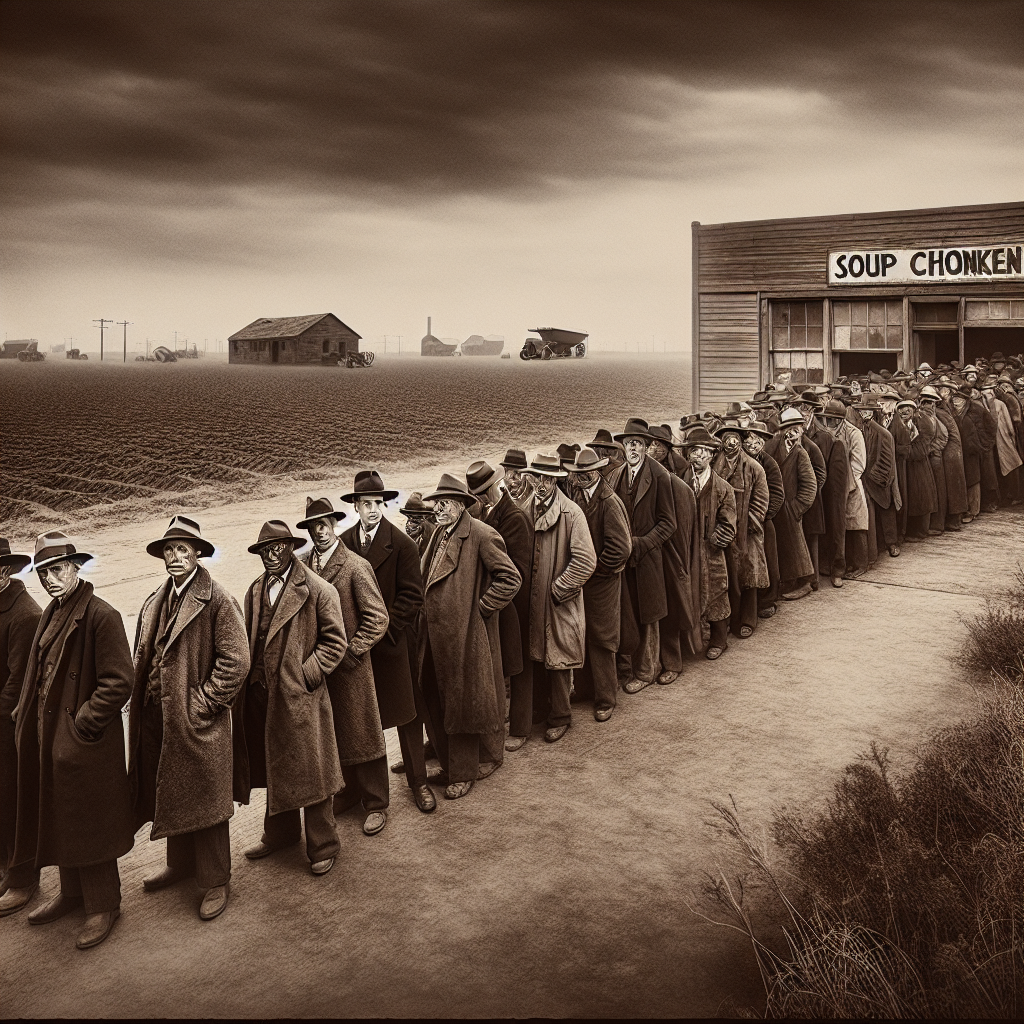
The Social Security Act, signed by Franklin D. Roosevelt on August 14, 1935, was the most significant expansion of the federal government's relationship to American citizens since the Reconstruction amendments. At a moment when a quarter of the workforce was unemployed, when the elderly poor had no systematic support, and when the structures of industrial capitalism had demonstrably failed to provide the security its boosters had promised, Social Security established that certain risks — old age, unemployment, disability — were social problems requiring collective solutions rather than personal failures requiring individual virtue.
The act created several distinct programs: old-age insurance (what most people now mean when they say "Social Security"), unemployment insurance administered by the states, and grants to states for aid to dependent children and public health. The old-age program was deliberately constructed as insurance rather than welfare — workers and employers both contributed payroll taxes, creating a contributory structure that made the program politically durable in a way that a straightforward transfer payment might not have been. Roosevelt was explicit about the political calculation: "no damn politician can ever scrap my social security program" if people felt they had paid into it.
The act's original exclusions were a compromise with Southern Democrats whose support was needed for passage. Agricultural and domestic workers — occupations dominated by Black Americans — were initially excluded from coverage. Those exclusions were gradually remedied in subsequent decades as the program expanded. Social Security today covers nearly every working American, provides the primary retirement income for most recipients, and remains consistently the most popular program in the federal government — having survived decades of political attack that has reduced or eliminated less durable New Deal programs.



| Signed | August 14, 1935 |
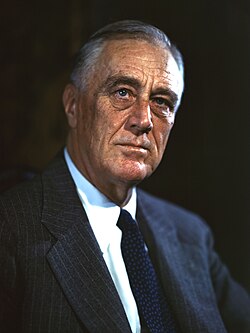
| President | Franklin D. Roosevelt |
| Key Programs | Old-age insurance; unemployment insurance; aid to dependent children |
| Funding | Payroll taxes on workers and employers |
| Original Gap | Agricultural and domestic workers initially excluded |
| Coverage Today | Nearly all U.S. workers; 70+ million recipients as of 2020s |
| Date | August 14, 1935 |
| Location | Washington, D.C. |