Chinese Exclusion Act
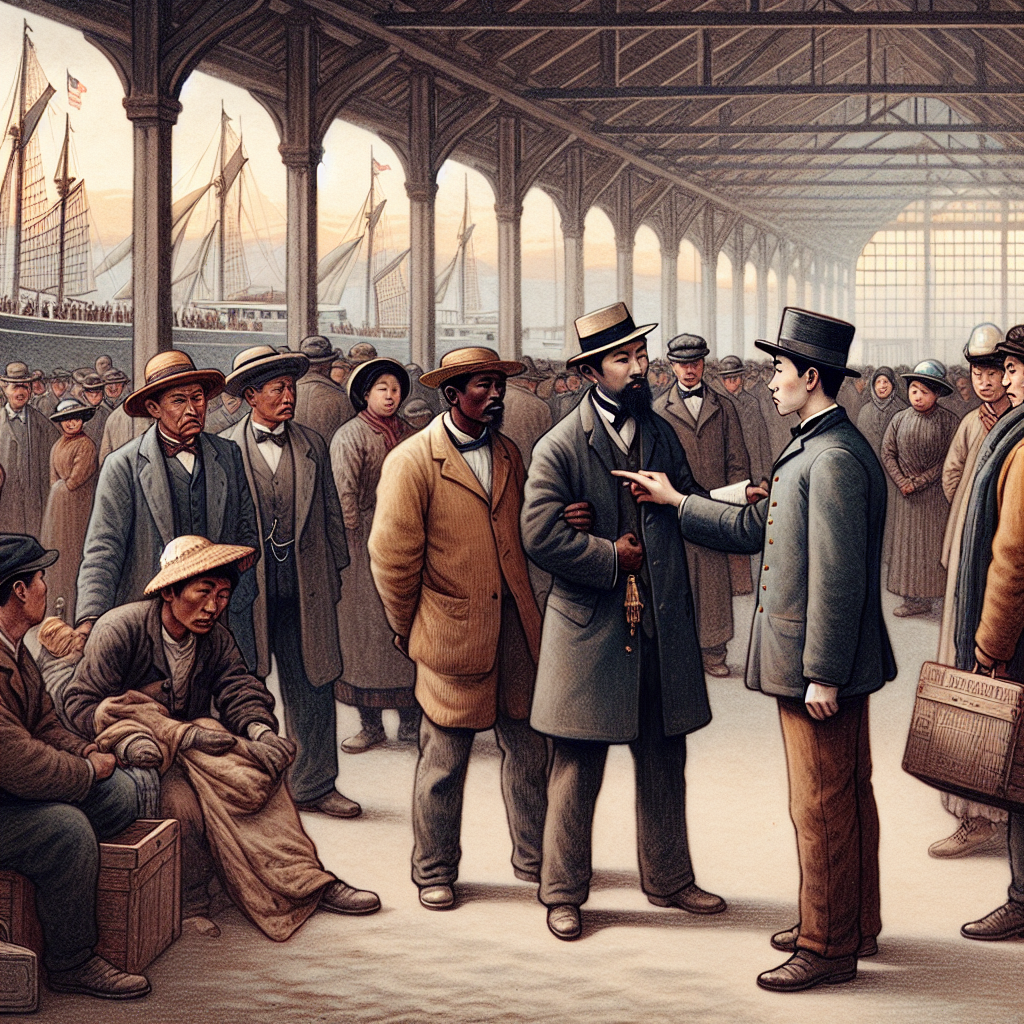
The Chinese Exclusion Act, signed by President Chester Arthur on May 6, 1882, was the first federal law in American history to restrict immigration on the basis of race and nationality. It barred Chinese laborers from entering the United States for ten years and prohibited Chinese immigrants already in the country from becoming naturalized citizens. The act was the culmination of a decade of anti-Chinese agitation centered in California, where Chinese workers — who had provided a substantial share of the labor force for the transcontinental railroad and the Western mines — were blamed for suppressing wages and displacing white workers during the economic contractions of the 1870s.
The exclusion was never temporary. The ten-year ban was renewed and tightened by the Geary Act in 1892, which additionally required all Chinese residents to carry internal identity papers at all times — the first domestic passport requirement in American history — and renewed again in 1902 before being made permanent in 1904. Chinese immigrants already in the country found themselves in a state of permanent legal limbo: unable to become citizens, barred from owning land in many states, ineligible for most public benefits, and subject to targeted violence with little legal recourse.
Congress formally repealed the act on December 17, 1943 — not as a recognition of its injustice, but because China was a wartime ally and the act had become a diplomatic liability. The repeal created a token immigration quota of 105 Chinese persons per year and granted long-resident Chinese Americans a path to naturalization. Full equality in immigration law came only with the Immigration and Nationality Act of 1965. In 2012, the U.S. House and Senate passed resolutions expressing regret for the act — 130 years after its enactment.
| Enacted | May 6, 1882 |
| Signed By | President Chester Arthur |
| Prohibited | Chinese laborers from entering the United States |
| Extended By | Geary Act (1892); Scott Act (1902); made permanent 1904 |
| Geary Act | Required all Chinese U.S. residents to carry internal identity papers |
| Repealed | December 17, 1943 (Magnuson Act) |
| Congressional Regret | Formal resolutions of regret, U.S. House and Senate, 2012 |
| Date | Signed May 6, 1882; repealed December 17, 1943 |
| Location | Washington, D.C. |