The USA PATRIOT Act
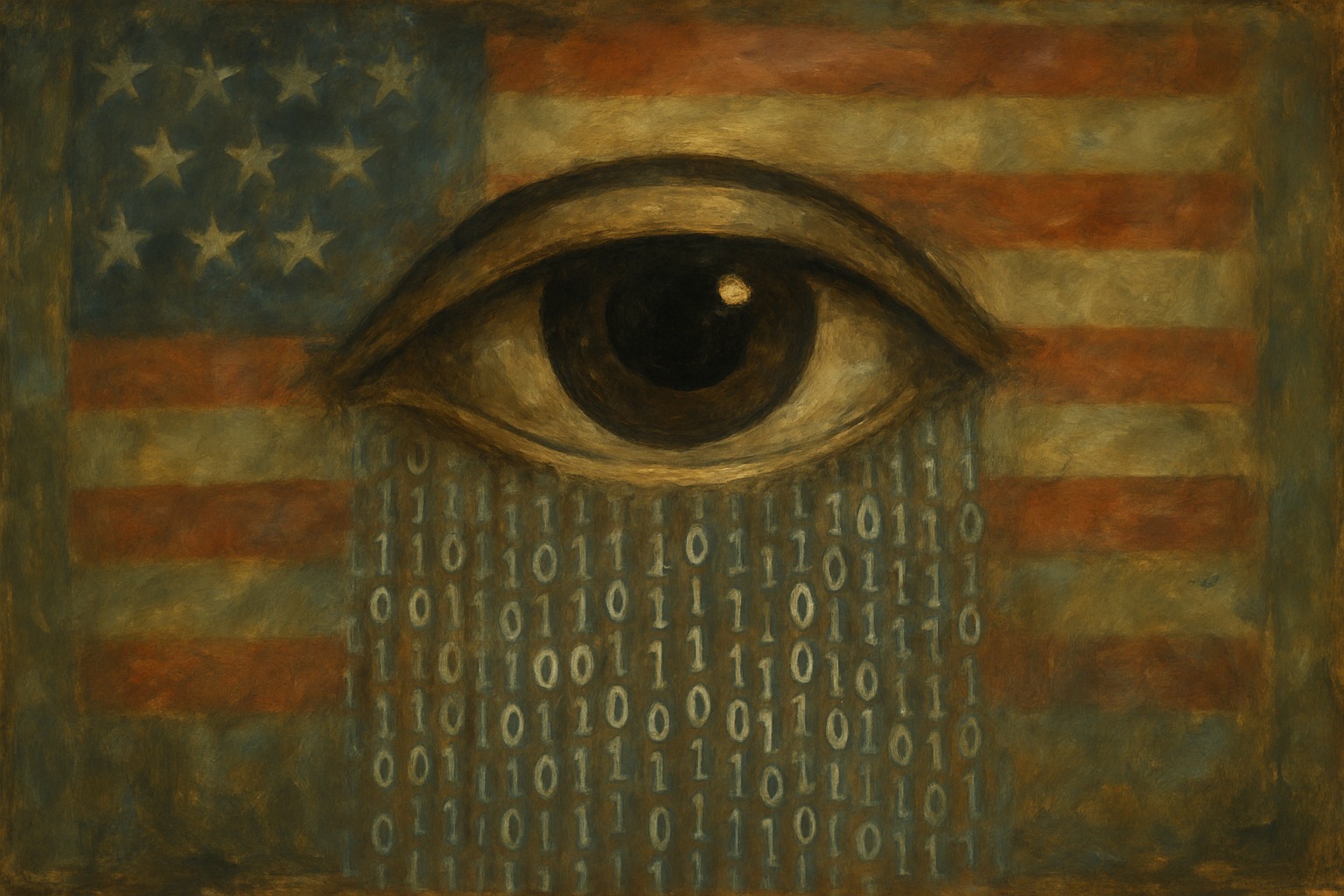
Passed just six weeks after the September 11 attacks and signed by President George W. Bush on October 26, 2001, the USA PATRIOT Act dramatically expanded the federal government's powers to investigate and surveil in the name of counterterrorism. Its tortured name was an acronym — Uniting and Strengthening America by Providing Appropriate Tools Required to Intercept and Obstruct Terrorism — and it passed Congress with overwhelming, near-unanimous support amid national shock and fear.
The law tore down walls between intelligence and law-enforcement agencies, eased the rules for wiretaps and searches, expanded the government's ability to obtain business and library records, and authorized "roving" surveillance of suspects across devices. Provisions allowing secret access to records and "sneak and peek" searches, conducted without immediate notice to the target, became especially controversial.
Civil-liberties advocates warned almost immediately that the act sacrificed fundamental privacy protections for a sense of security, and that its sweeping powers invited abuse. Those fears intensified in 2013 when leaks by Edward Snowden revealed that the National Security Agency had used the law's authorities to collect the phone records of millions of Americans in bulk — a program a federal appeals court later found had exceeded what Congress authorized.
Congress reauthorized and modified the act several times, and in 2015 the USA FREEDOM Act curtailed the bulk collection of phone metadata. The PATRIOT Act came to stand for the central dilemma of the post-9/11 era: how far a democracy should go in trading liberty for safety, a question the country has never fully settled.
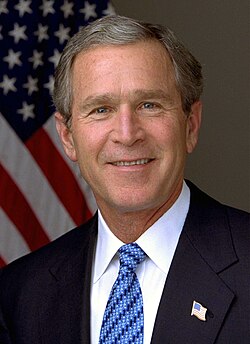
| Signed | October 26, 2001 |
| President | George W. Bush |
| Purpose | Expand counterterrorism surveillance powers |
| Key Powers | Eased wiretaps, records access, roving surveillance |
| Controversy | Privacy and civil-liberties concerns |
| Curtailed | USA FREEDOM Act (2015) limited bulk collection |
| Date | Signed October 26, 2001 |
| Location | Washington, D.C. |