The Colonial Settlements: Who Settled Where, and Why
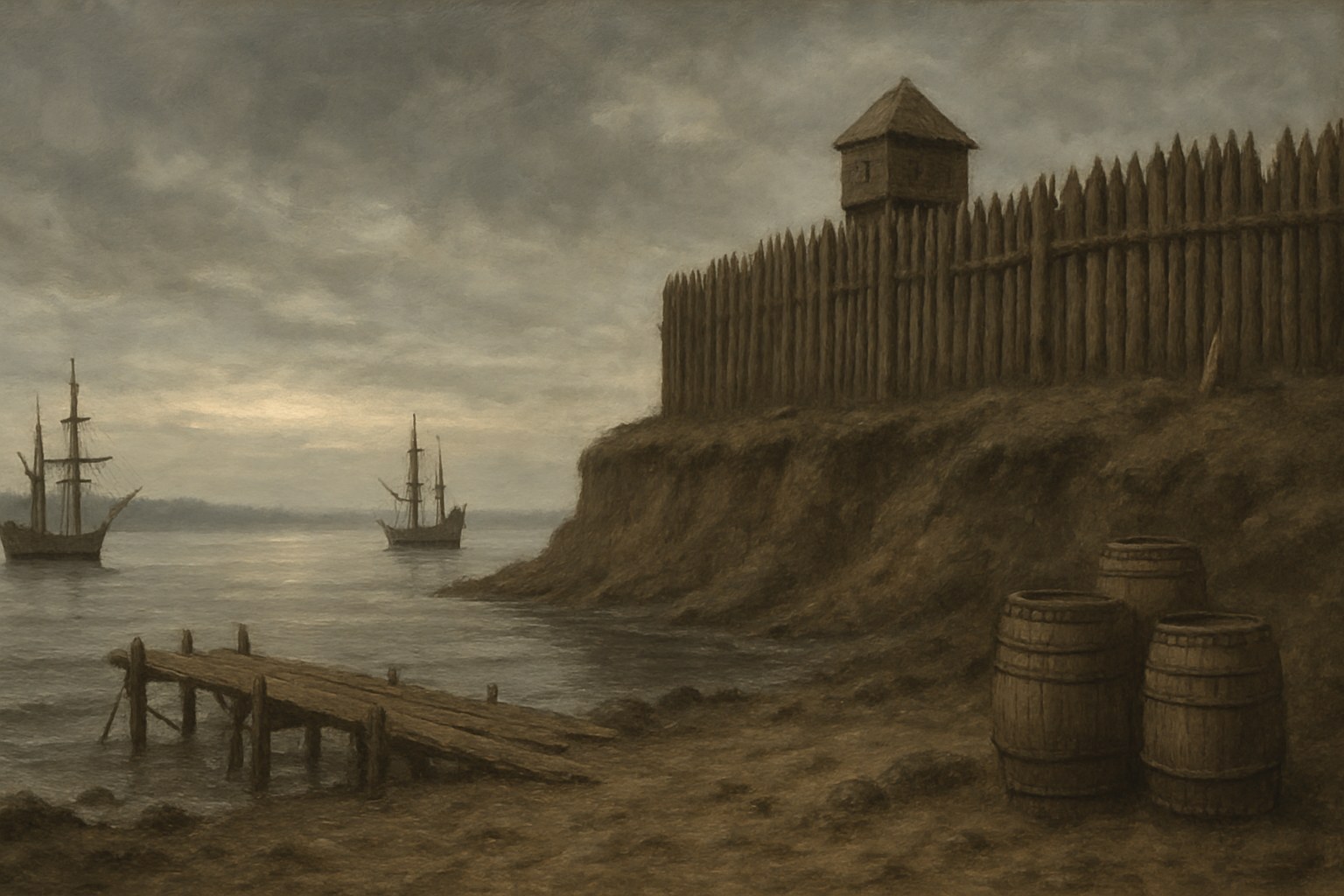
By 1650 the Atlantic seaboard of North America held Spanish soldiers in Florida, English planters in Virginia, English congregations in New England, Dutch fur traders on the Hudson, and Swedish and Finnish farmers on the Delaware. They arrived within a few decades of each other, they were often within a week's sail, and they had almost nothing in common. Some came for gold, some for souls, some for beaver pelts, and some because staying home had become intolerable. What each colony wanted determined almost everything about it — who was allowed in, how the land was divided, and whether the settlement survived.
This guide follows the settlements in the order they were built, from the failed and half-forgotten first attempts through the two English footholds that took root, into the Dutch colony that most American histories skip past, and out to the rivals on the coast who were absorbed before the English arrived. The Dutch section is the longest here for a reason. New Netherland lasted only forty years, but it put a polyglot trading town at the mouth of the Hudson, a fur post at the head of navigation, and a habit of commercial tolerance at the center of the future United States.
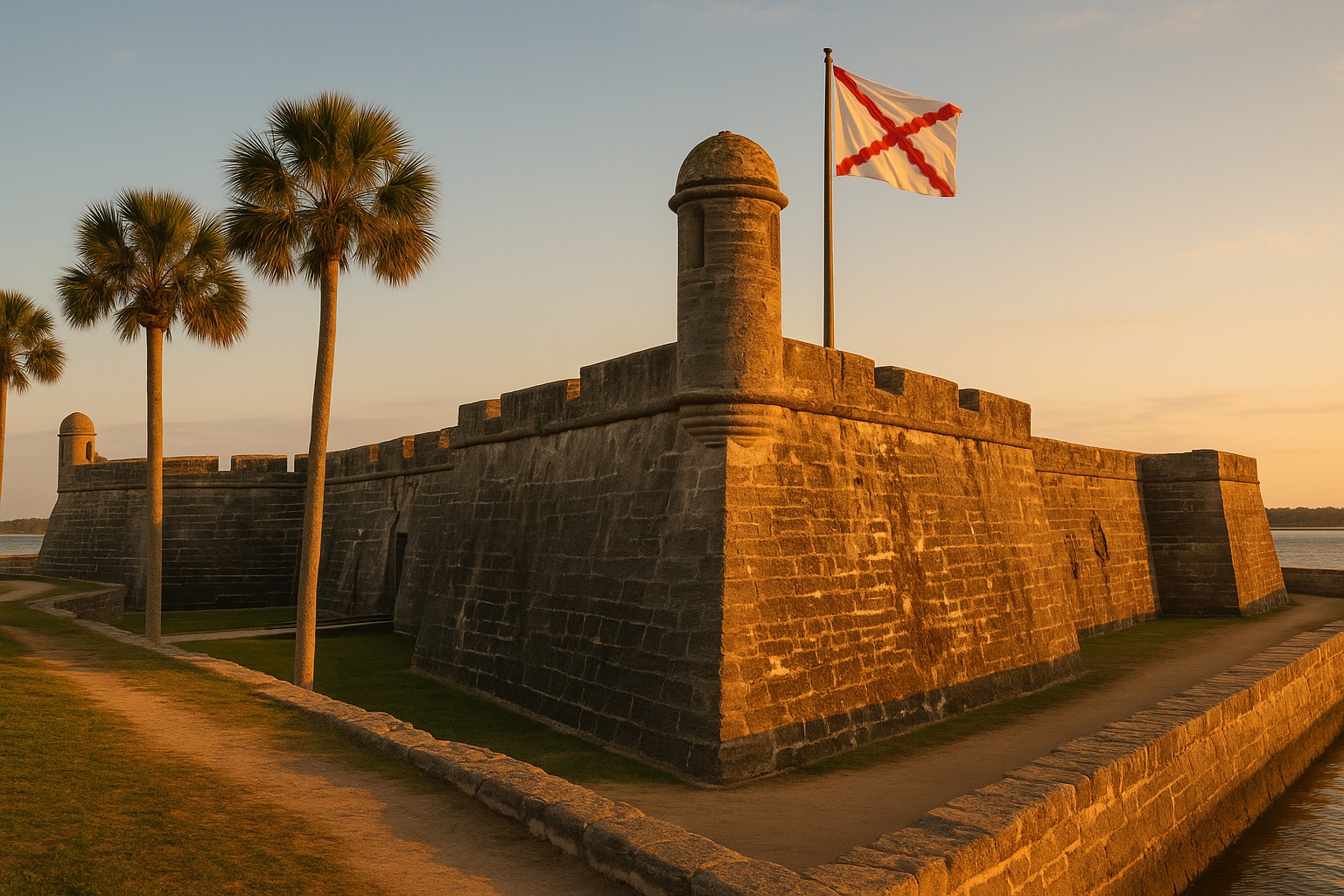
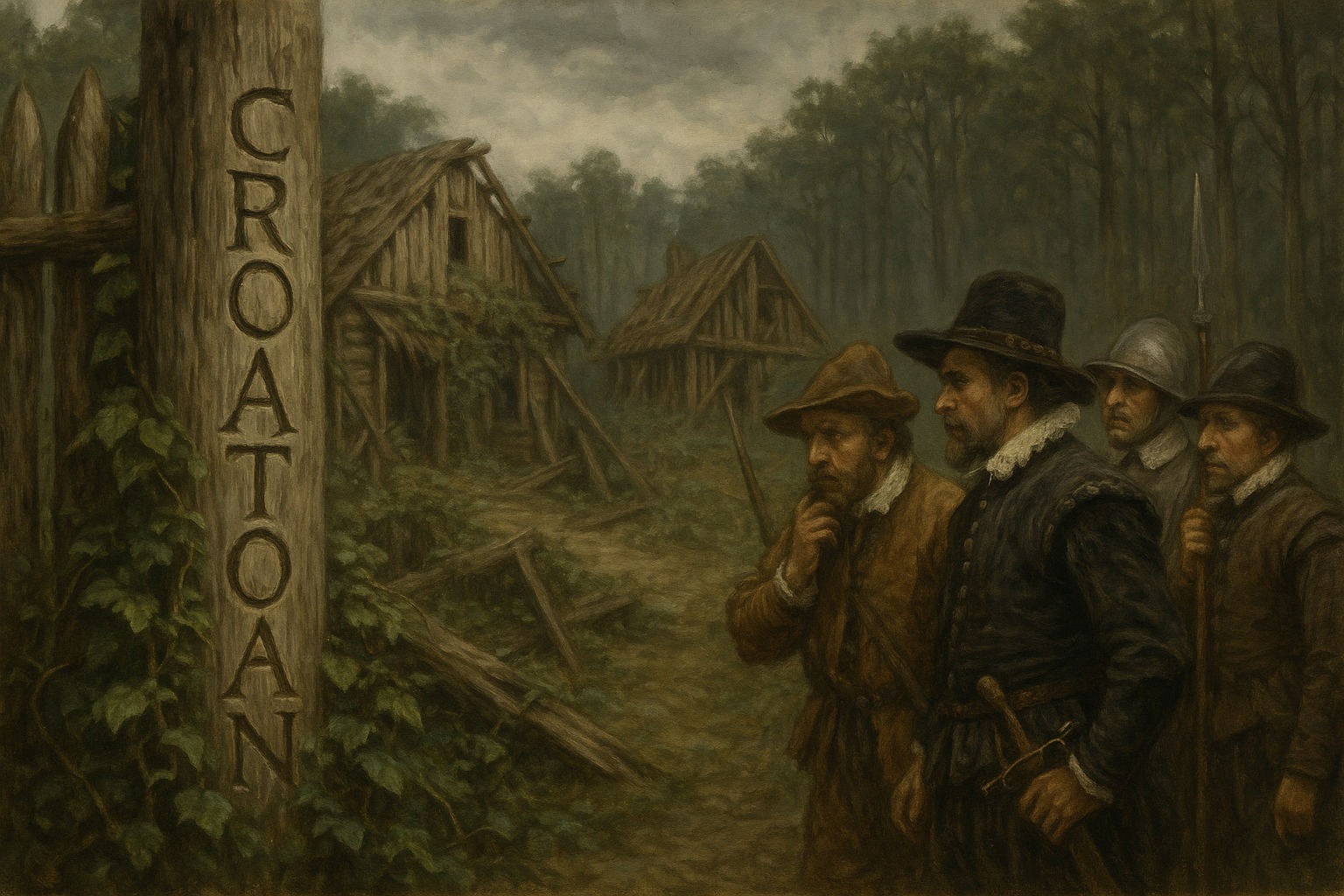
The first European settlements on this coast were military and missionary rather than agricultural, and most of them failed. Spain planted a garrison in Florida in 1565 to guard the treasure fleets and held it for two centuries. England tried twice on an island in the Outer Banks and lost both attempts. What all of them ran into was the same set of facts — unfamiliar disease, food they could not grow, and Native nations with their own politics and their own reasons for helping or refusing.
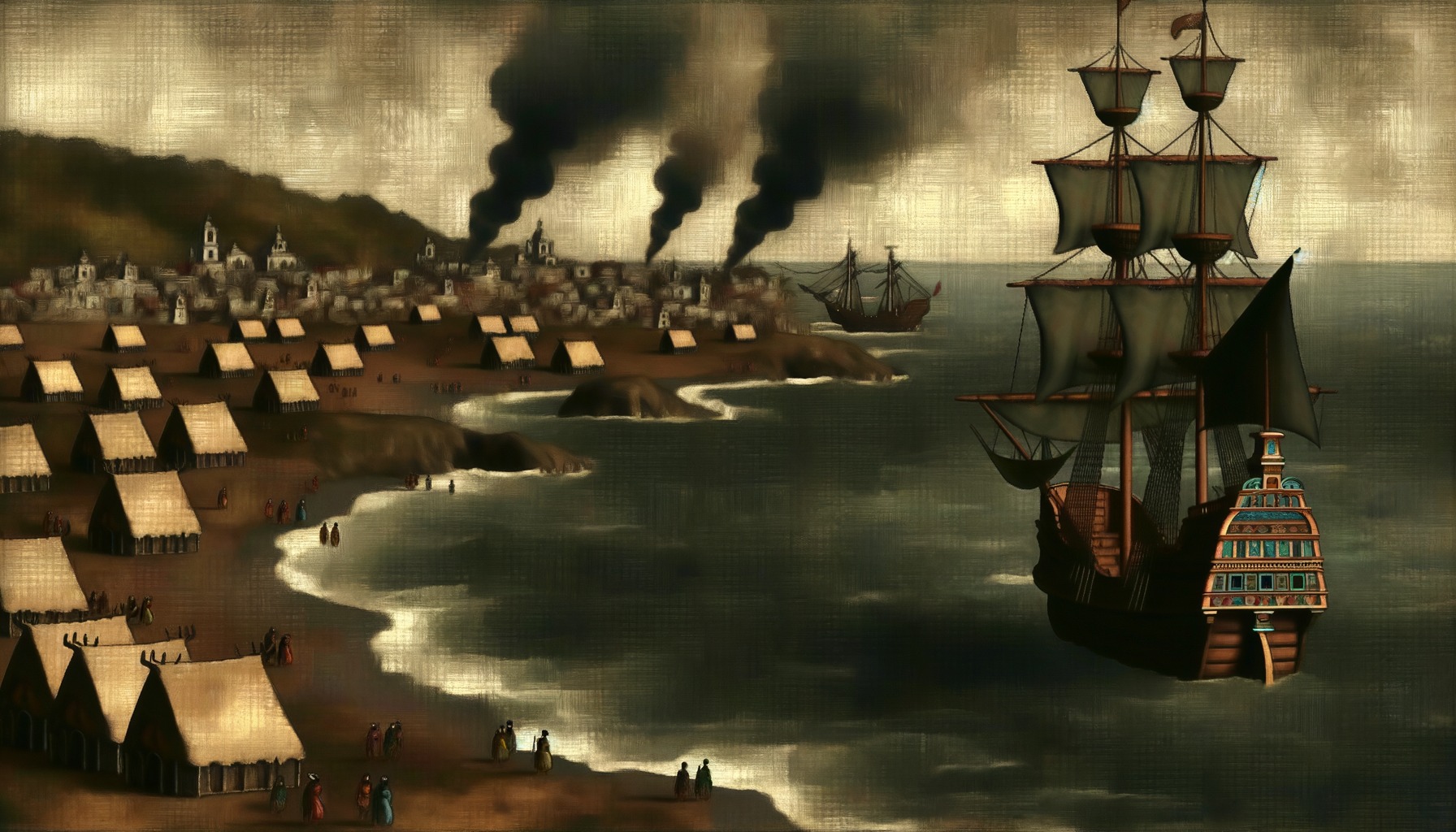

Two English colonies survived the 1620s, and they were opposites. Virginia was a joint-stock venture that nearly starved to death before tobacco made it profitable and indentured labor made it grow. New England was settled by families fleeing a church they thought corrupt, who brought their own ministers, their own charter, and a plan for a godly society. Both were on the same coast. Neither would have recognized the other's reasons for being there.
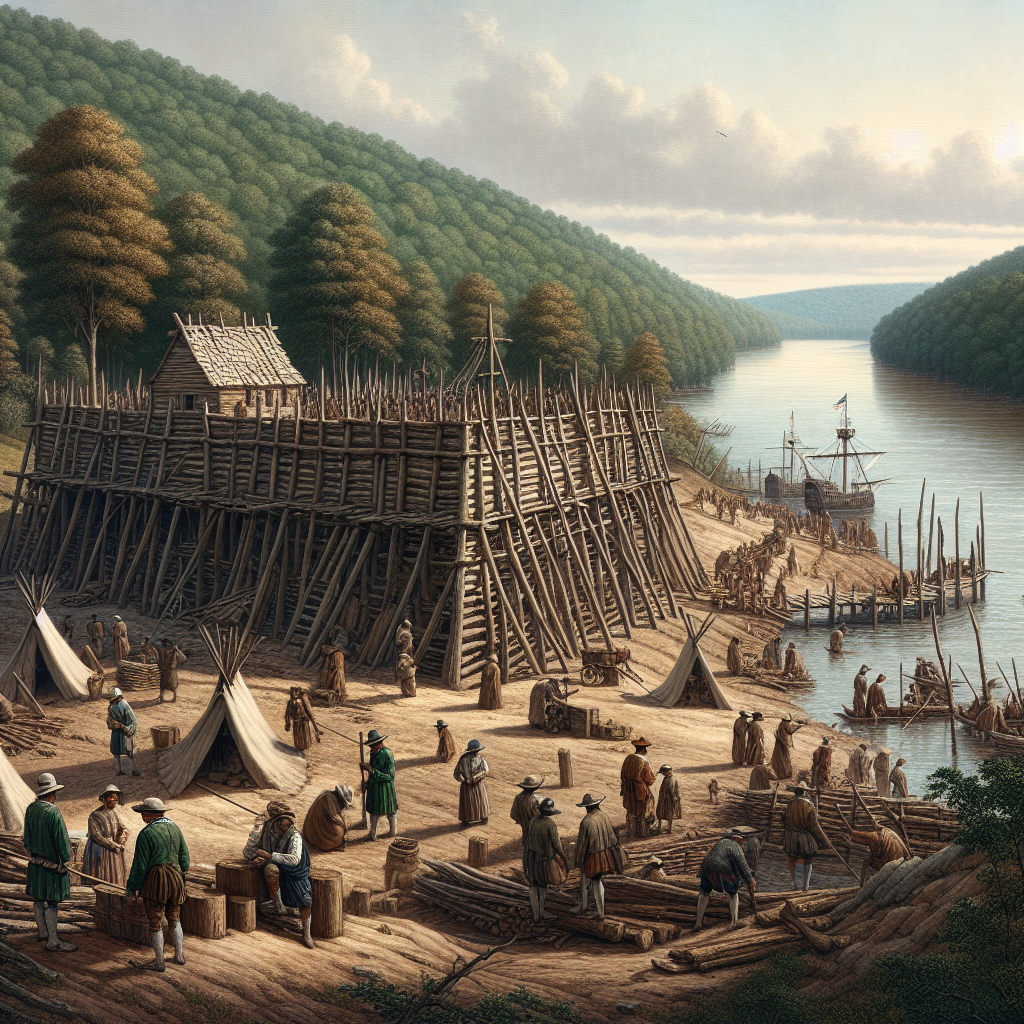


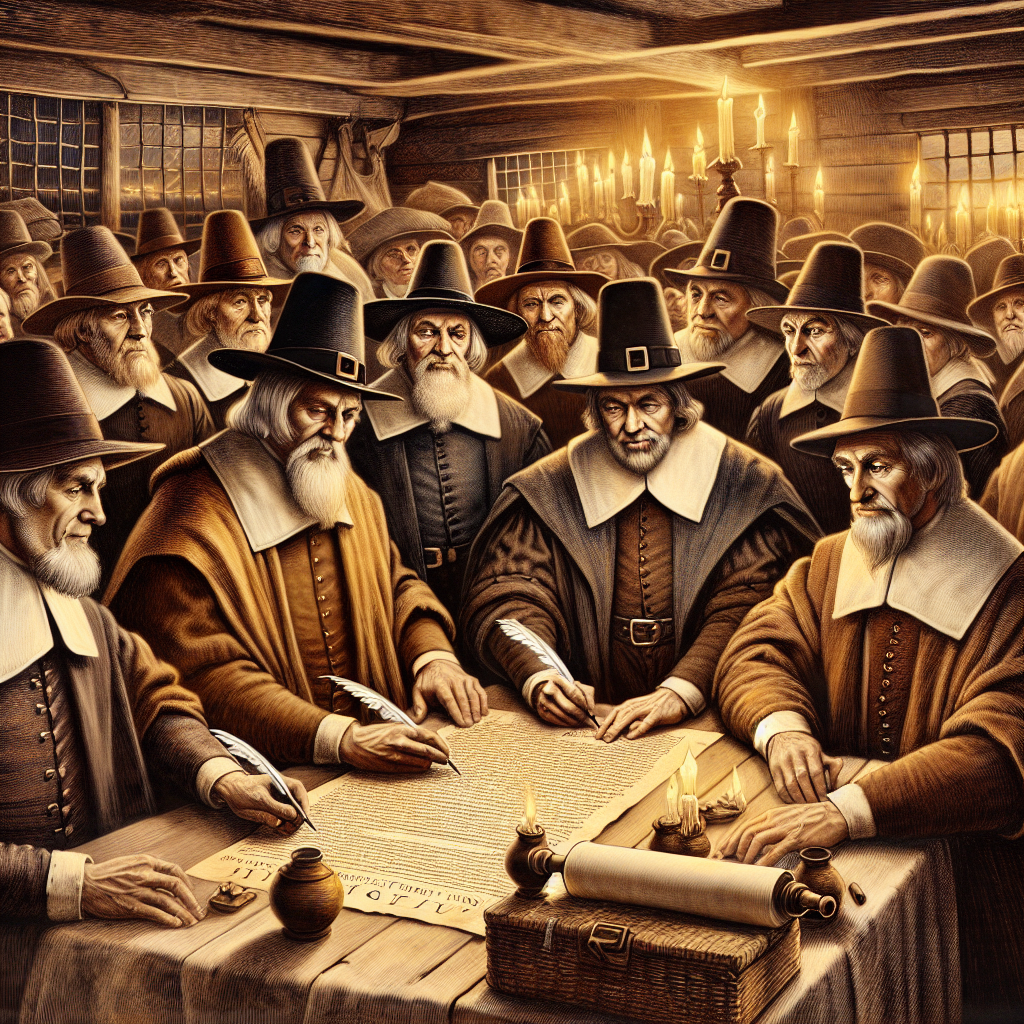
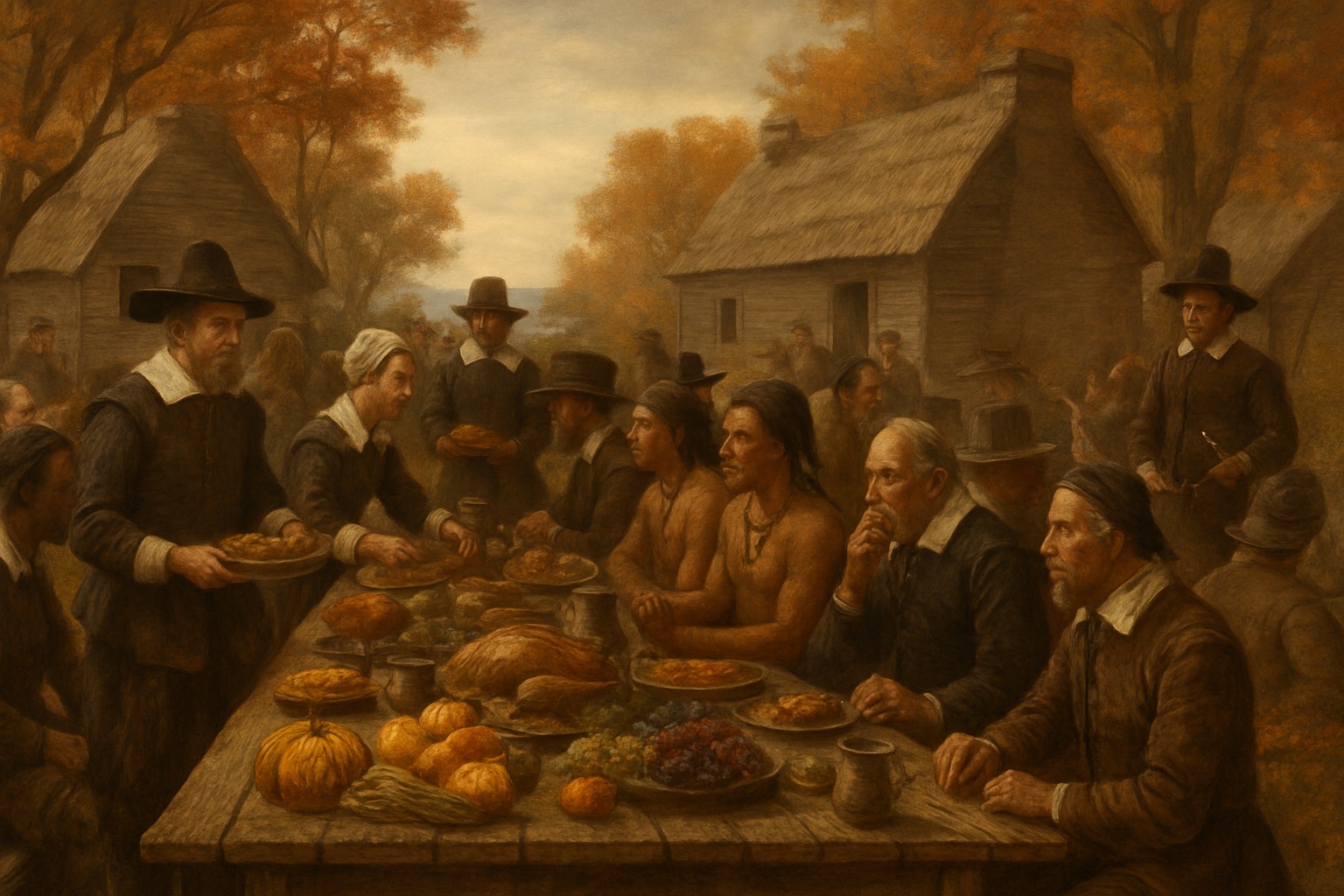
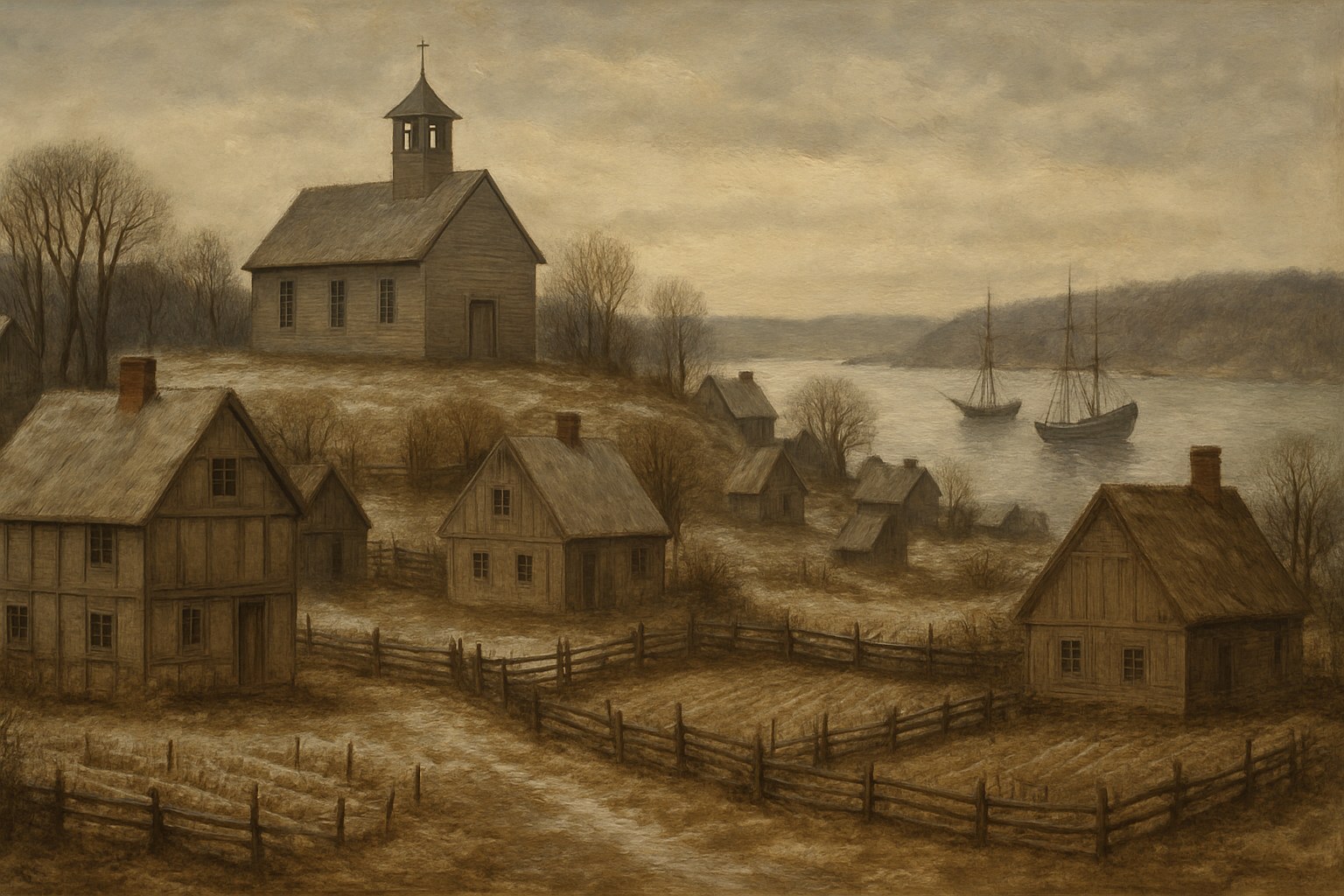
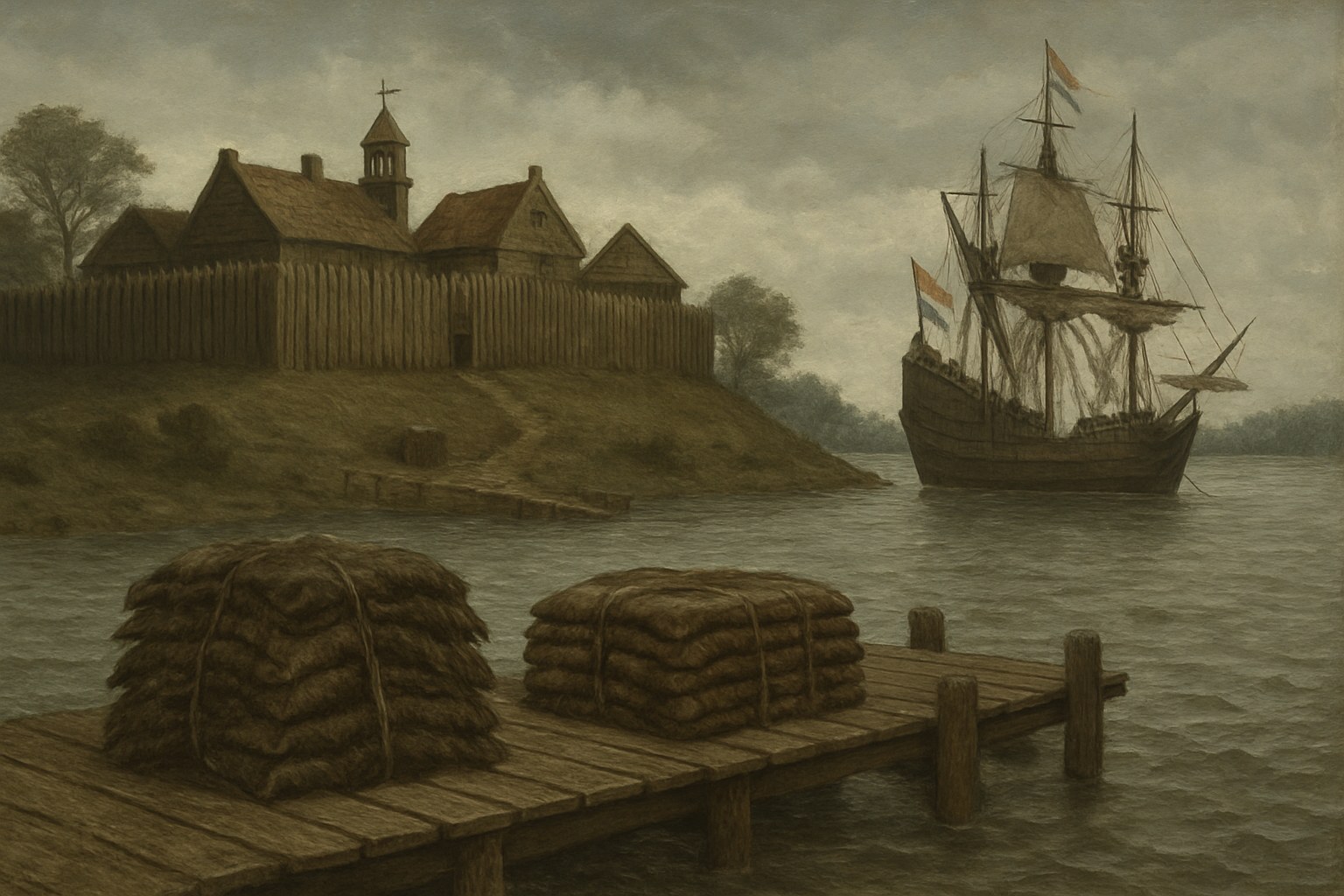
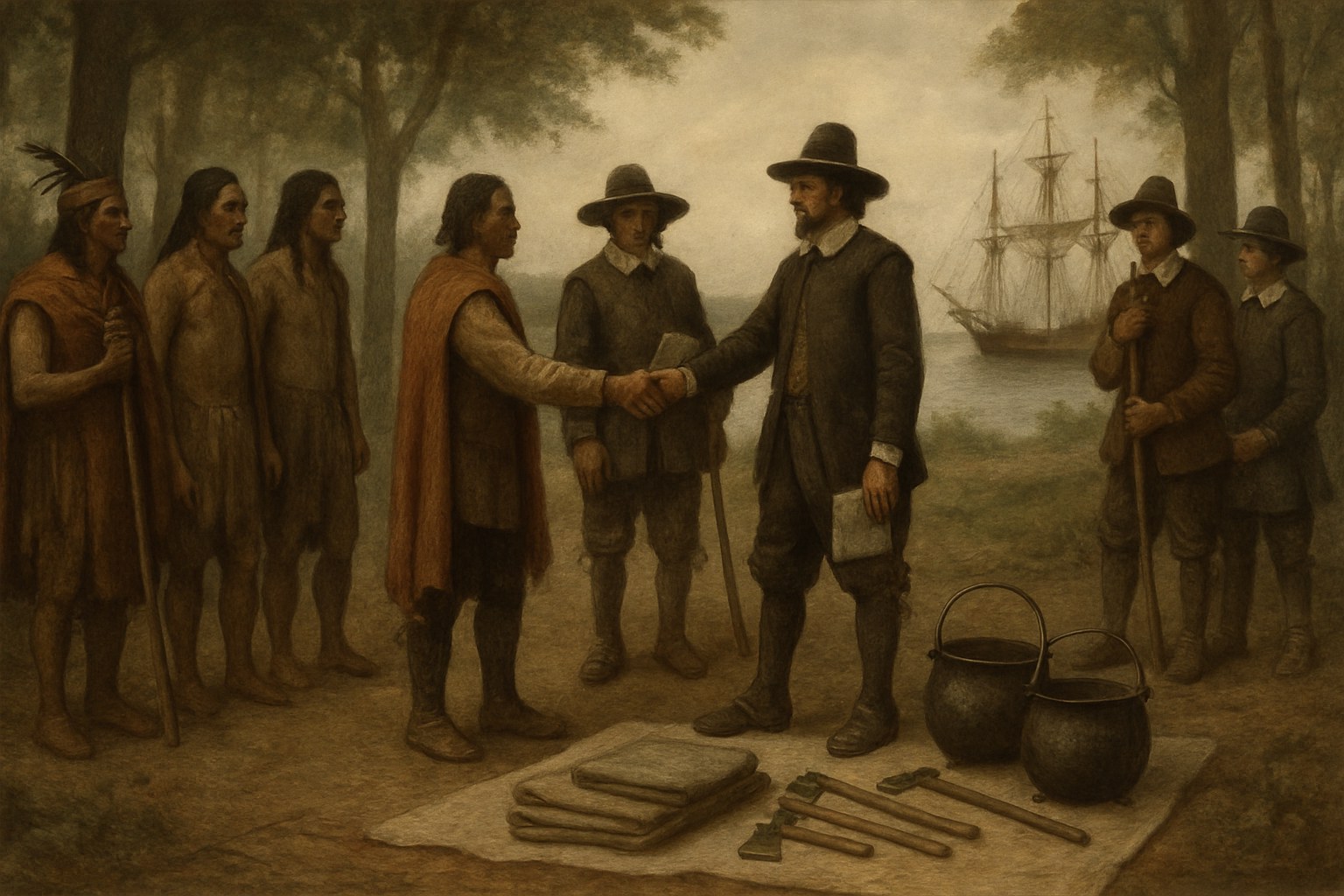
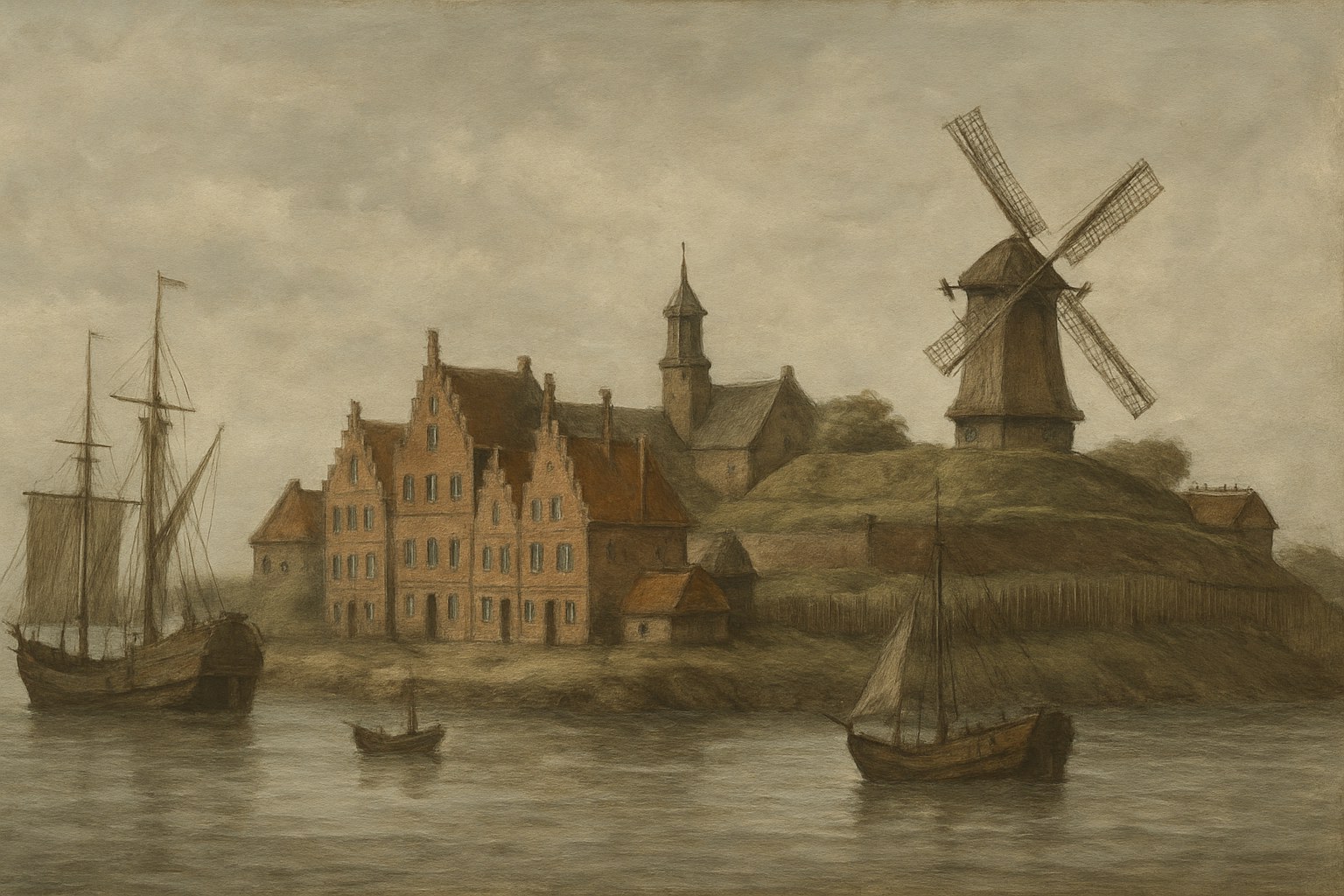
The Dutch came for beaver, not for God, and it shaped everything. New Netherland was a company operation with shareholders to satisfy, which meant it took anyone who could trade and tolerated beliefs its own directors detested. It also meant it never attracted enough settlers to defend itself. Forty years after the first families landed, an English fleet took the colony without firing — and the trading town, the wall, the place names, and the commercial temperament all stayed exactly where they were.
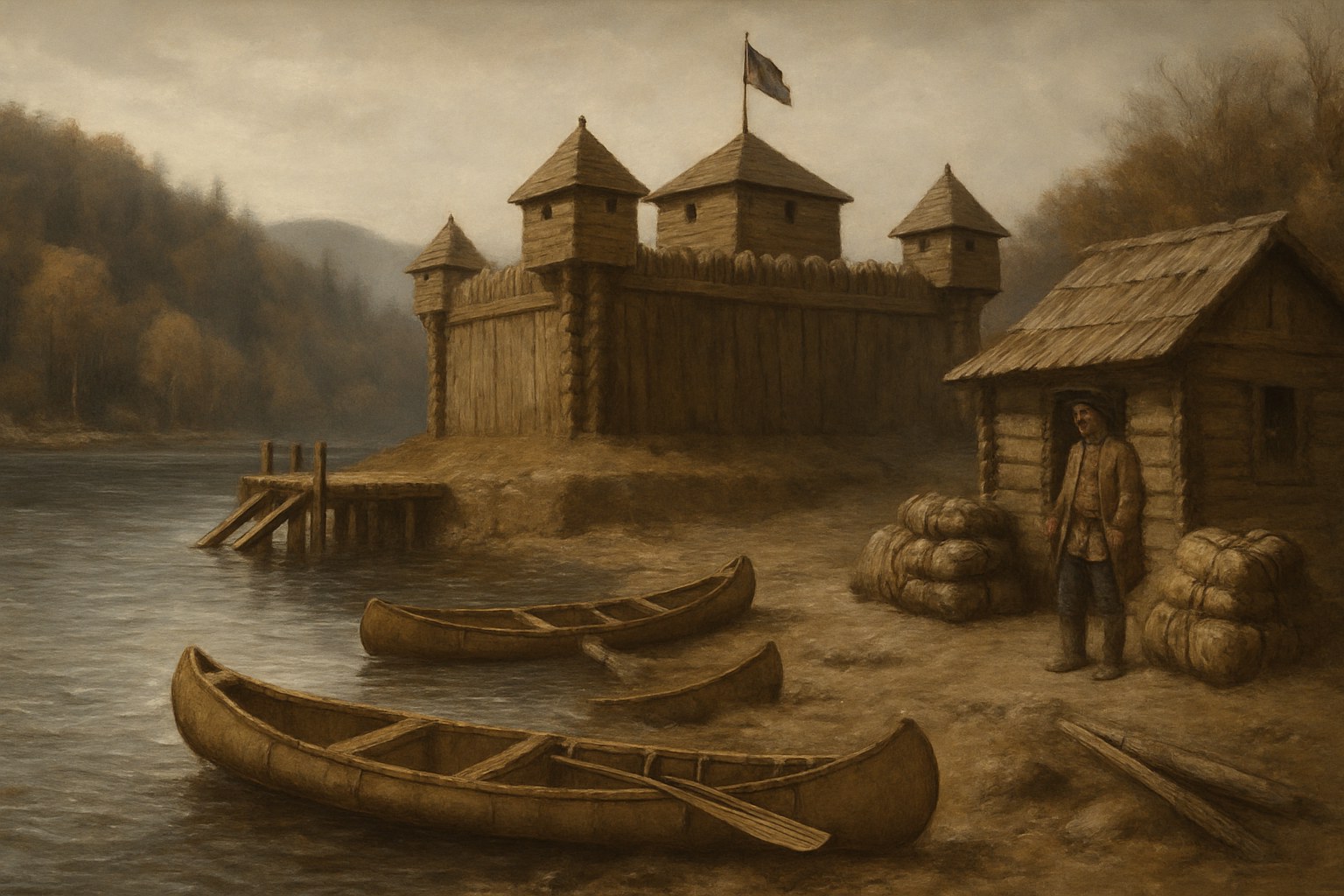
The mid-Atlantic was contested ground. Sweden put a few hundred Swedes and Finns on the Delaware, held it for seventeen years, and left behind the log cabin. The Iroquois Confederacy, far from being a bystander, was the strongest power in the northeast and used European rivalry deliberately. When the English finally consolidated the coast, they did it on top of Dutch towns, Swedish farms, and Native alliances they had not made.
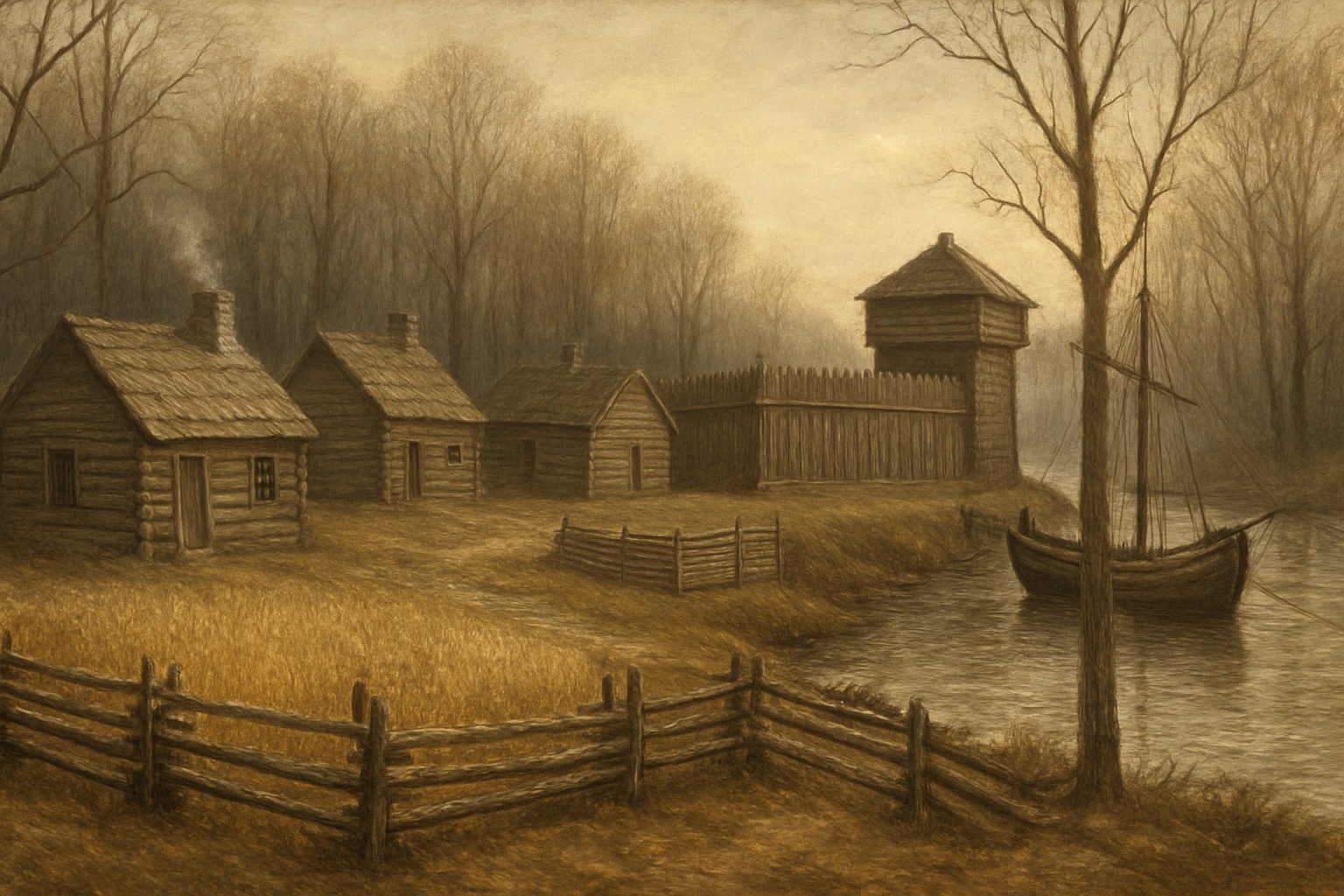
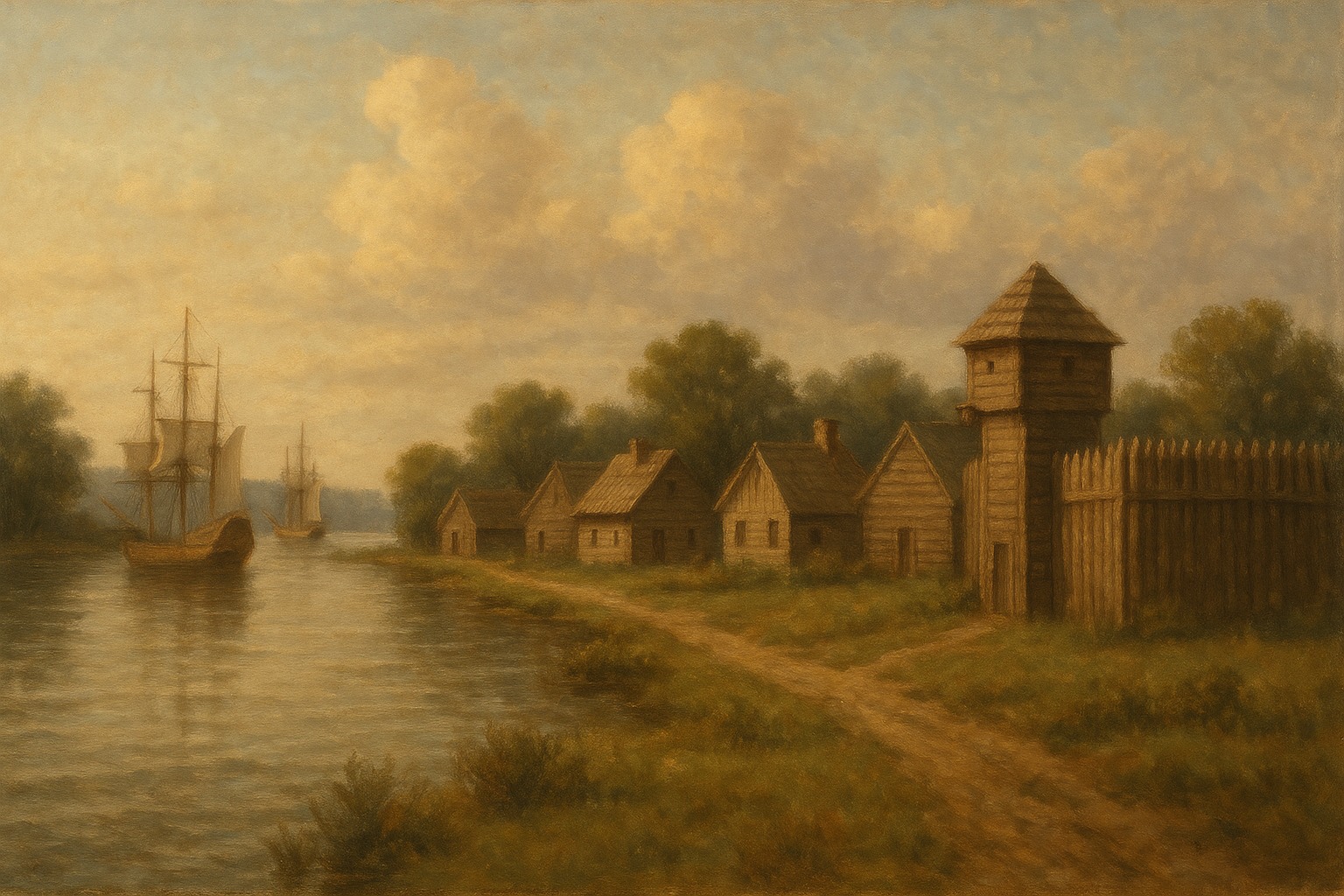


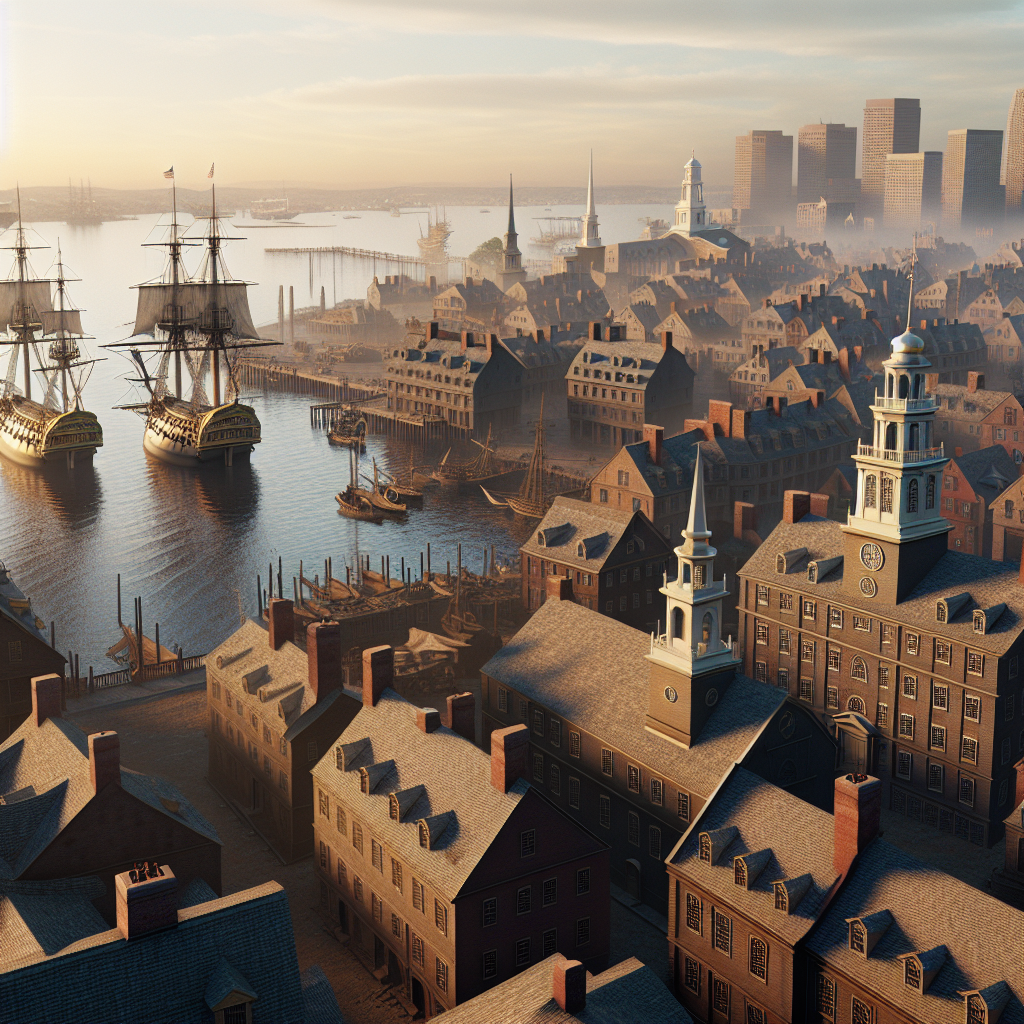
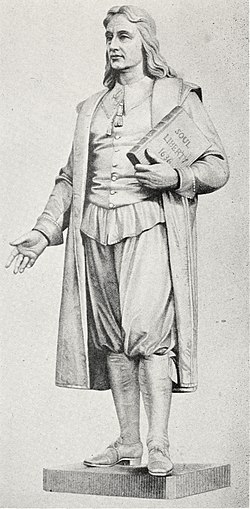
By 1700 the separate settlements had become a single English coastline with very different insides. The Dutch port became the most commercially minded city in North America, Boston became the most argumentative, and Rhode Island became the place people went when the others expelled them. Underneath all of it, a labor system that began with indentured English servants had hardened into hereditary racial slavery, and that, more than any founding charter, set the terms of the century to come.

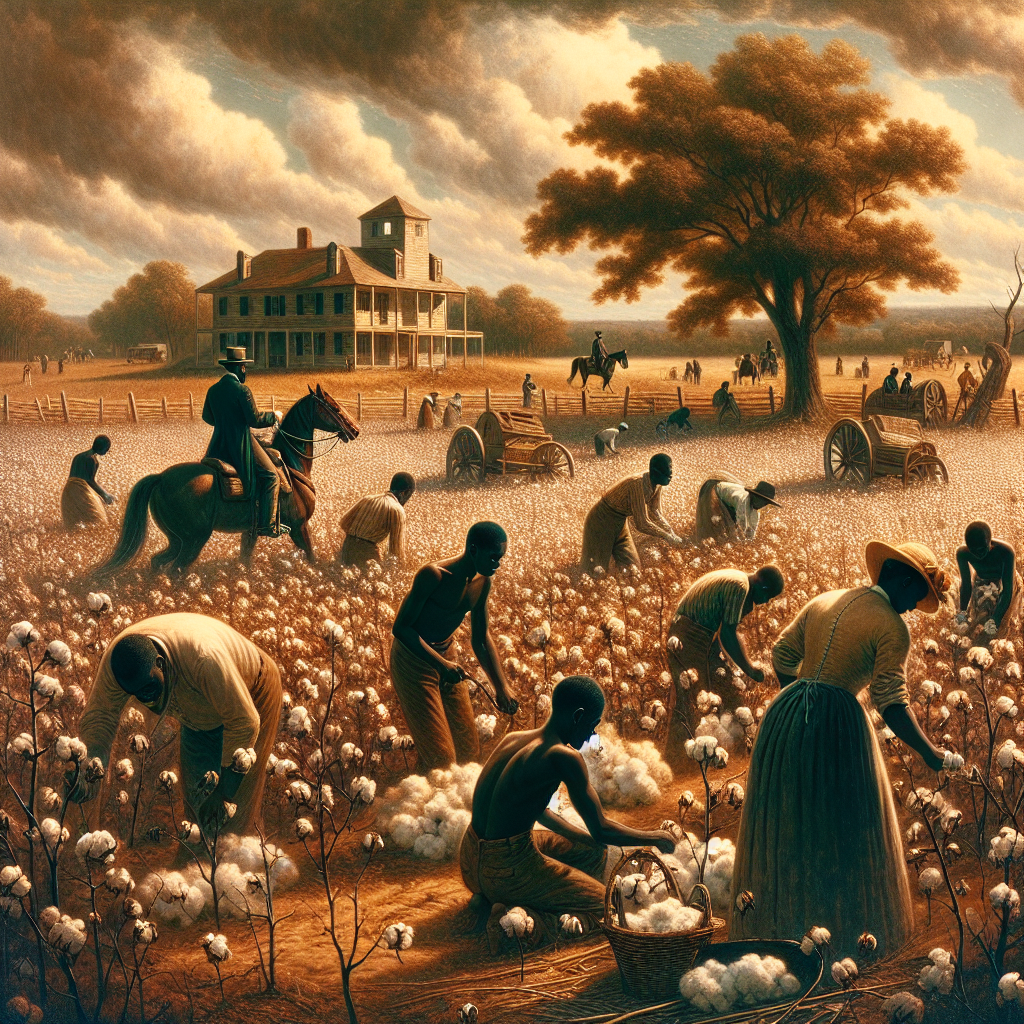
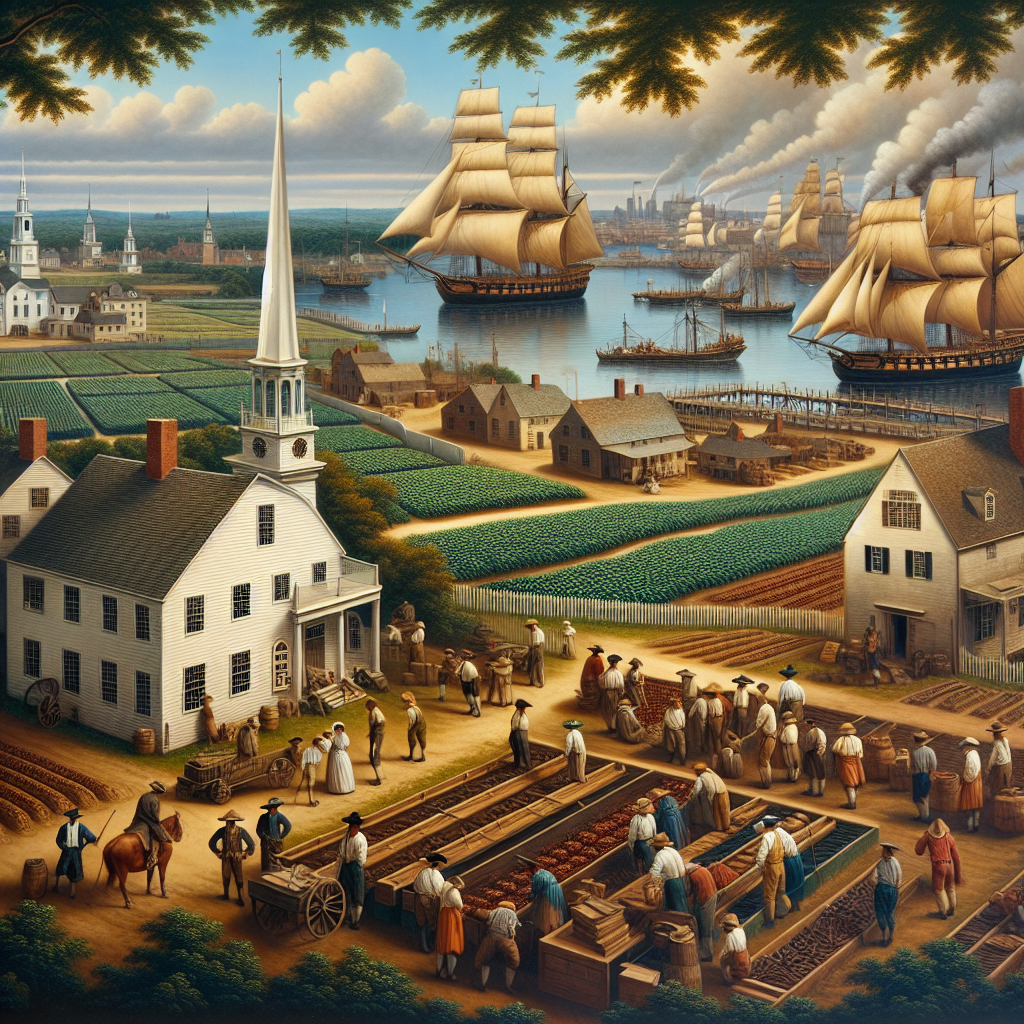
None of these colonies was planted on empty ground. Every settlement in this guide was built on land already occupied, through purchases whose terms the two sides understood differently, alliances that reshaped Native politics for a century, and wars that were sometimes deliberate exterminations. The colonies that lasted were the ones that found something to sell — tobacco, furs, fish, timber — and the labor systems they built to sell it, indentured and then enslaved, shaped the country that followed more than any charter did.