Peter Stuyvesant
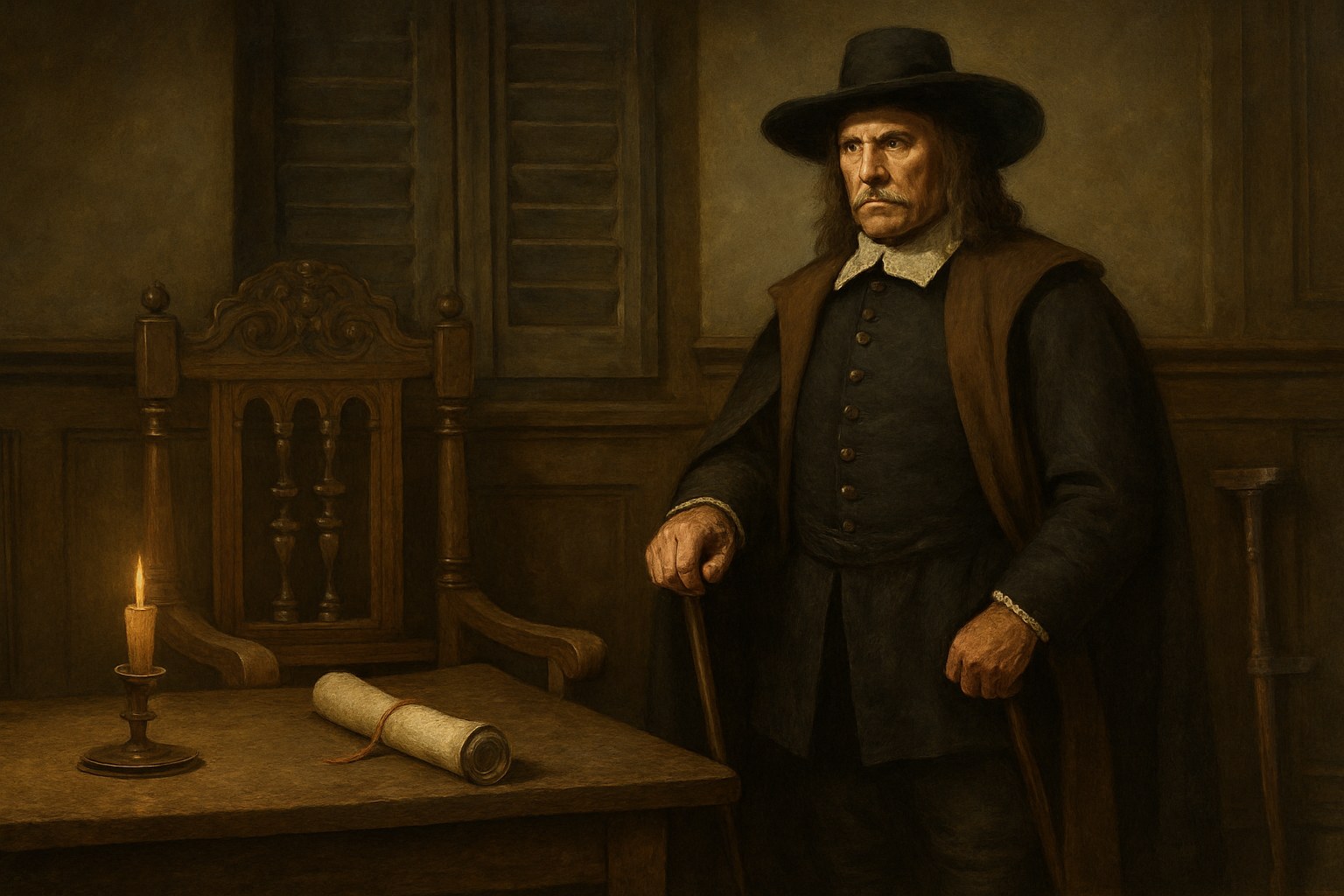
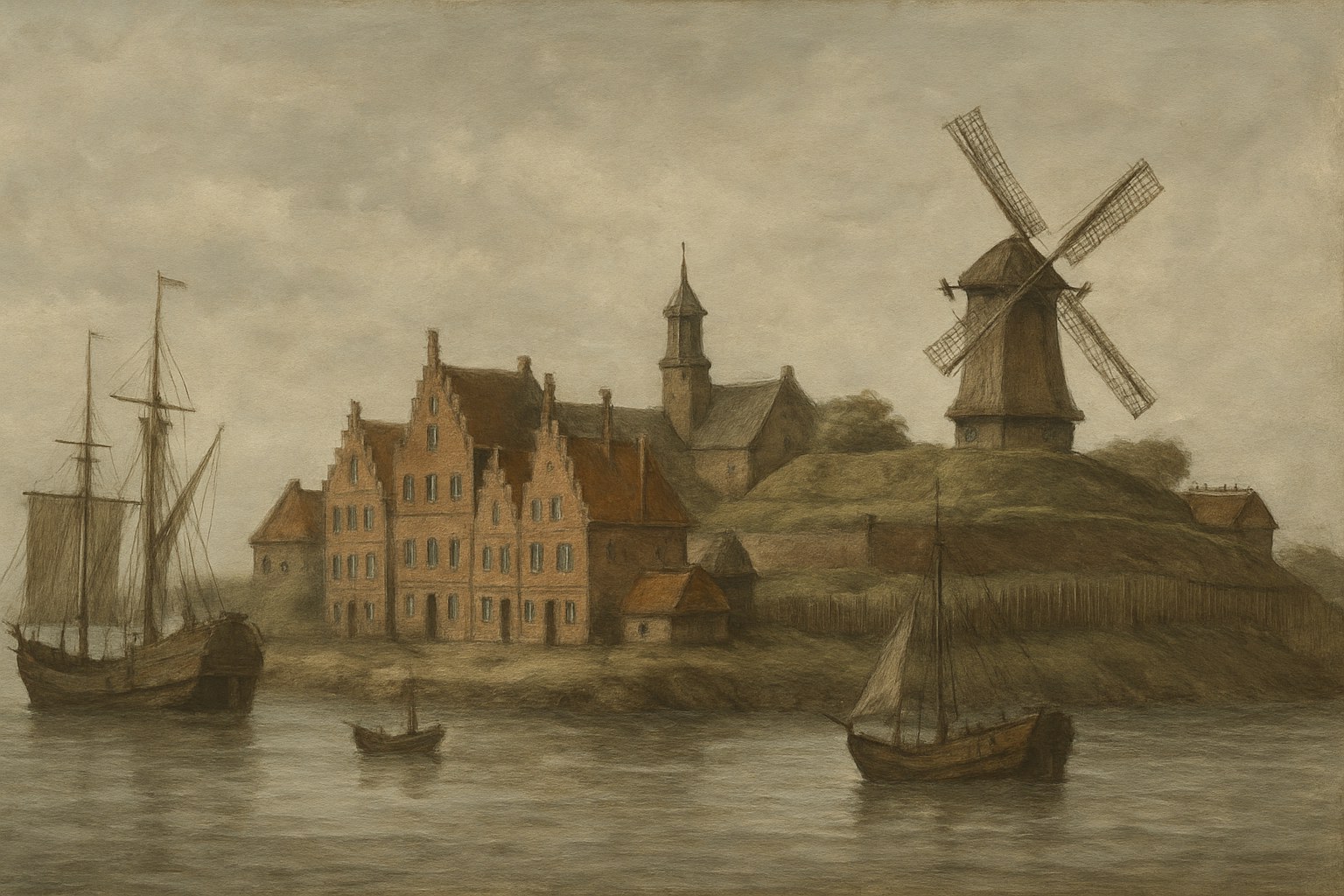
The Dutch West India Company sent Peter Stuyvesant to New Amsterdam in 1647 to clean up a colony that had nearly destroyed itself. His predecessor had provoked a ruinous war with the Lenape, the fort was falling down, the streets were unpaved and half-blocked by hog pens, and the town ran on smuggling and gin. Stuyvesant stepped ashore, according to a hostile witness, like a peacock, and announced that he would govern the people as a father governs his children. Almost nobody in New Amsterdam wanted a father.
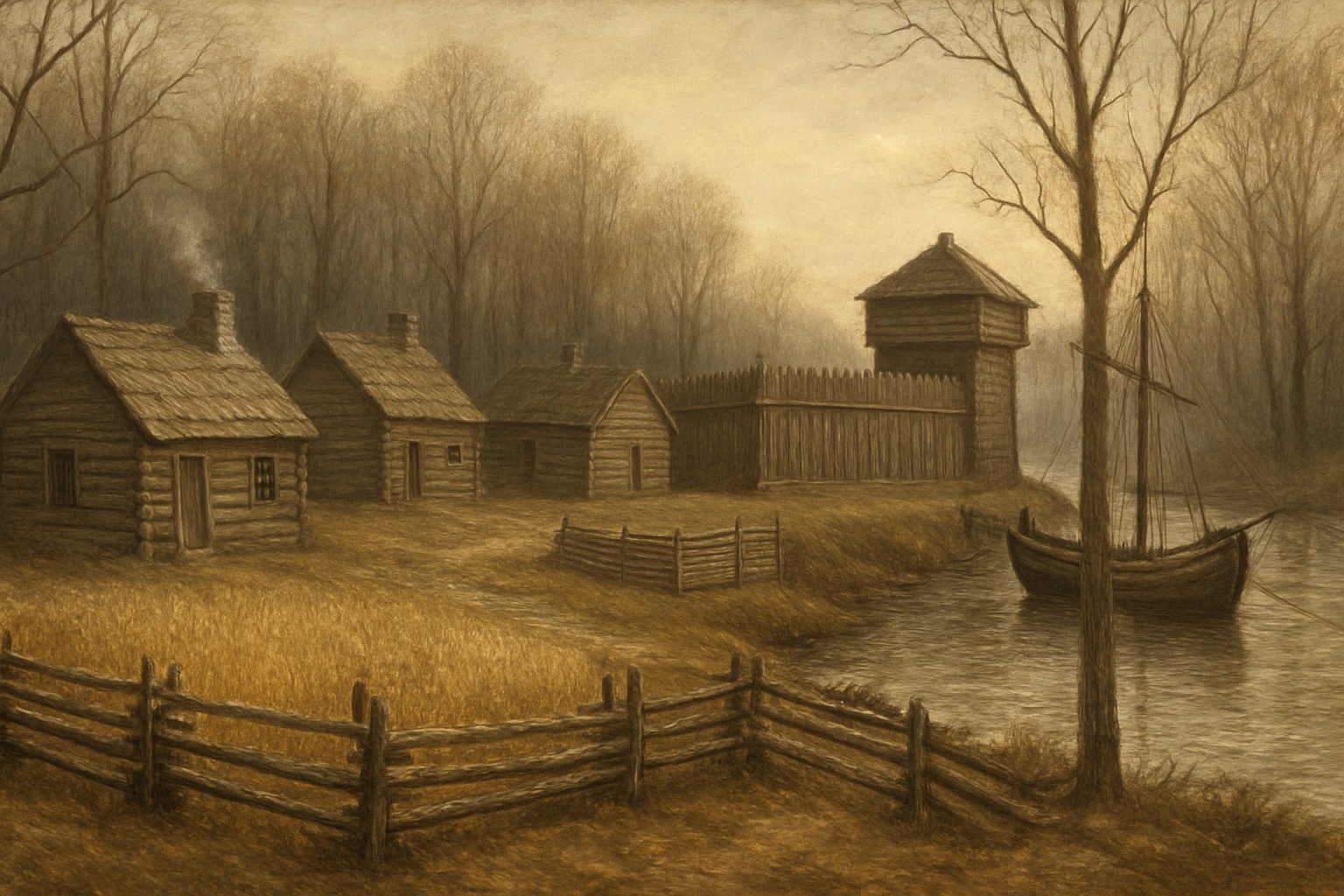
He had lost his right leg to a cannonball in 1644, leading a failed Dutch assault on Spanish-held Sint Maarten in the Caribbean, and he wore a wooden one banded with silver for the rest of his life. He was harsh, capable, and tireless. He set tavern hours and closed the taverns on Sunday, appointed fire wardens, ordered the streets paved and the fences mended, regulated the fur trade, negotiated a boundary with New England at Hartford in 1650, and in 1655 took New Sweden on the Delaware with seven ships and a few hundred men.
A strict Calvinist, he also spent seventeen years trying to keep the colony religiously pure and losing. He tried to expel the twenty-three Jewish refugees who arrived from Dutch Brazil in 1654 and the company, whose Amsterdam shareholders included Jews, ordered him to let them stay. He jailed and tortured a Quaker preacher in 1657, and thirty residents of Flushing answered with a remonstrance defending liberty of conscience for Quakers, Jews, and others. He arrested the signers. In 1663 he deported the Quaker John Bowne, who sailed to Amsterdam, argued his case, and won — the directors told Stuyvesant to allow everyone his own belief.
In August 1664 four English warships anchored in the harbor and demanded the colony. Stuyvesant meant to fight and reportedly tore up the summons, but the fort's powder was short, the guns faced the wrong way, and ninety-three leading residents — his own son among them — signed a petition begging him to surrender. He gave up the colony on September 8 without a shot fired. He was recalled to the Netherlands to answer for the loss, defended himself successfully, and returned to live out his life on his Manhattan farm, the bouwerij that gave the Bowery its name.
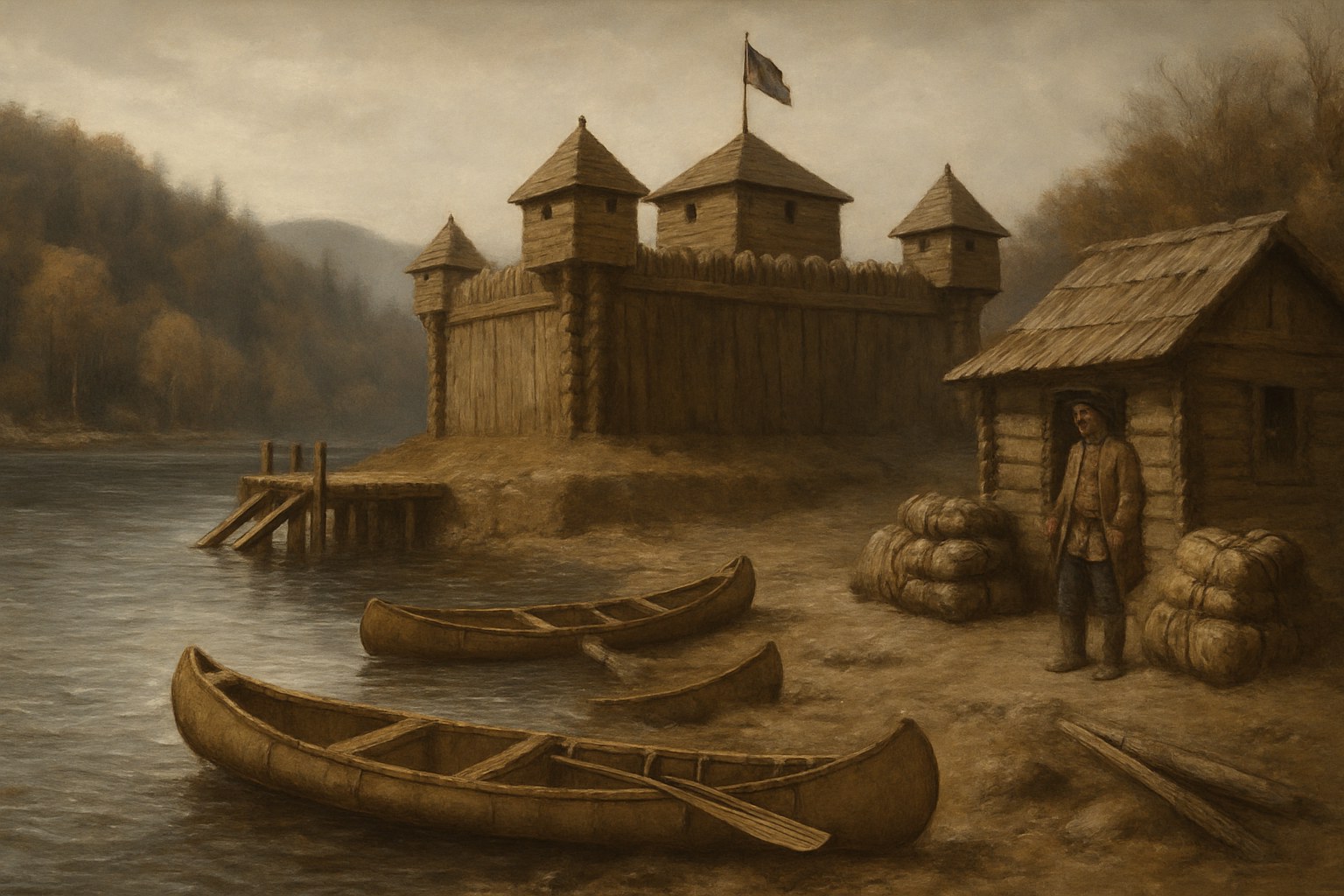
| Lived | About 1612 to 1672 |
| Office | Director-general of New Netherland, 1647-1664 |
| Wooden leg | Lost his right leg at Sint Maarten, 1644 |
| Overruled | On Jewish refugees in 1655 and on Quakers in 1663 |
| Flushing Remonstrance | December 1657 — he arrested the signers |
| Surrender | September 8, 1664, pressed by 93 of his own burghers |
| Date | 1612-1672 |