Age of Exploration and Contact
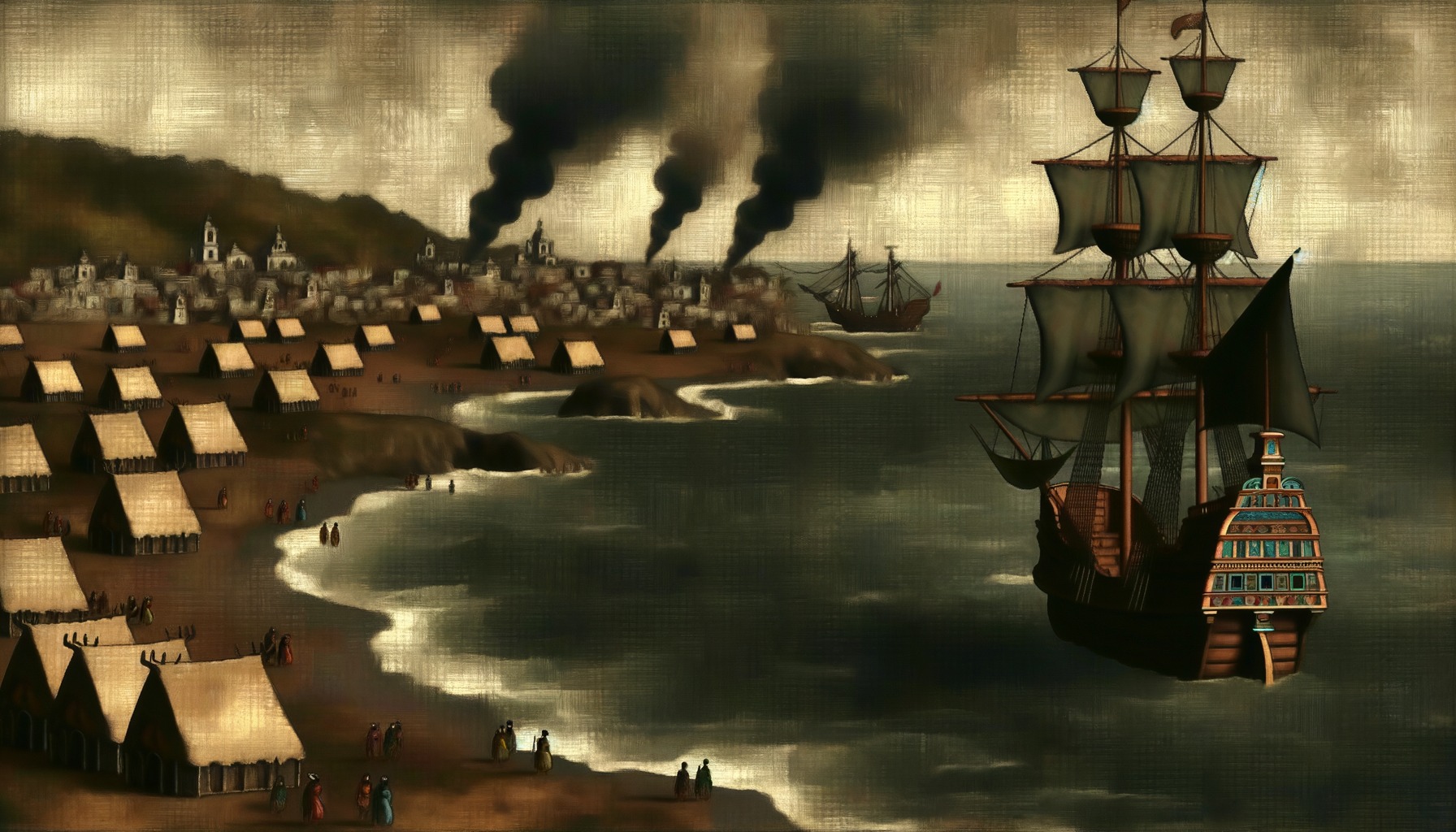
Christopher Columbus's October 1492 landfall in the Bahamas did not discover America — but it began something just as consequential: 115 years of sustained European contact that reshaped both hemispheres beyond recognition. Within decades of Columbus's voyages, Spanish, Portuguese, French, English, and Dutch expeditions had mapped the coasts of two continents, conquered the Aztec and Inca empires, established sugar plantations in the Caribbean, and triggered the Columbian Exchange — the largest transfer of plants, animals, diseases, and people in human history.
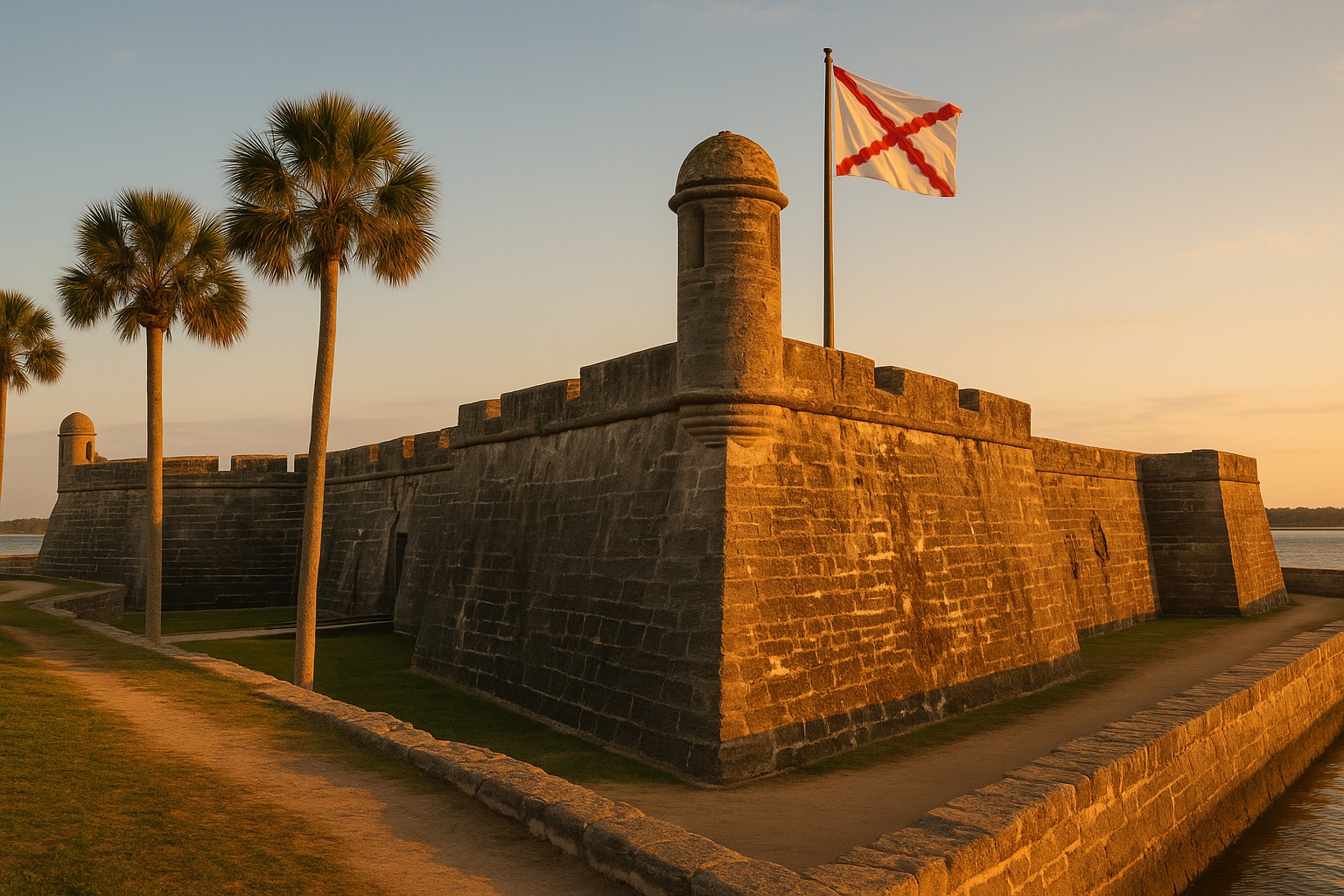
The Spanish moved first and most aggressively. Hernán Cortés brought down the Aztec Empire in 1521 with a small expeditionary force, smallpox, and the strategic alliance of indigenous nations subjugated by Aztec rule. Francisco Pizarro repeated the pattern in Peru a decade later, executing the Inca emperor Atahualpa and looting silver mines whose output would underwrite Spanish power for two centuries. The first sustained European settlement in what would become the United States was St. Augustine, Florida, founded by Spain in 1565 — 42 years before the English arrived at Jamestown.
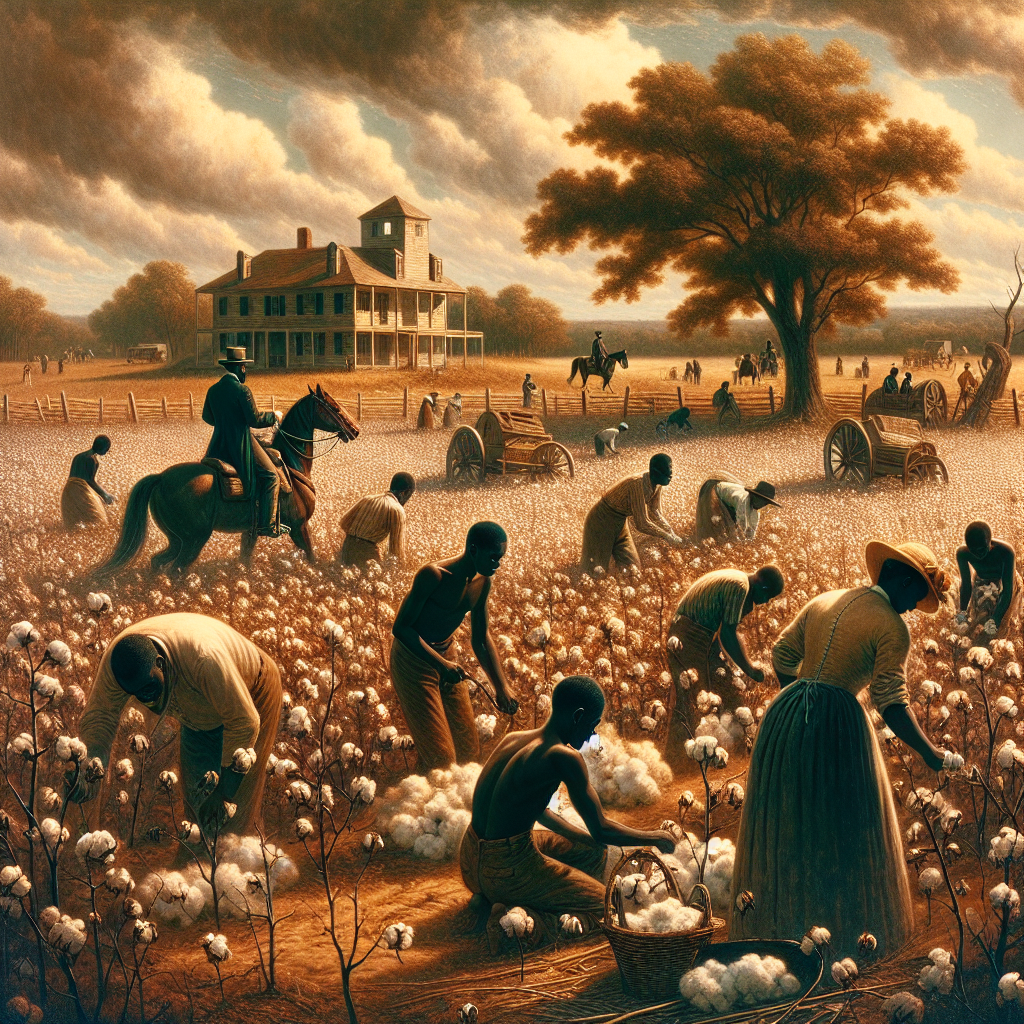
The transatlantic slave trade began in this era. Portuguese traders started purchasing enslaved Africans from West African kingdoms in the 1440s; by the early 1500s, enslaved Africans were being transported across the Atlantic to replace dying indigenous laborers on Caribbean sugar plantations. Over the next four centuries, an estimated 12.5 million Africans would be loaded onto slave ships, with roughly 10.7 million surviving the Middle Passage — the foundation of the plantation economies that would shape the Americas, including the future United States.
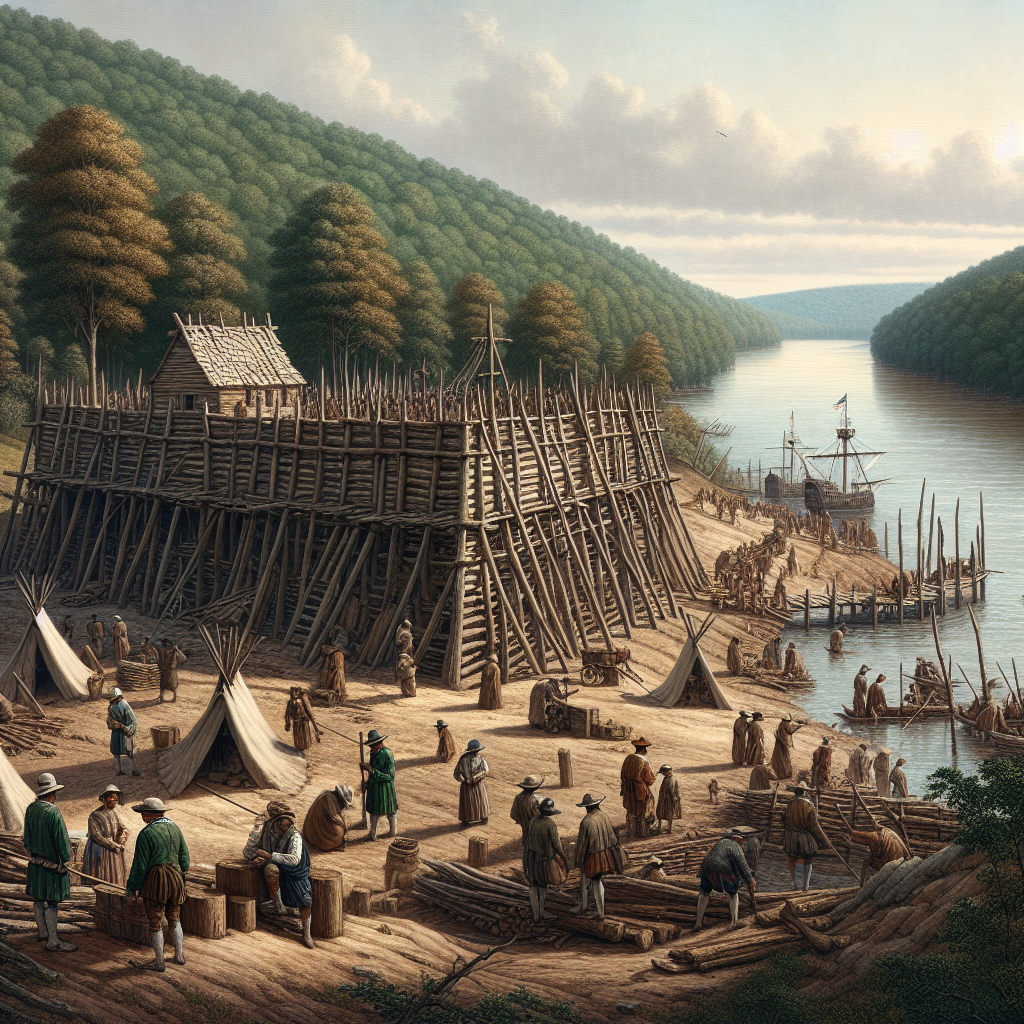
By 1607, when English settlers founded Jamestown, the hemisphere Columbus encountered had been irrevocably transformed. Indigenous populations had collapsed by 80–95 percent from disease. European crops and livestock had displaced native ecosystems. African slavery was already a continental institution. The "New World" that English colonists believed they were entering was, in fact, a century-old colonial system into which they arrived late — and which they would extend, refine, and ultimately remake into something distinctly American.
| Duration | 115 years (1492–1607) |
| Columbus voyage | October 12, 1492 — Bahamian landfall |
| Aztec conquest | 1519–1521 (Cortés) |
| Inca conquest | 1532–1572 (Pizarro) |
| First Spanish settlement (US) | St. Augustine, Florida (1565) |
| First English settlement (US) | Jamestown, Virginia (1607) |
| Atlantic slave trade begins | c. 1502, enslaved Africans to Hispaniola |
| Indigenous population loss | ~80–95% over 150 years |
| Date | October 1492 – May 1607 |
| Location | The Americas |