Peter Minuit
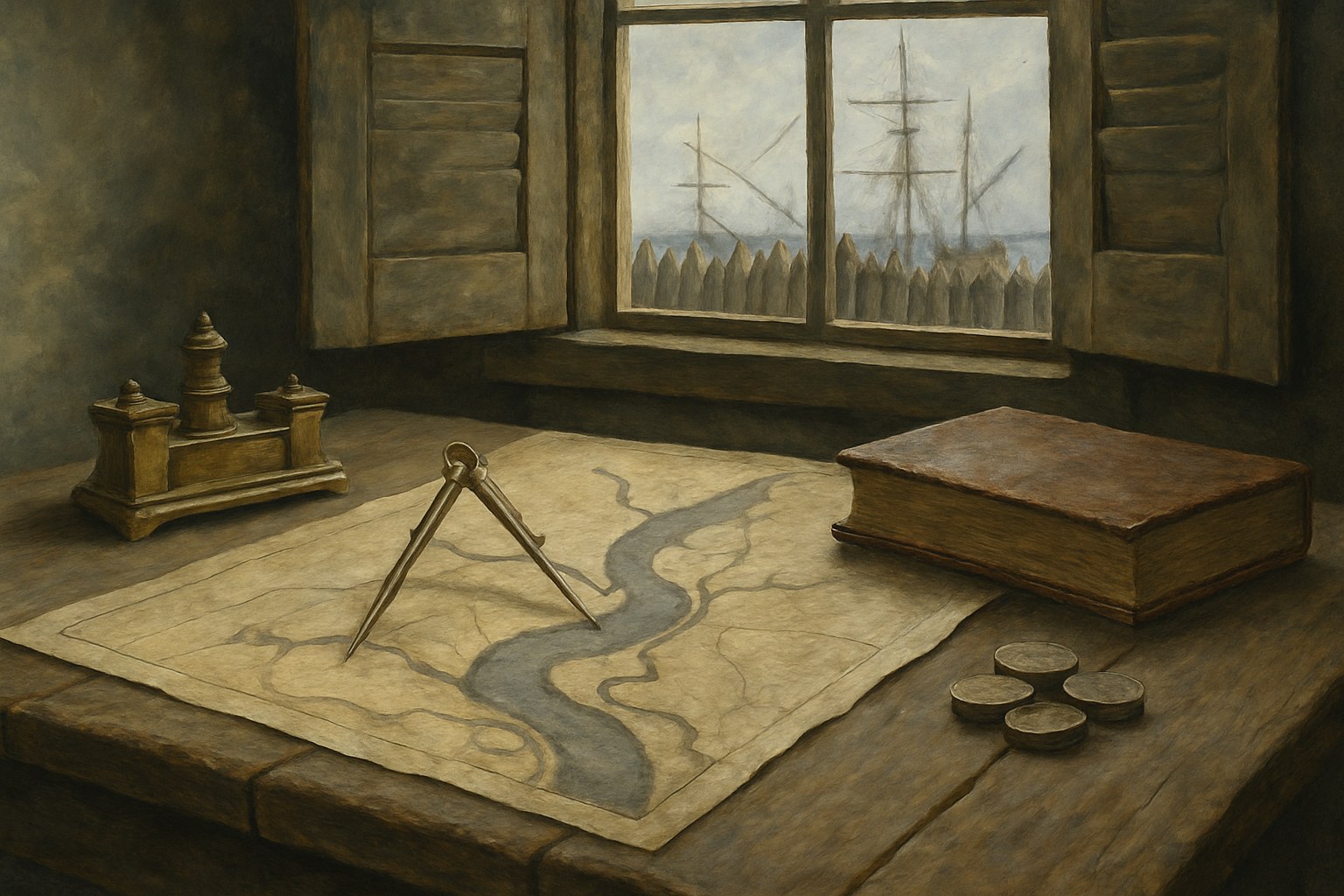
Peter Minuit was a merchant's son from Wesel, a German town on the Rhine full of Walloon Protestant refugees, and he came to America as a company man rather than a visionary. The Dutch West India Company sent him across in 1625 to appraise what its scattered outposts were actually worth, and he sailed home with a blunt report. The following spring the directors made him the third director of New Netherland and sent him back with instructions to consolidate a colony that was spread too thin to defend.
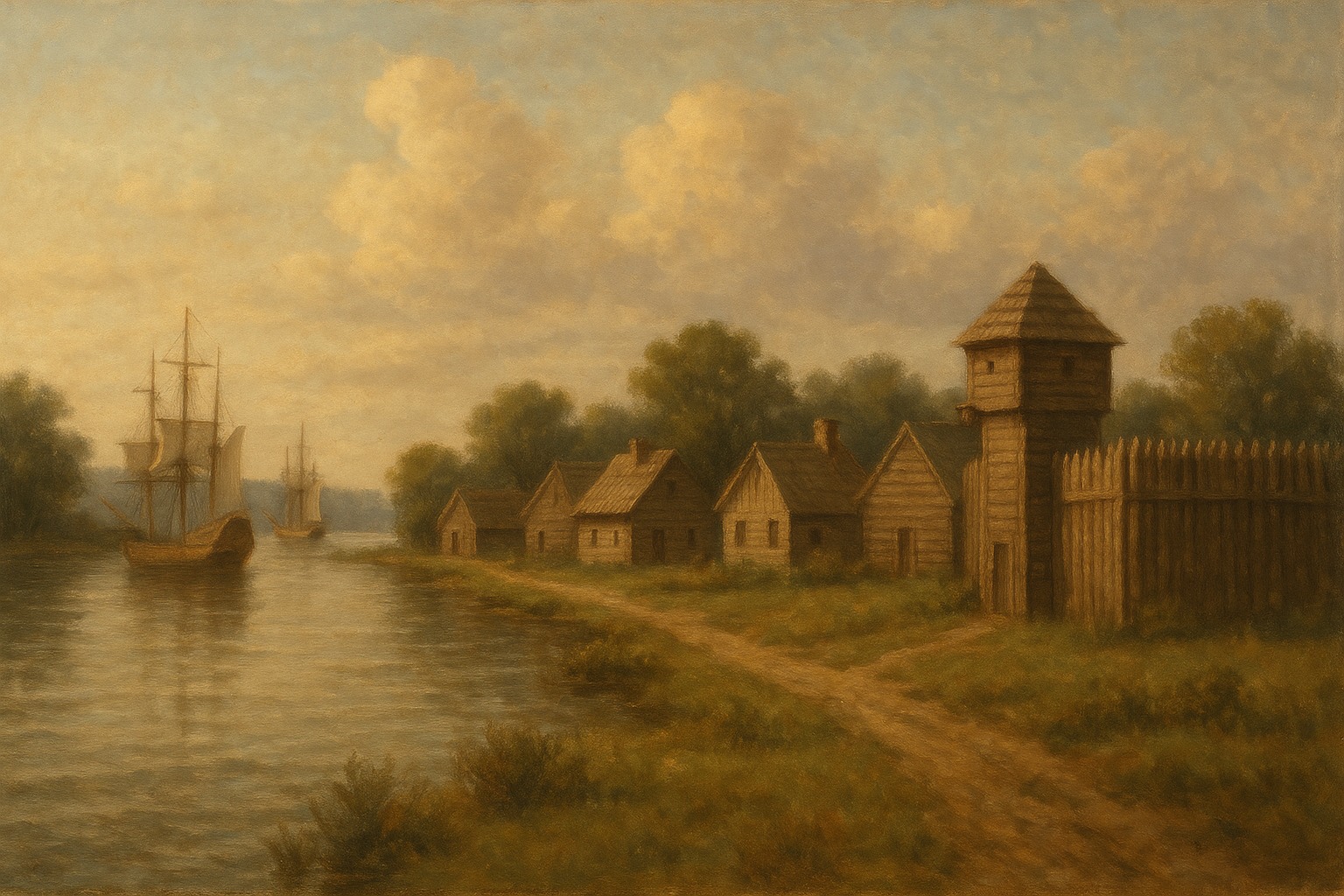
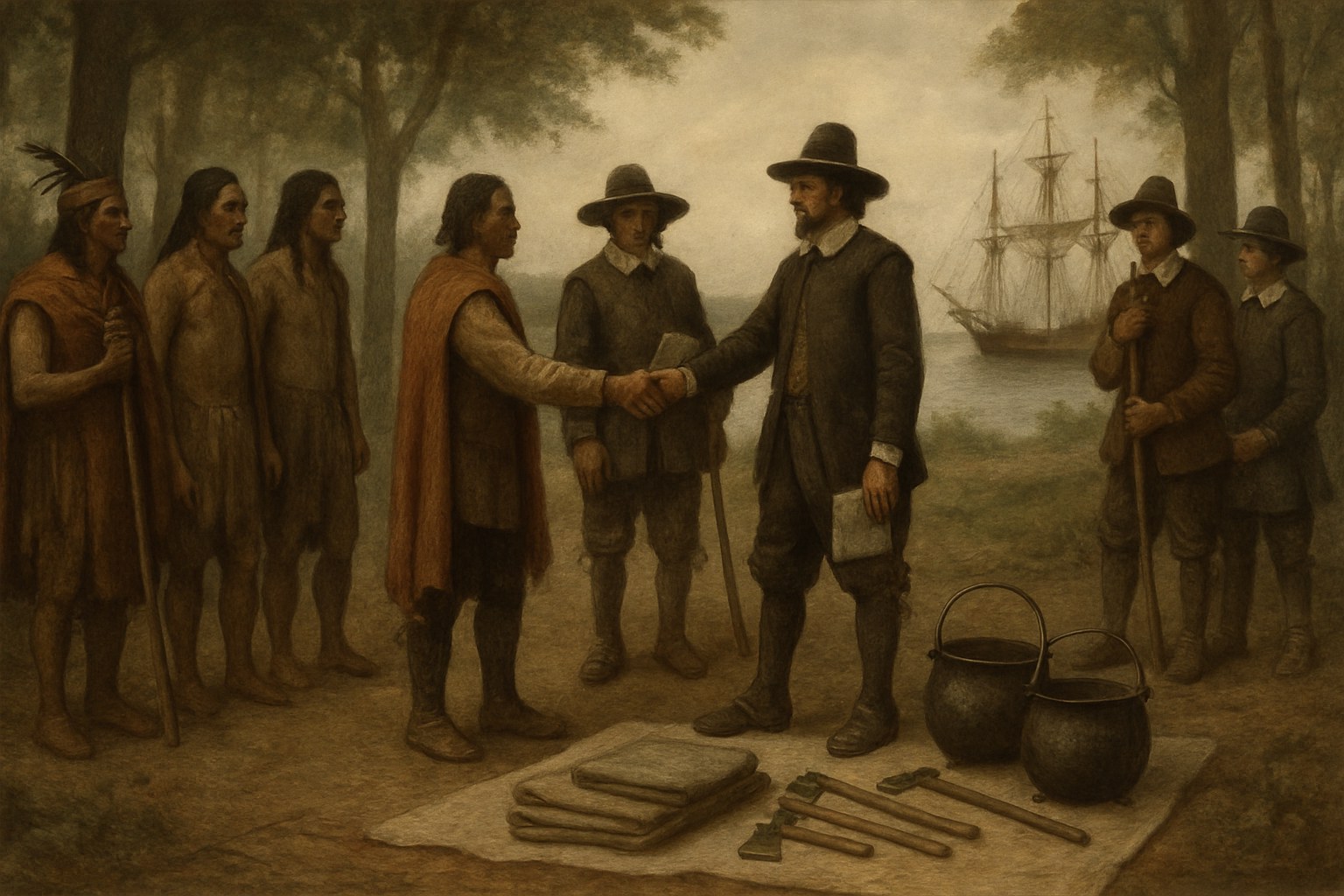
He did it quickly. He pulled most of the settlers in from the Delaware, the Connecticut, and Fort Orange, concentrated them at the harbor mouth, laid out Fort Amsterdam, and in the summer of 1626 acquired the island of Manhattan from its Native occupants for trade goods valued at sixty guilders — the transaction reported in one line of a letter and misremembered ever since. Under him the colony shipped its first substantial cargoes of pelts and built the first ocean-going ship constructed in North America, an oversized vessel that proved a commercial embarrassment.
Minuit's trouble was the patroons. When the company began granting huge private estates in 1629, he was accused of favoring the patroon investors at the company's expense and of tolerating their private trading, and in 1631 he was recalled and dismissed. Angry and unemployed, he took his knowledge of the American coast to the Dutch company's chief competitor for capital and expertise, the kingdom of Sweden, and persuaded its chancellor to back a colony in the one stretch of the mid-Atlantic the Dutch had abandoned on his own orders.
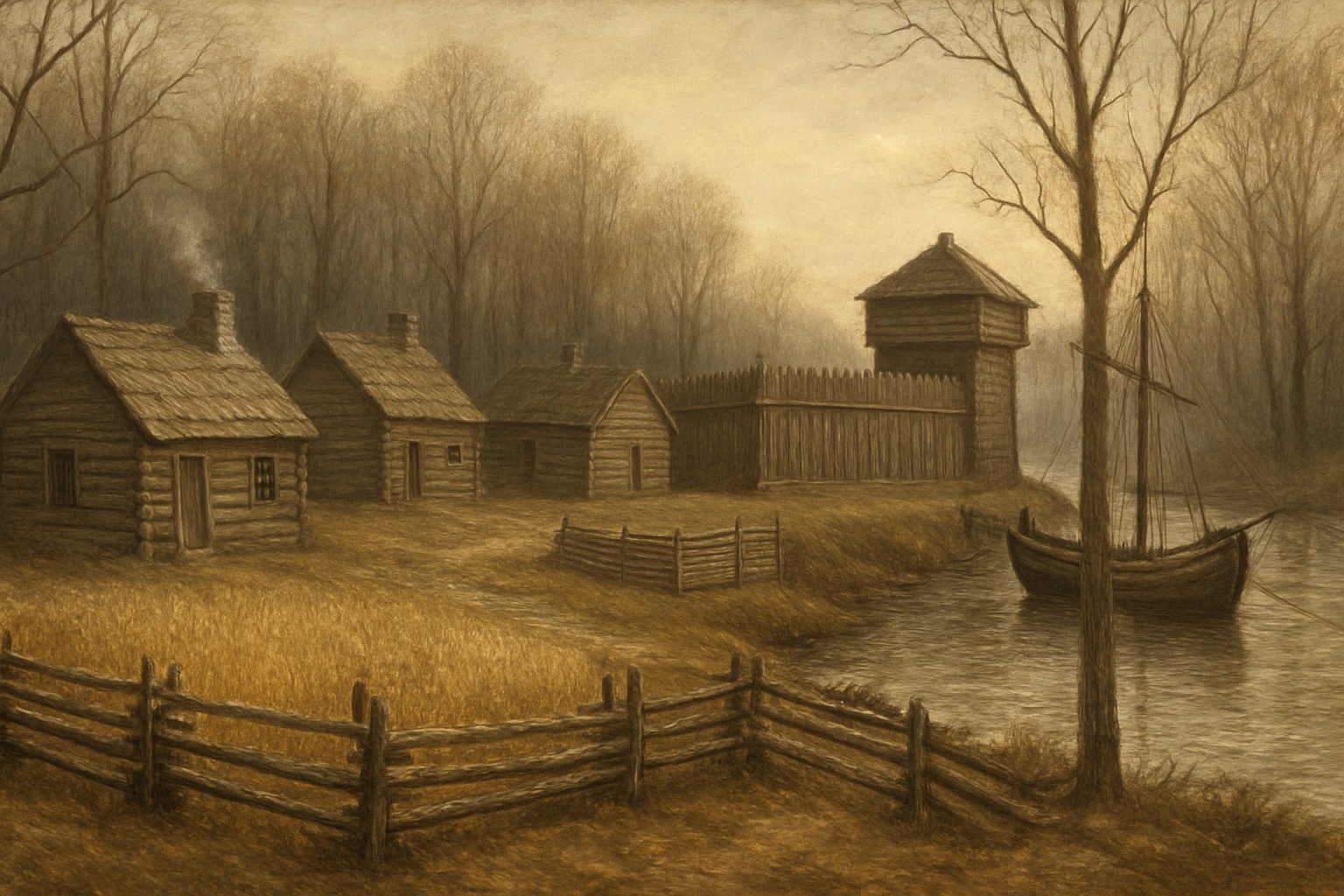
In March 1638 Minuit brought the ships Kalmar Nyckel and Fogel Grip up the Delaware, bought land from the Lenape, and built Fort Christina on the site of present-day Wilmington, naming it for Sweden's child queen. It was the first permanent European settlement on the Delaware. He never saw it grow. Sailing on to the Caribbean for tobacco that summer, he was aboard a ship caught by a hurricane near St. Christopher and was lost. He had founded the two colonies that became New York and Delaware, for governments that were rivals.
| Lived | About 1580 to 1638 |
| Born | Wesel, in a Walloon refugee community |
| Office | Third director of New Netherland, 1626-1631 |
| Known for | The 1626 acquisition of Manhattan |
| Second act | Led Sweden's 1638 expedition, founded Fort Christina |
| Died | Lost in a Caribbean hurricane, 1638 |
| Date | About 1580-1638 |