Fort Orange
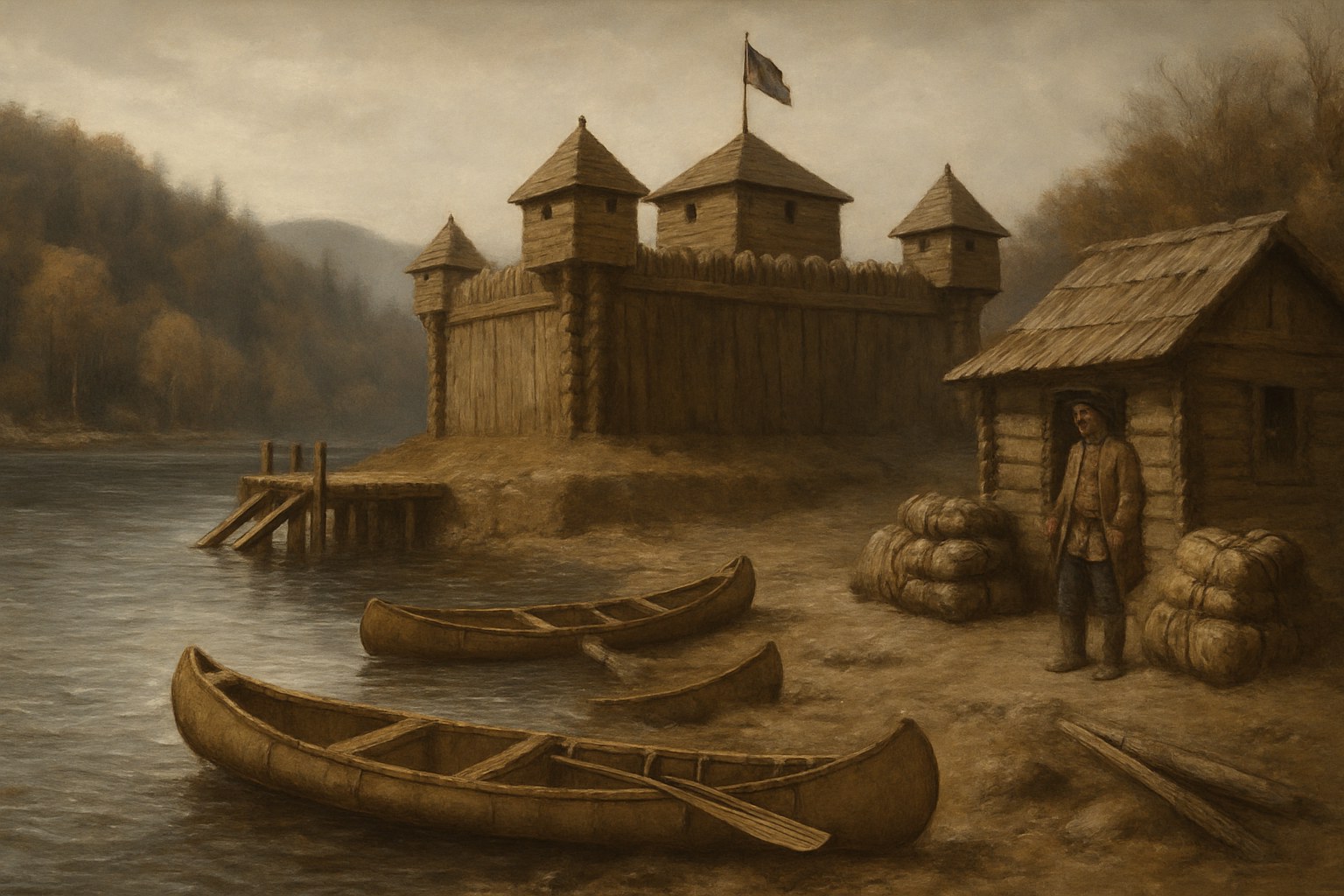
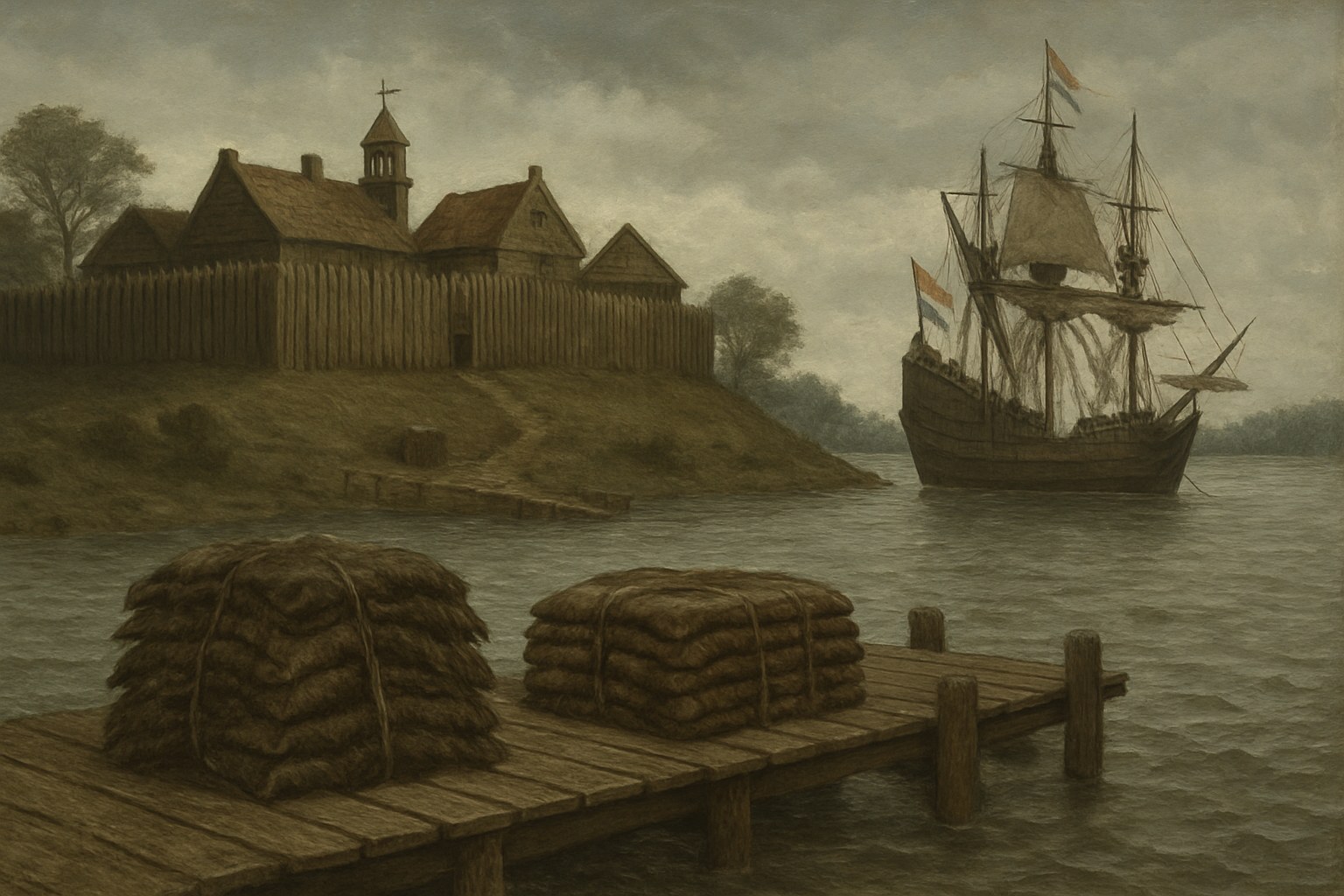
A hundred and fifty miles up the Hudson, where the river ceases to be navigable for seagoing ships, the Dutch built the post that actually paid for the colony. Fort Orange went up in 1624 on the west bank of the river, a small square of earth and timber garrisoned by a few dozen people, most of them Walloon families. New Amsterdam had the harbor and the government. Fort Orange had the furs, and for the first decades of New Netherland the furs were the entire point of the enterprise.
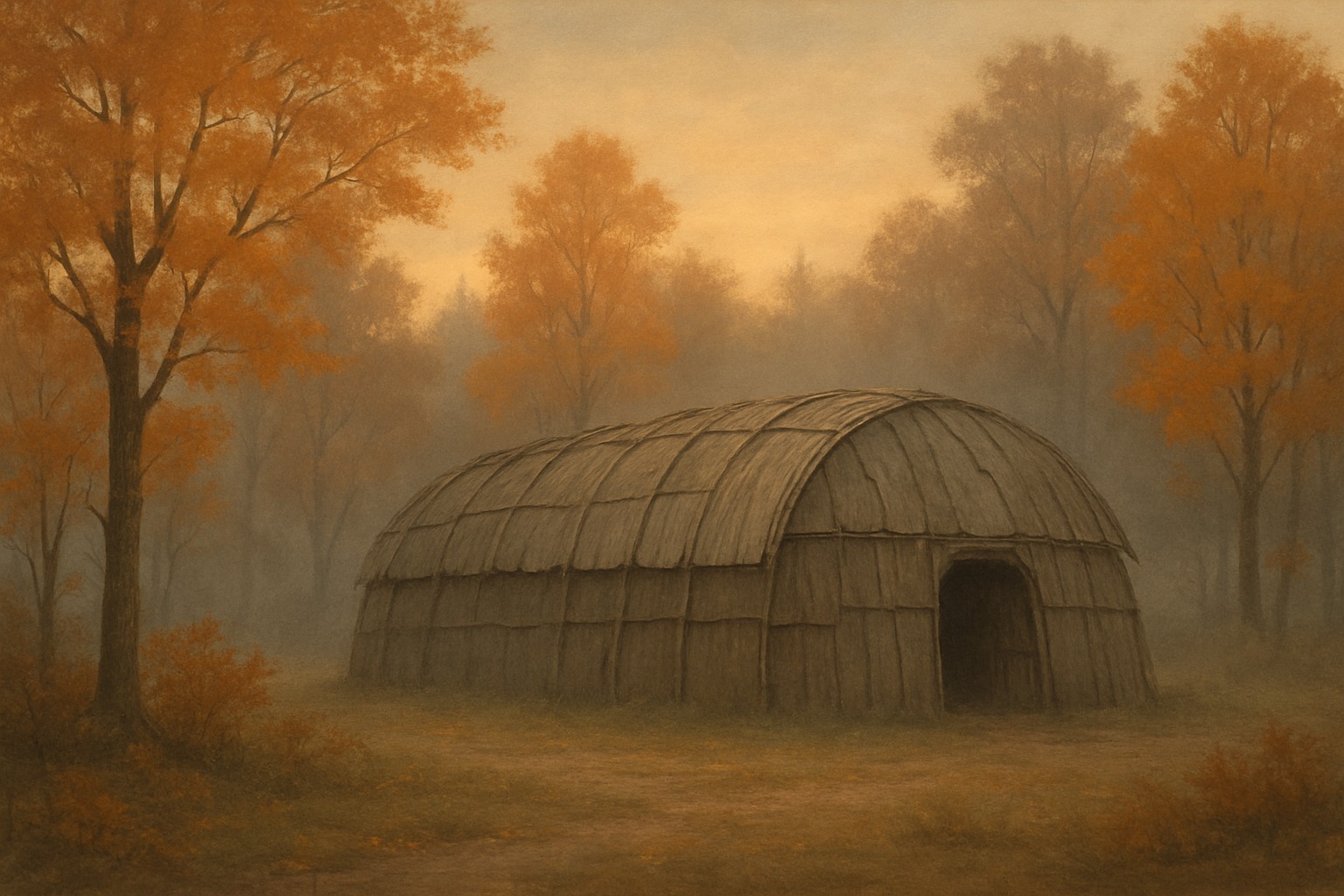
The place sat at the meeting of two worlds. Down the Mohawk River from the west came the Haudenosaunee, the Five Nations of the Iroquois, and the pelts of the interior. Up the Hudson from the south came Dutch cloth, kettles, and firearms. The Dutch at first backed the Mahican people who lived nearby, and in 1626 the fort's commander was killed leading a party against the Mohawk. After the Mohawk drove the Mahicans east, the Dutch made their peace with the winners and never broke it, supplying the Five Nations with guns that no other European power would sell in quantity.
That bargain outlived everyone who made it. When the English took the colony in 1664 they inherited the Mohawk relationship intact, and it hardened into the Covenant Chain, the formal alliance renewed at Albany for more than a century. Colonial governors traveled there to treat with the Iroquois, and the Albany Congress of 1754 met in the same town for the same reason. The Iroquois alliance shielded the northern colonies through four imperial wars with France and gave the Haudenosaunee leverage that no other Native confederacy in the east could match.
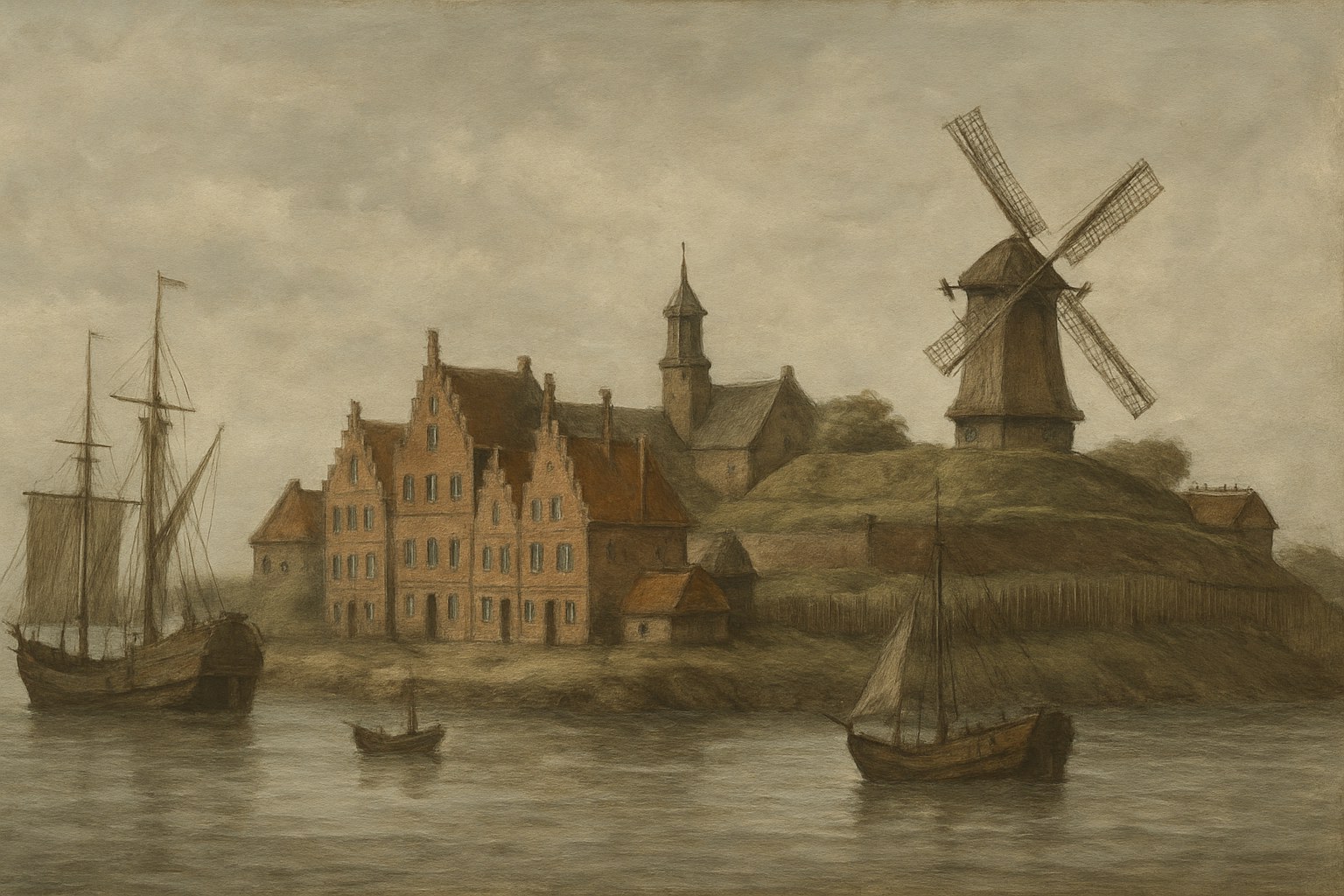
The settlement outgrew the fort. Traders had crowded around the walls in defiance of the West India Company's monopoly, and in 1652 Stuyvesant carved out a separate town, Beverwijck, with its own court, out of the surrounding patroonship of Rensselaerswijck. The English renamed it Albany in 1664 after the Duke of York's Scottish title. The fort itself, undermined by ice and floods, was abandoned by the 1670s, and its foundations lie beneath a highway interchange — under the oldest continuously chartered city in the United States.

| Founded | 1624, on the upper Hudson |
| Built by | The Dutch West India Company |
| Purpose | The northern fur trade |
| Alliance | With the Mohawk and the Five Nations of the Iroquois |
| Became | Beverwijck in 1652, Albany in 1664 |
| Note | Albany is the oldest continuously chartered U.S. city |
| Date | Founded 1624 |
| Location | Albany, New York |