New Amsterdam
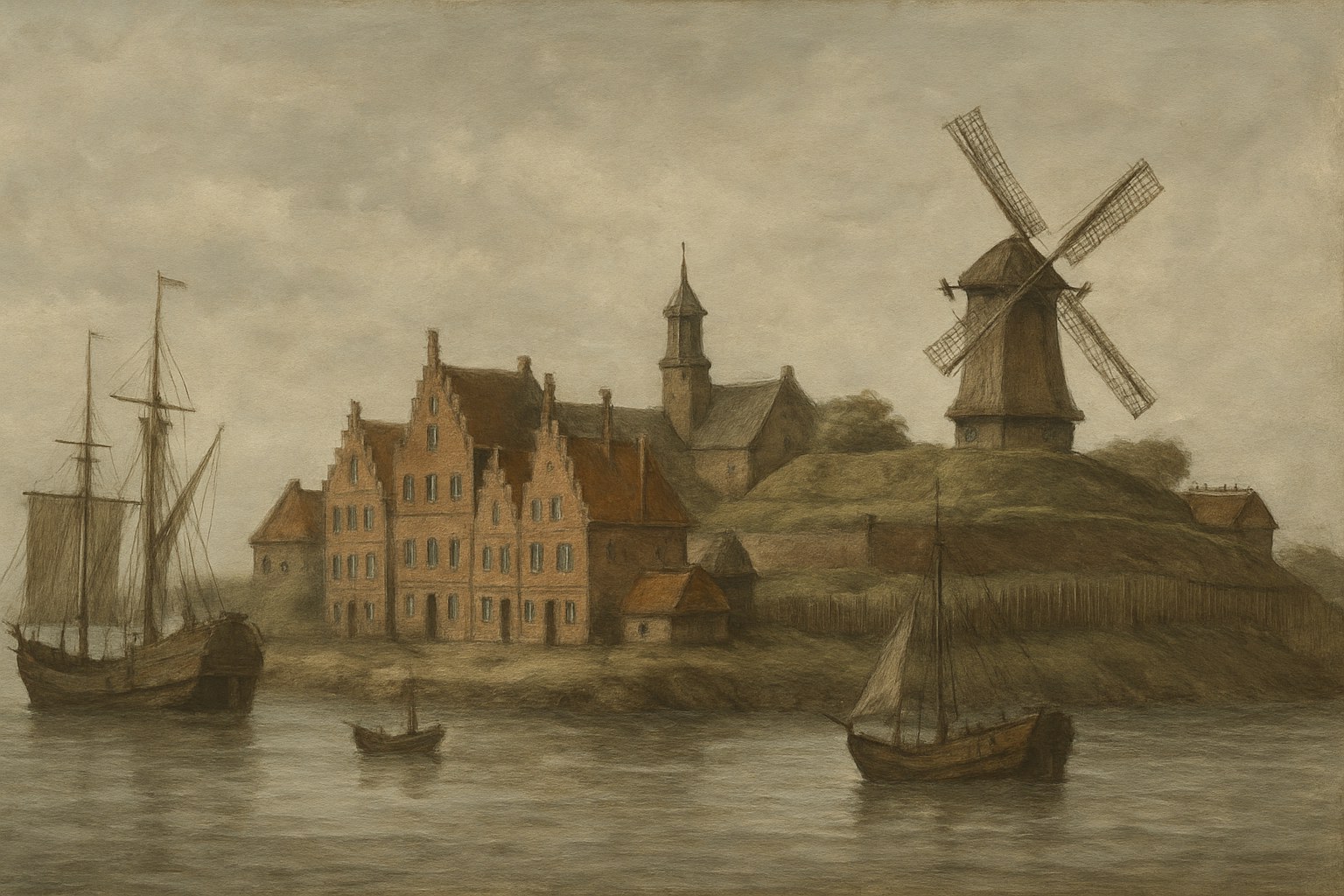
A company clerk arriving at the southern tip of Manhattan in the 1630s found not a colony so much as a company yard. Fort Amsterdam sat on the point above the harbor, its earthen walls slumping in the rain, and around it stood a windmill, a brewery, a row of gabled brick houses in the Dutch style, a scattering of taverns, and a good deal of mud. Perhaps three hundred people lived there. What the place had was the finest natural harbor on the coast, and everyone who saw it understood what that was worth.
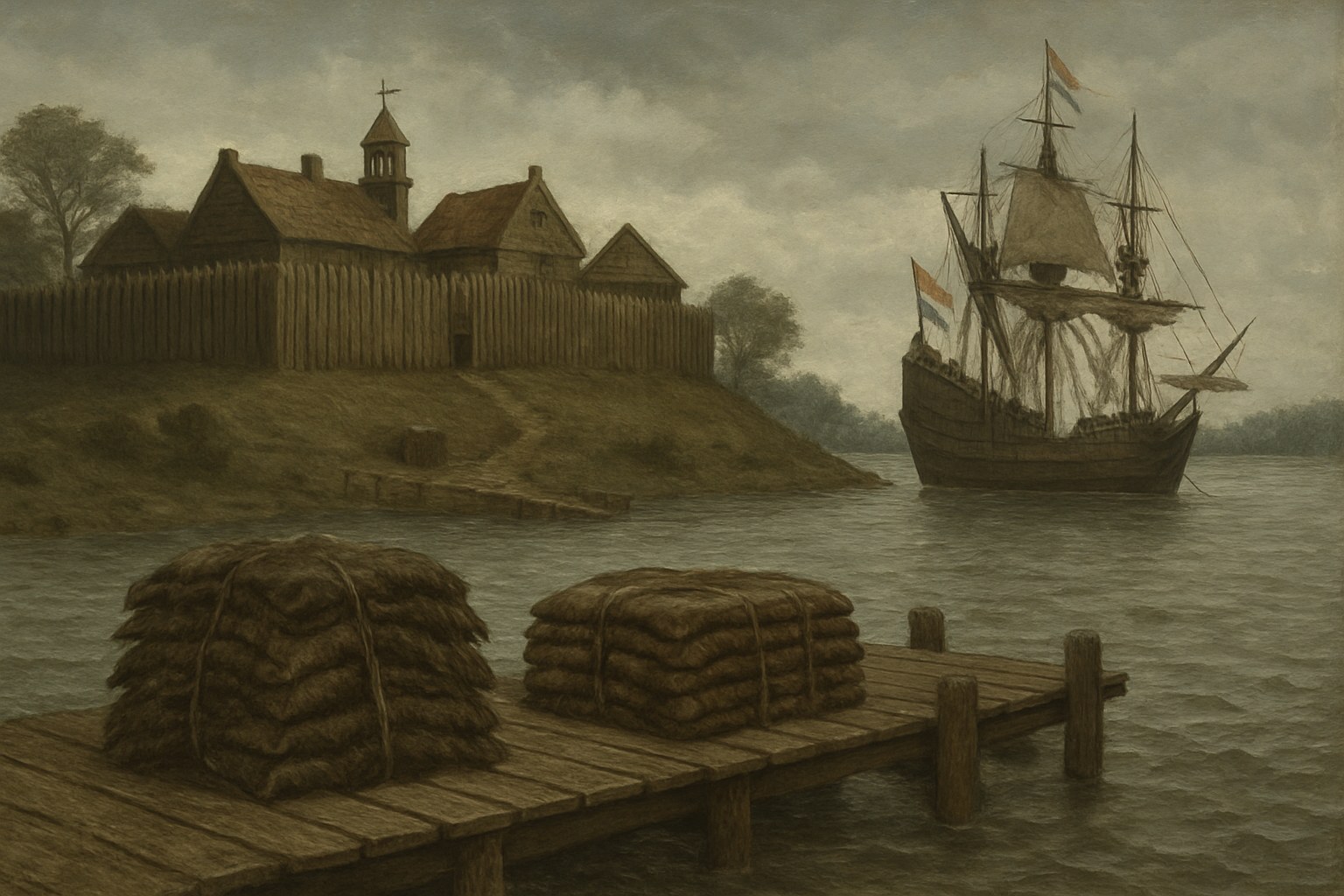
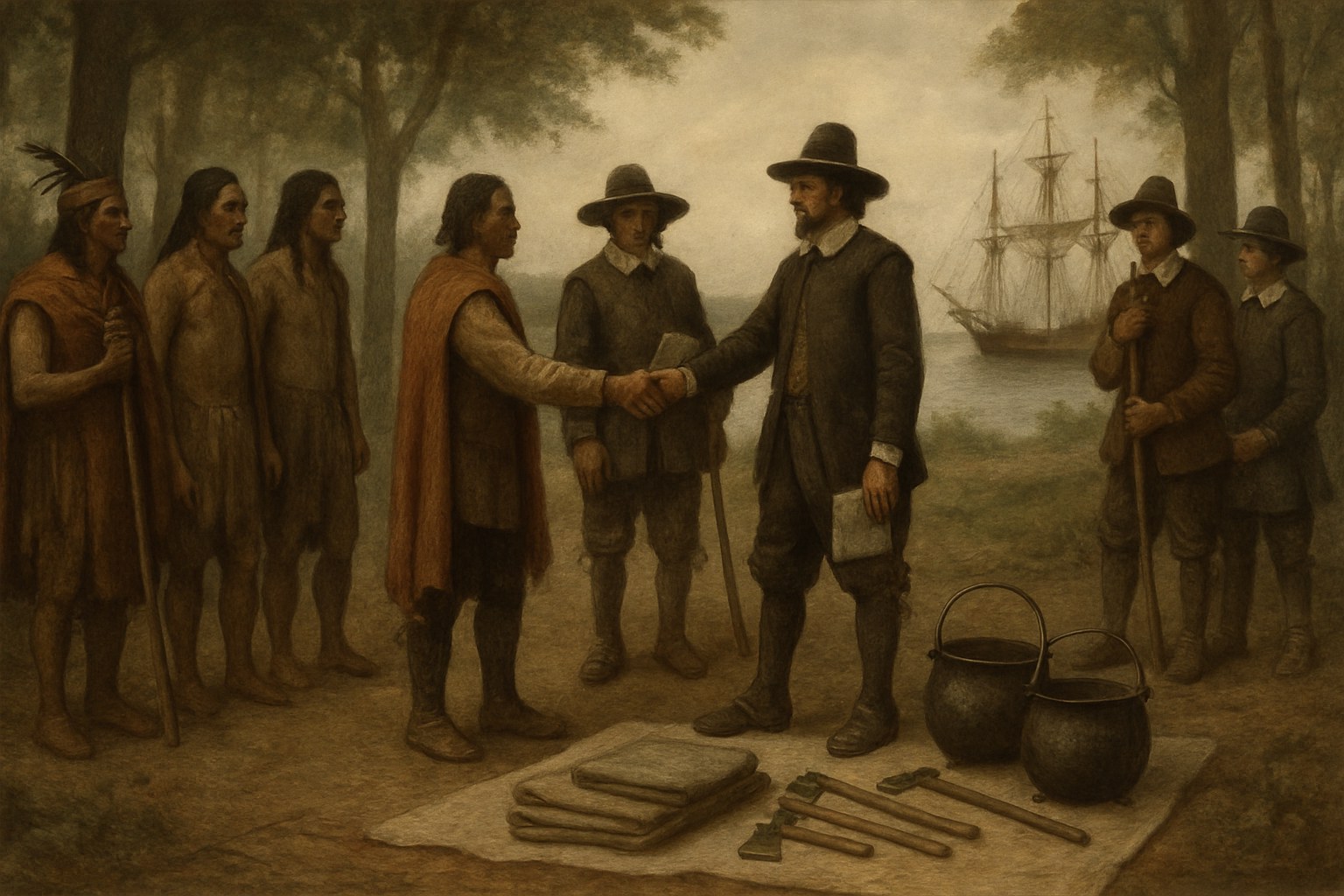
The town lived on other people's trade. Furs came down the Hudson from Fort Orange, tobacco came up from the Chesapeake, salt and sugar and enslaved Africans came in from the Caribbean, and Dutch ships carried it all to Amsterdam. That commerce set the town's character. A trading port cannot afford to interrogate its customers, and New Amsterdam took in Lutherans, Jews, Quakers, English Puritans from Long Island, Africans both enslaved and free, and anyone else with a cargo or a trade, whatever the Dutch Reformed Church thought of them.
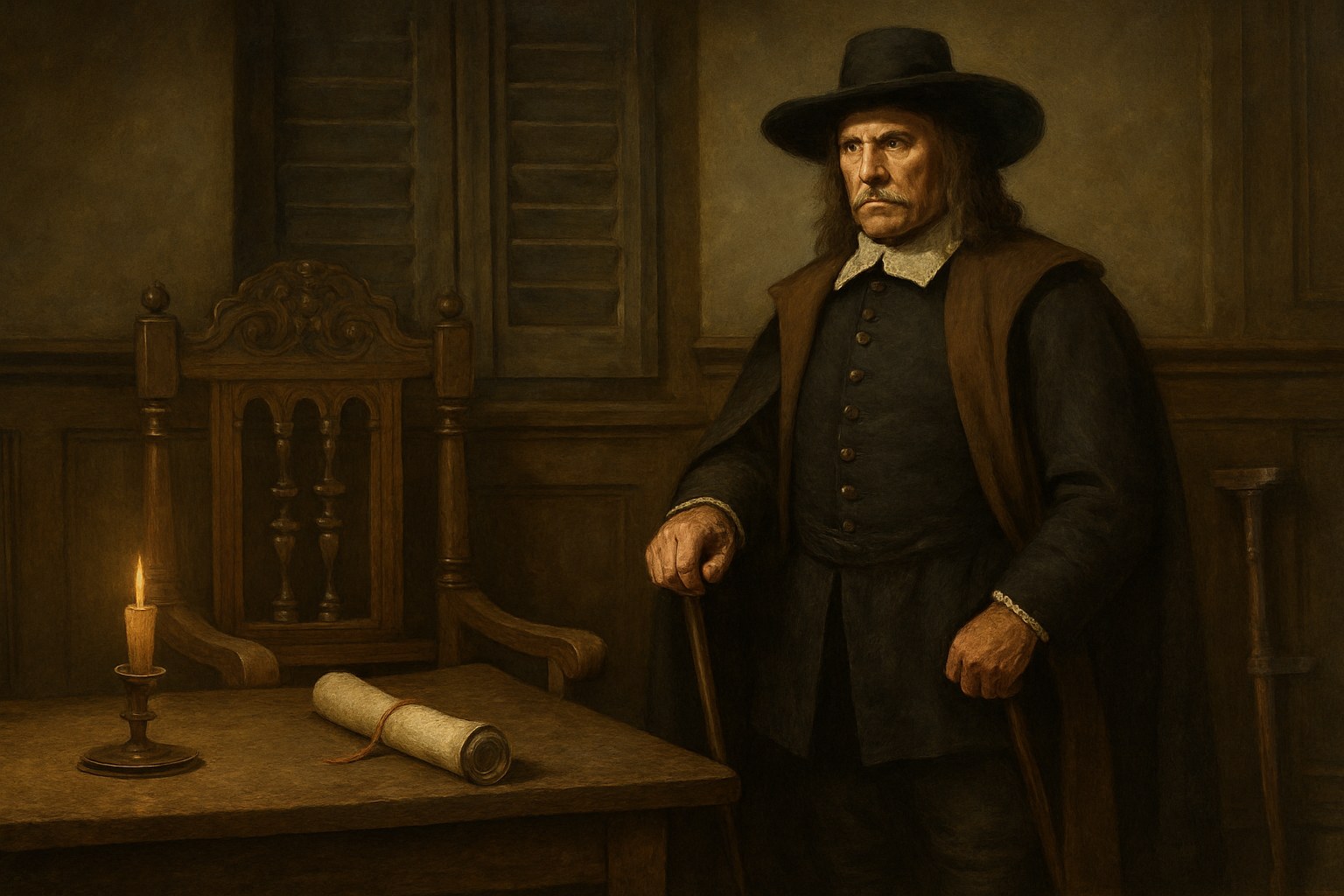
Director-General Peter Stuyvesant thought a great deal of it and tried repeatedly to shut the door, moving against Lutheran worship, against the Jewish refugees who arrived from Brazil in 1654, and against Quaker preachers. His superiors in Amsterdam overruled him each time, in language that was frankly commercial rather than idealistic — the company wanted the colony populated and its trade unimpeded. Meanwhile the residents pressed for a say in their own affairs, and in 1653 the company granted a municipal charter with burgomasters and schepens, giving the town its own government for the first time.
That same year the burghers built a defensive wall of wooden palisades across the island against a feared English attack that never came from the north. The wall came down under the English, but the lane beside it kept its name and became Wall Street. So did a great deal else. Brooklyn, Harlem, the Bowery, Yonkers, and Coney Island are all Dutch words worn down by three centuries of English mouths, as are cookie, stoop, and boss. The town of three hundred became New York, and kept the habits of the trading port that made it.


| Founded | 1625, on lower Manhattan |
| Capital of | New Netherland |
| Population | Roughly 300 in the 1630s, about 1,500 by 1664 |
| Charter | Municipal government granted in 1653 |
| Legacy | The 1653 palisade became Wall Street |
| Renamed | New York, 1664 |
| Date | 1625-1664 |
| Location | Lower Manhattan, New York City |