New Sweden
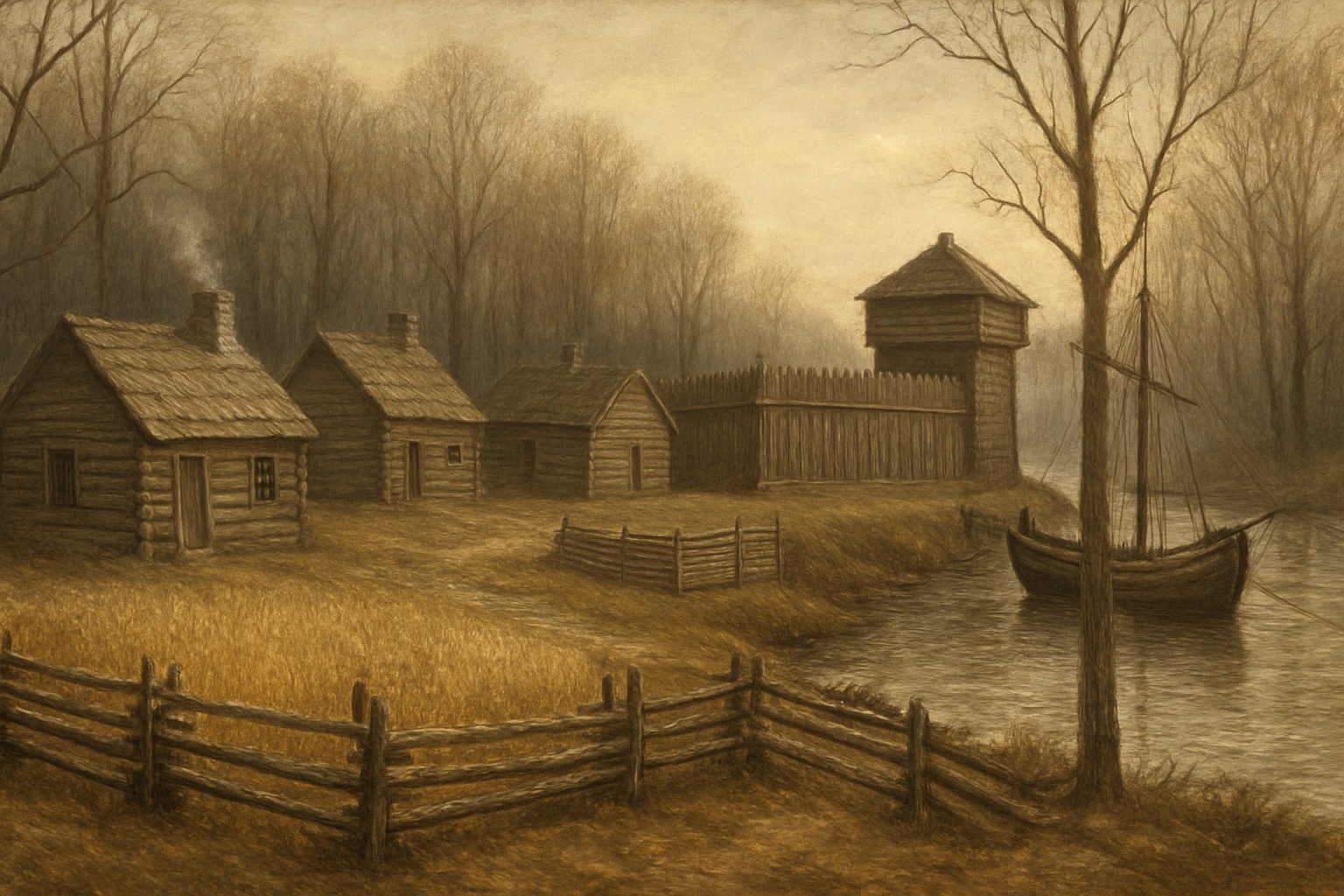
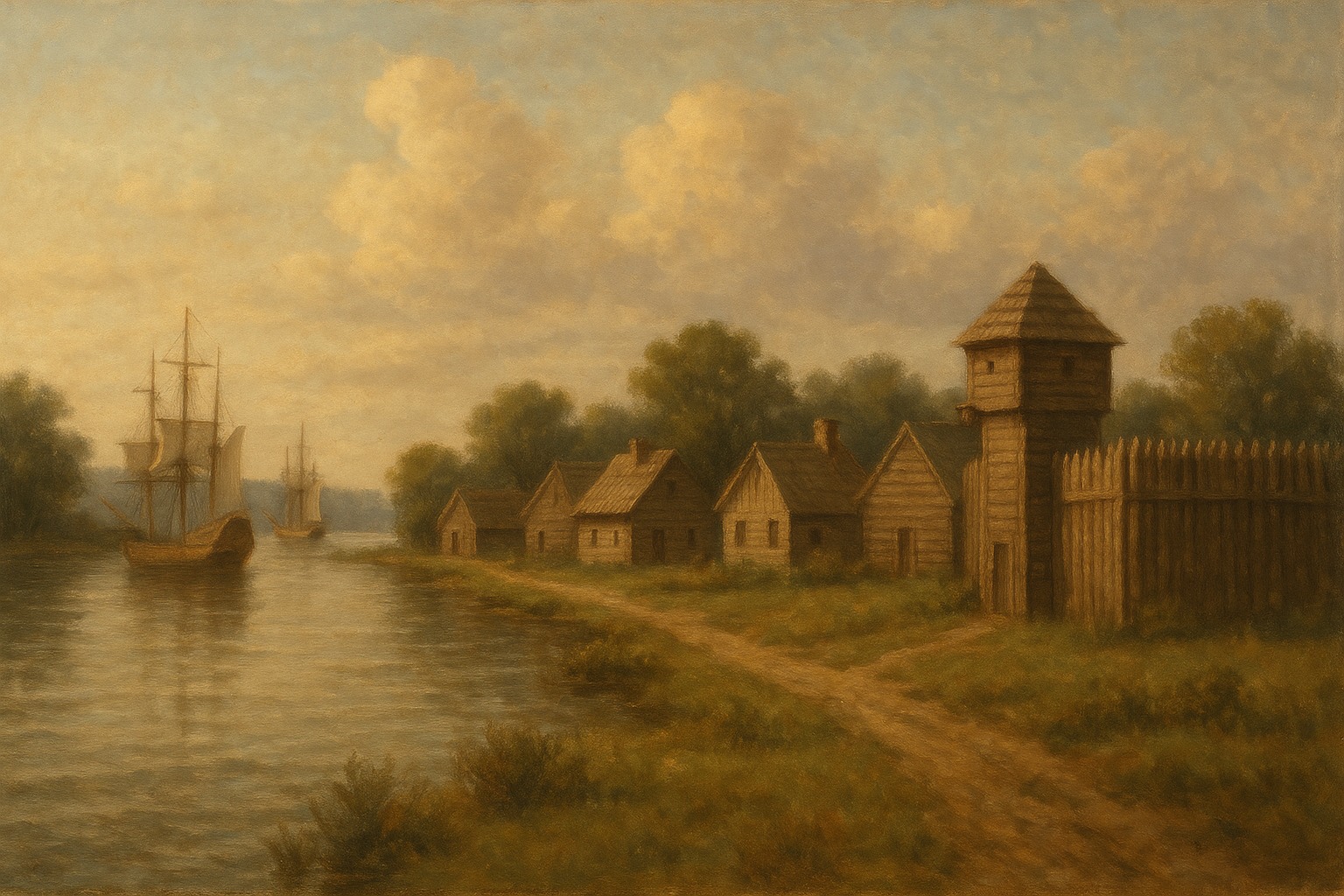
Sweden in the 1630s was a great military power with almost no maritime empire, and a group of Dutch investors led by the dismissed New Netherland director Peter Minuit offered to supply the missing piece. In March 1638 two ships, the Kalmar Nyckel and the Fogel Grip, came up the Delaware River and put ashore at a rock landing on a creek the Swedes named for their eleven-year-old queen. Fort Christina, on the site of modern Wilmington, was the first lasting European settlement on the Delaware.
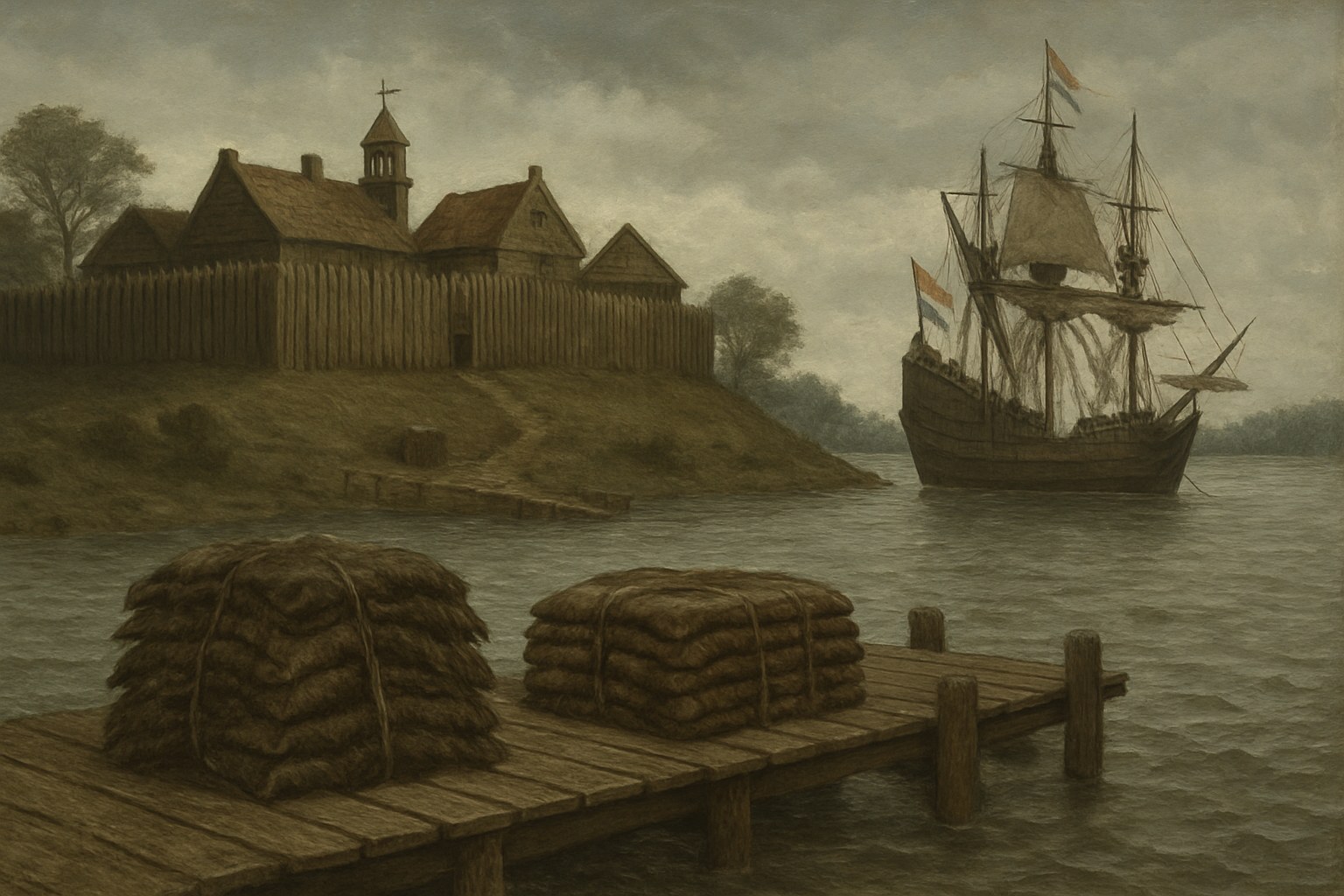
The colony never grew large. Twelve expeditions crossed in seventeen years and fewer than four hundred colonists were living there at its peak, a great many of them Finns from Sweden's forested eastern province, some of them transported as punishment for illegal slash-and-burn farming. They spread thinly up both banks of the river through what is now Delaware, southeastern Pennsylvania, and southern New Jersey, trading for furs, growing tobacco and grain, and getting along, for the most part, with the Lenape and the Susquehannock who surrounded them.
Their most durable contribution was a building. The horizontal-log house, notched at the corners and chinked with clay, was standard in Sweden and Finland and unknown to English and Dutch colonists, who built with sawn frames and clapboard. On the Delaware it was cheap, quick, warm, and needed no sawmill, and it spread from there — carried west by Scots-Irish and German settlers and adopted across the American backcountry until the log cabin became the emblem of the frontier and, eventually, of a certain kind of American political biography.
The end came from the north. In 1654 the Swedish governor Johan Rising seized the Dutch Fort Casimir downriver, and Peter Stuyvesant answered the following summer with seven ships and several hundred soldiers. The colony surrendered without a battle in September 1655 and was absorbed into New Netherland, which the English took nine years later. The Swedes and Finns stayed on their farms under three flags in a decade, kept their Lutheran congregations for another century, and left the Delaware Valley its oldest churches and its first American house.

| Years | 1638-1655 |
| Founded by | Peter Minuit, for the Swedish crown |
| Capital | Fort Christina, now Wilmington, Delaware |
| Settlers | Fewer than 400 Swedes and Finns at its peak |
| Legacy | Brought the horizontal-log cabin to America |
| End | Taken by Stuyvesant's Dutch expedition, 1655 |
| Date | 1638-1655 |
| Location | Fort Christina, Wilmington, Delaware |