New Netherland
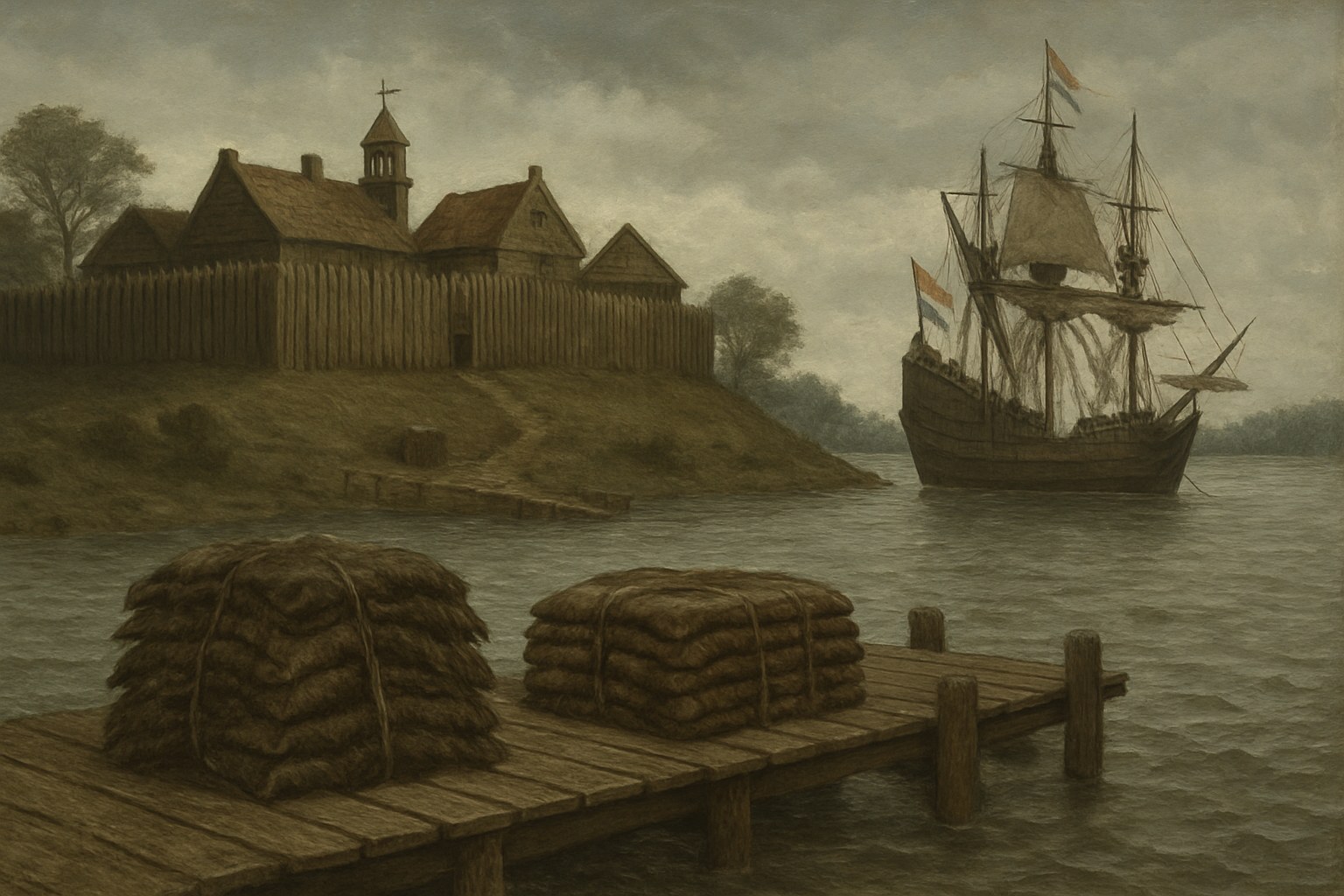
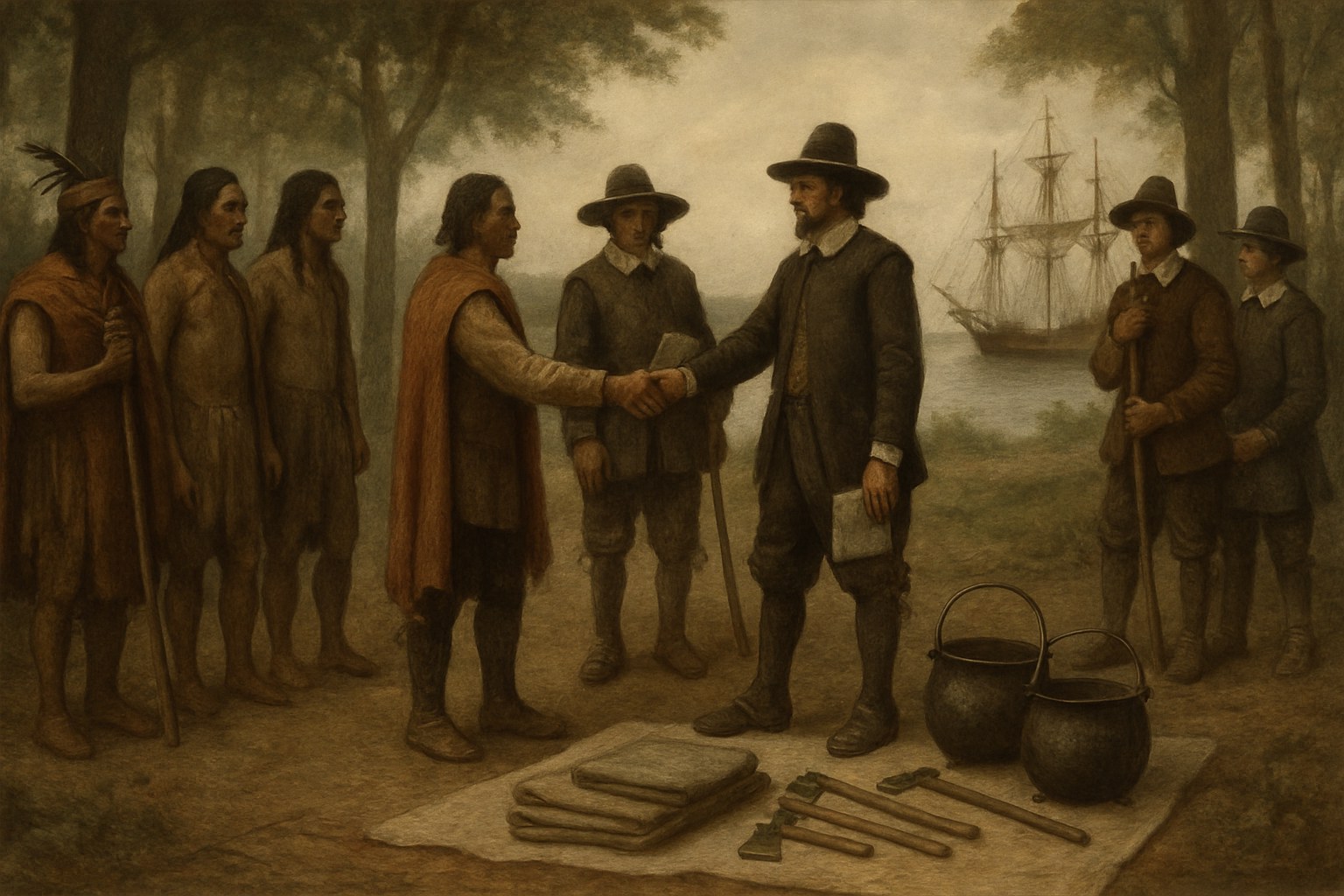
The Dutch Republic of the early seventeenth century was the richest trading nation in Europe, and when it sent ships west it was looking for a shortcut to Asia rather than a place to live. In 1609 the English navigator Henry Hudson, sailing under contract to the Dutch East India Company, worked his ship up a broad river until the water turned fresh and shallow and the passage he wanted plainly did not exist. What he reported instead was a country thick with beaver and Native nations willing to trade the pelts. In Amsterdam, that was enough.
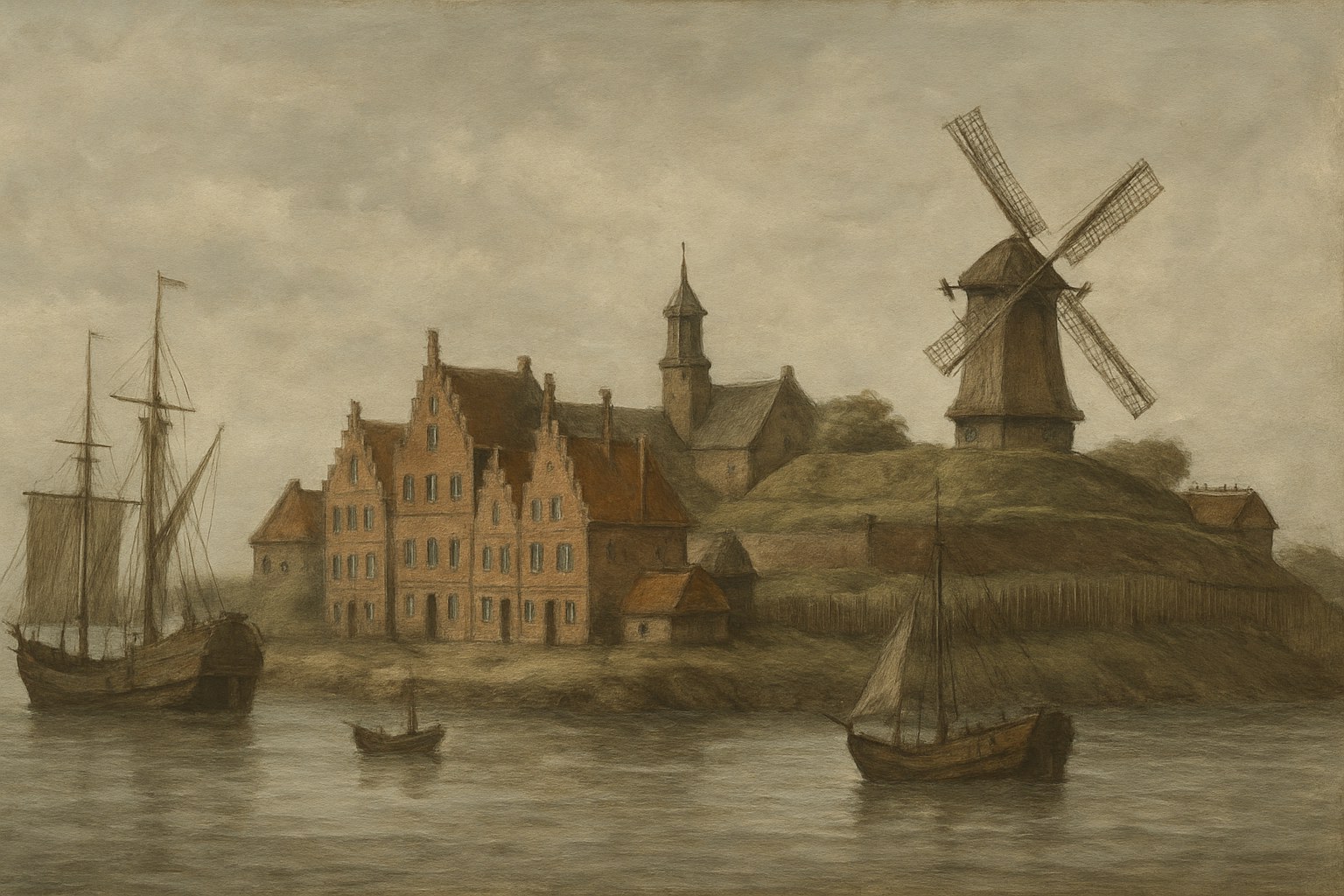
The Dutch West India Company, chartered in 1621 with a monopoly on Atlantic trade, made the river a colony. In 1624 it landed roughly thirty families, many of them French-speaking Walloon refugees, and scattered them across the claim — upriver at Fort Orange, on the Delaware, on the Connecticut, and at the harbor mouth where Fort Amsterdam rose the following year. New Netherland was a business before it was anything else. It had no persecuted congregation behind it and no vision of a godly commonwealth, only shareholders who measured the venture in pelts shipped and dividends paid.
Because the company wanted traders rather than farmers, the colony filled with whoever would come. A visiting Jesuit priest, Isaac Jogues, reported hearing eighteen languages spoken at or near New Amsterdam in the 1640s — Dutch and Walloon, English, German, Portuguese, Swedish, and the languages of the Lenape and of enslaved Africans the company imported from the 1620s. To get farmers onto the land the company created the patroonship in 1629, granting vast Hudson Valley estates to investors who agreed to settle tenants on them. Only Rensselaerswijck, near Fort Orange, ever amounted to much.
The colony's relations with the Lenape collapsed under Director Willem Kieft, who demanded tribute from nations that had never accepted Dutch authority and then answered resistance with slaughter. In February 1643 Dutch soldiers fell on sleeping camps at Pavonia and Corlears Hook and killed roughly 120 people, most of them women, children, and the elderly. The war that followed nearly destroyed the settlement. New Netherland survived it, but never grew large, and in 1664 an English fleet took the whole colony without a shot. The Dutch presence lasted forty years and shaped New York for centuries.


| Years | 1624-1664 |
| Run by | The Dutch West India Company (chartered 1621) |
| Origin | Henry Hudson's 1609 voyage for the Dutch |
| Purpose | The fur trade — a commercial venture, not a refuge |
| Population | Polyglot — eighteen languages reported by the 1640s |
| End | Surrendered to an English fleet in 1664 |
| Date | 1624-1664 |
| Location | Hudson Valley and the Mid-Atlantic coast |