The Robber Barons and the Industrial Age
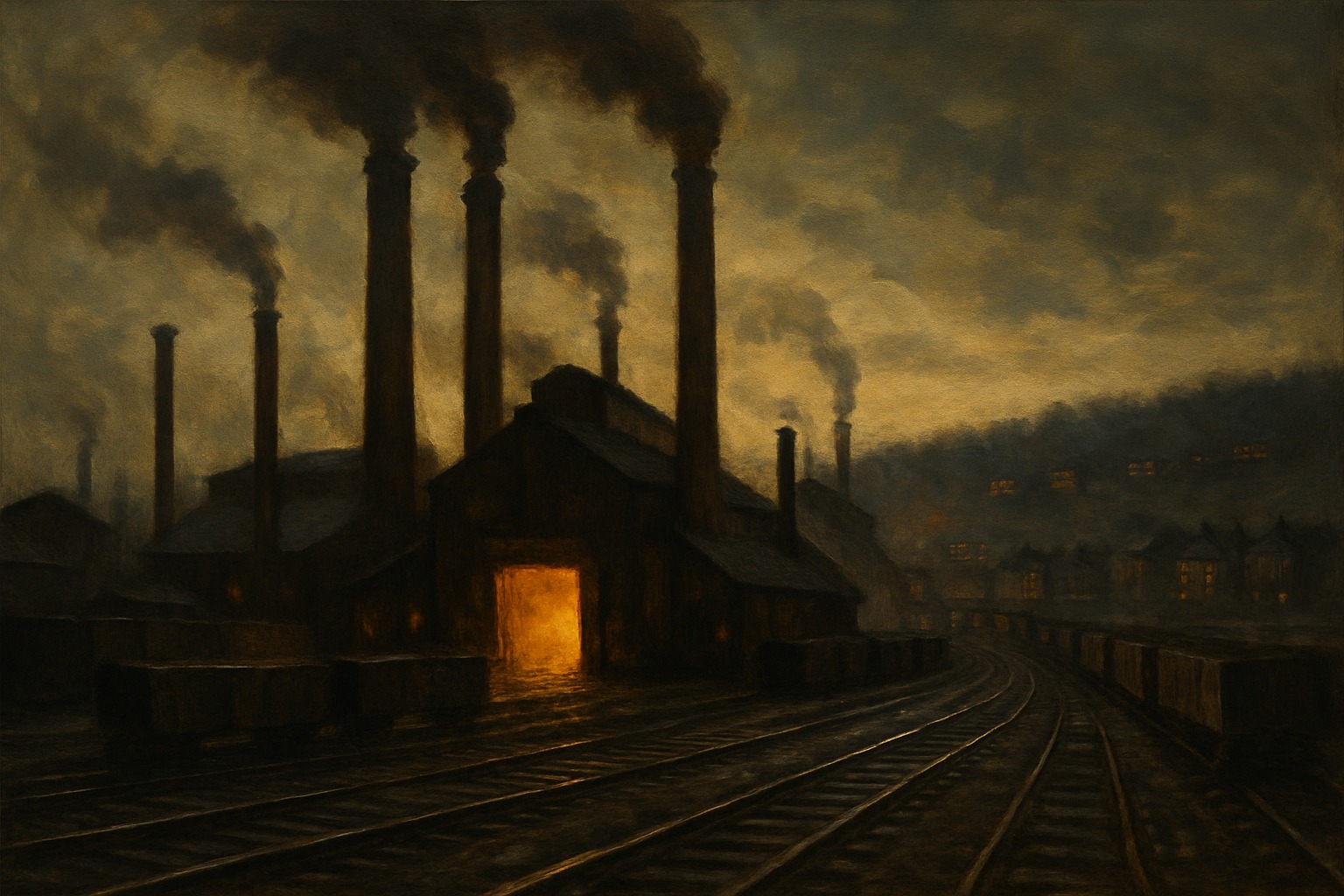
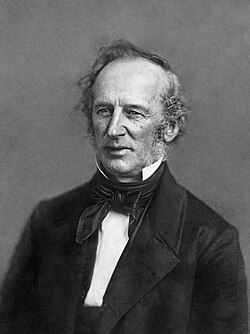
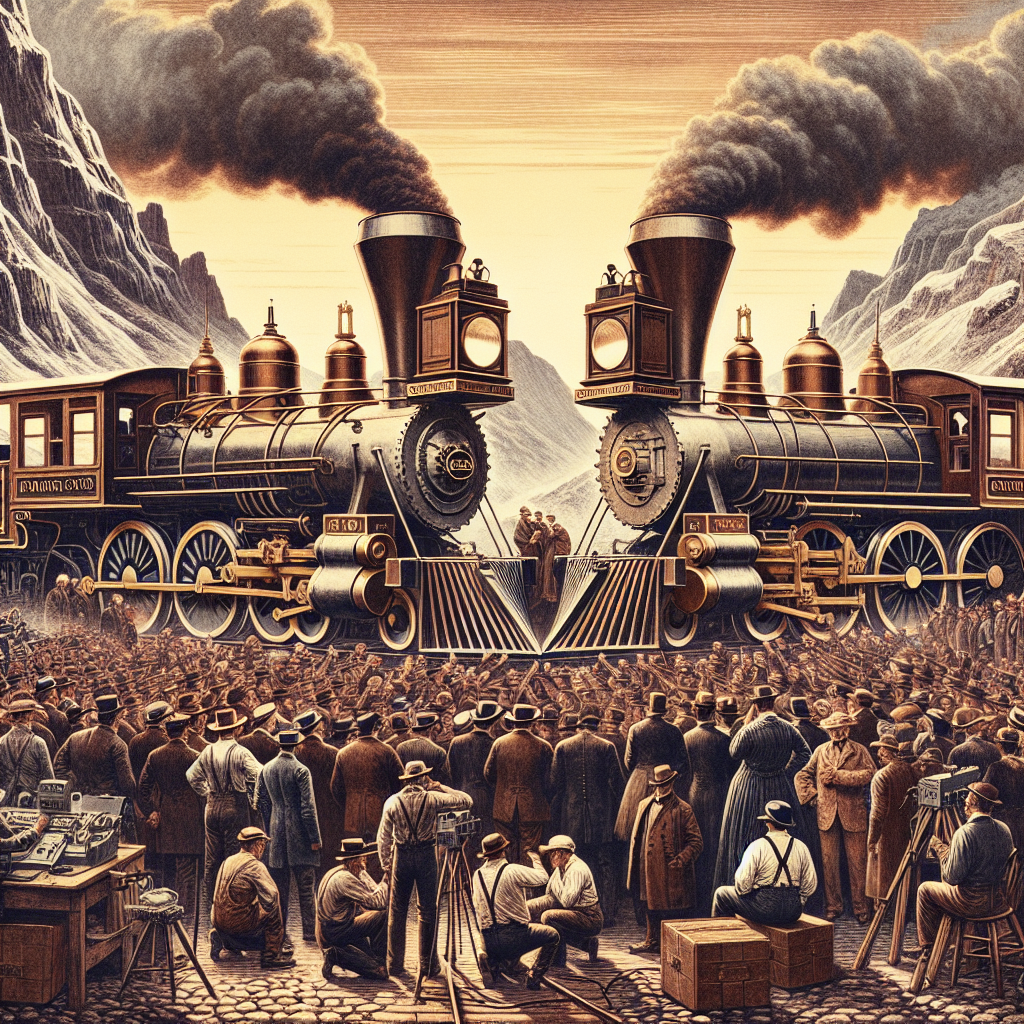
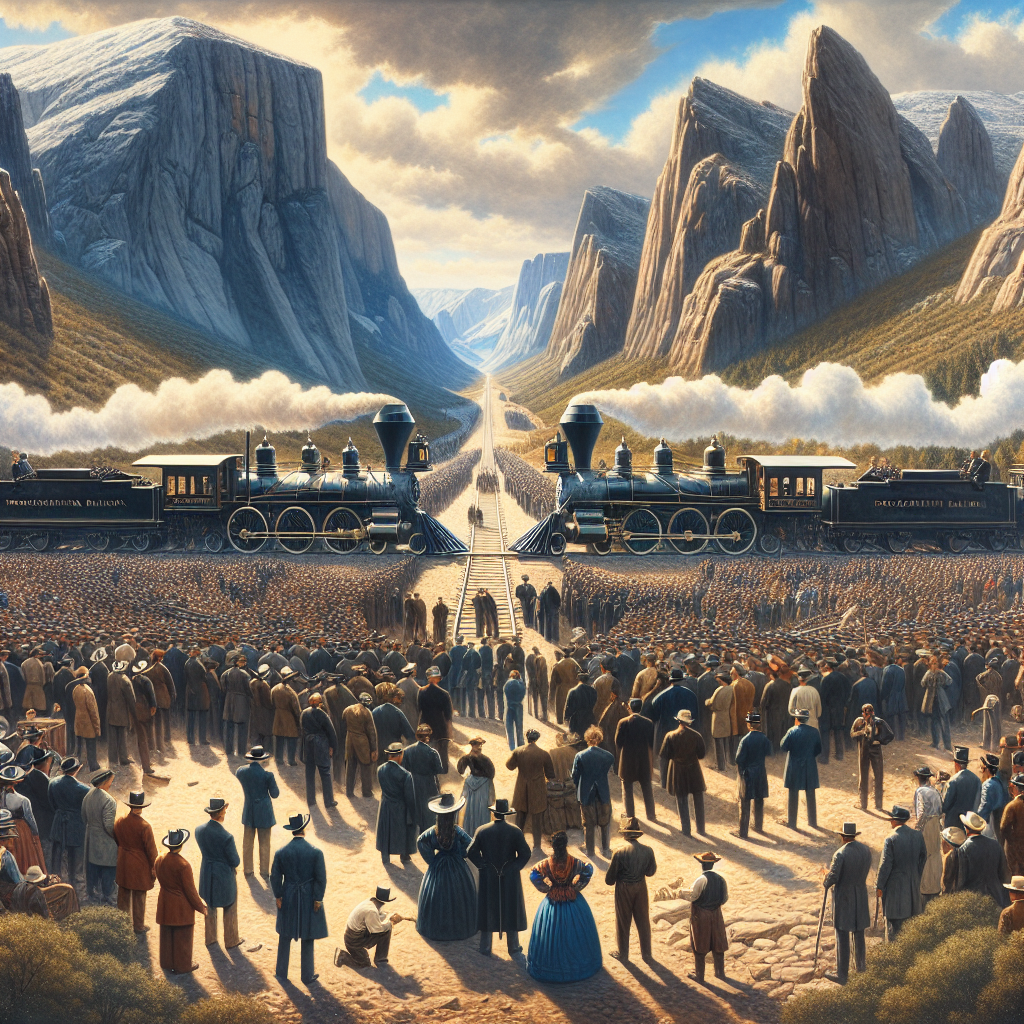
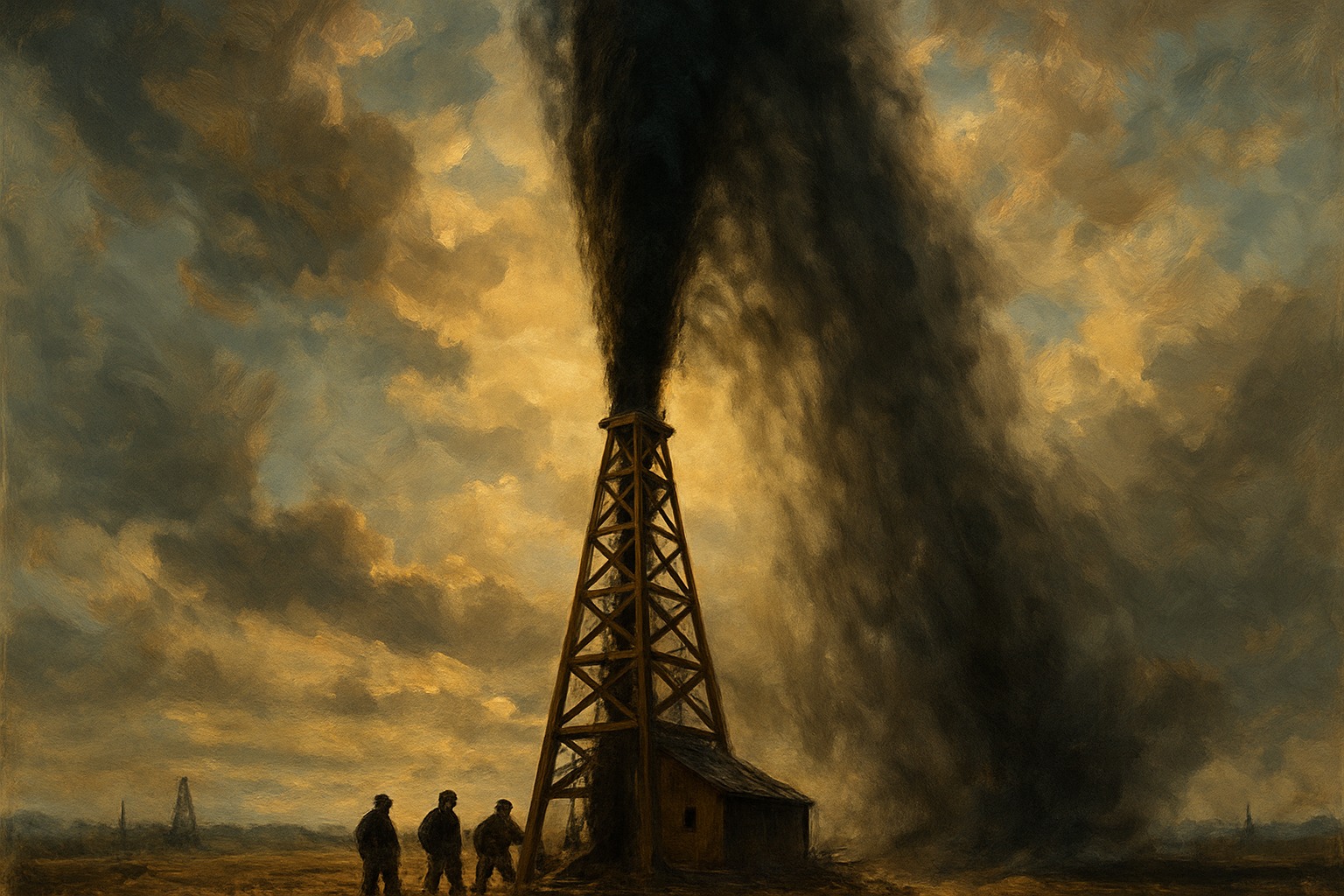
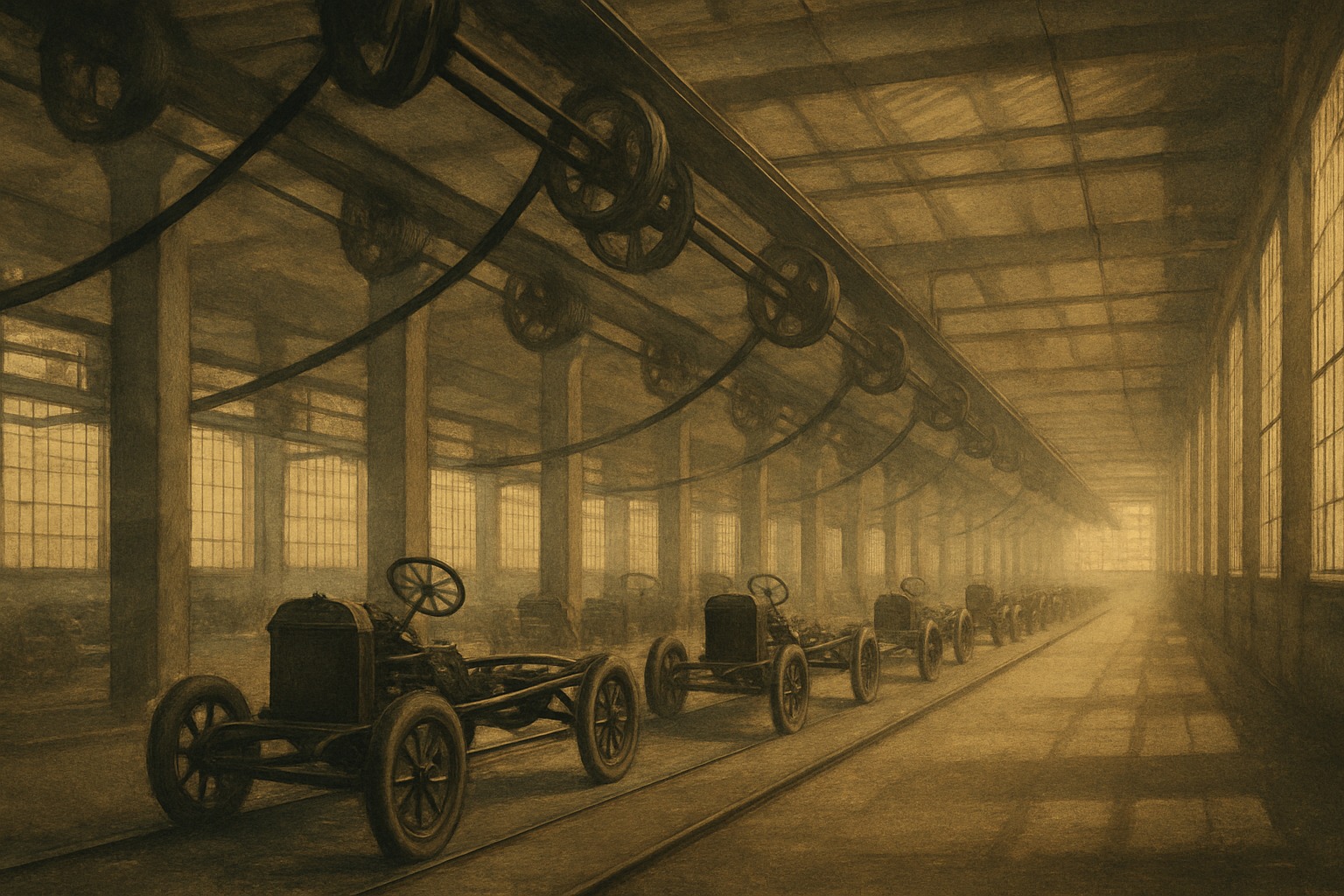
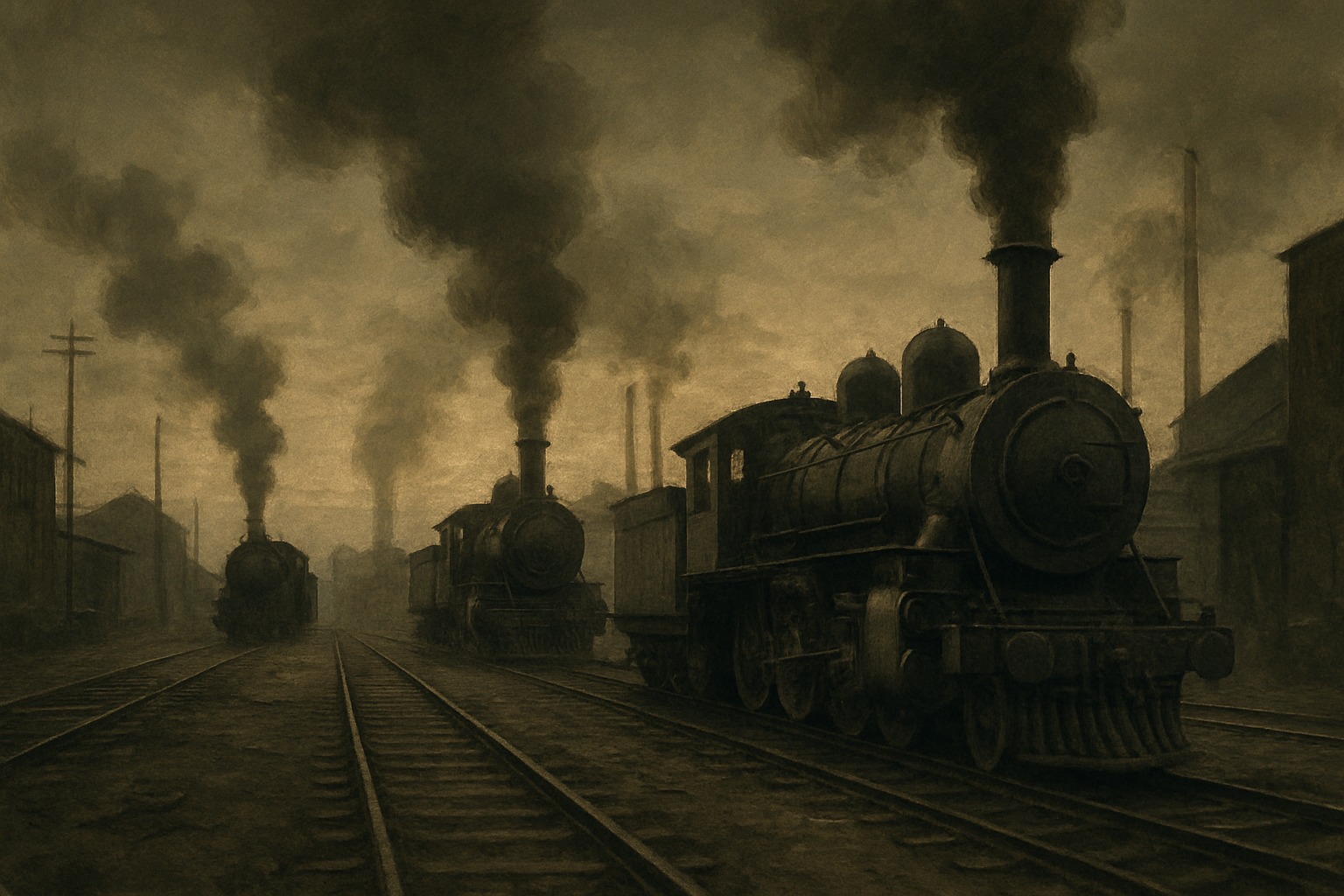
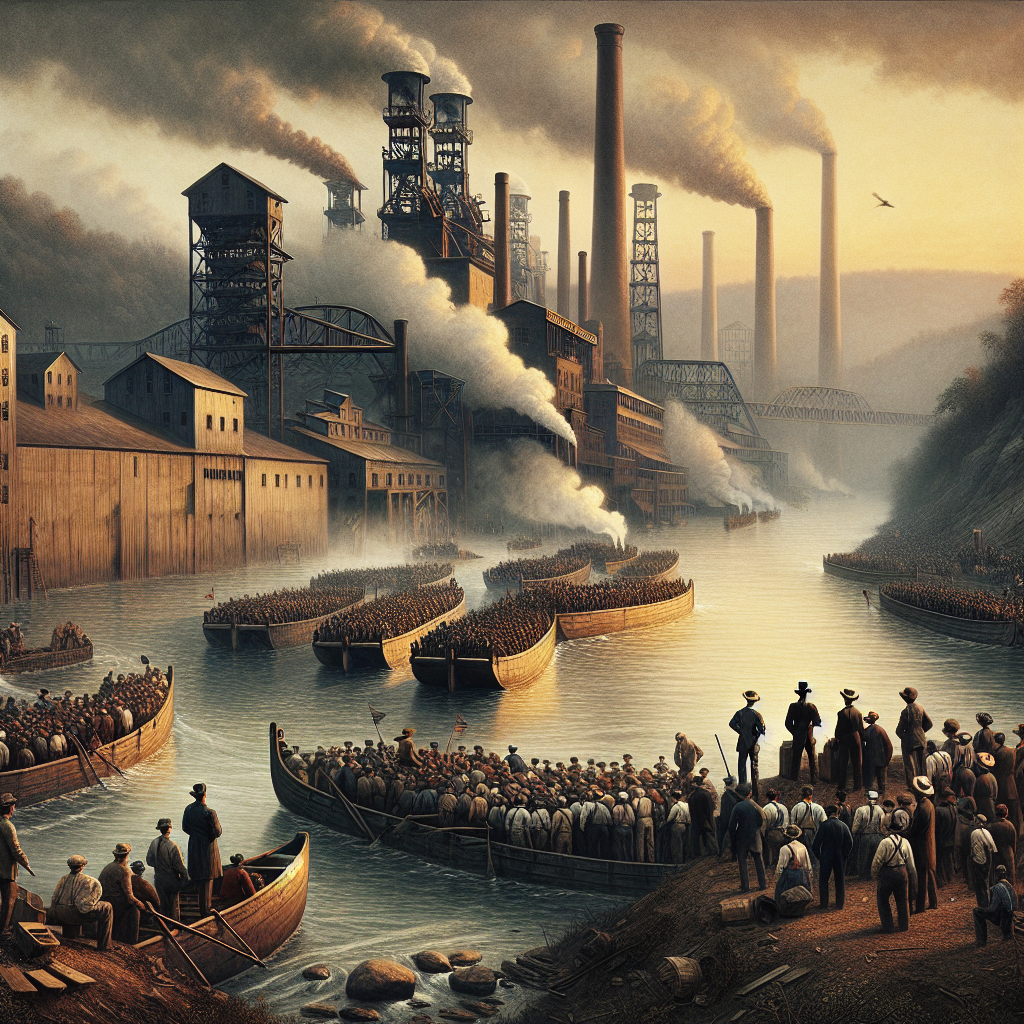
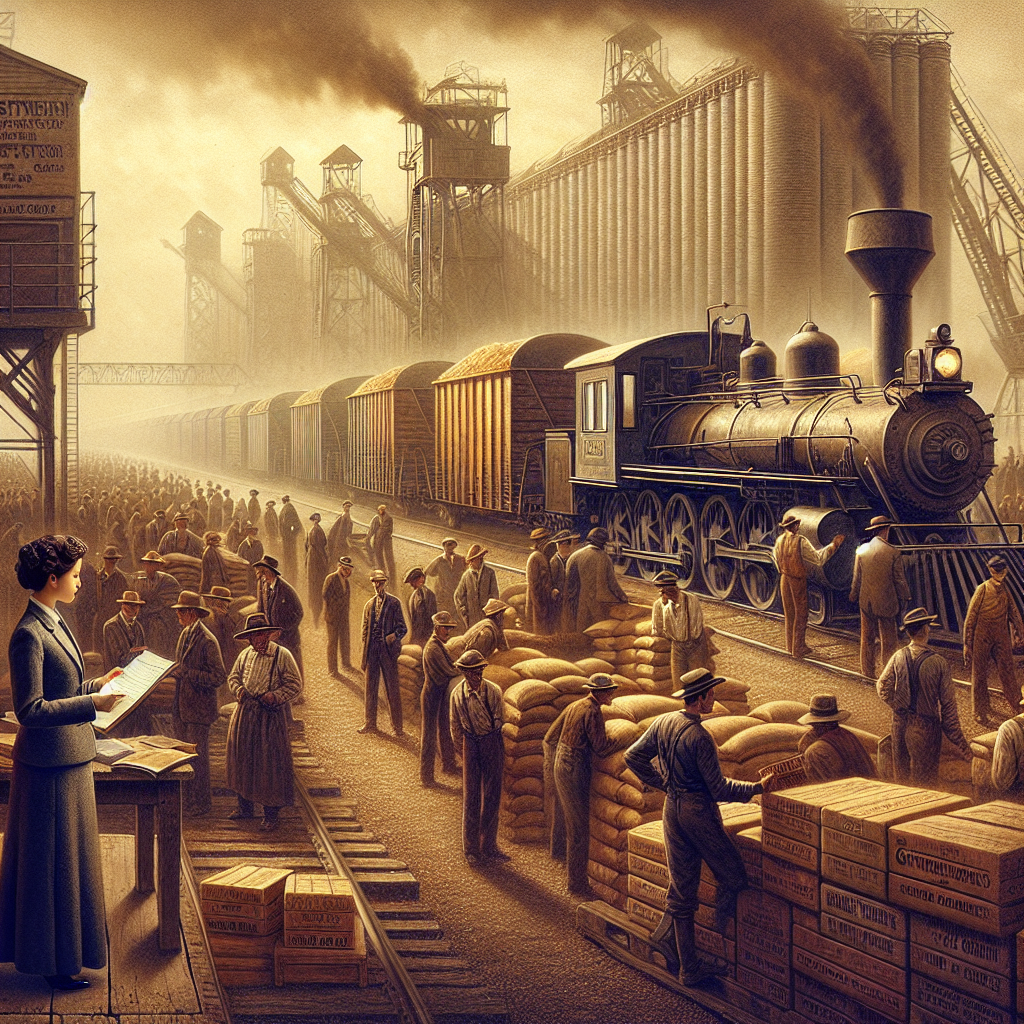
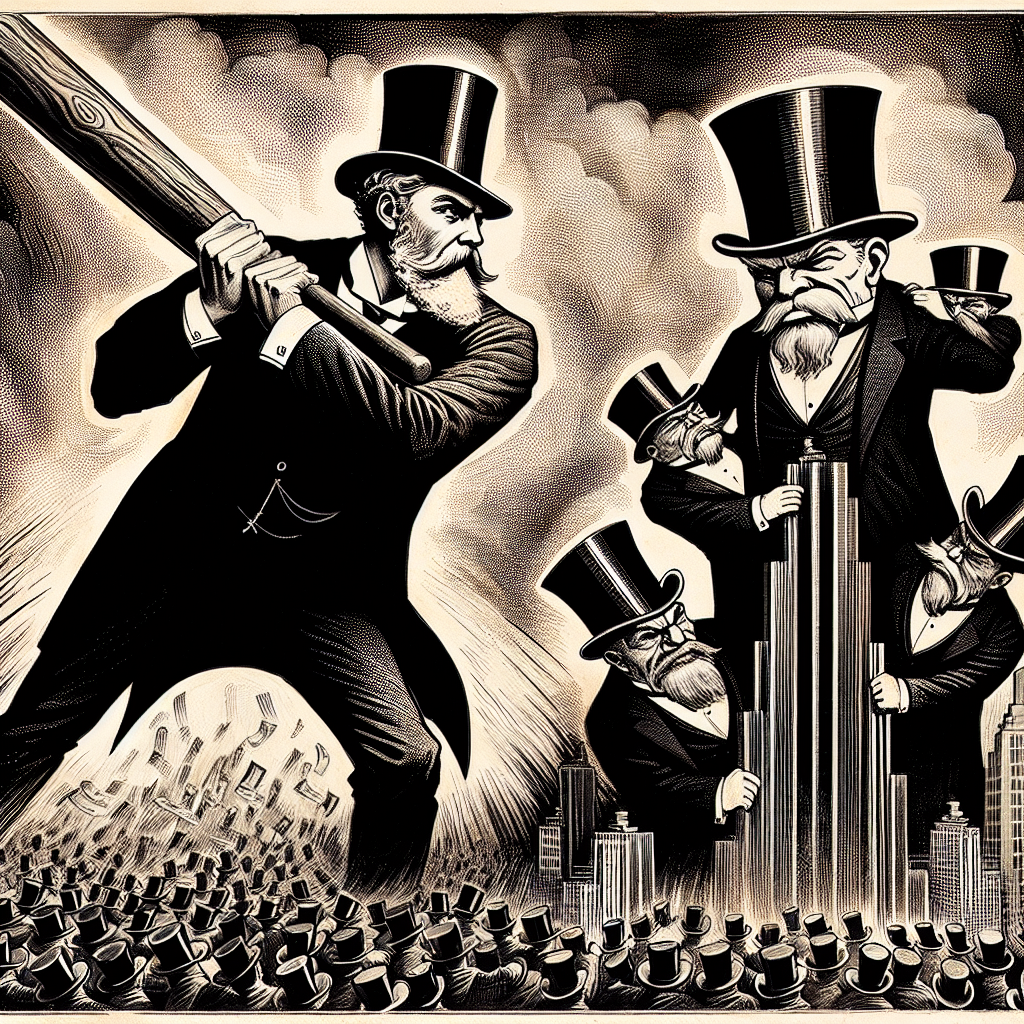
Between the end of the Civil War and the First World War, the United States went from a farming republic that imported most of its manufactured goods to the largest industrial economy on earth. Steel output passed Britain's in the 1880s. Rail mileage quadrupled. Oil, which had been a curiosity in 1860, lit the country by 1880 and moved it by 1910. Almost none of this was planned by government. It was assembled by a small number of men who bought competitors, fixed prices, borrowed enormous sums, and organized whole industries under single ownership — and who were called captains of industry by their admirers and robber barons by everyone else.
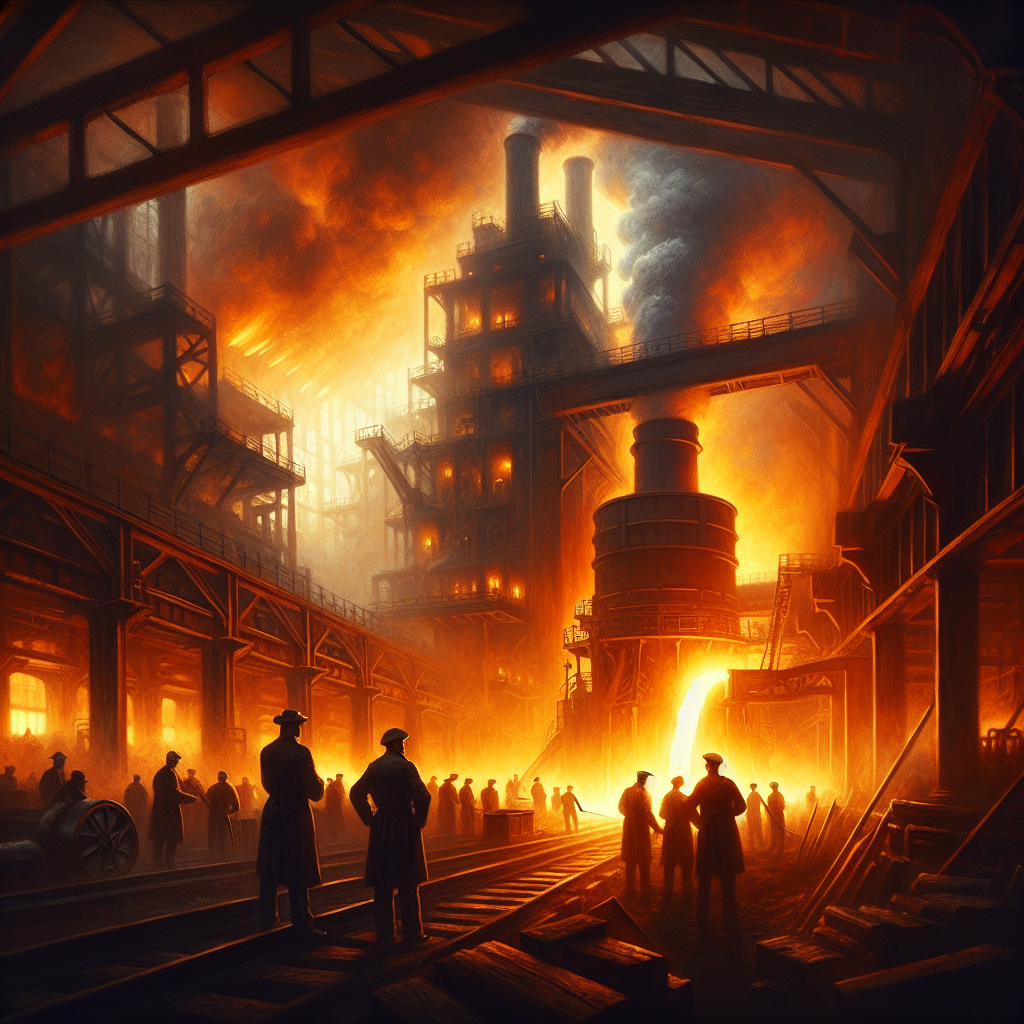
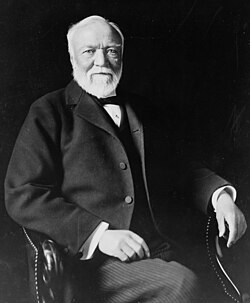
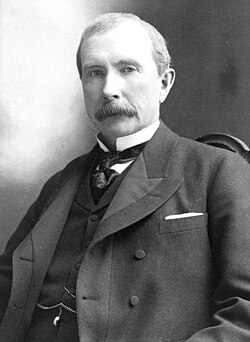
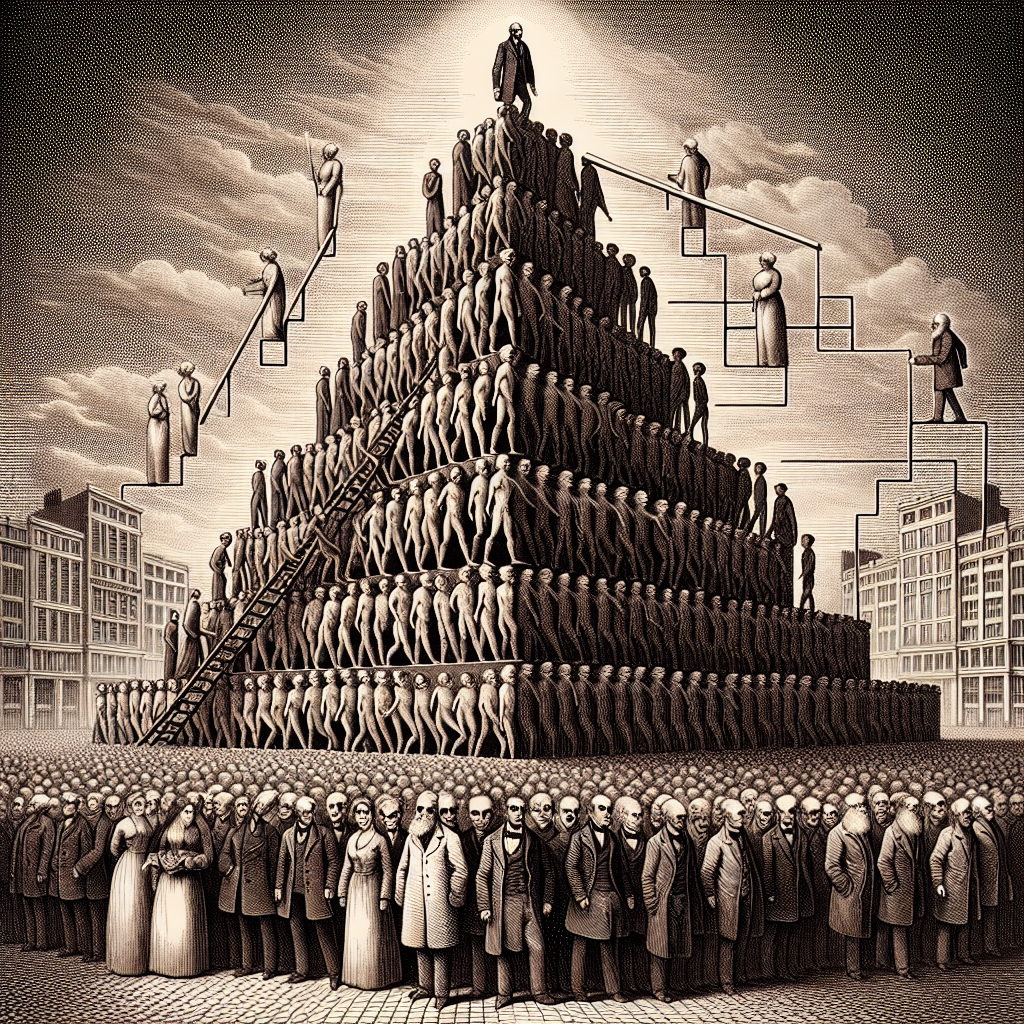
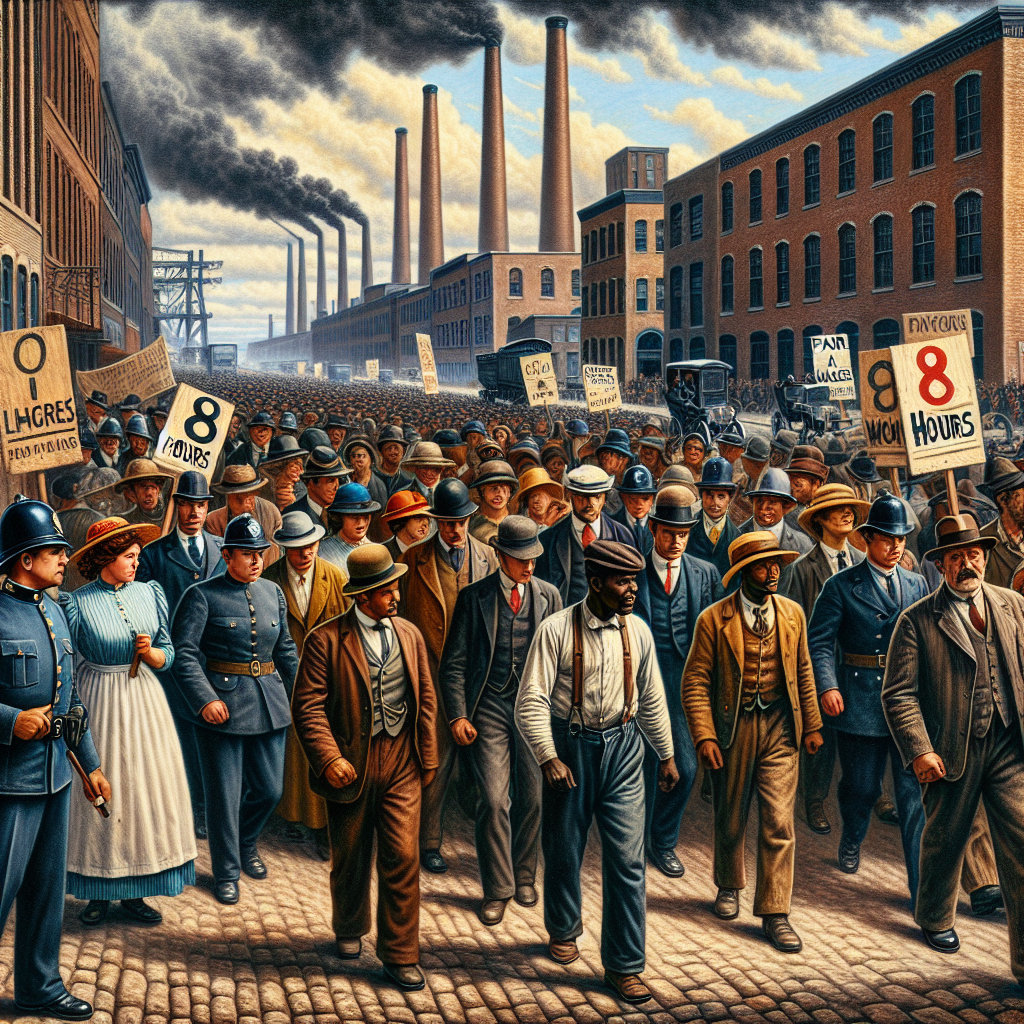
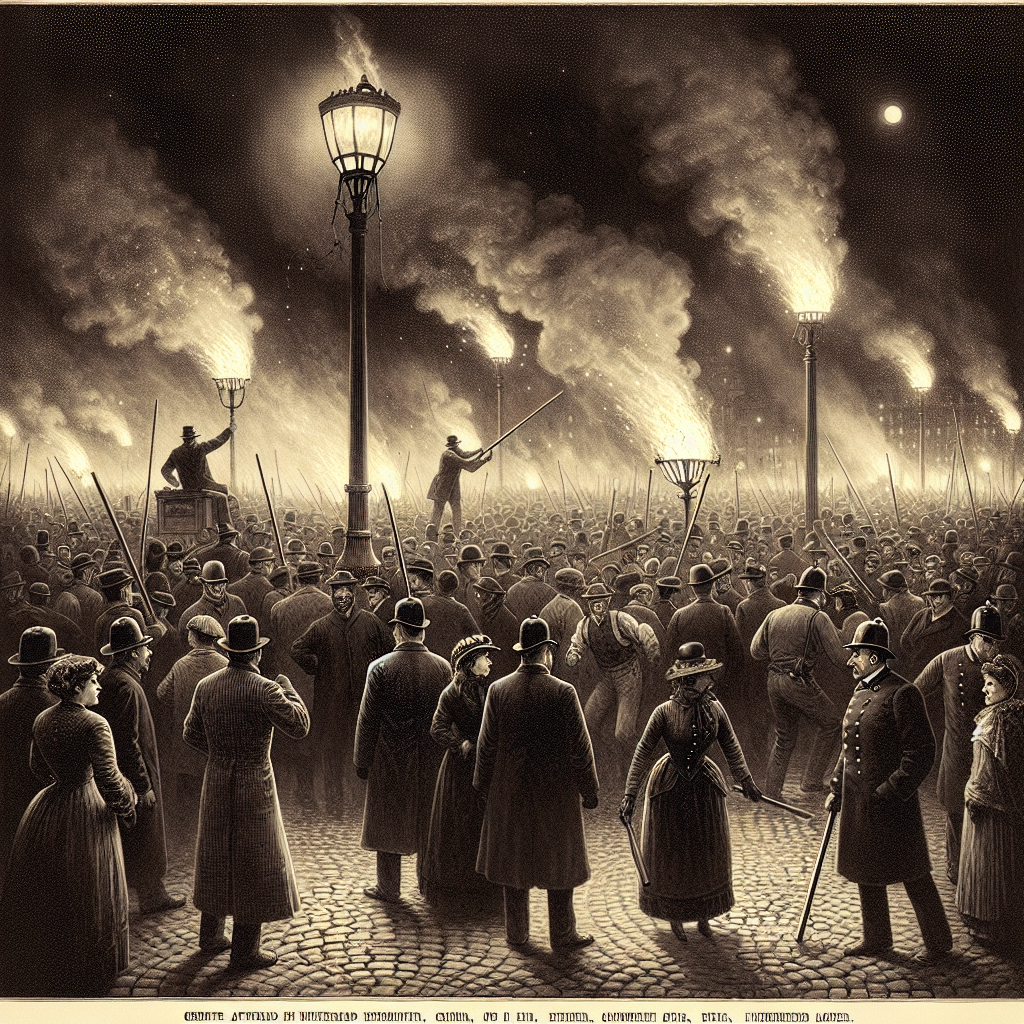
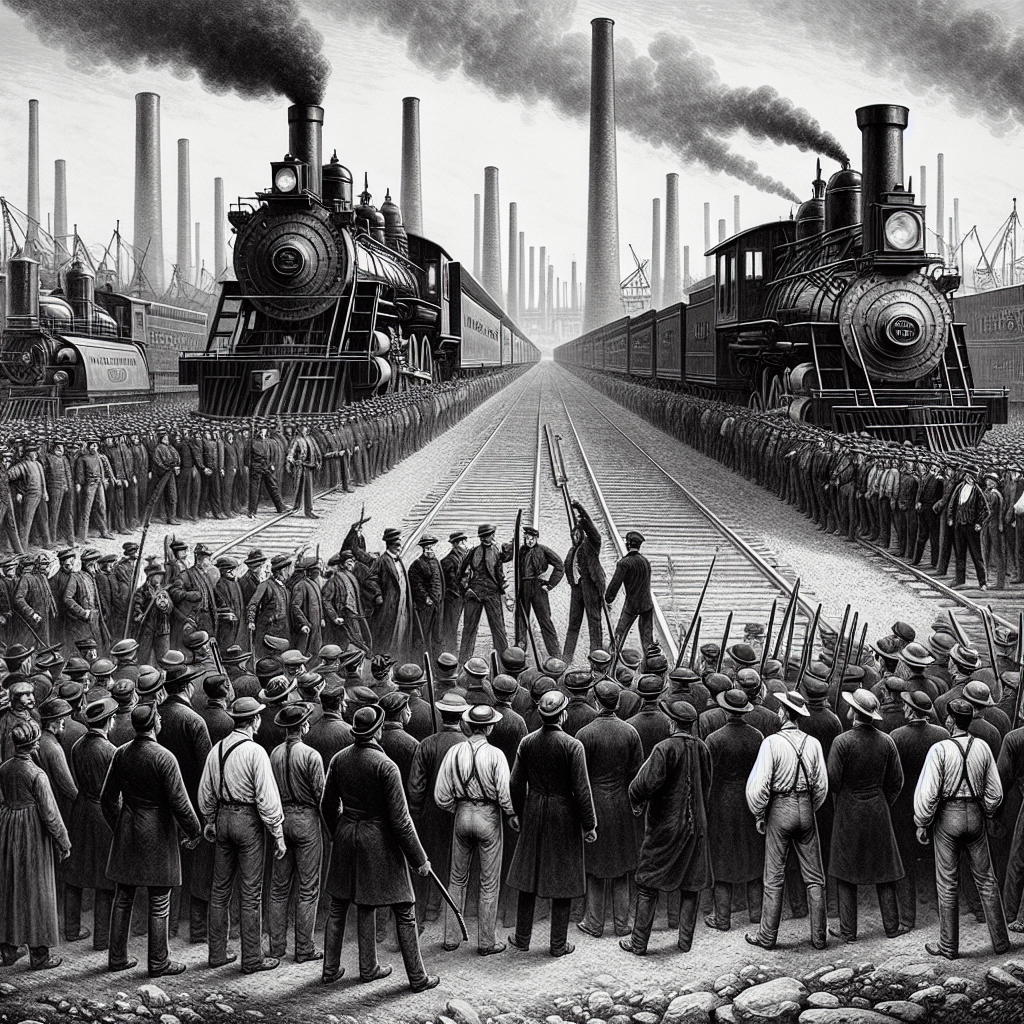
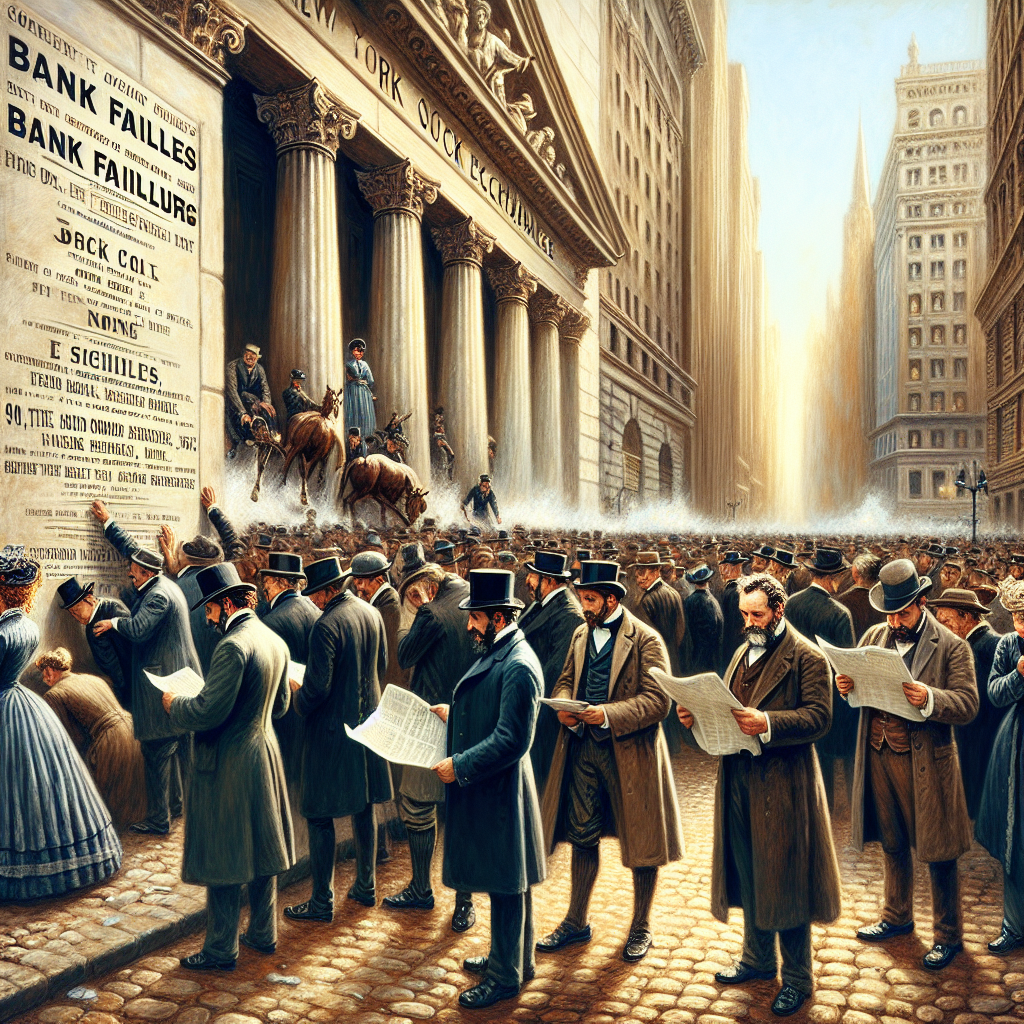
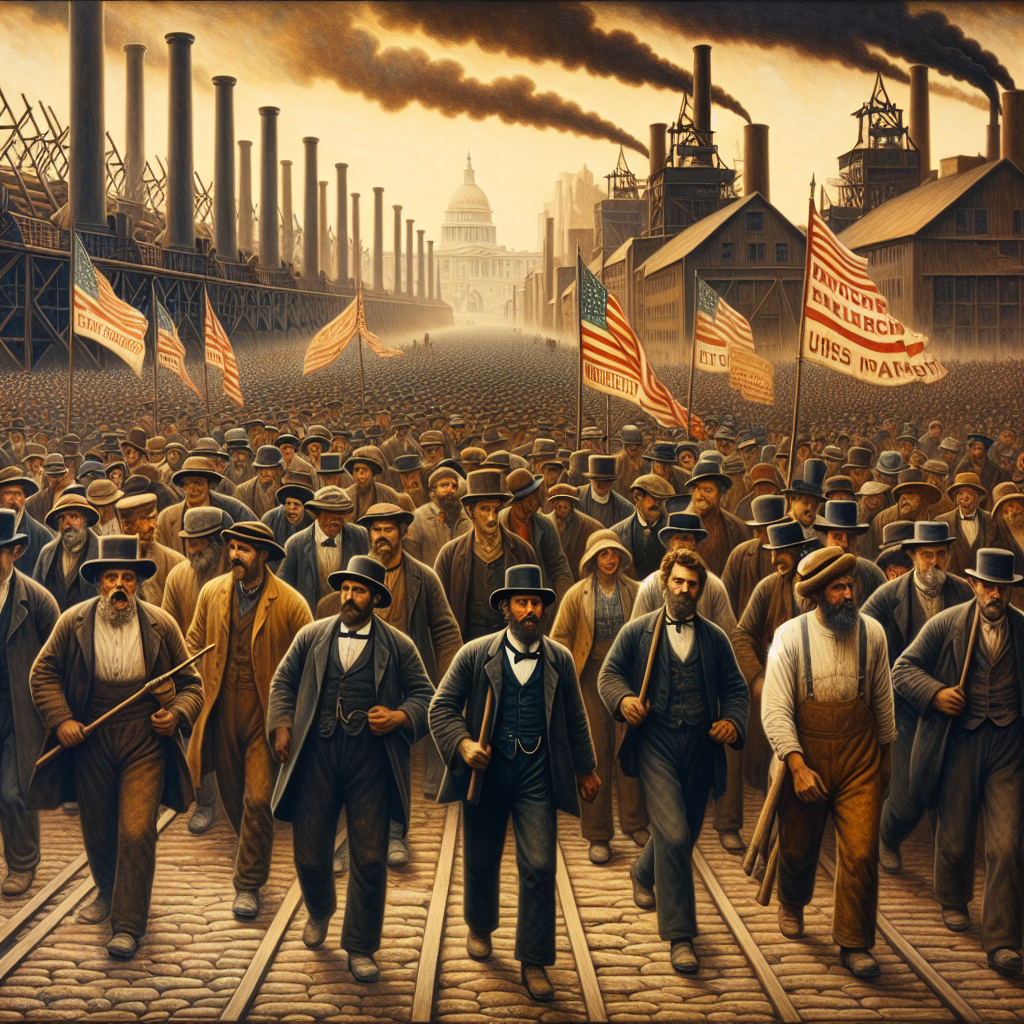
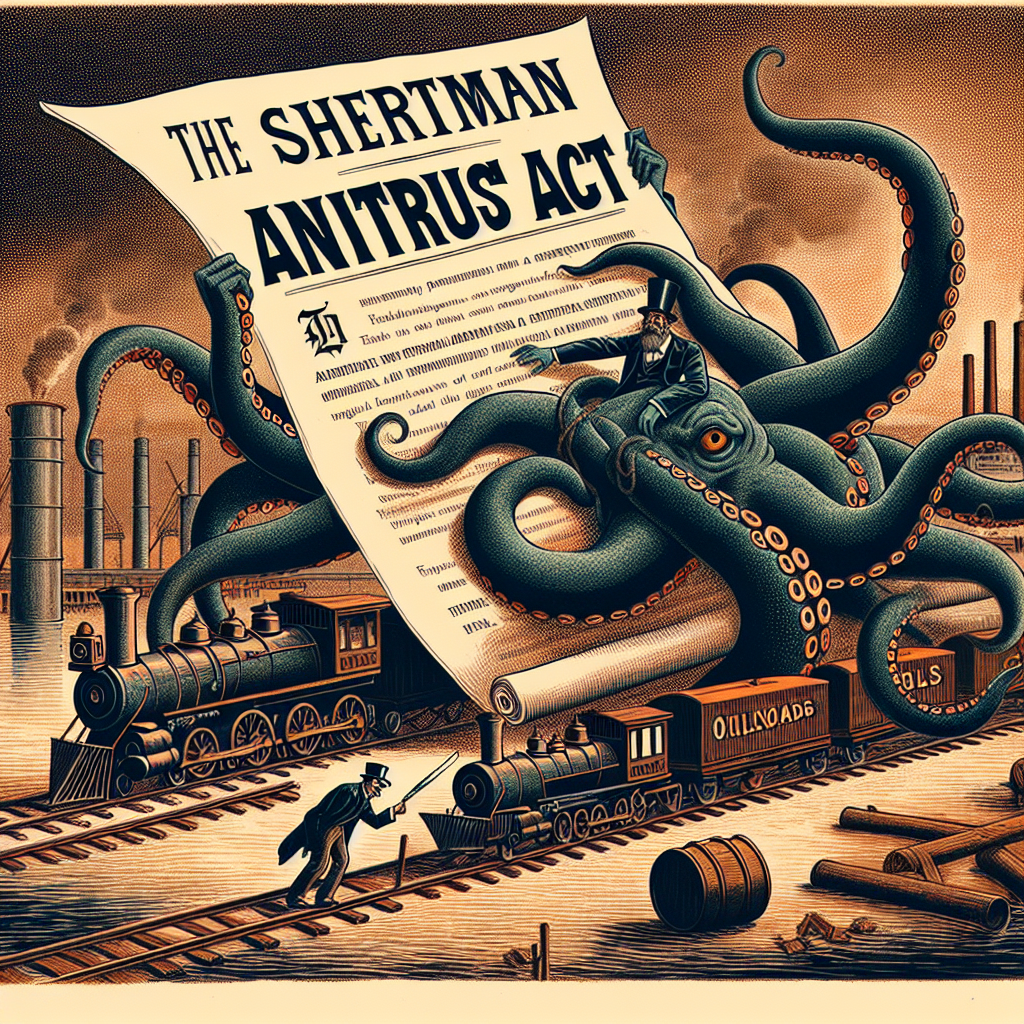
Both labels survive because both describe something real. Andrew Carnegie gave away roughly ninety percent of a fortune built on twelve-hour shifts in hundred-degree mills. John D. Rockefeller cut the price of kerosene by more than half while destroying every refiner who would not sell to him. The same decades that produced Carnegie libraries produced Homestead, Haymarket, and Pullman. This guide follows the industrial age from the rails outward: the men and firms that consolidated it, the ideology that explained why the winners deserved to win, the strikes that contested it, the panics that periodically broke it, and the antitrust laws that finally gave the federal government a say.
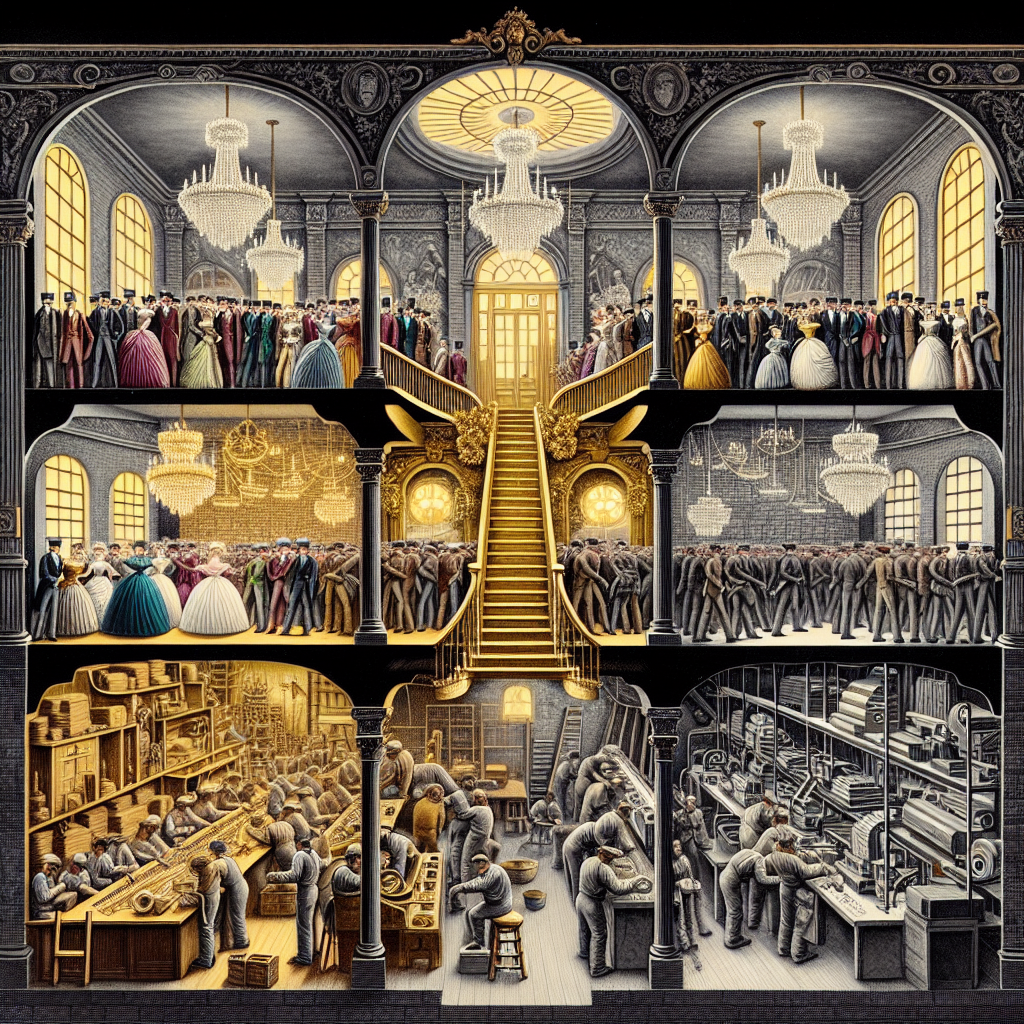


The politics that grew out of these fights are traced in the Progressive Era guide, and the broader social world of the period — immigration, cities, corruption, and reform — in The Gilded Age.