The Labor Movement
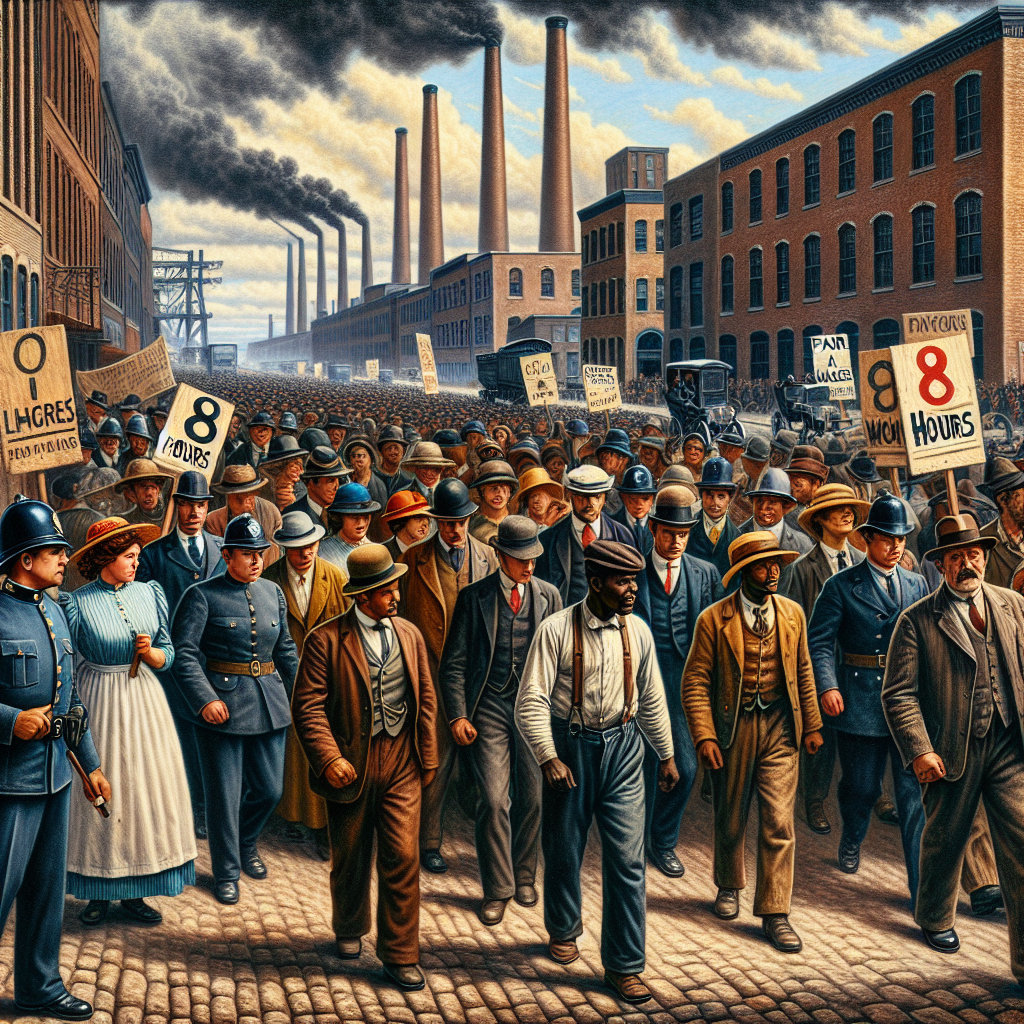
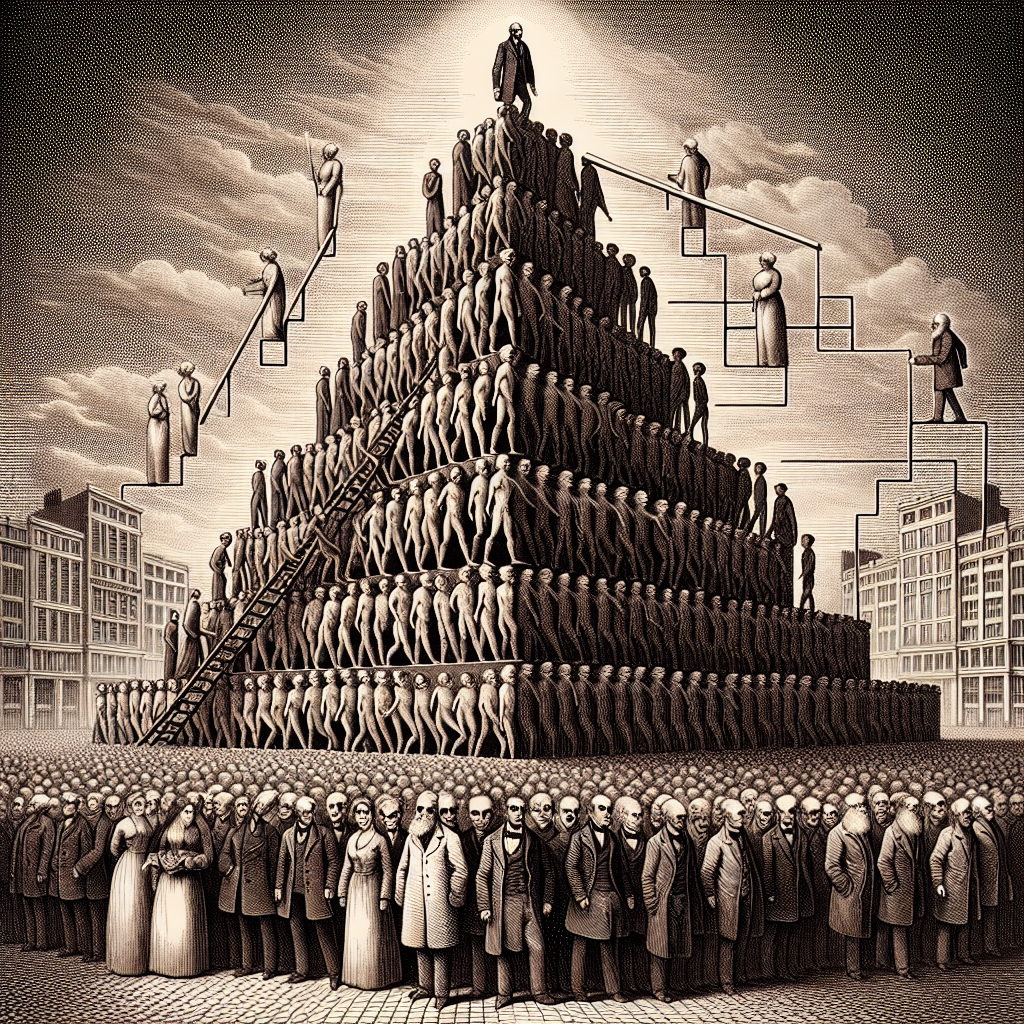
The American labor movement was built on a simple observation: that the people who made things had no say in the conditions under which they made them, and that the gap between what their labor produced and what they were paid for it was enormous and growing. In the decades after the Civil War, as industrialization concentrated workers by the thousands in factories, mines, and railroads, the logic of collective action became unavoidable — an individual worker could be fired and replaced; a factory full of workers who stopped together could not. The Knights of Labor, founded in 1869, organized across industry lines and racial lines in ways that alarmed employers and the courts equally. The American Federation of Labor, founded in 1886 by Samuel Gompers, took a narrower craft-union approach that proved more durable if less radical.
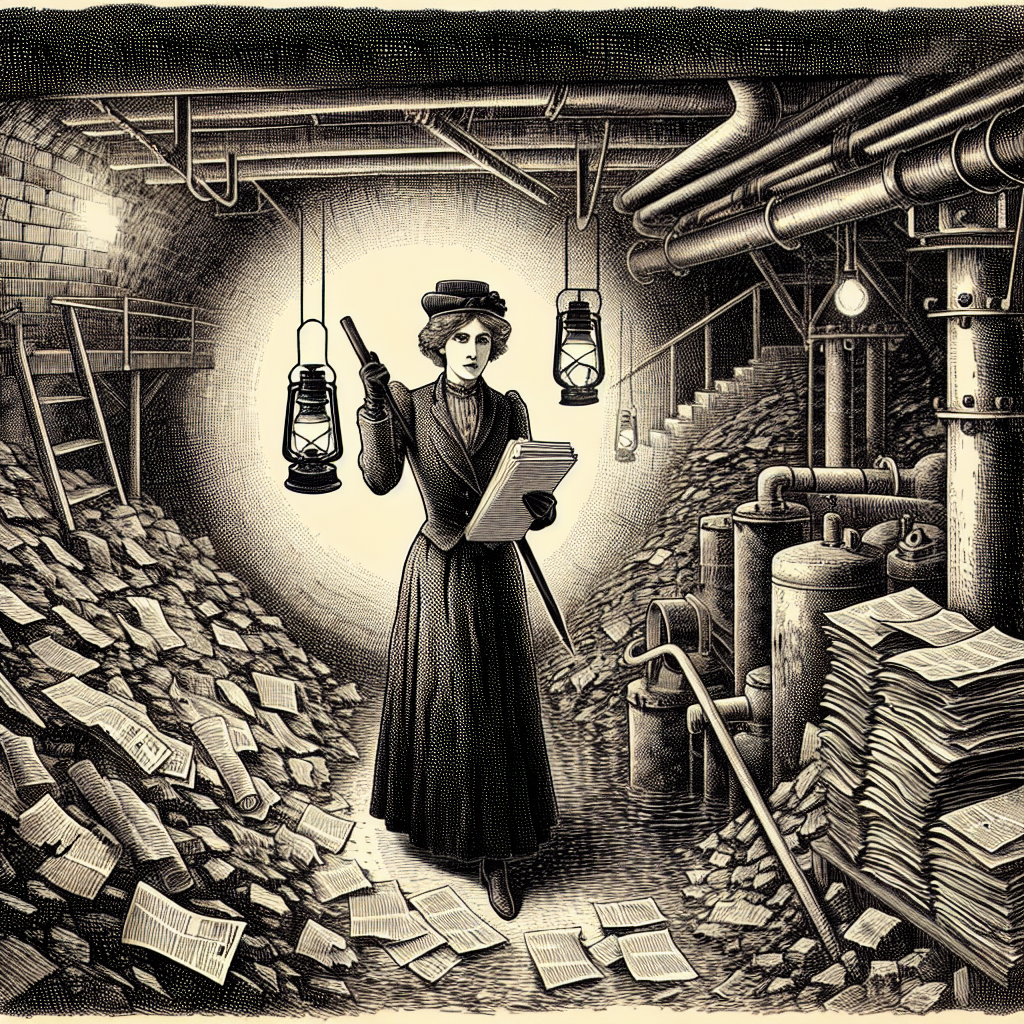
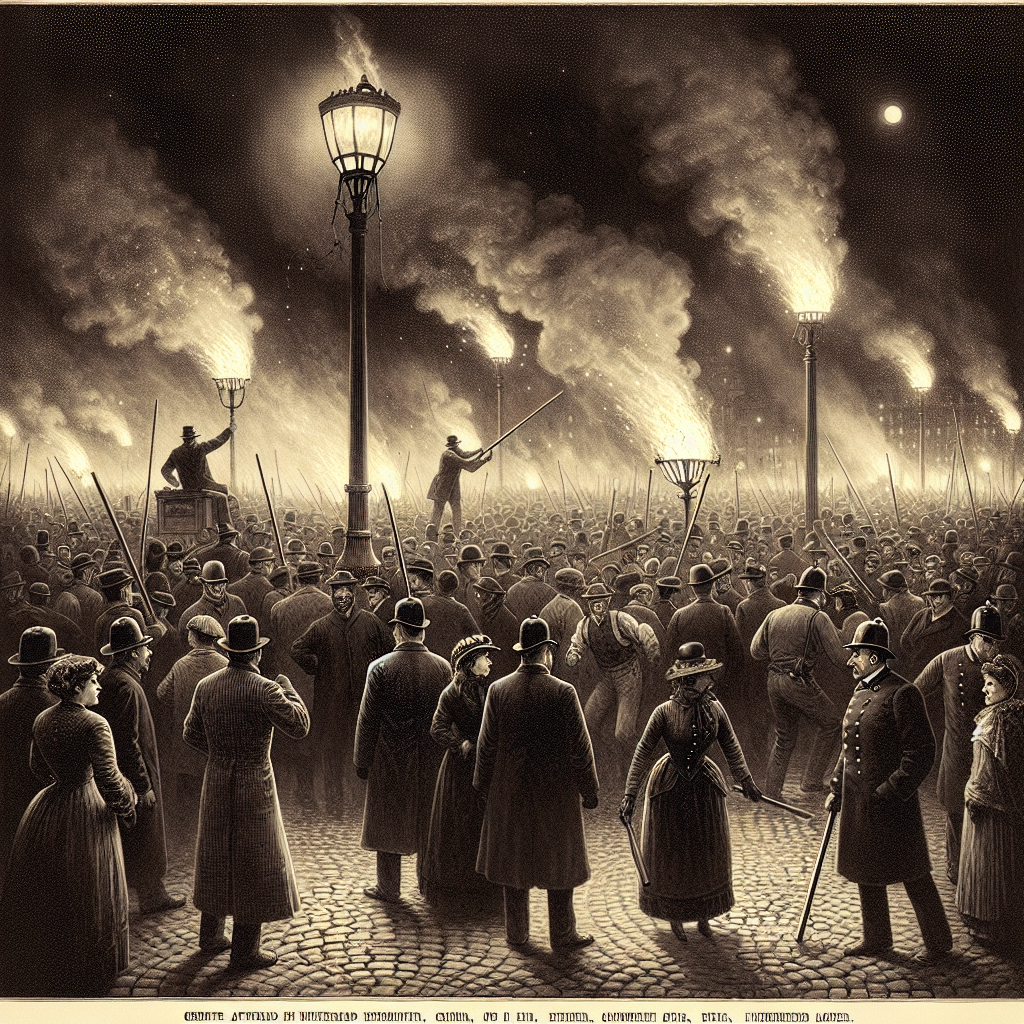
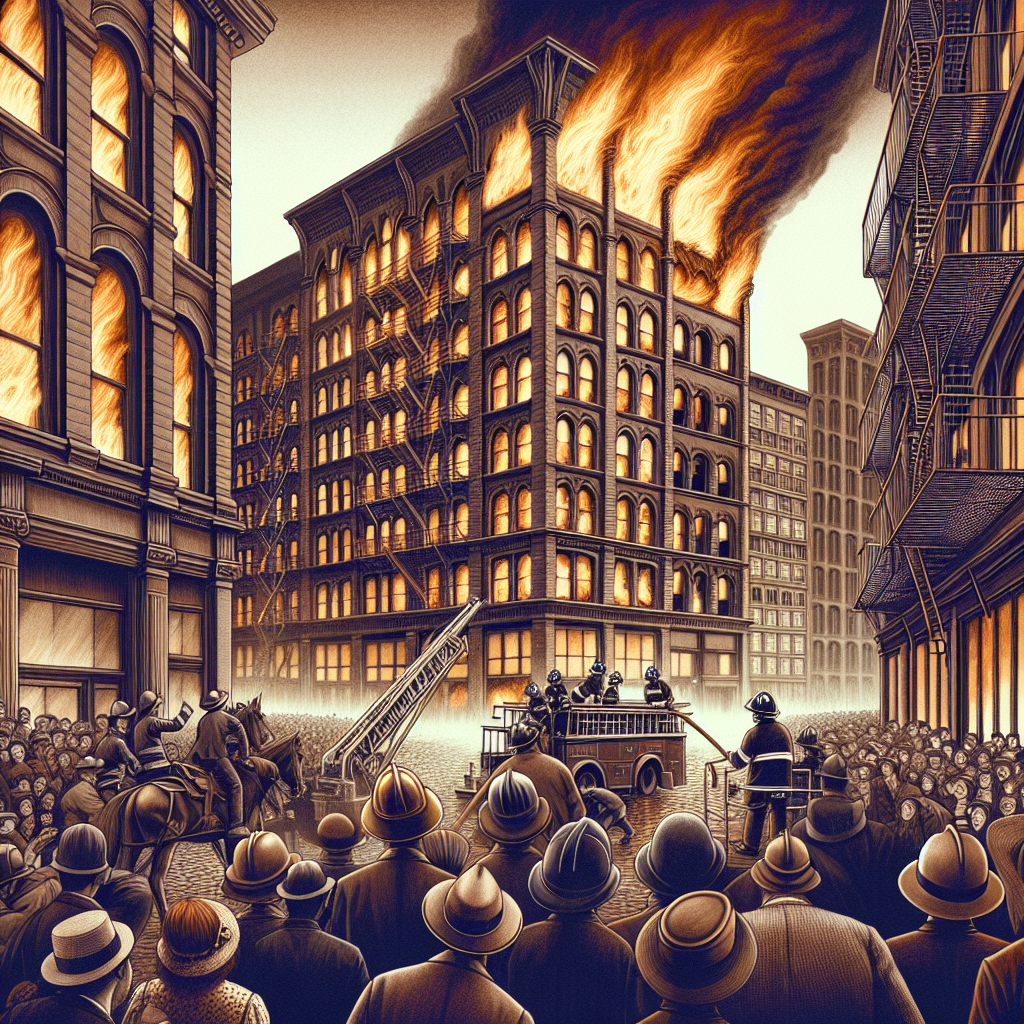
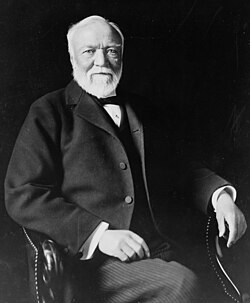
The movement's history is a history of violence, almost all of it directed at workers rather than by them. The Great Railroad Strike of 1877 — the first nationwide labor strike in American history — was suppressed by state militias and federal troops, killing at least 100 workers. The Haymarket affair of 1886, in which a bomb thrown at police during a labor demonstration in Chicago was used to convict eight anarchists, most of whom had nothing to do with the bombing, established the legal template for destroying labor organizations through criminal prosecution. The Homestead Strike of 1892 ended when Carnegie Steel's chairman Henry Clay Frick brought in 300 Pinkerton detectives who fought a pitched battle with striking steelworkers. The Triangle Shirtwaist Factory fire of 1911, which killed 146 garment workers — mostly young immigrant women — because the exit doors were locked, made the cost of unregulated workplaces impossible to ignore and produced the wave of workplace safety legislation that followed.
The labor movement's greatest legislative triumph came in 1935 with the Wagner Act, which guaranteed workers the right to organize and required employers to bargain collectively in good faith, and the Fair Labor Standards Act of 1938, which established the federal minimum wage and the 40-hour workweek. Union membership peaked at approximately 35 percent of the workforce in the mid-1950s — the highest in American history and the foundation of the broad middle-class prosperity of the postwar decades. It has fallen steadily ever since, reaching roughly 10 percent today, a decline that has tracked almost precisely with the widening of income inequality. The history of American labor is the history of who bears the cost of economic growth — a question that has never been answered to everyone's satisfaction and probably never will be.

| Knights of Labor | 1869 |
| AFL founded | 1886 (Samuel Gompers) |
| Great RR Strike | 1877 — first nationwide strike |
| Haymarket | May 4, 1886 — Chicago |
| Triangle fire | March 25, 1911 — 146 killed |
| Wagner Act | 1935 — guaranteed collective bargaining |
| Union membership peak | ~35% of workforce (mid-1950s) |
| Union membership now | ~10% of workforce |
| Years | 1869 |
| Location | United States |