Spindletop
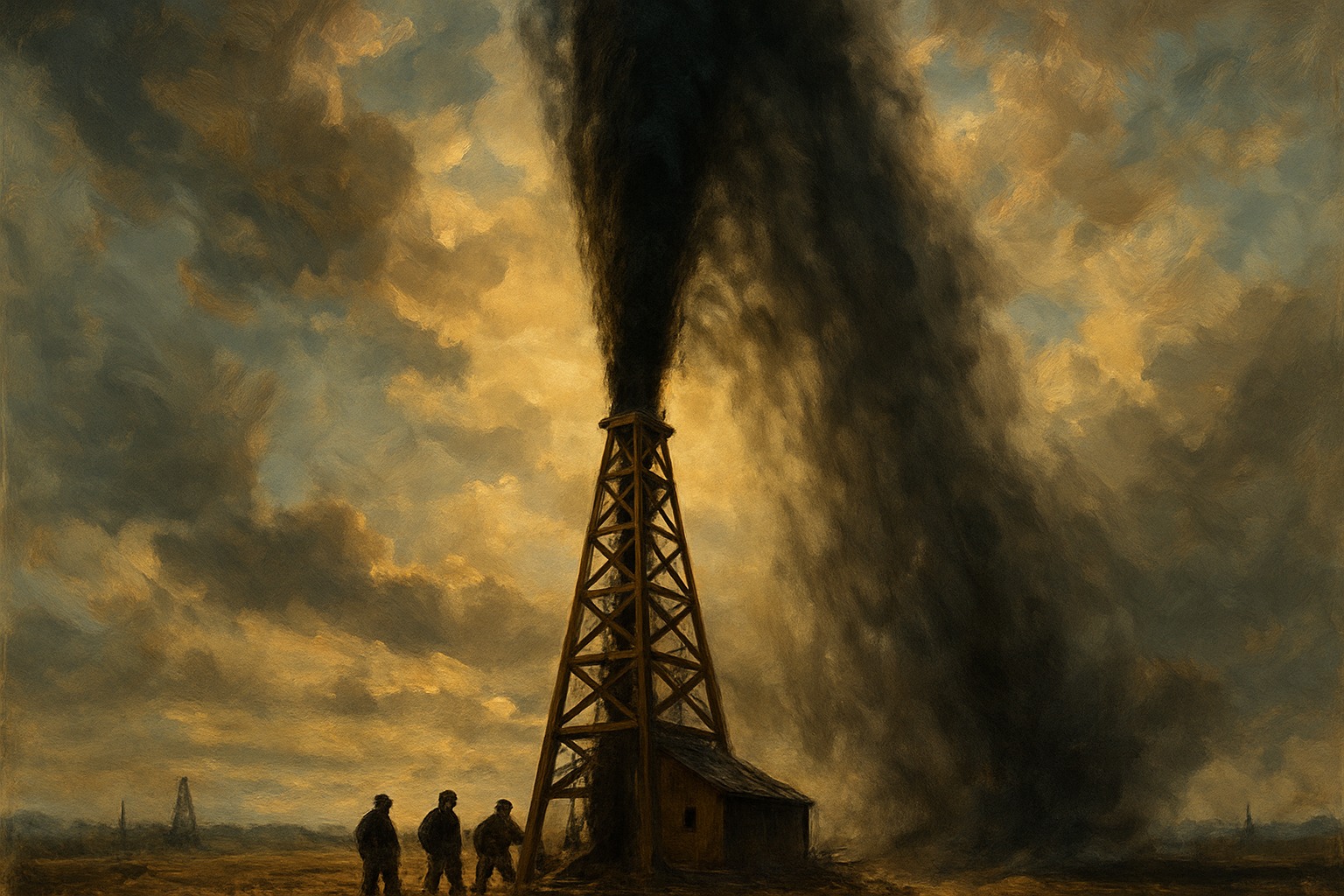
On January 10, 1901, a drilling crew on a low hill called Spindletop near Beaumont, Texas, struck oil at about 1,100 feet. The well blew out of control, hurling a column of crude more than 150 feet into the air and spewing an estimated 100,000 barrels a day for nine days before it was capped. No American well had ever produced on anything like that scale, and the "gusher" became an instant symbol of sudden, almost limitless wealth.
Spindletop transformed oil from a product used mainly for kerosene lamps into the foundation of an industrial economy. The flood of cheap Texas crude made oil a practical fuel for ships, factories, and the automobiles just beginning to appear, helping power the transportation revolution of the new century. Beaumont's population tripled within months as speculators poured in.
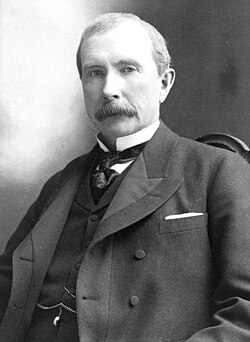
The strike also broke the grip of a single company on American oil. Until Spindletop, John D. Rockefeller's Standard Oil dominated the industry from the fields of the Northeast. The Texas boom gave rise to powerful new competitors — among them the companies that became Gulf Oil and Texaco — shifting the industry's center of gravity to the Southwest and seeding the great Texas oil fortunes.
Spindletop's gush did not last; the field was largely drained within a few years, a lesson in how quickly such bonanzas could exhaust themselves. But it had already remade the country's energy future, binding the American economy, foreign policy, and daily life to oil in ways that would define the century to come.

| Date | January 10, 1901 |
| Location | Spindletop hill, near Beaumont, Texas |
| Flow | Est. 100,000 barrels/day for nine days |
| Impact | Made oil a mass industrial fuel |
| New Firms | Forerunners of Gulf Oil and Texaco |
| Legacy | Launched the Texas oil industry |
| Date | January 10, 1901 |
| Location | Beaumont, Texas |