The Roaring Twenties: Boom, Prohibition, and the Decade That Made Modern America
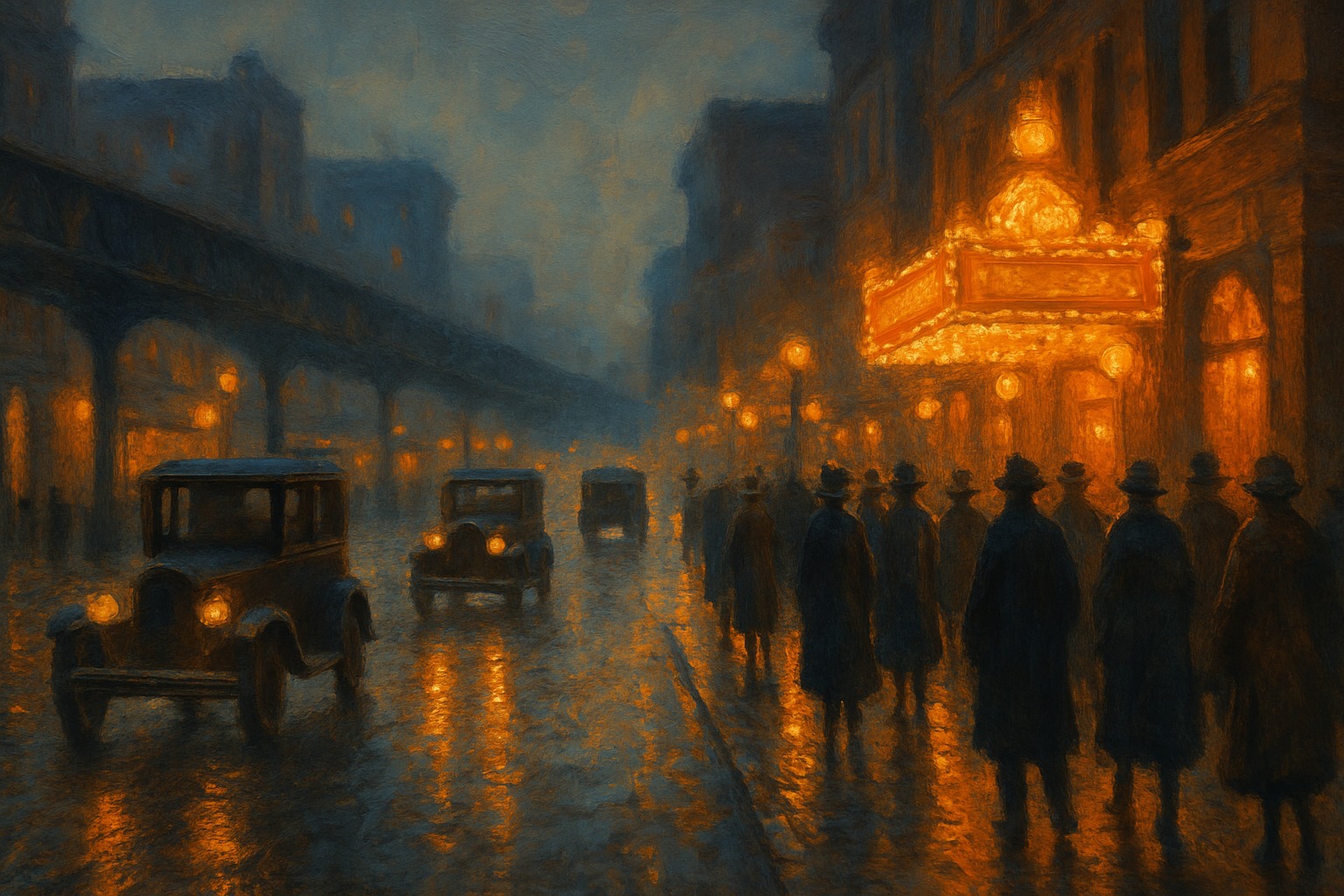
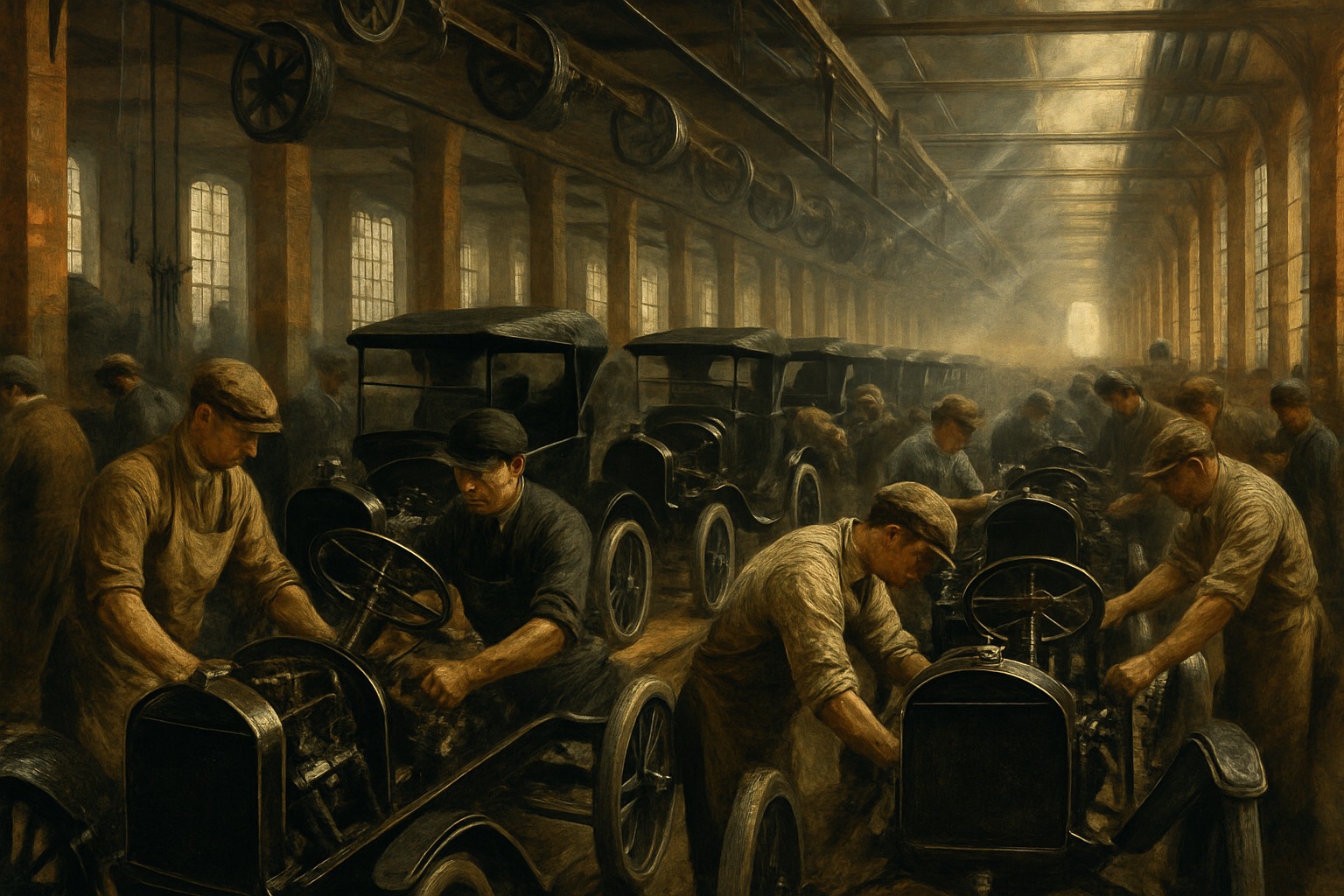
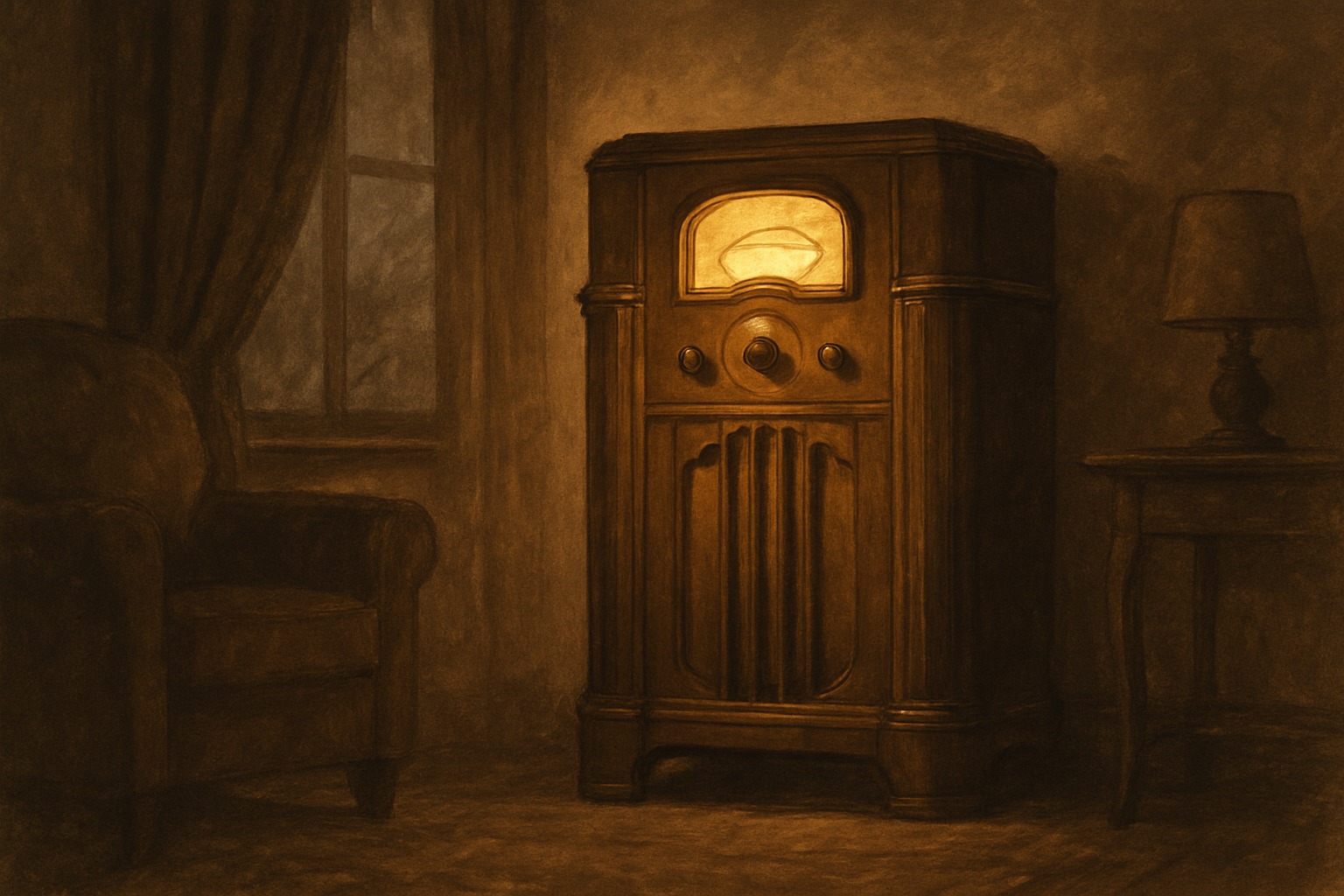
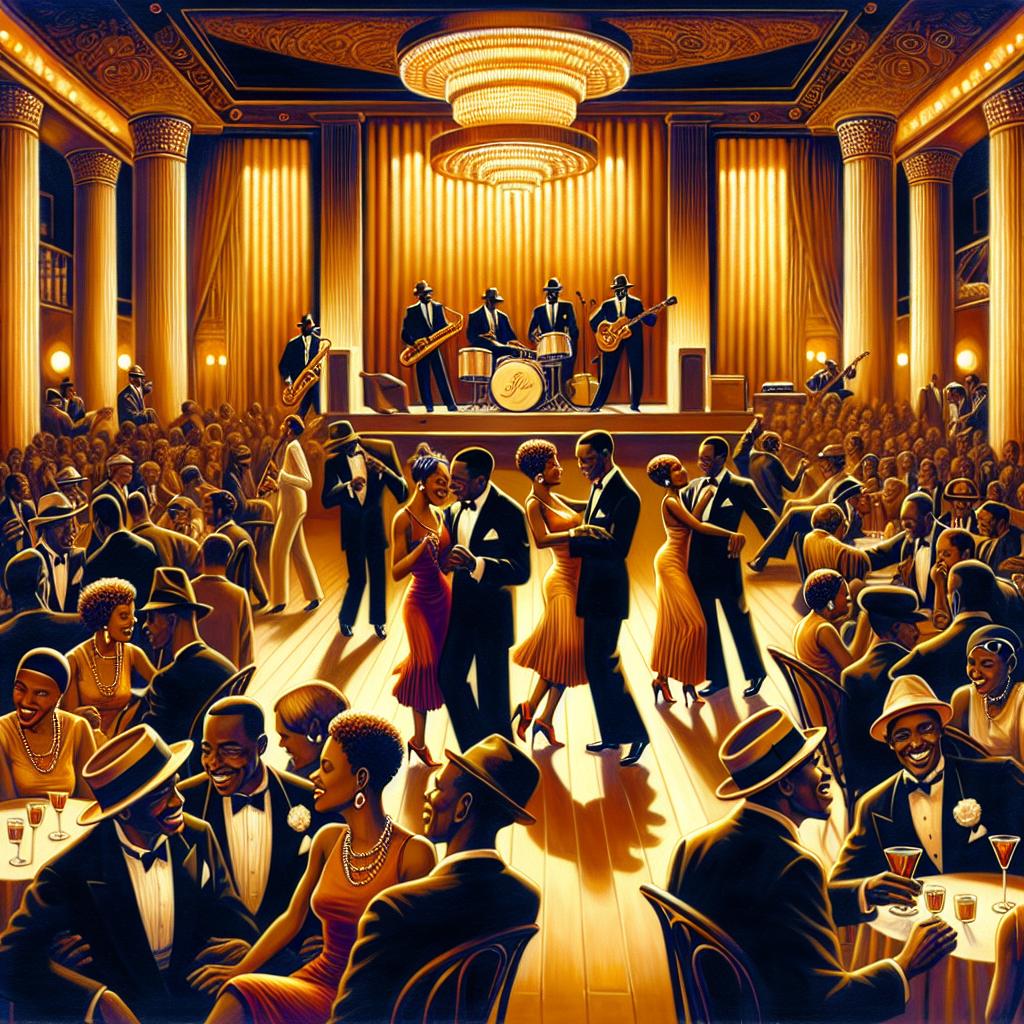
The 1920s arrived on the far side of a war and an influenza pandemic, and Americans spent the decade deciding what to do with peace. What they did was buy things. Between 1920 and 1929 national income rose by roughly a third, automobile registrations tripled, and installment credit put refrigerators, radios, and Model Ts in houses that had never carried debt before. A country that had been mostly rural in 1910 was, by the 1920 census, mostly urban — and the culture that came out of those cities moved faster than the institutions meant to govern it.
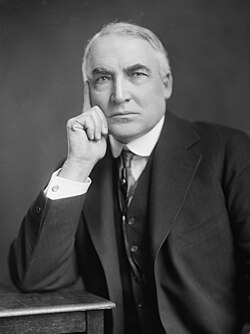
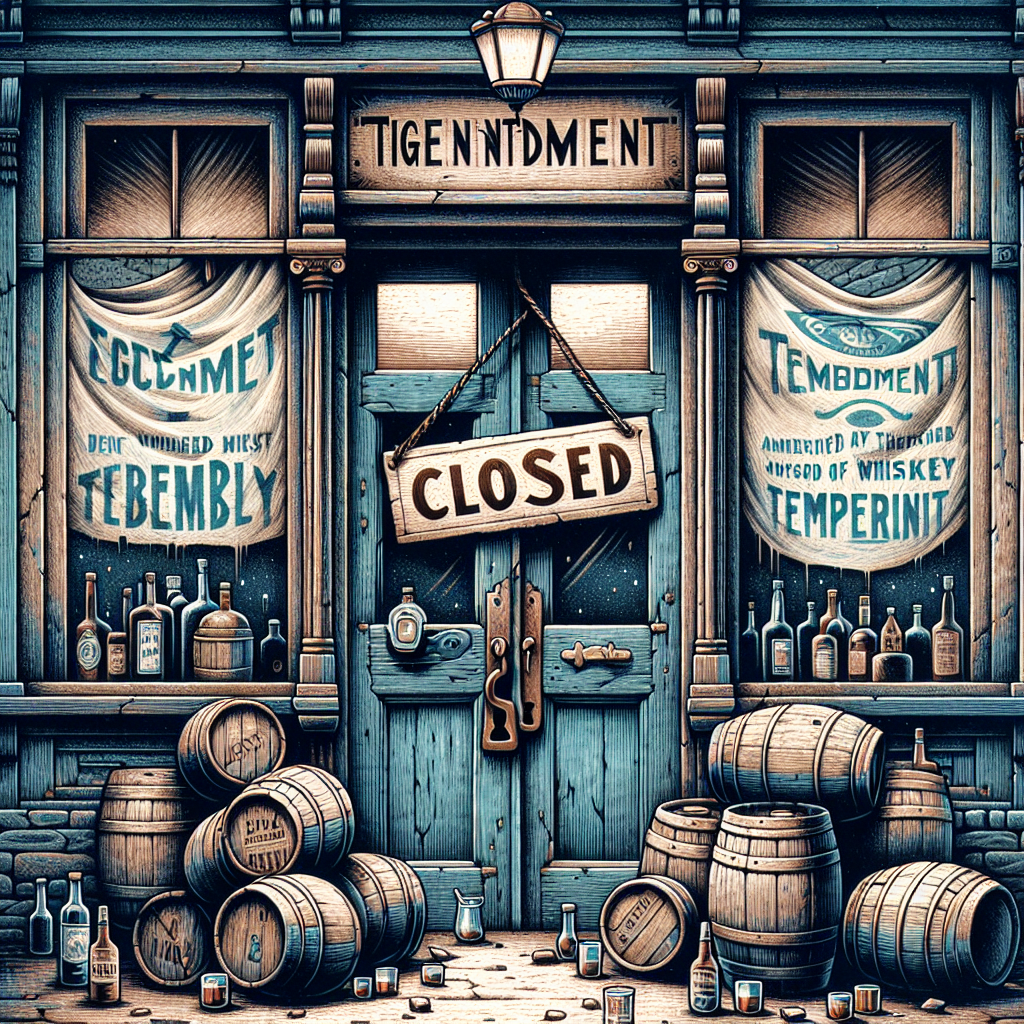
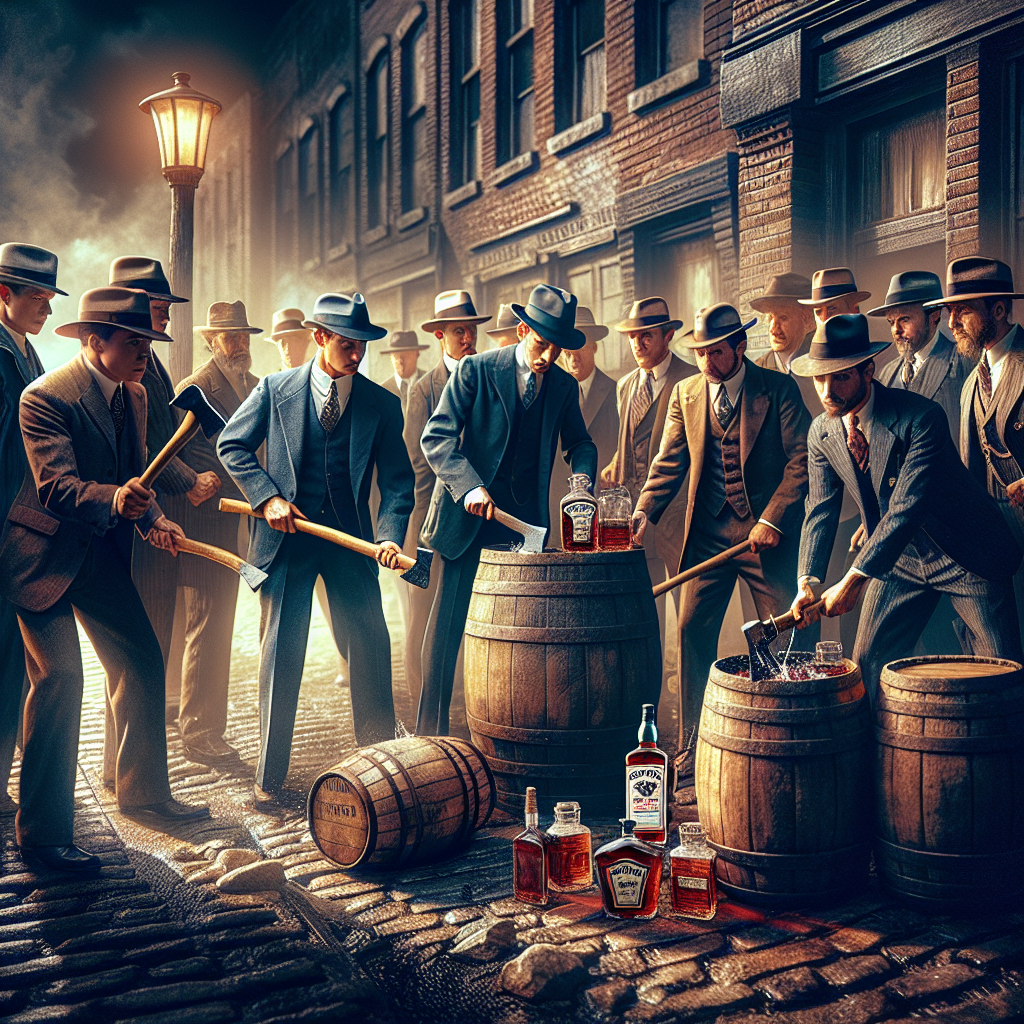
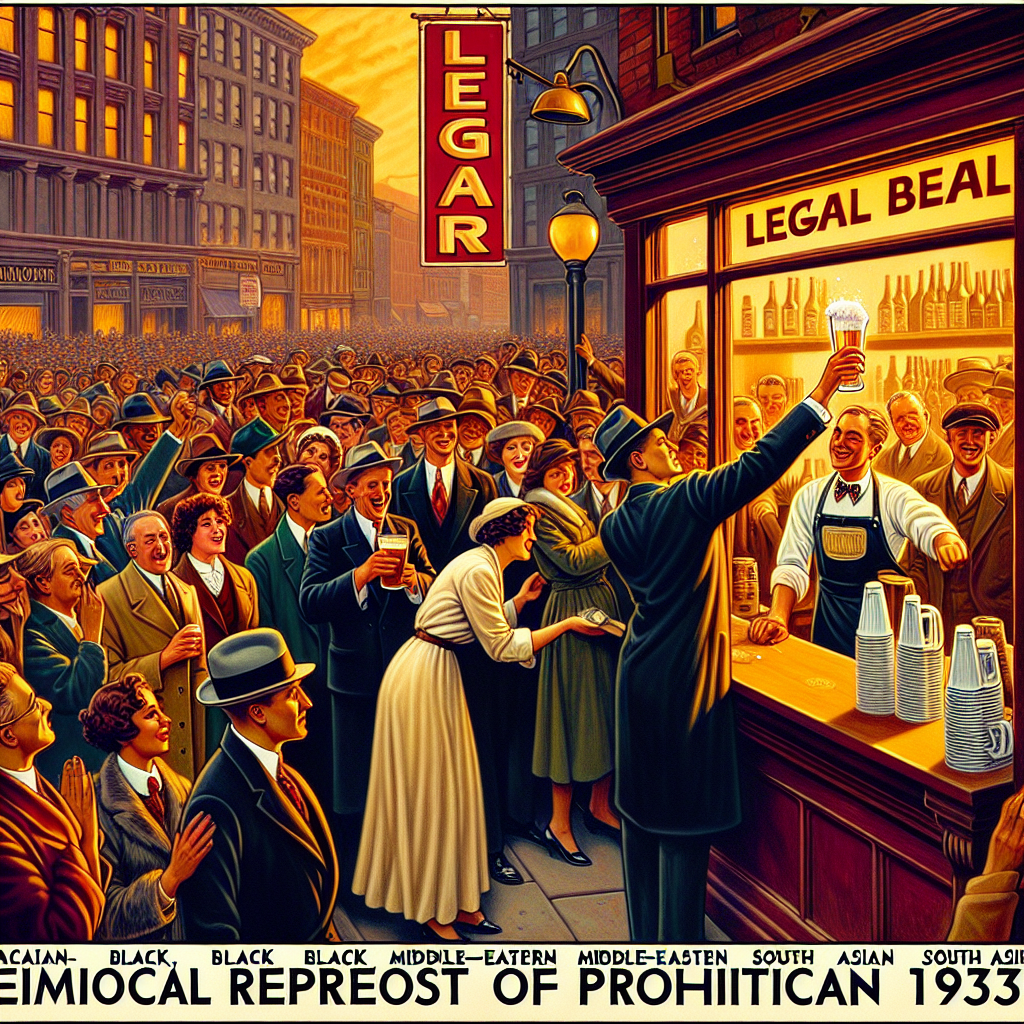
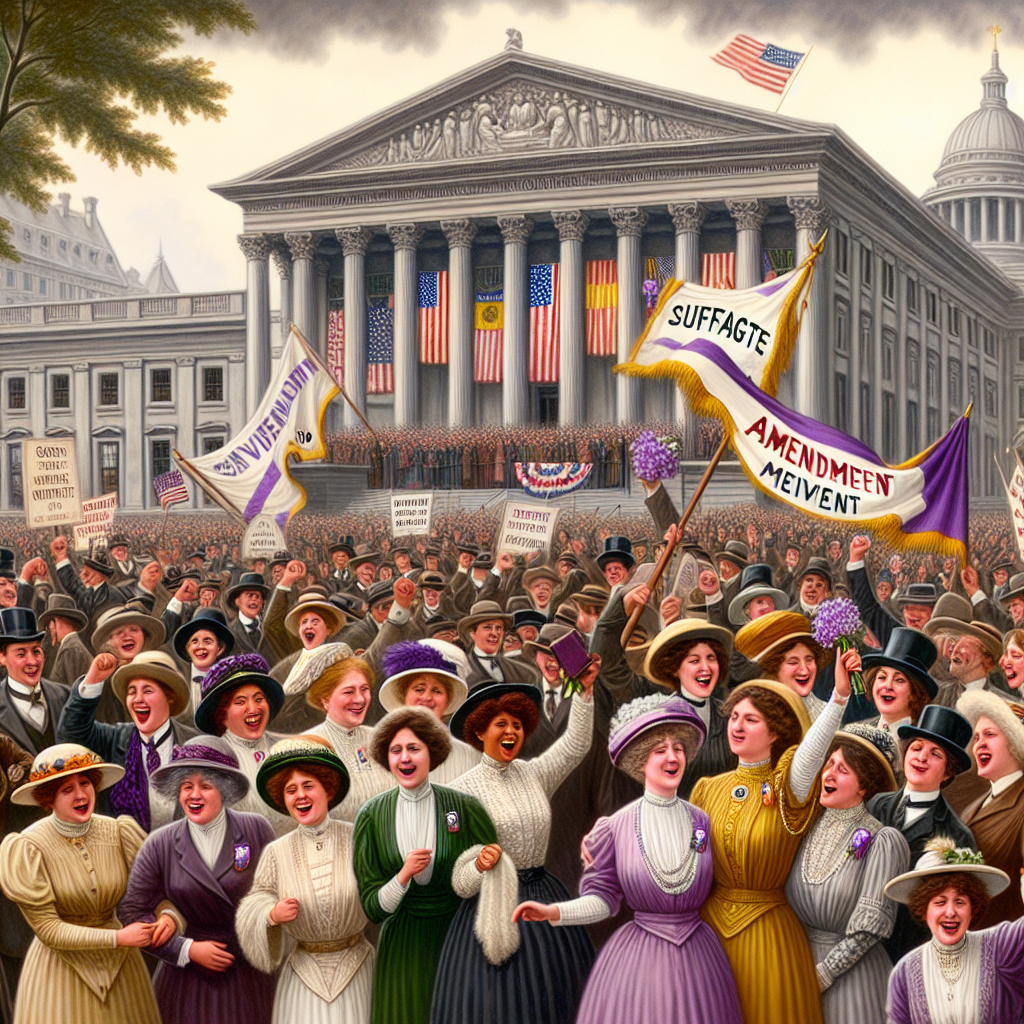
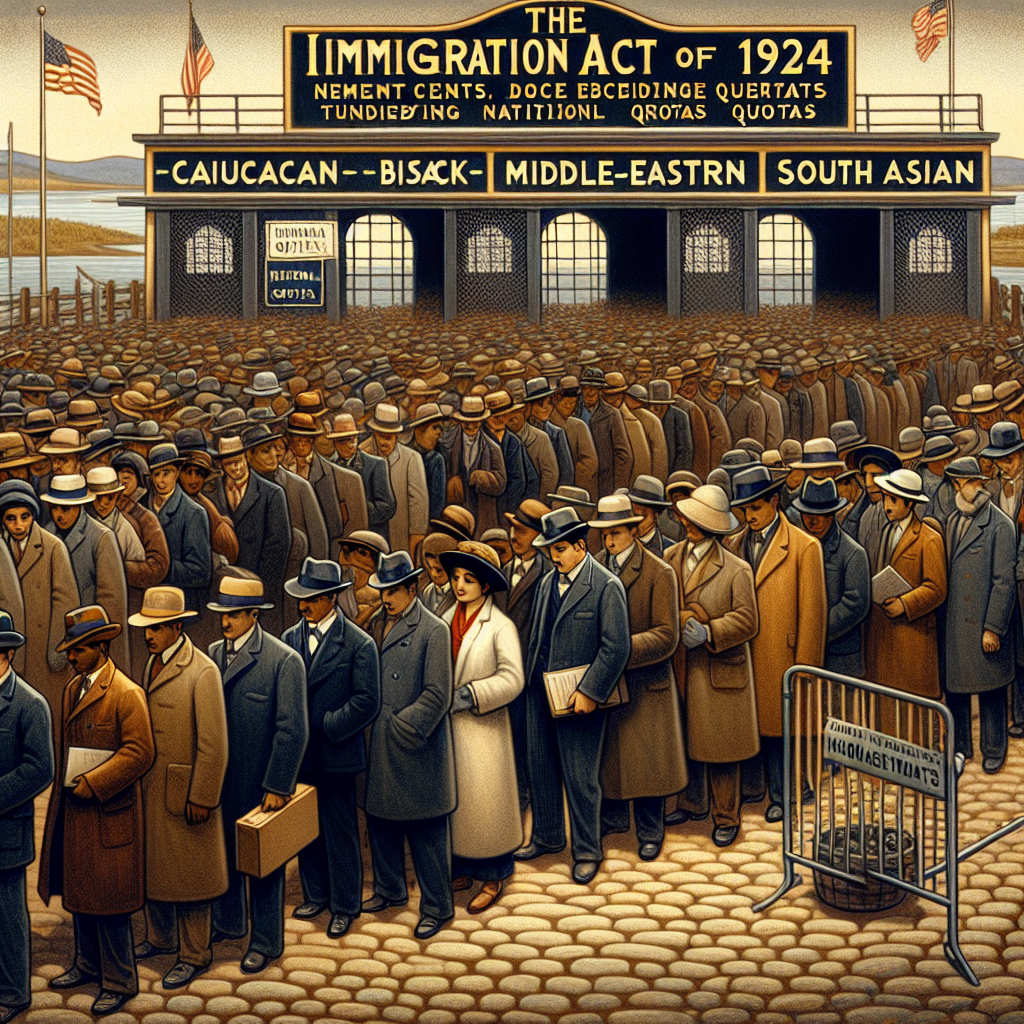
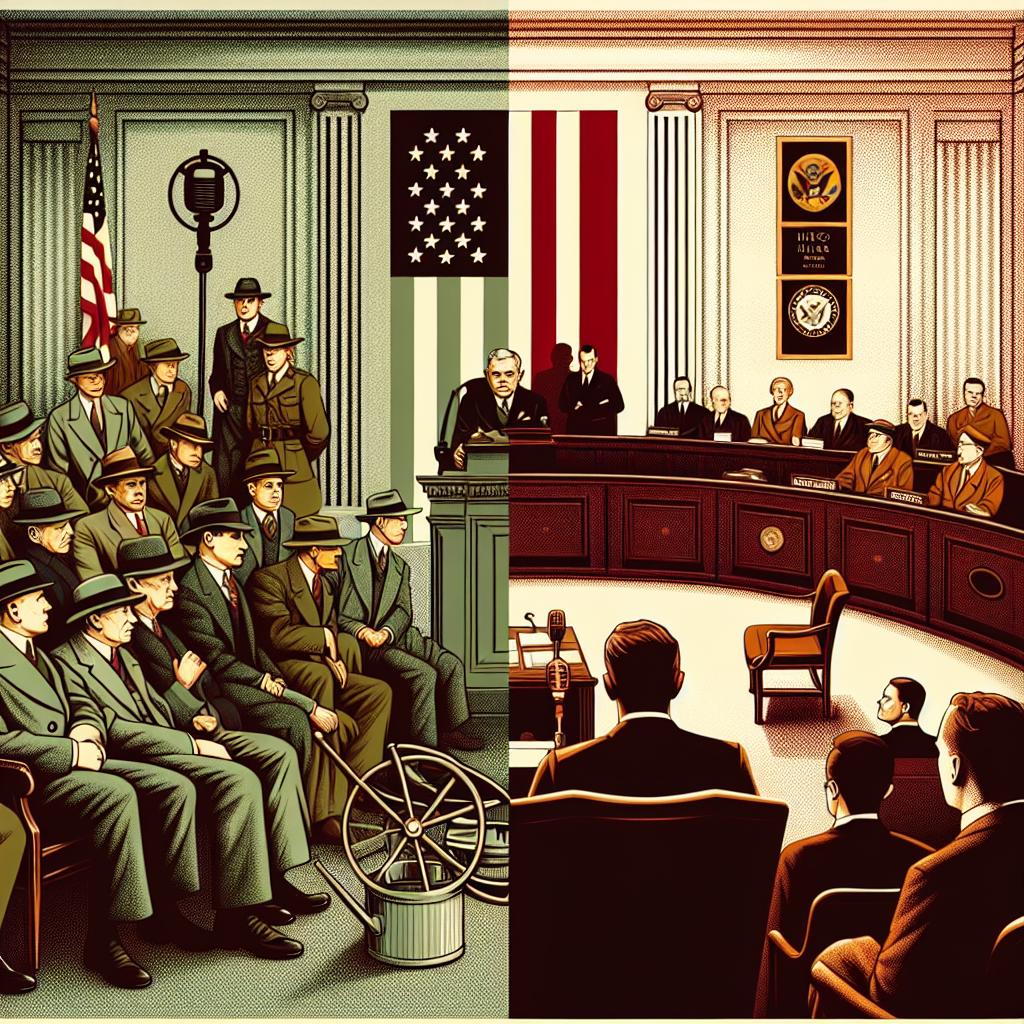
That is only half the decade. The same years produced a constitutional ban on alcohol, an immigration law built on national-origin quotas, a revived Ku Klux Klan with millions of members, and mass arrests of suspected radicals. Prosperity was uneven: farm prices never recovered from the wartime peak, and Black Americans who moved north during the Great Migration found segregation waiting for them in different clothing. This guide follows both currents — the boom and the backlash — from Warren G. Harding's election through the October morning in 1929 when the market stopped cooperating.
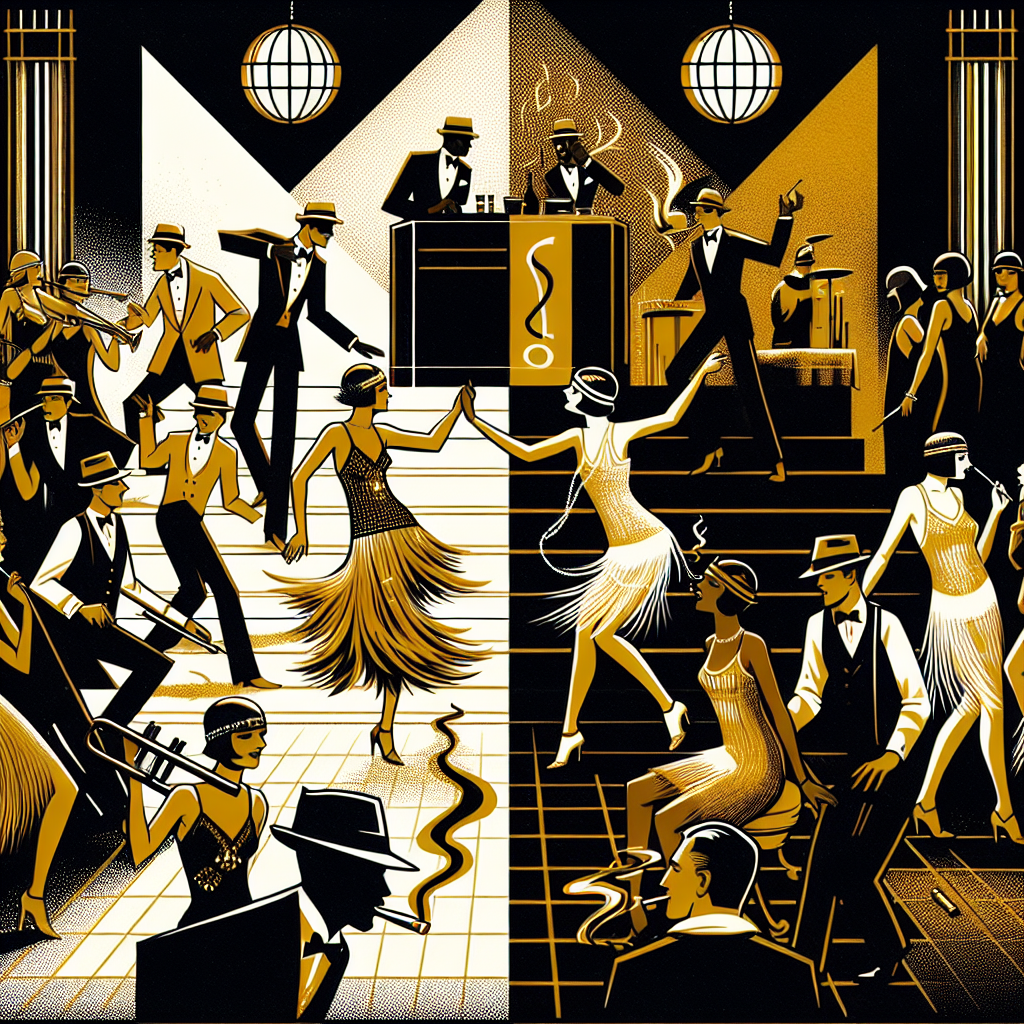
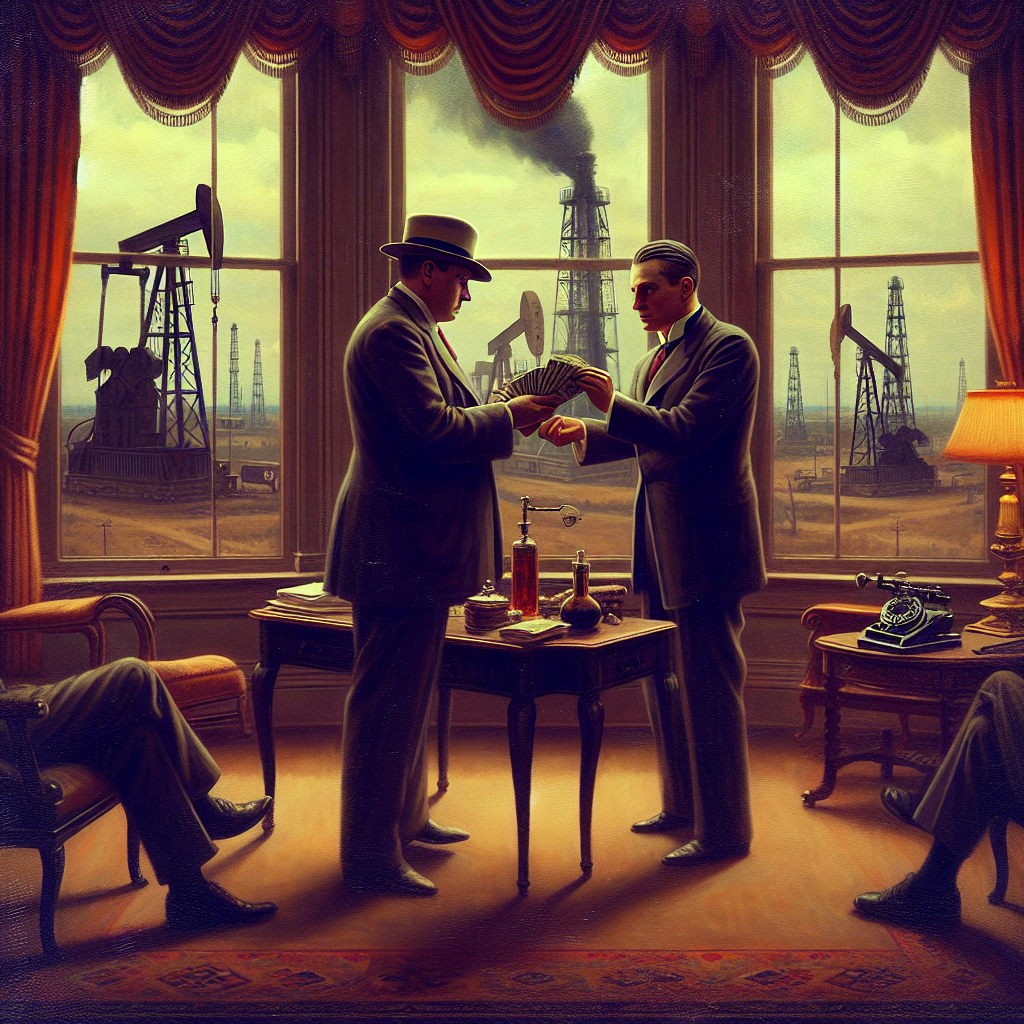


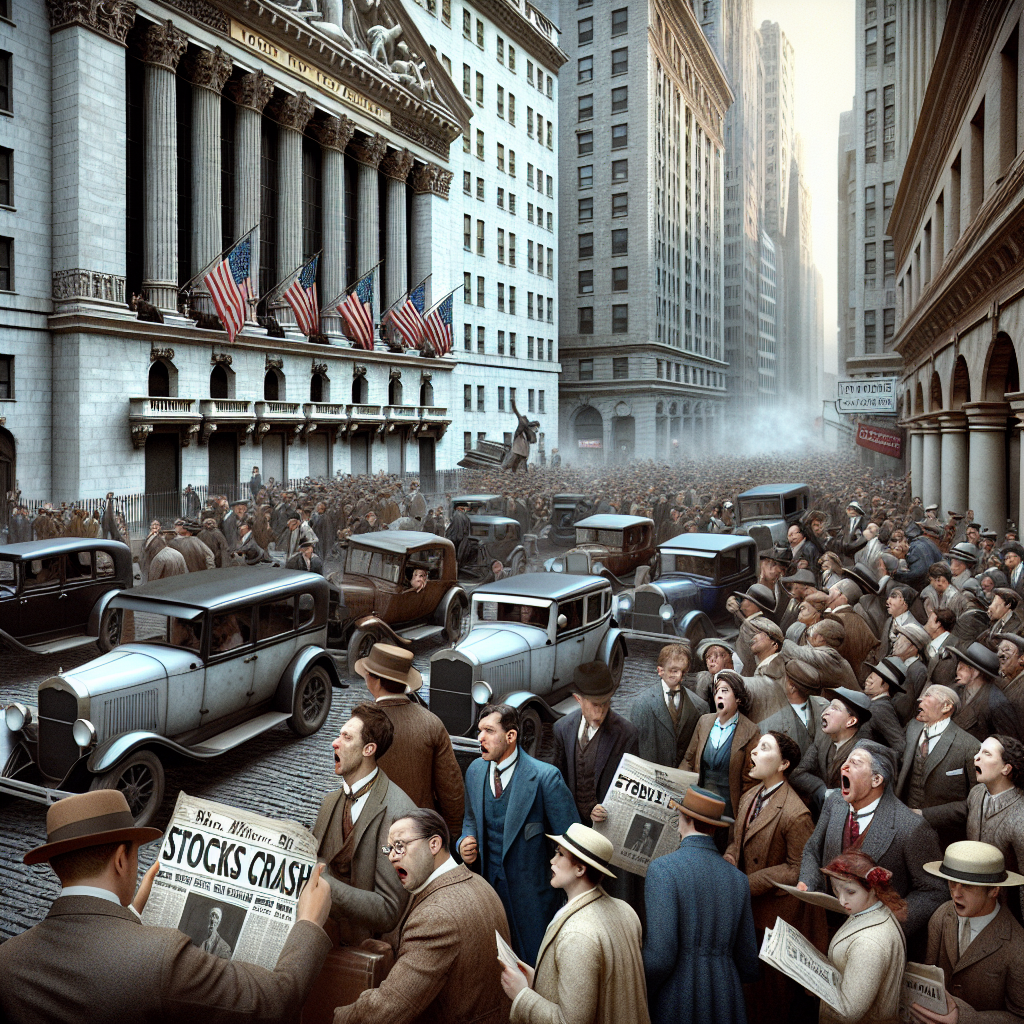
The decade's ending is its own subject: see the Great Depression and the New Deal for what the crash set in motion, and the Progressive Era for the reform politics the 1920s largely abandoned.