Teapot Dome Scandal
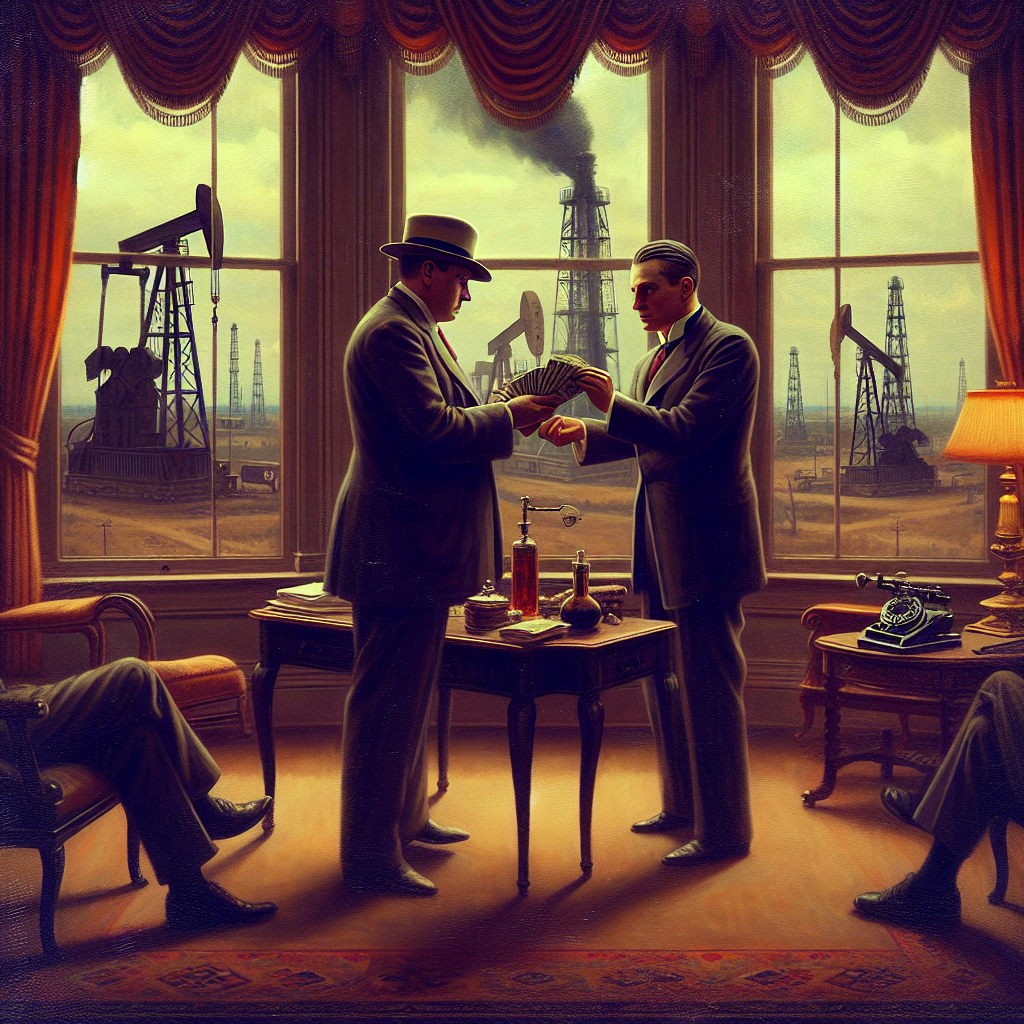
The Teapot Dome scandal took its name from a rock formation in Wyoming that resembled a teapot, beneath which sat one of the U.S. Navy's strategic petroleum reserves. In 1921, Interior Secretary Albert Fall persuaded President Warren Harding to transfer control of the naval oil reserves at Teapot Dome, Wyoming, and Elk Hills, California, from the Navy Department to the Interior Department. Fall then secretly leased the reserves to private oil companies — Mammoth Oil and Pan American Petroleum — in exchange for approximately $400,000 in bribes paid in cash and cattle. No competitive bidding was held. The transactions were conducted in secret.
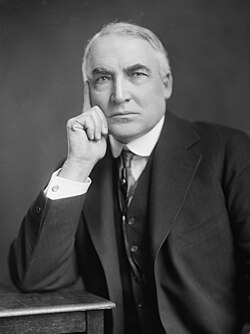
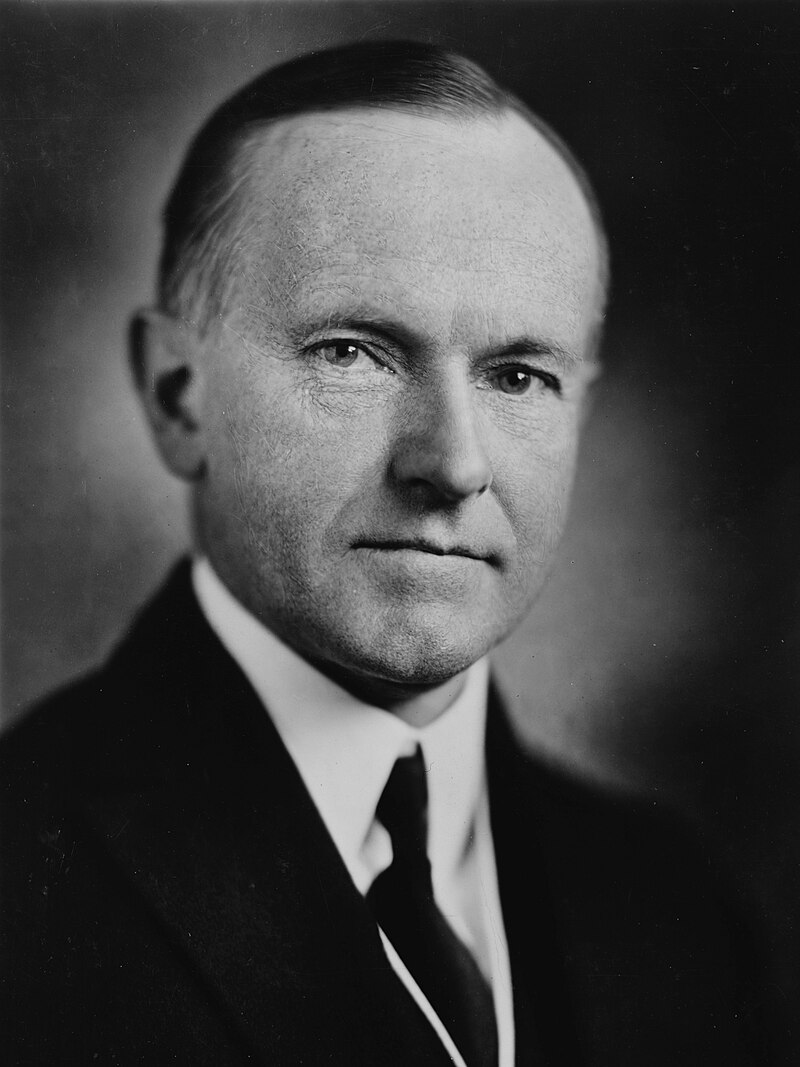
The scandal unraveled slowly through Senate investigations beginning in 1923. Harding died in office in August 1923 before the full extent of the corruption became public; his successor Calvin Coolidge appointed independent special prosecutors to pursue the case. Fall became the first Cabinet secretary in American history to be convicted of a crime committed while in office, sentenced to one year in prison and a $100,000 fine in 1929. The oil executives who bribed him were acquitted — a verdict that struck many observers as a precise inversion of justice.
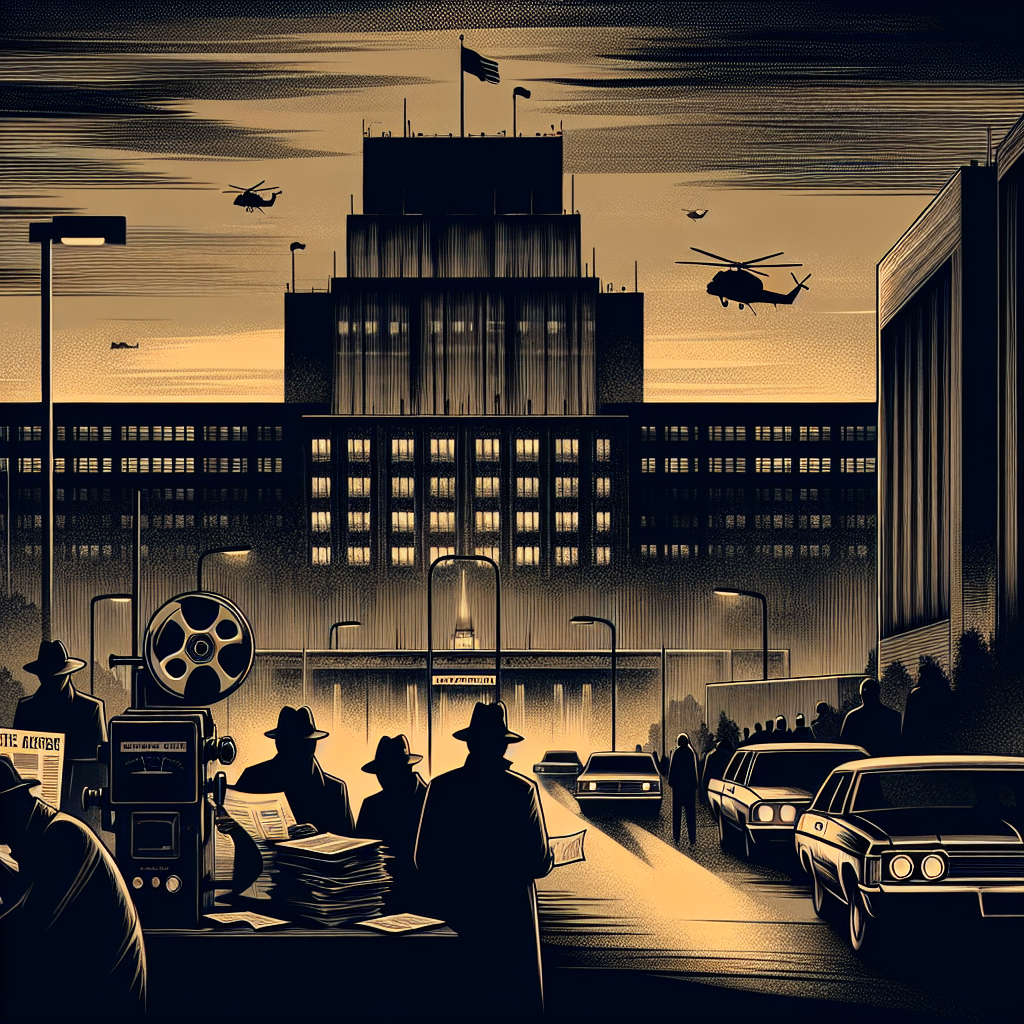
Teapot Dome established the template for American political scandal coverage. It demonstrated that congressional investigations could expose executive branch corruption, that a free press was essential to accountability, and that the public appetite for scandal involving government and big business was essentially unlimited. For the next 50 years, Teapot Dome was the standard reference point for political corruption in the United States — the scandal against which all others were measured. Watergate eventually displaced it, but for decades any major corruption story was described as "the worst since Teapot Dome."

| Years active | 1921–1923 — leases arranged; 1924–1929 — investigations and trials |
| Key figure | Interior Secretary Albert Fall — convicted 1929 |
| Bribe amount | Approximately $400,000 in cash and cattle |
| Reserves leased | Teapot Dome (Wyoming) and Elk Hills (California) |
| President | Warren G. Harding — died in office before scandal fully broke |
| Historic first | First Cabinet secretary convicted of crime committed in office |
| Legacy | Benchmark for political corruption until Watergate |
| Years | 1921–1929 |
| Location | Teapot Dome, Wyoming / Washington, D.C. |