Calvin Coolidge
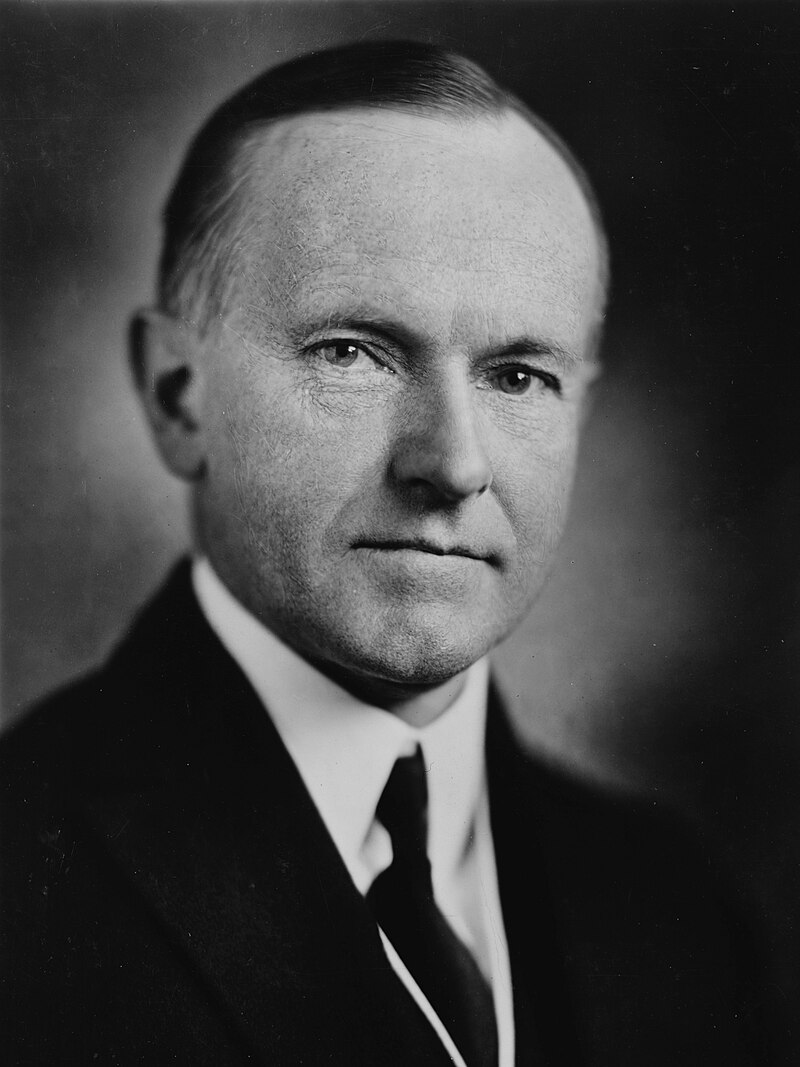
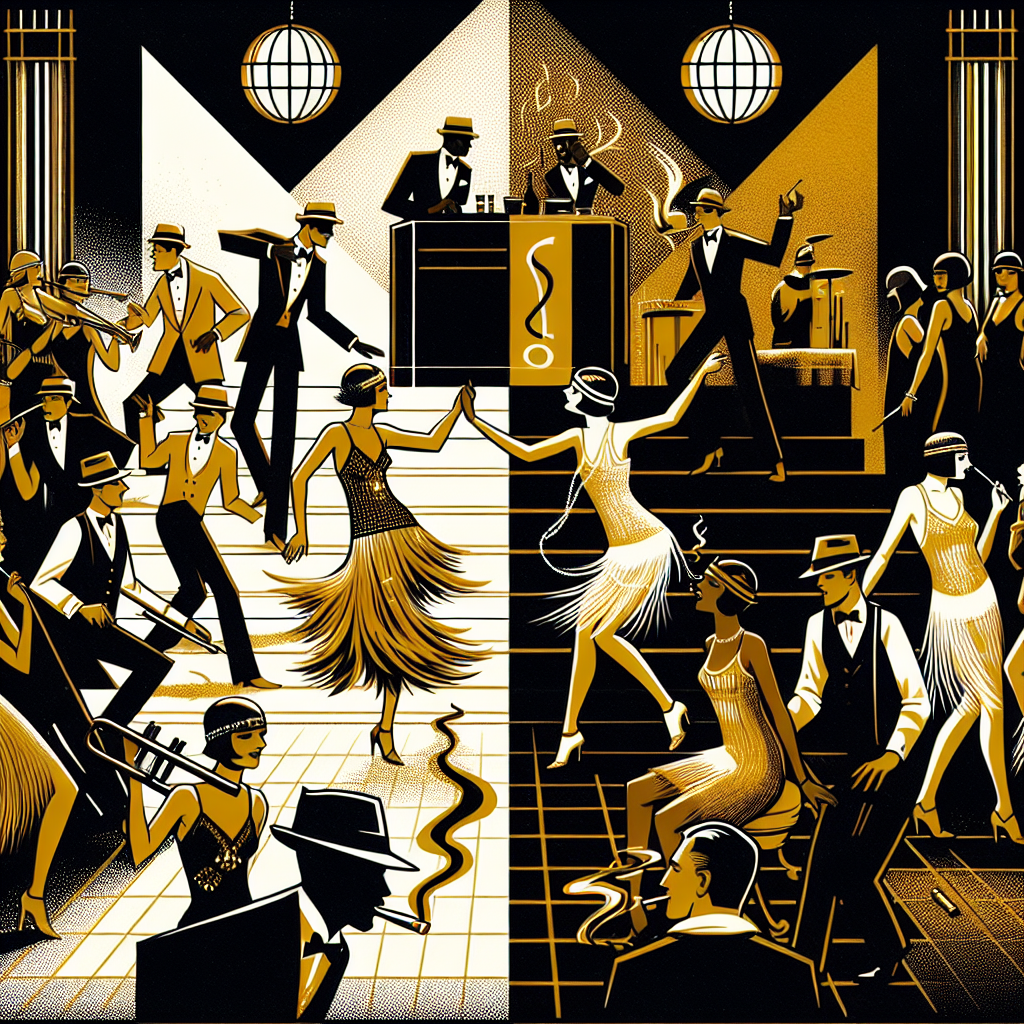
Calvin Coolidge became president at 2:47 in the morning on August 3, 1923, when his father — a Vermont notary public — administered the oath of office by lamplight after Warren Harding's sudden death. The scene was perfectly Coolidge: spare, unadorned, quintessentially New England. In an era of jazz, flappers, and frenzied stock speculation, "Silent Cal" believed the chief business of the American people was business — and largely stayed out of the way to prove it.
Coolidge's hands-off approach matched the mood of a country that wanted prosperity without complication. Under his watch the economy boomed, unemployment fell, and federal expenditures actually declined. He cut taxes, reduced the national debt, and vetoed farm relief bills he believed distorted markets. His popularity was enormous. When he announced in 1927 that he did not "choose to run" for reelection, he departed at the peak of his prestige — months before the entire edifice began to crack.
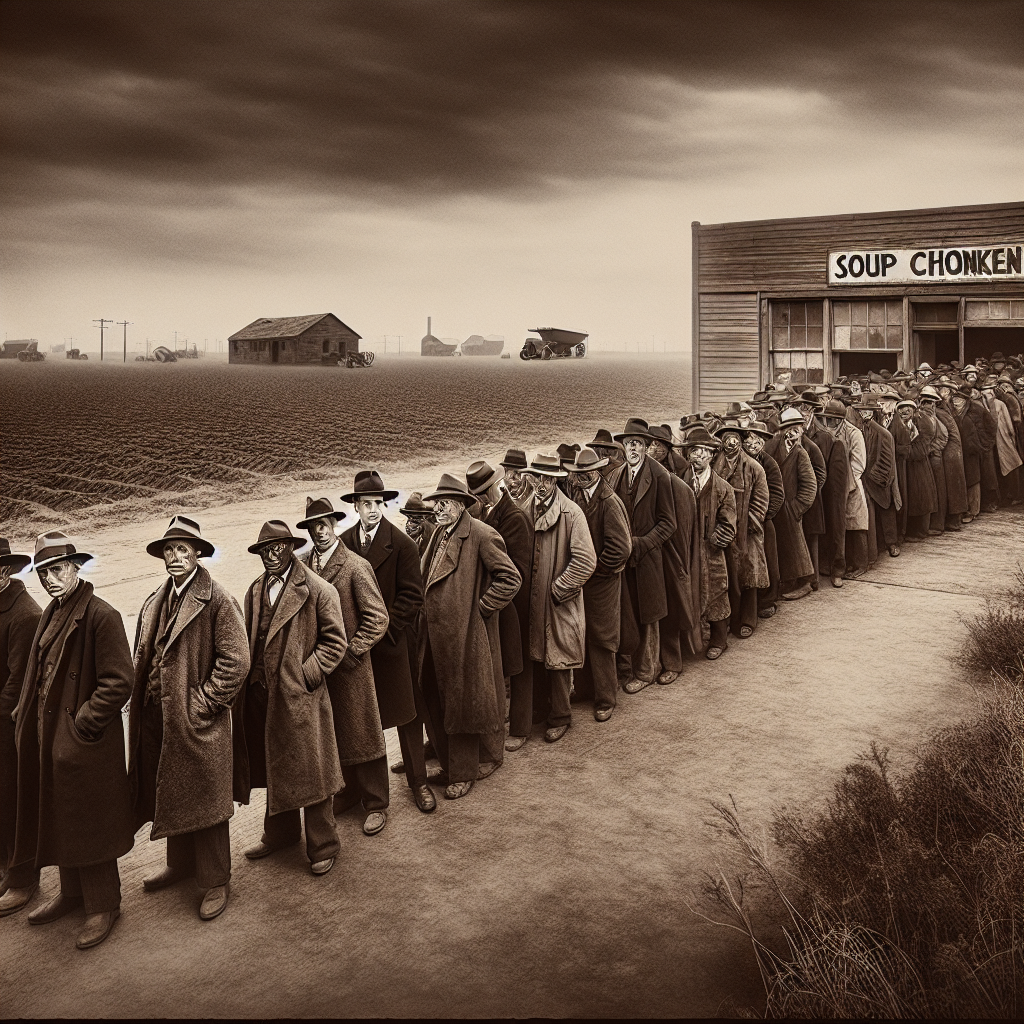
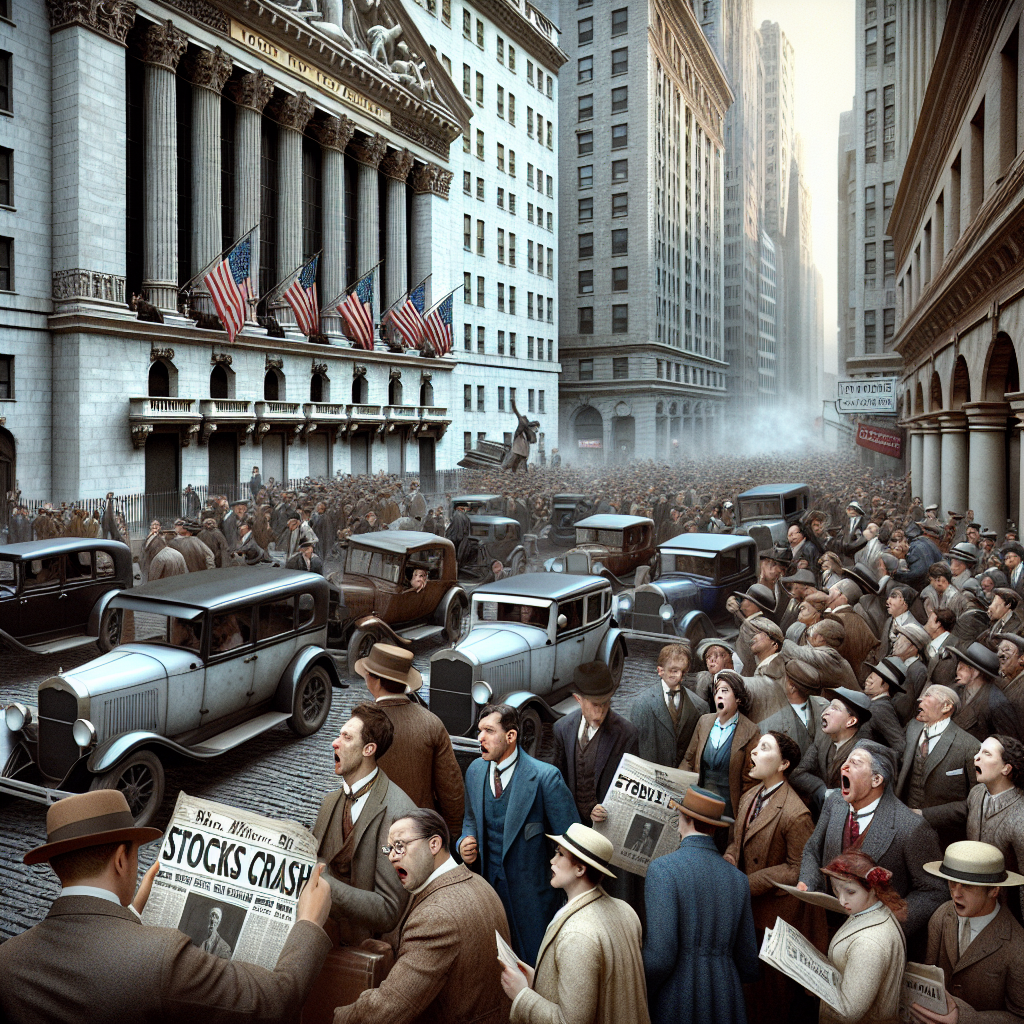
The crash of 1929, arriving eight months after he left office, invited the question of whether Coolidge's indifference to speculative excess had set the stage for catastrophe. Historians remain divided. What's less disputed is his steady rollback of Progressive Era regulatory frameworks — a retrenchment whose consequences extended well past his tenure and shaped the policy debates of the decade that followed.
| Born | July 4, 1872 — Plymouth Notch, Vermont |
| Died | January 5, 1933 — Northampton, Massachusetts |
| Party | Republican |
| Term | August 2, 1923 – March 4, 1929 |
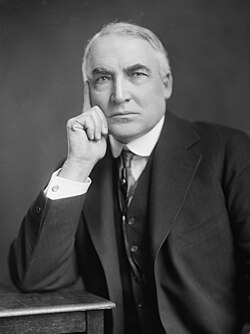
| Preceded by | Warren G. Harding |
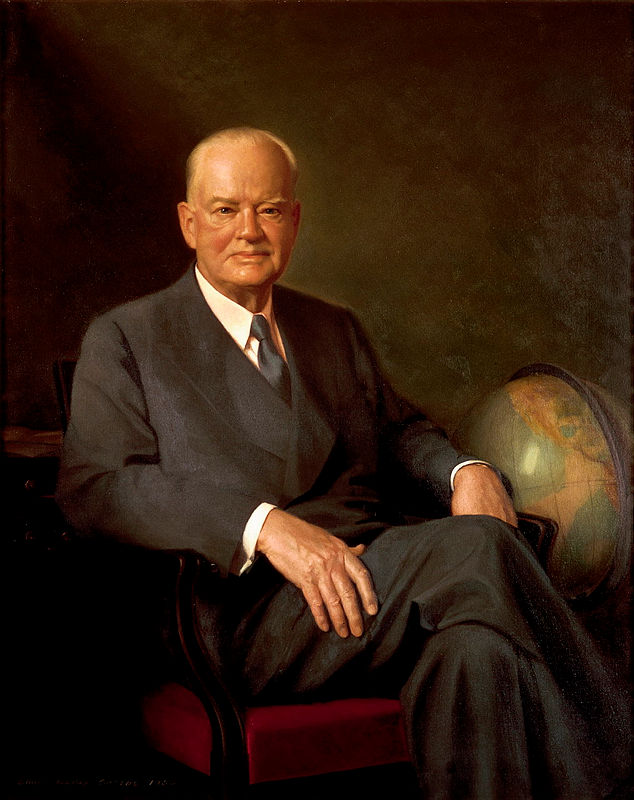
| Succeeded by | Herbert Hoover |
| Known as | "Silent Cal" |
| Years | 1872–1933 |
| Location | Washington, D.C. / Northampton, Massachusetts |