Warren G. Harding
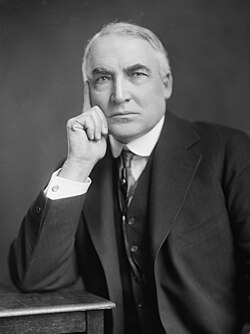
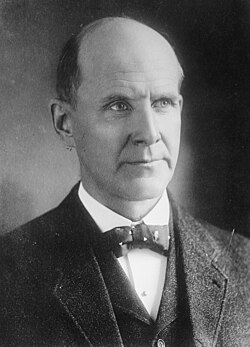
Warren G. Harding won the presidency in 1920 by the largest popular vote margin in American history to that point, promising a "return to normalcy" after the upheaval of World War I and the Wilson years. He was genial, handsome, and temperamentally unsuited for the office. By the time he died in San Francisco in August 1923 — of causes that remained historically murky — his administration was already riddled with the corruption scandals that would define his legacy.
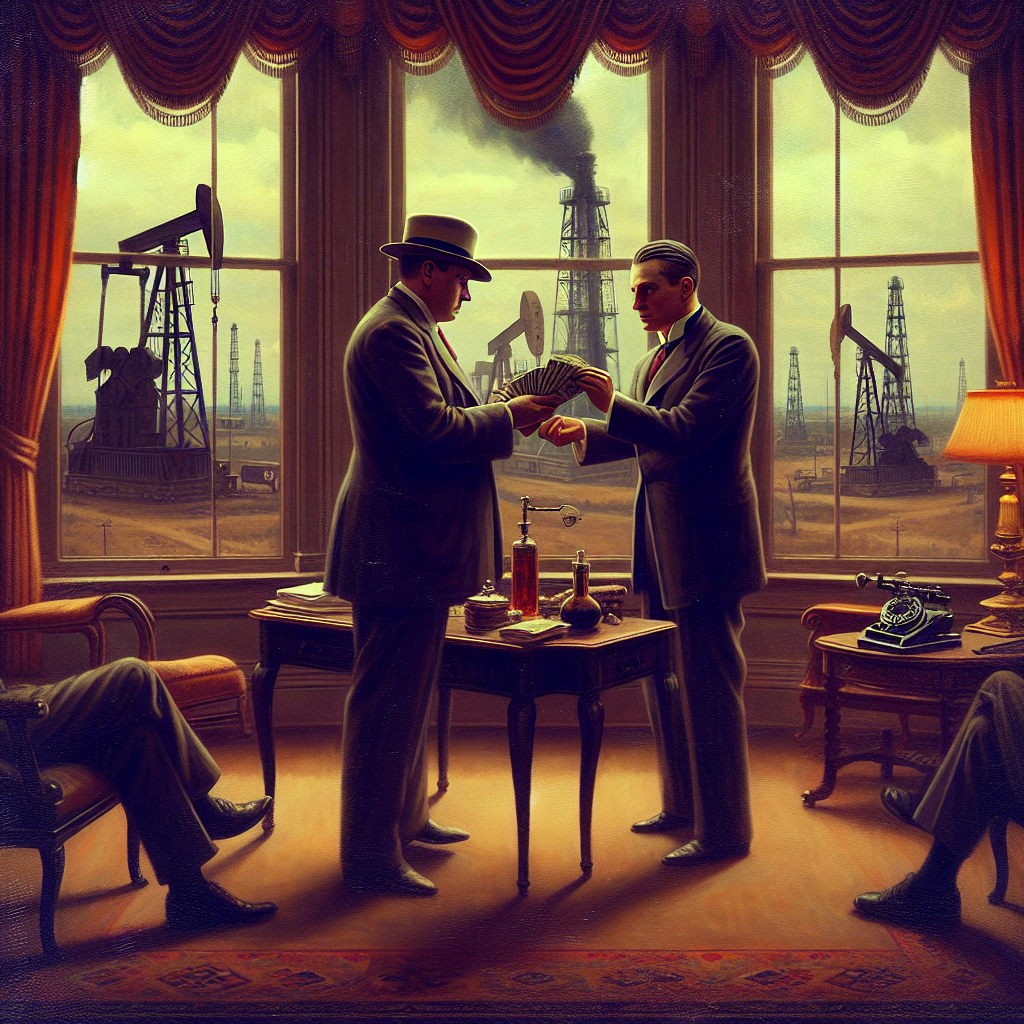
The Teapot Dome scandal, which broke fully after his death, revealed that his Interior Secretary had secretly leased federal oil reserves to private companies in exchange for bribes — the most significant government corruption case in American history until Watergate. Harding was likely unaware of the full extent of the rot, but his habit of appointing friends over capable administrators made it possible. His Attorney General, Interior Secretary, and head of the Veterans Bureau all faced criminal proceedings.
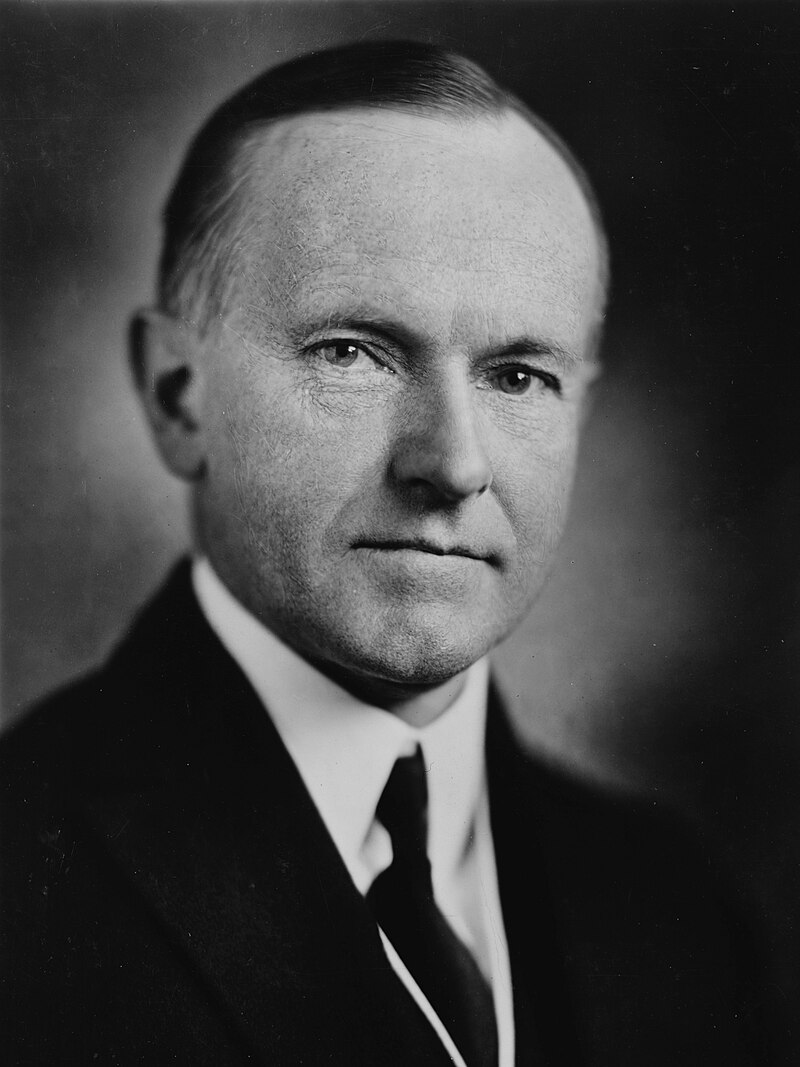
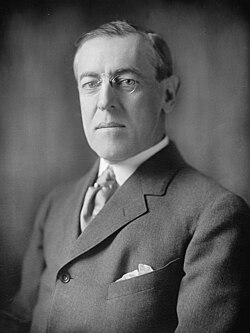
Harding's record wasn't entirely negative. He pardoned Eugene V. Debs, whom Woodrow Wilson had imprisoned for opposing the draft, and pushed for federal anti-lynching legislation that Congress refused to pass. His early death spared him the full public reckoning — and handed Calvin Coolidge a booming economy and a relatively clean slate.

| Born | November 2, 1865 — Blooming Grove (Corsica), Ohio |
| Died | August 2, 1923 — San Francisco, California |
| Party | Republican |
| Term | March 4, 1921 – August 2, 1923 |
| Preceded by | Woodrow Wilson |
| Succeeded by | Calvin Coolidge |
| Key Scandal | Teapot Dome (Interior Secretary Albert Fall) |
| Years | 1865–1923 |
| Location | Washington, D.C. |