Lindbergh's Transatlantic Flight
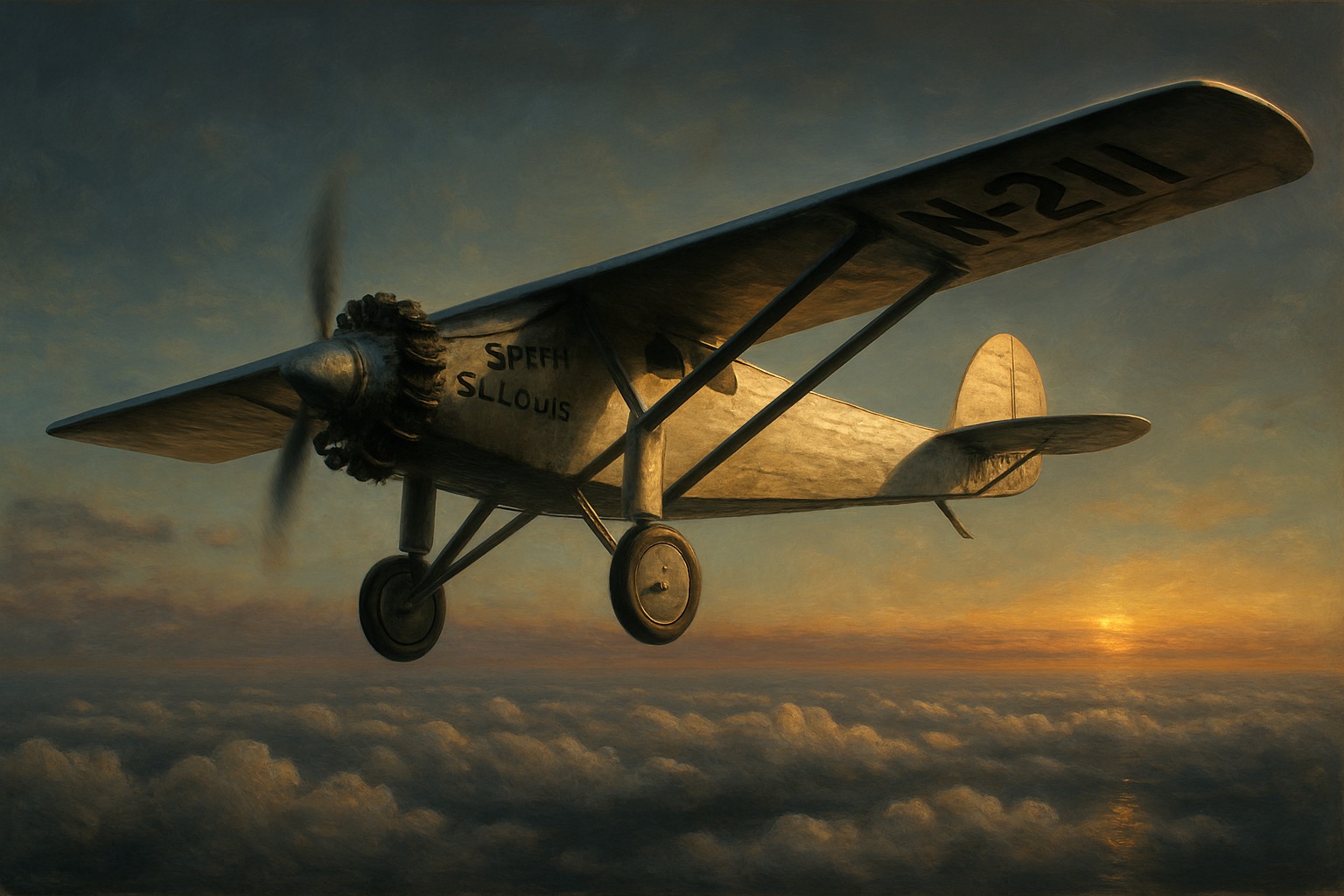
On May 20, 1927, a little-known 25-year-old airmail pilot named Charles Lindbergh took off from a muddy field on Long Island in a single-engine monoplane called the Spirit of St. Louis. Thirty-three and a half hours later, having flown alone across the Atlantic with no radio and no copilot, he landed outside Paris before a crowd of more than 100,000. He had won a $25,000 prize for the first nonstop solo flight between New York and Paris — and become the most famous man in the world overnight.
The feat captured the public imagination as few events of the decade did. Lindbergh navigated by dead reckoning, fighting fatigue and icing over open ocean, sustained by little more than sandwiches. His success demonstrated the practical promise of long-distance aviation and set off a boom in public enthusiasm and investment that accelerated the growth of commercial air travel.
Lindbergh returned to an almost unimaginable celebrity, honored with ticker-tape parades and the first Distinguished Flying Cross. That fame turned tragic in 1932, when his infant son was kidnapped and murdered in a case the press dubbed "the crime of the century," leading to a sensational trial and a new federal kidnapping law.
His later years were clouded by controversy. In the years before World War II, Lindbergh became a leading voice of the isolationist America First movement and made statements widely condemned as antisemitic, badly tarnishing his reputation. His 1927 flight, however, remained a landmark of the air age and a defining moment of American confidence in the technological promise of the century.

| Pilot | Charles Lindbergh |
| Dates | May 20–21, 1927 |
| Aircraft | Spirit of St. Louis (single-engine) |
| Route | New York to Paris, nonstop and solo |
| Duration | 33.5 hours |
| Prize | $25,000 Orteig Prize |
| Date | May 20–21, 1927 |
| Location | New York to Paris |