Margaret Sanger
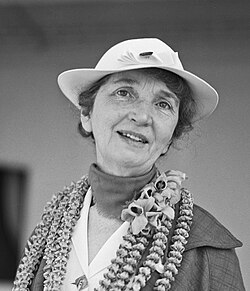
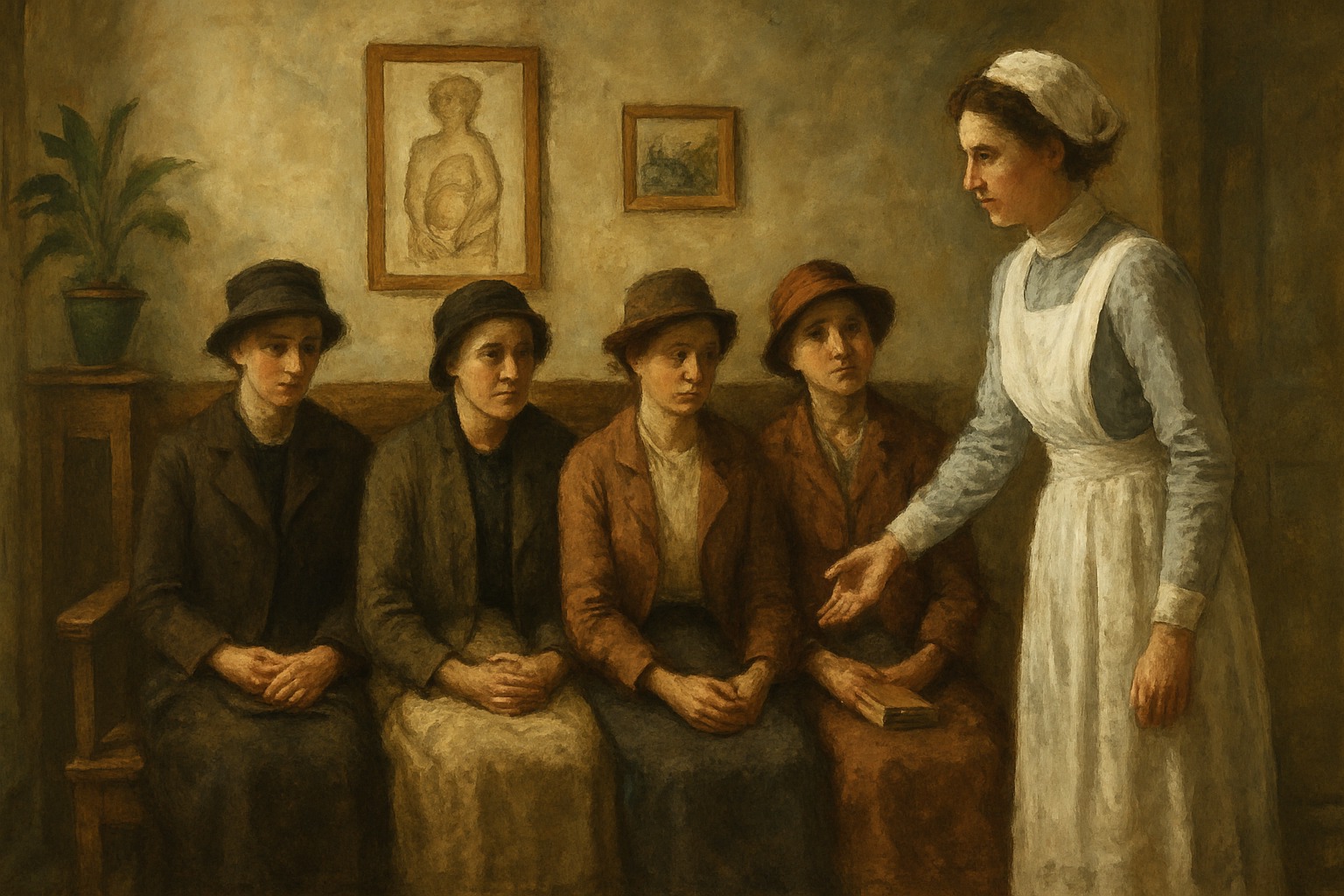
Margaret Sanger watched her mother die at 49, exhausted after 18 pregnancies. Working as a nurse on the Lower East Side of Manhattan in the early 1910s, she encountered the same exhaustion in tenement kitchens where women with too many children and no legal means of preventing more begged for information the Comstock Laws forbade her to provide. In 1916 she opened the first birth control clinic in the United States in Brooklyn, distributing contraceptive information in English, Yiddish, and Italian. She was arrested within ten days. She considered it a beginning.
Sanger's campaign to legalize contraception ran directly against the Comstock Laws, which classified birth control information as obscenity. She founded the American Birth Control League in 1921 — the organization that became Planned Parenthood Federation of America — and spent decades fighting in courts and in the press. The 1936 federal court ruling in United States v. One Package, which she helped engineer, finally freed physicians to prescribe contraception. She later helped fund the research that produced the first oral contraceptive pill, approved by the FDA in 1960.
Sanger's legacy is permanently complicated by her embrace of eugenics — the pseudo-scientific movement to improve the human population by controlling who reproduced. She spoke at Ku Klux Klan women's auxiliary meetings, corresponded with eugenicists, and supported programs targeting people she deemed "unfit" — language that encompassed the poor, the mentally ill, immigrants, and Black Americans. The "Negro Project" she launched in 1939 has been argued over ever since by defenders and critics who reach opposite conclusions from the same documents. Her ideas about who should and should not reproduce cannot be disentangled from her work on whether women could choose.

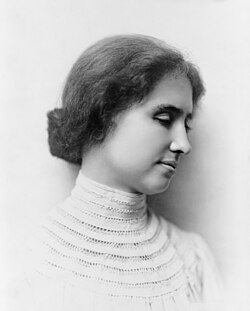
| Born | September 14, 1879 — Corning, New York |
| Died | September 6, 1966 — Tucson, Arizona |
| First clinic | Brooklyn, New York, October 1916 |
| Founded | American Birth Control League, 1921 (became Planned Parenthood, 1942) |
| Key legal victory | United States v. One Package, 1936 |
| Contraceptive pill | Helped fund early research; pill approved by FDA, 1960 |
| Primary legal obstacle | Comstock Laws (1873) |
| Legacy controversy | Eugenicist ideology and racial targeting programs |
| Years | 1879–1966 |
| Location | New York City, New York |