Herbert Hoover
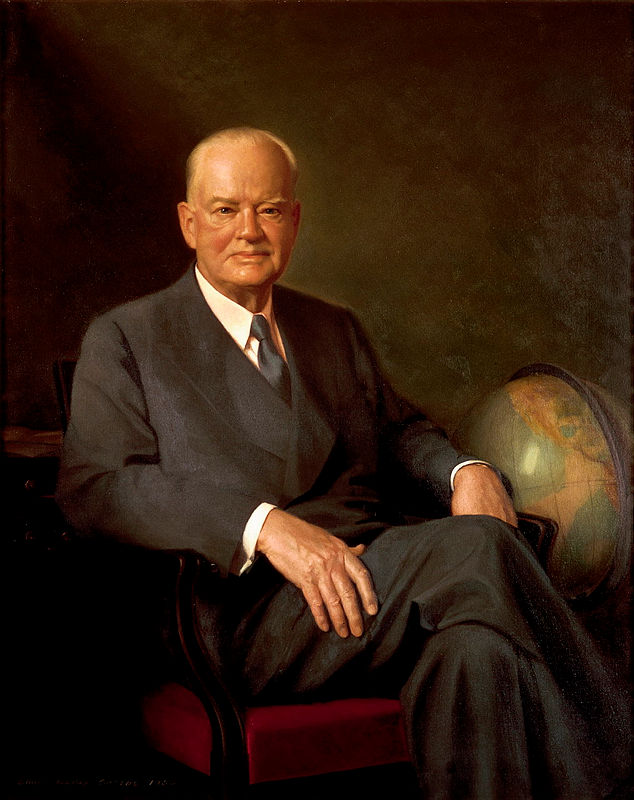
Herbert Hoover entered the presidency in March 1929 as the most technically qualified man to hold the office in a generation — mining engineer, wartime food administrator, Commerce Secretary, humanitarian who had organized relief for millions of starving Europeans after the Great War. Seven months later, the stock market collapsed, and everything Hoover knew about efficiency and order proved spectacularly inadequate for the human catastrophe that followed.
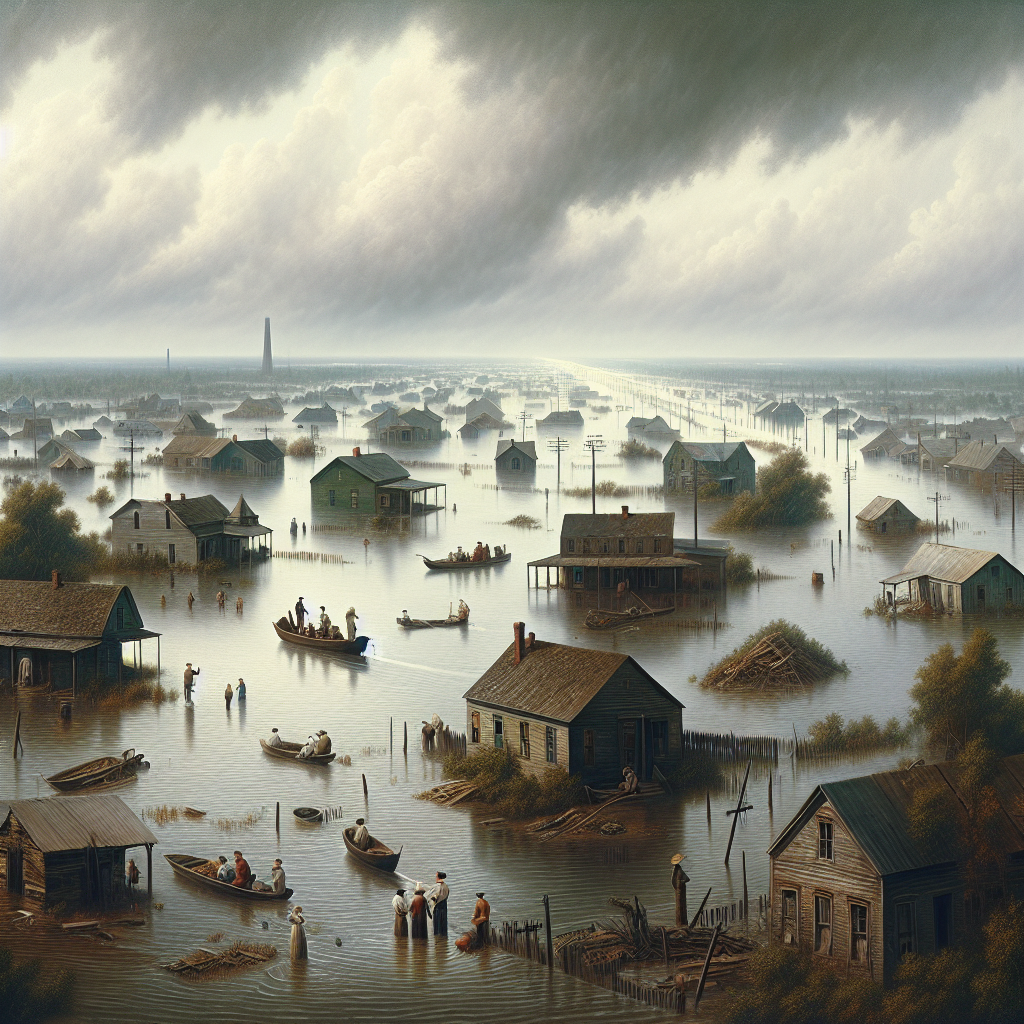
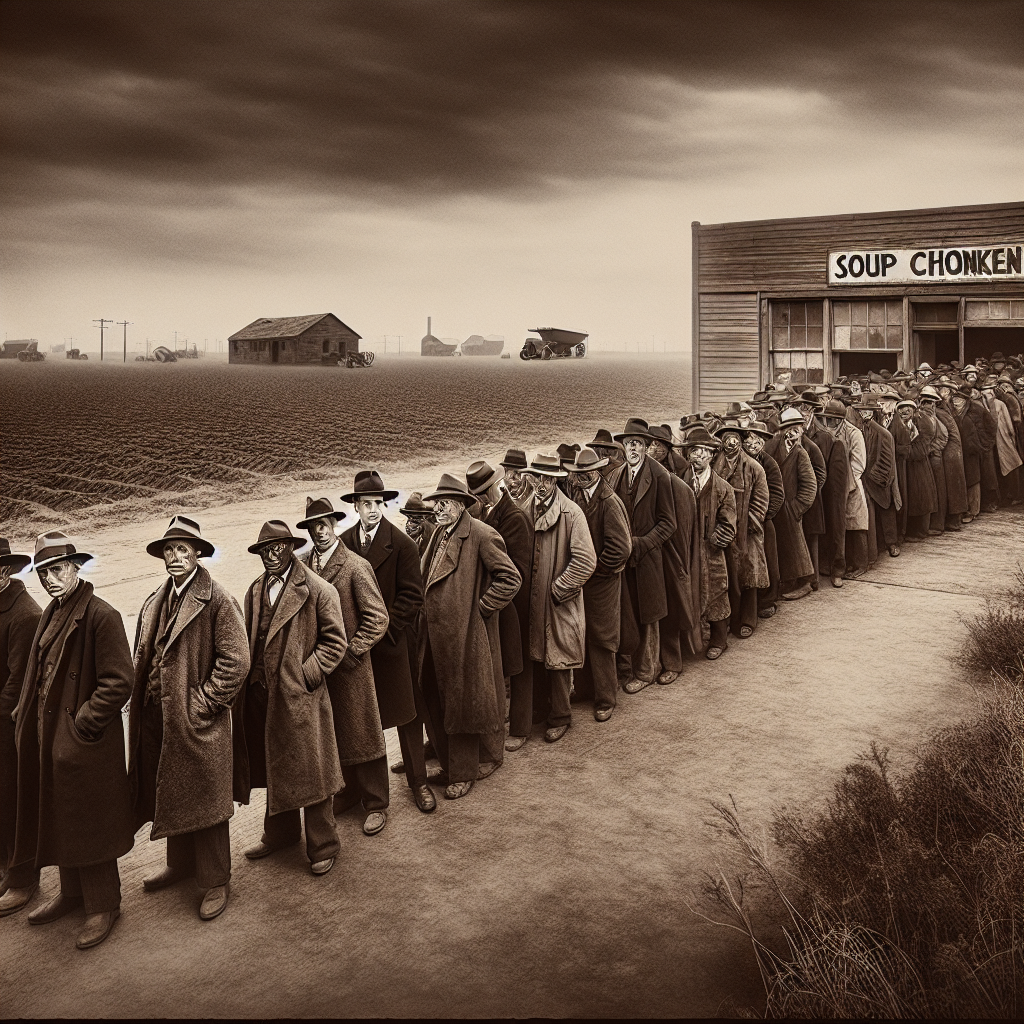
Hoover was not passive. He convened business leaders, pressured them to maintain wages, and expanded public works spending to levels unprecedented for a peacetime president. But he drew a hard line against direct federal relief to individuals, believing that government handouts would destroy the character of recipients and the independence of the states. As unemployment climbed past 25 percent and families camped in shantytowns the press called "Hoovervilles," the philosophical distinction between indirect and direct relief collapsed entirely in the public mind.
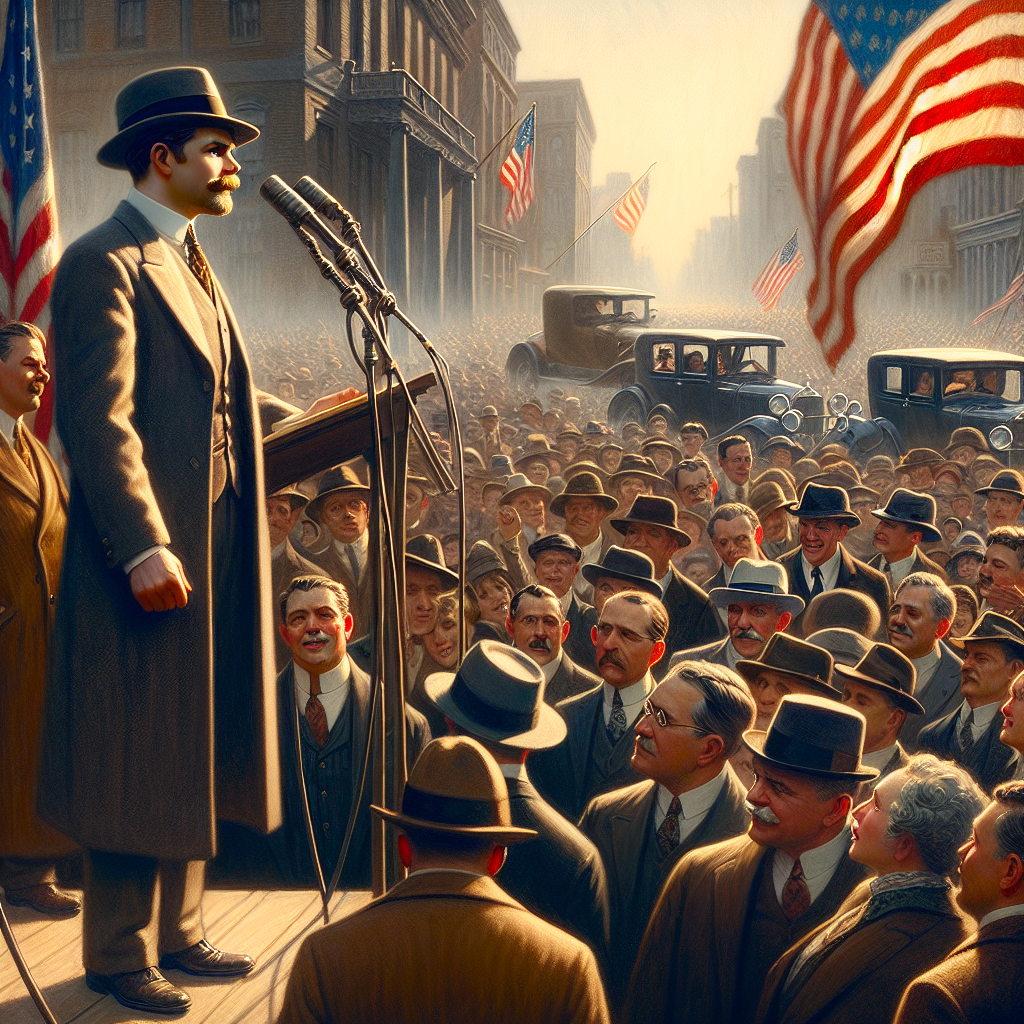
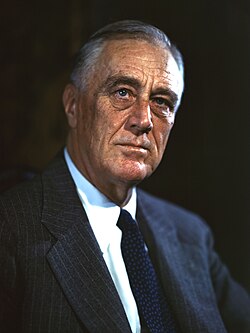
The Smoot-Hawley Tariff Act of 1930, which Hoover signed despite warnings from over 1,000 economists, triggered retaliatory tariffs from trading partners and deepened the global depression. In the summer of 1932, he ordered General Douglas MacArthur to disperse the Bonus Army — thousands of World War I veterans camped in Washington demanding early payment of their bonuses. The use of cavalry and tear gas against veterans destroyed whatever remained of his political standing. Franklin Roosevelt won the 1932 election by 18 points.

| Born | August 10, 1874 — West Branch, Iowa |
| Died | October 20, 1964 — New York City |
| Party | Republican |
| Term | March 4, 1929 – March 4, 1933 |
| Vice President | Charles Curtis |
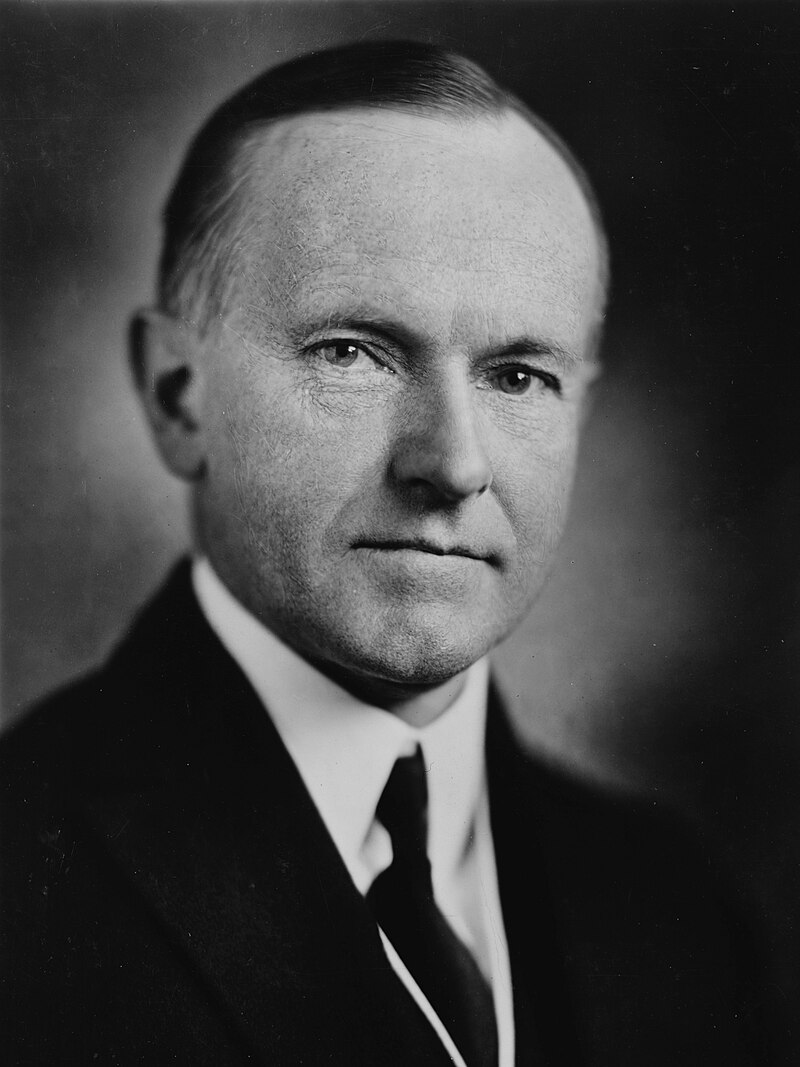
| Preceded by | Calvin Coolidge |
| Succeeded by | Franklin D. Roosevelt |
| Years | 1874–1964 |
| Location | Washington, D.C. |