The Great Depression and the New Deal
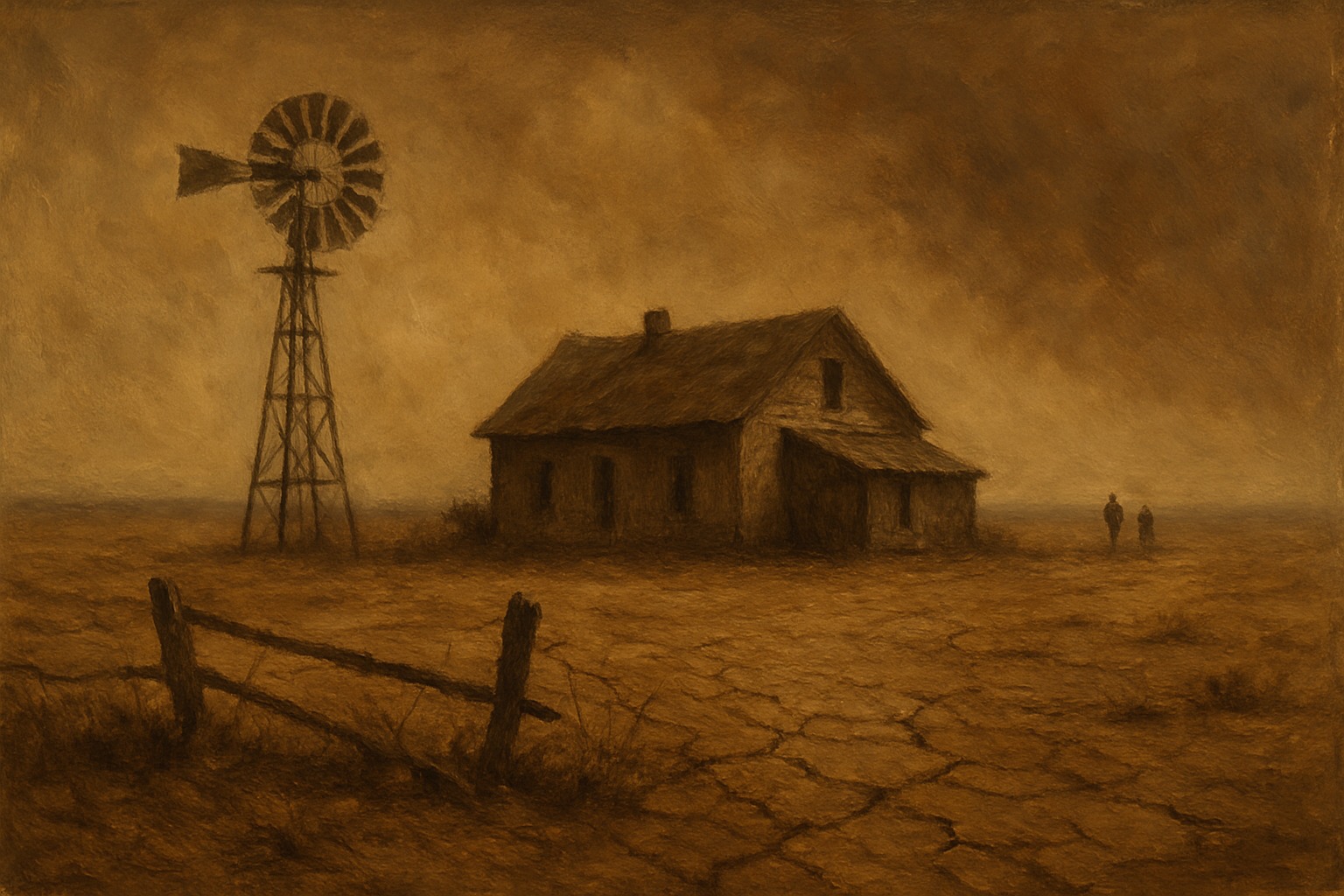
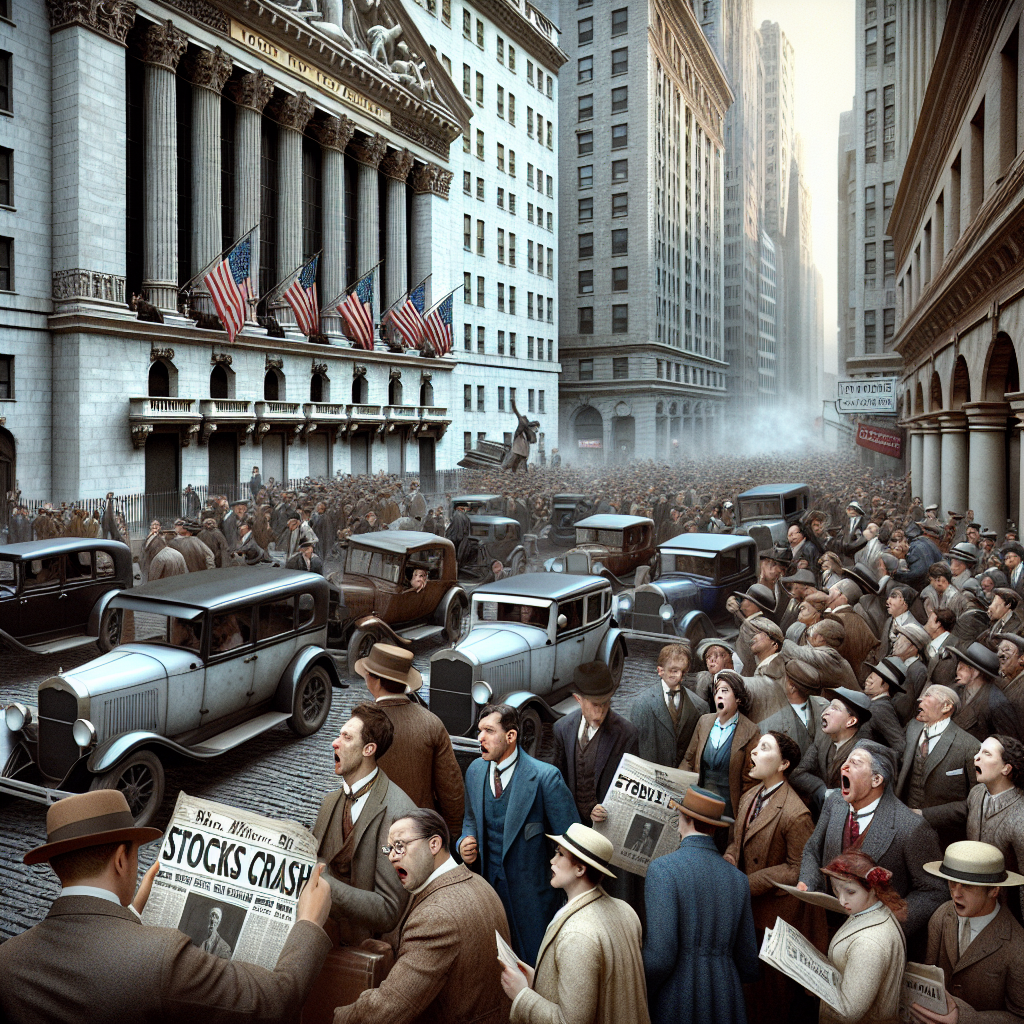
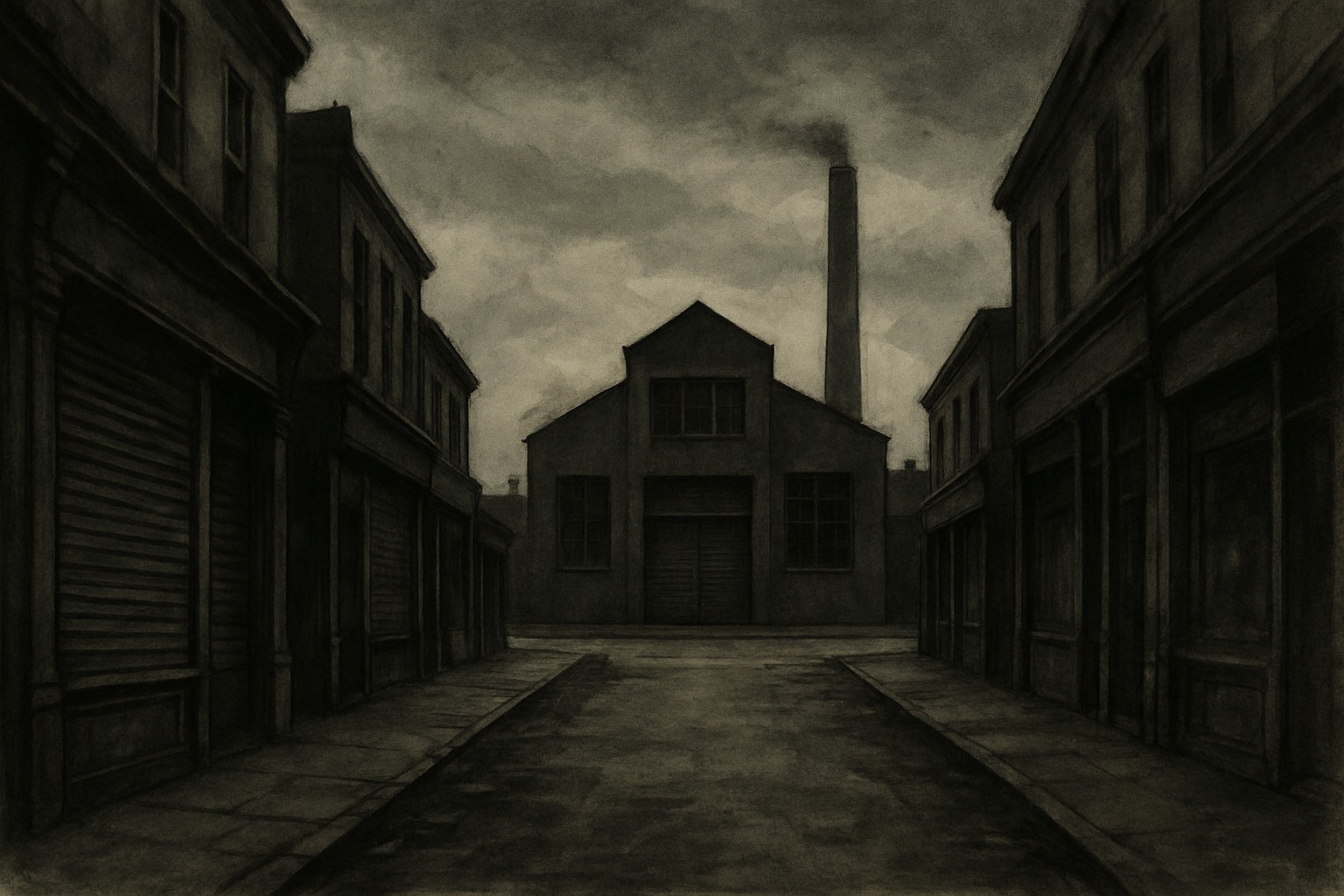
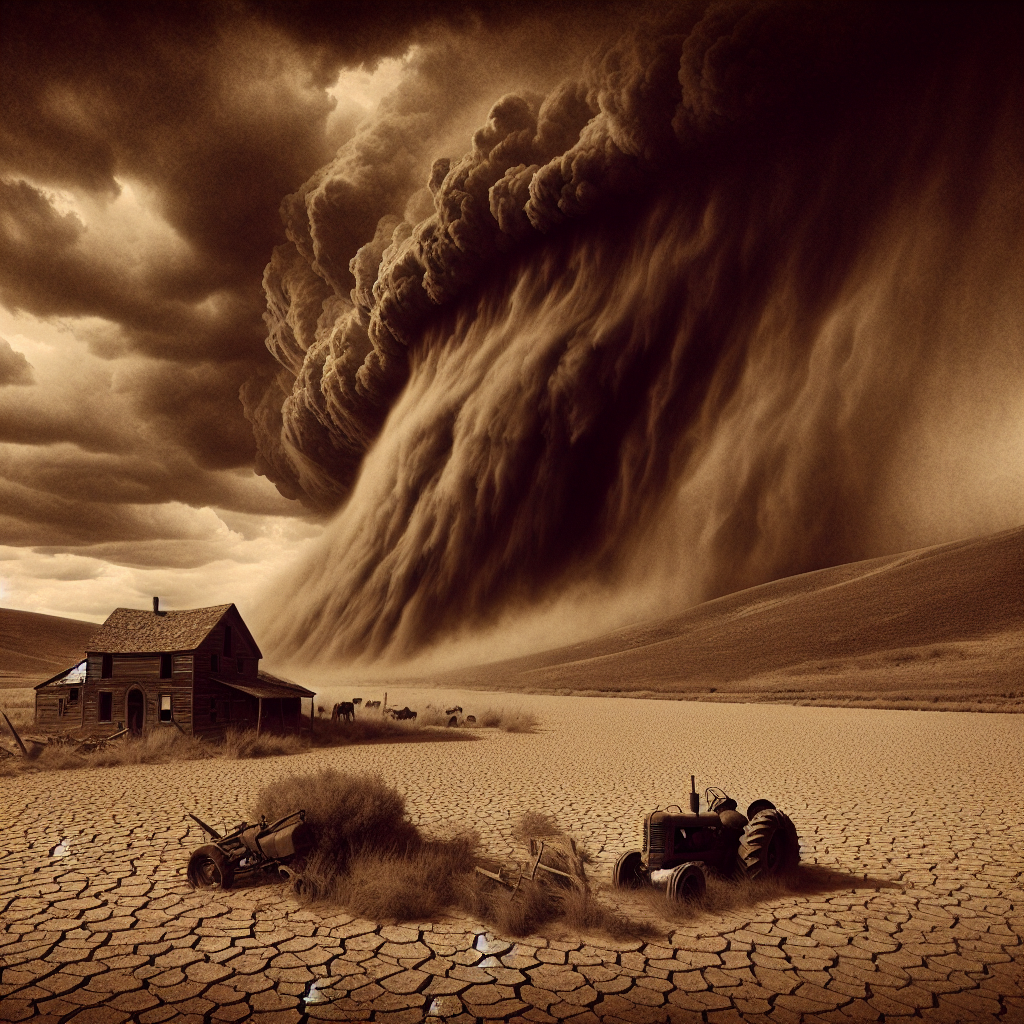
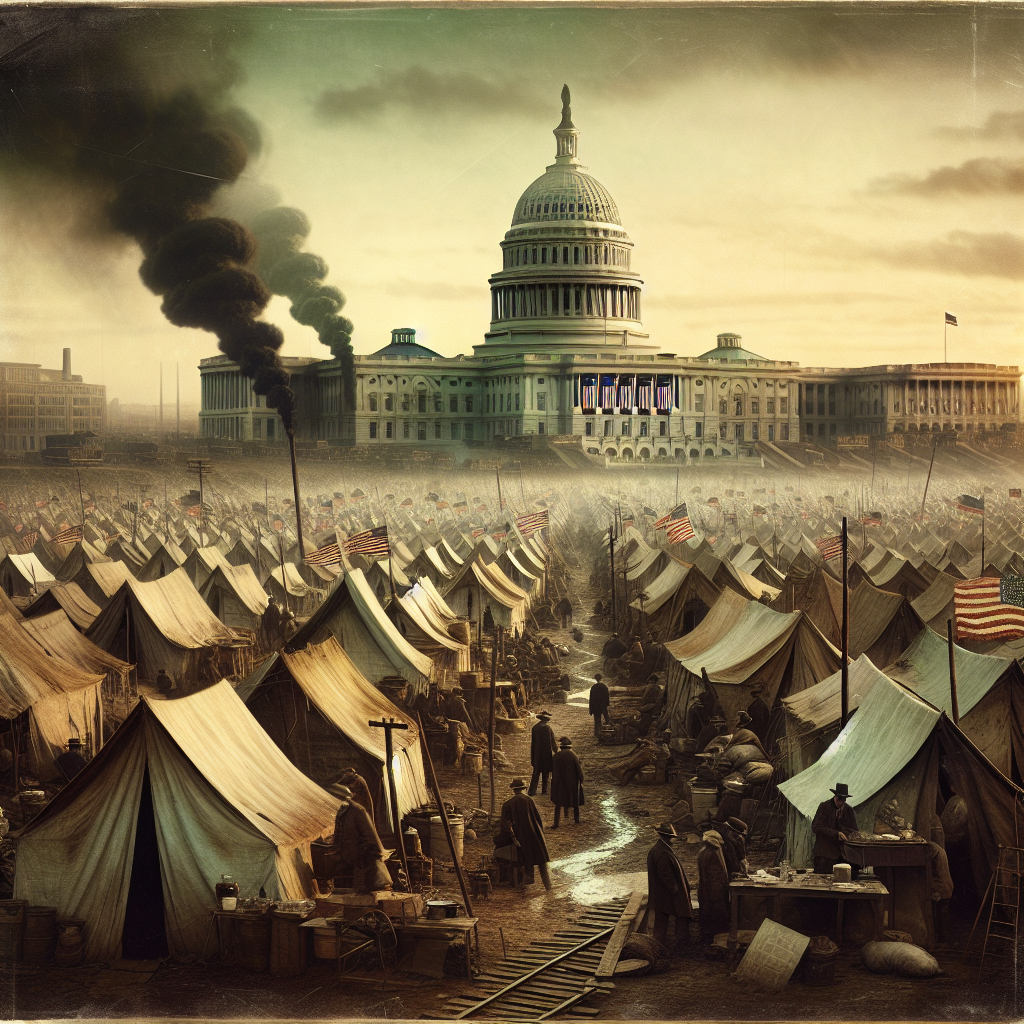
On a single day in October 1929 the stock market erased a decade of gains, and within three years a quarter of the American workforce was out of a job. The Great Depression was not just a downturn; it was a collapse so deep it called the whole system into question — banks failing by the thousands, farms blowing away in the Dust Bowl, veterans camped on the Capitol lawn. The country that emerged from it was permanently different. The federal government took on responsibilities it had never claimed before: insuring bank deposits, guaranteeing pensions, setting a minimum wage, and standing as the employer and backstop of last resort.
This guide follows that transformation in order — from the boom that preceded the bust, through the crash and the failed response, to Franklin Roosevelt's New Deal and the alphabet of agencies and laws it created, and finally to the war that ended the Depression for good. Each entry links to a full account. The throughline is a lasting shift in expectations: after the 1930s, Americans held Washington responsible for the health of the economy and the security of ordinary people in a way they never had before — a change still at the center of American politics.
The collapse came after a decade that had seemed to promise endless prosperity. When the market fell, the government's first response was to wait for the economy to right itself — and the waiting turned a crash into the longest, deepest depression in the nation's history.
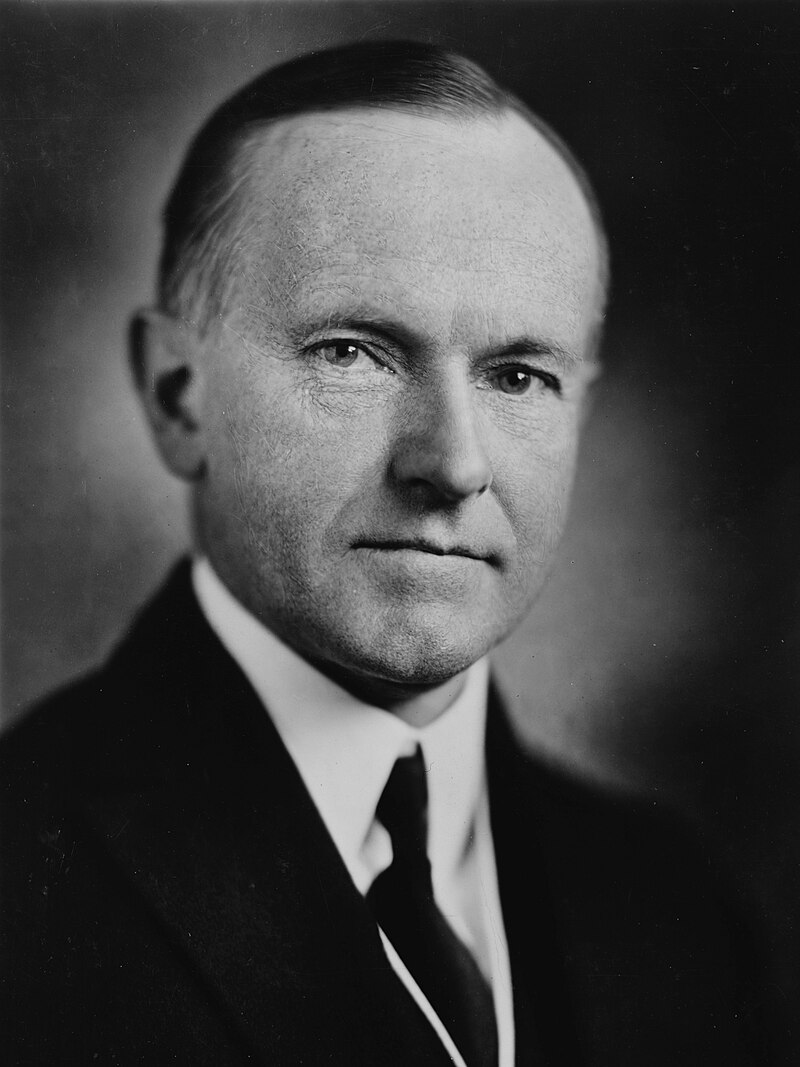
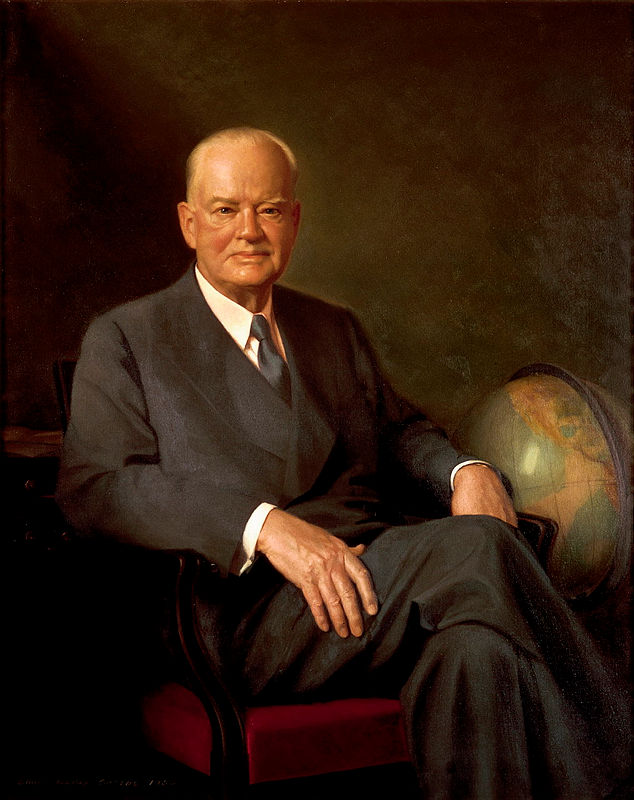
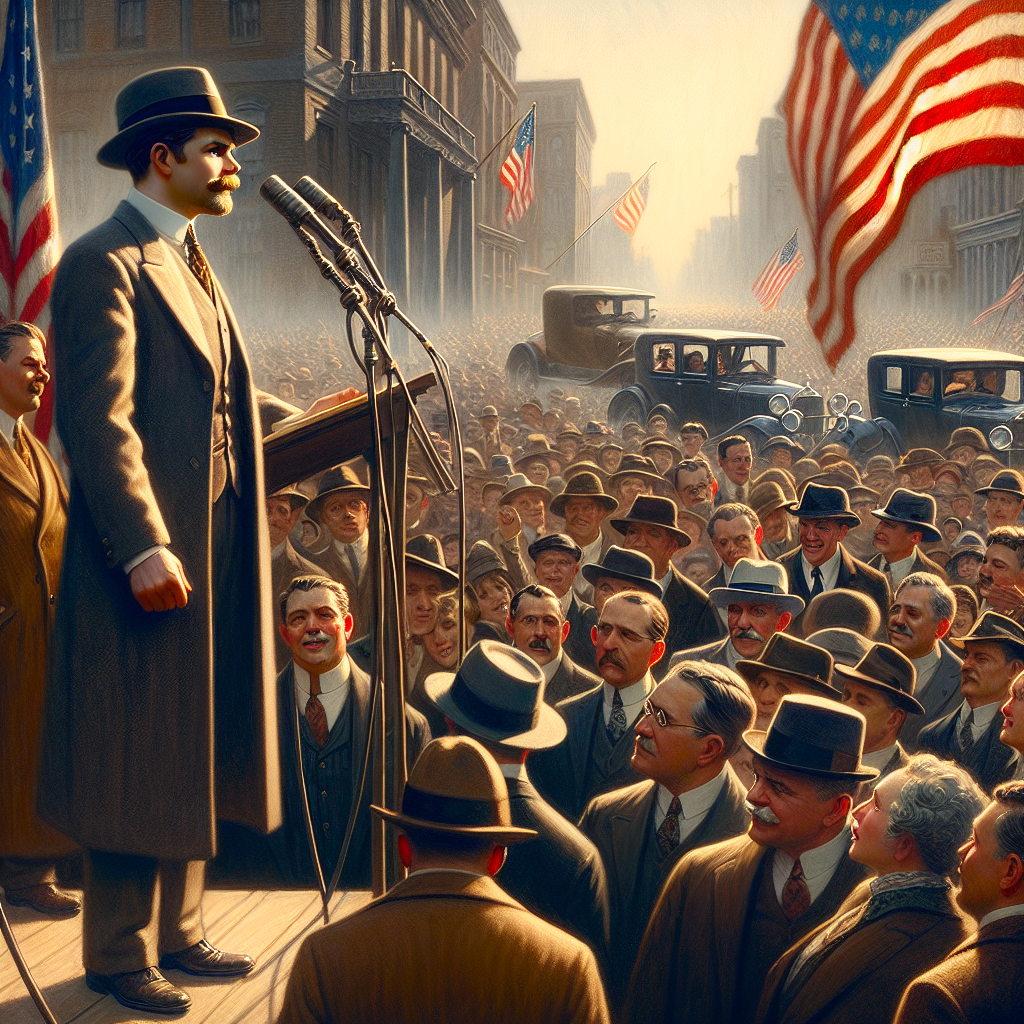
The election of 1932 brought a president willing to experiment on a national scale. In his first months Roosevelt pushed through a torrent of legislation, less from a fixed plan than from a conviction that doing something — anything — beat standing still.
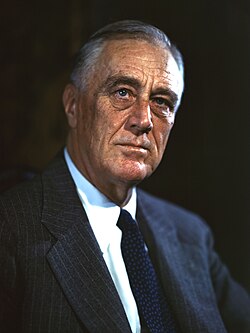
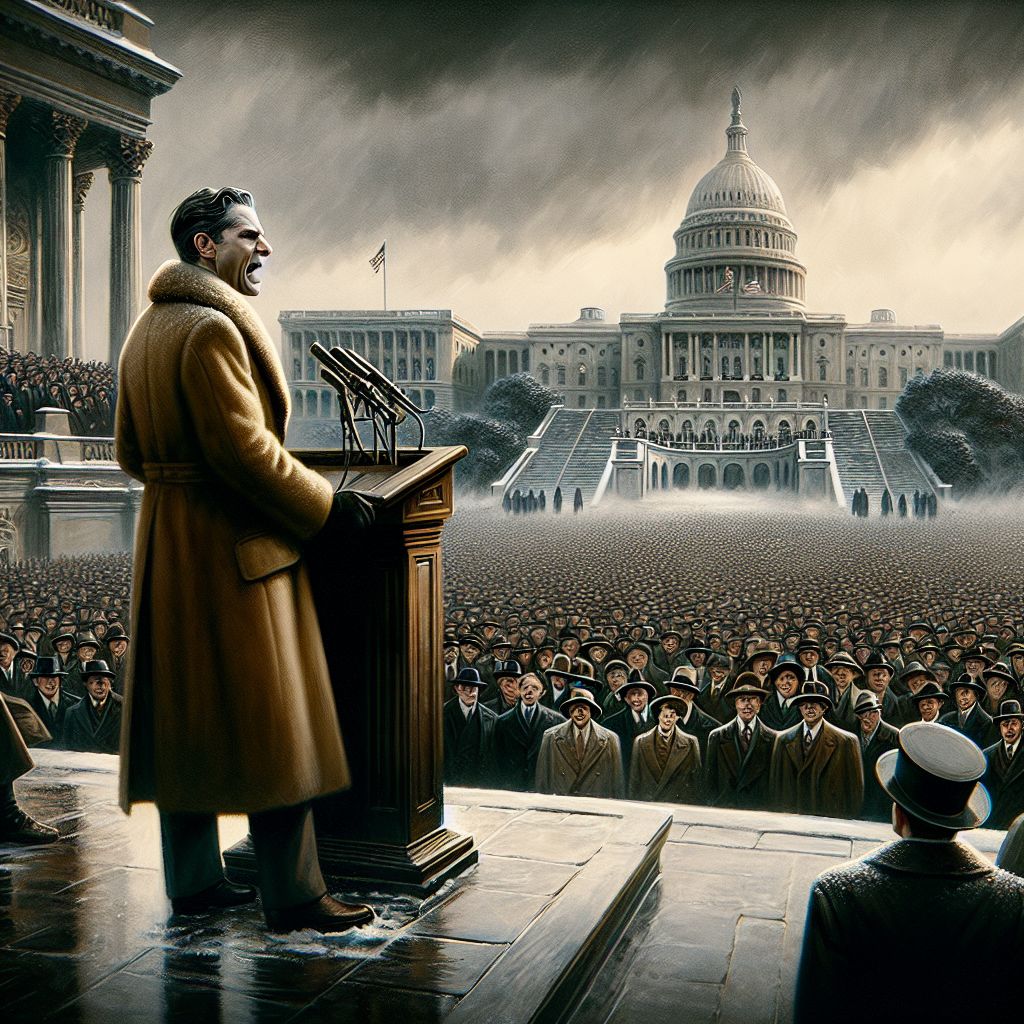
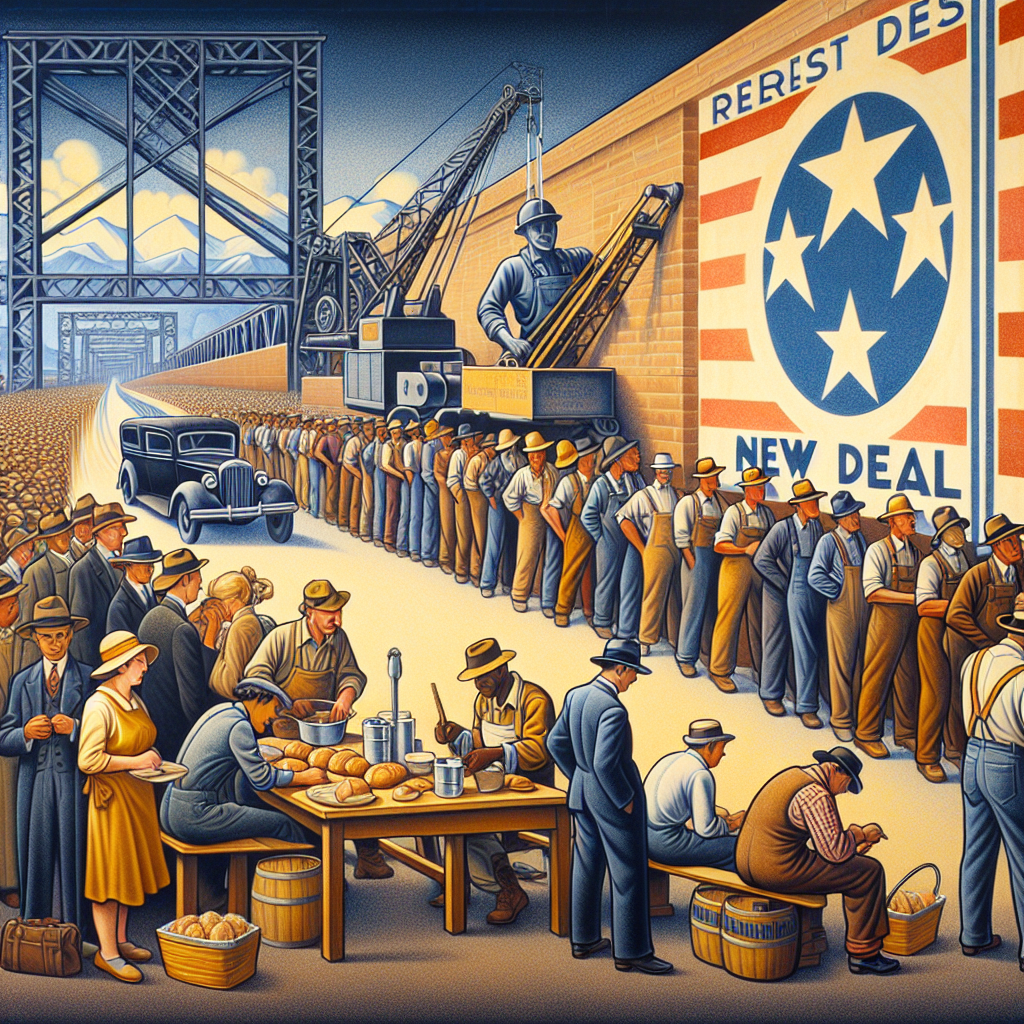
Out of the New Deal came a thicket of new agencies and laws, and with them a permanently larger federal government. Some programs were temporary relief; others — Social Security, the right to unionize, the minimum wage — became fixtures of American life.
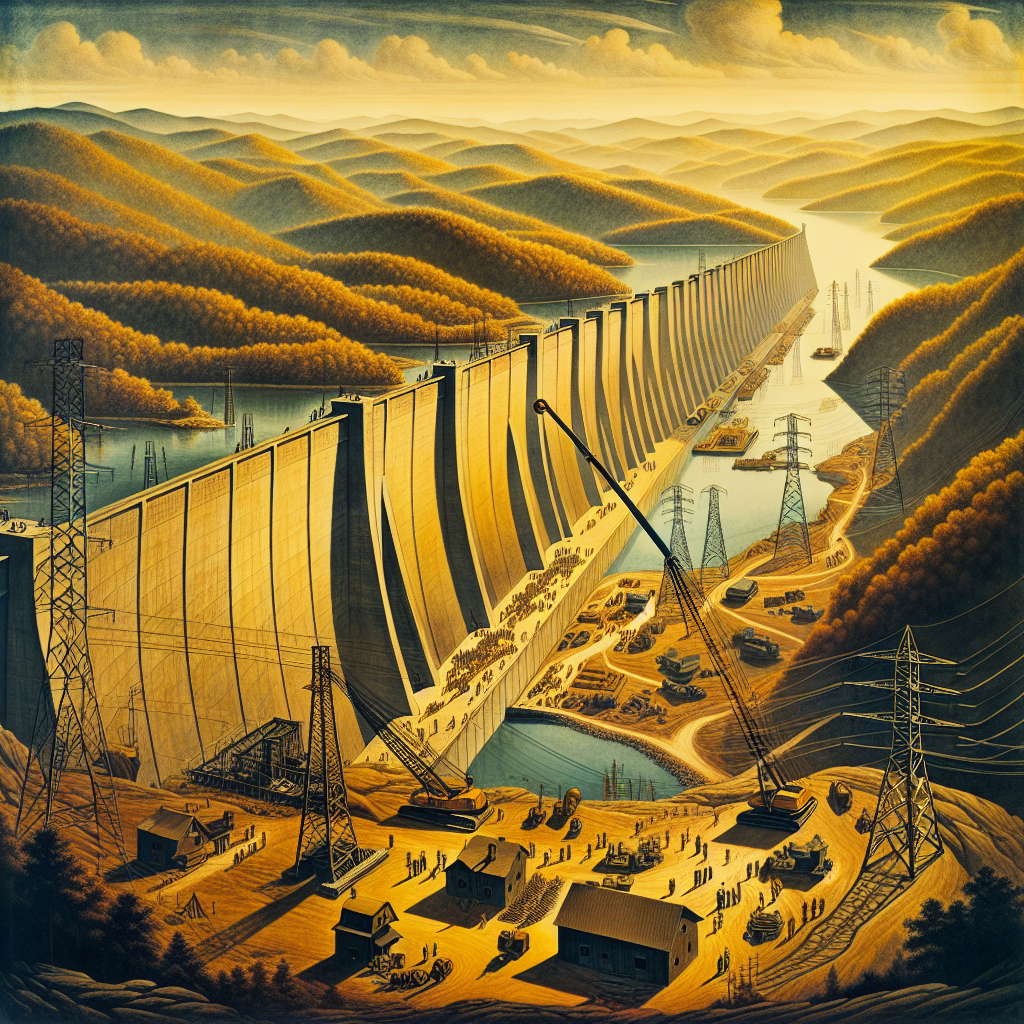
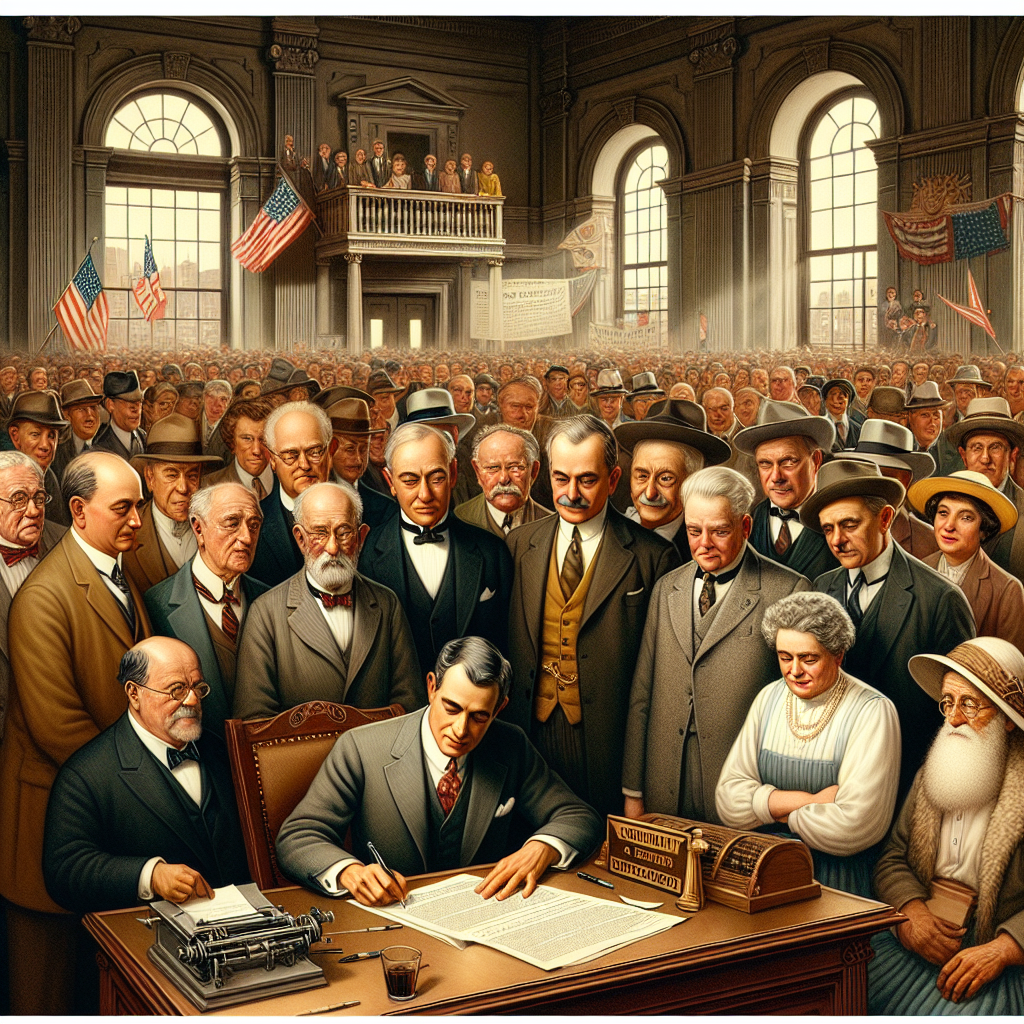
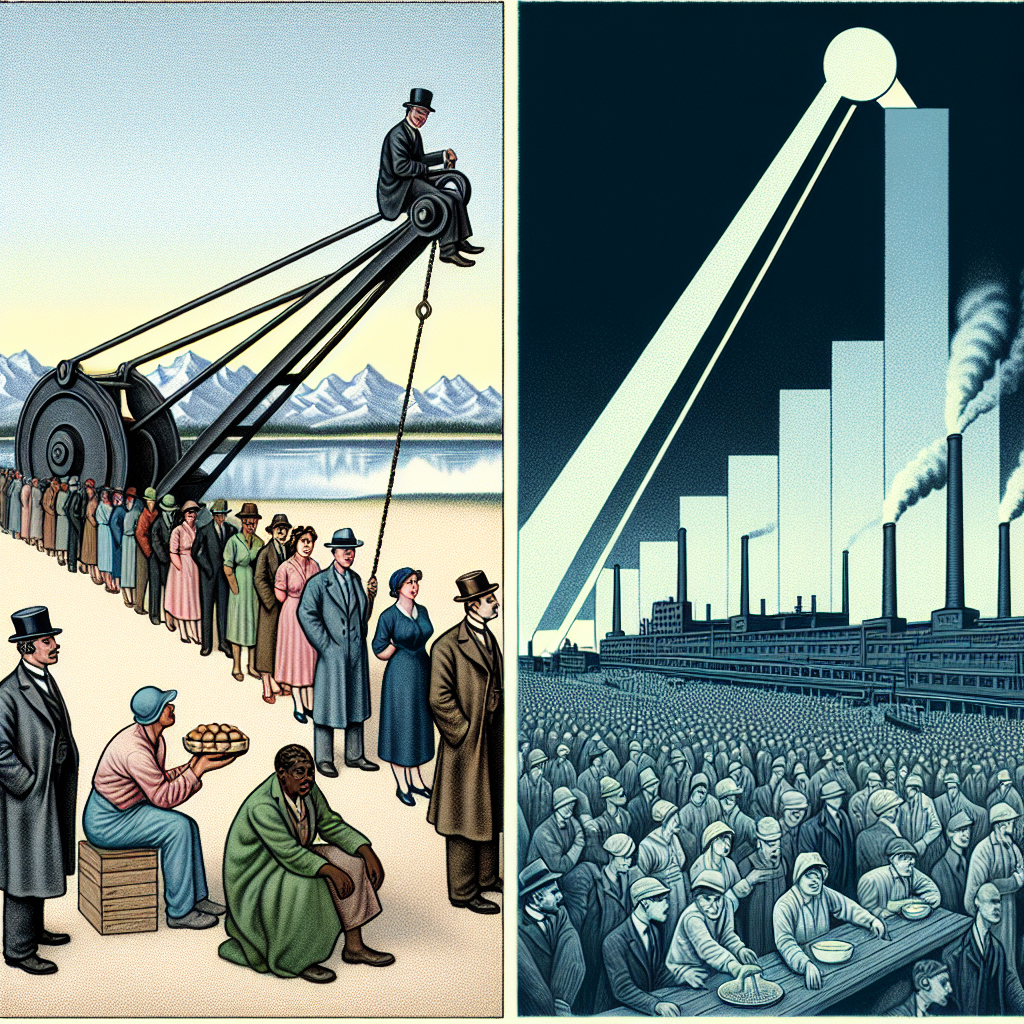
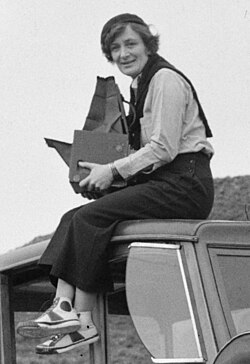
The Depression was lived as much as it was legislated. Photographers, a transformed first lady, and the everyday texture of the 1930s left a record of how the decade felt to the people who endured it.

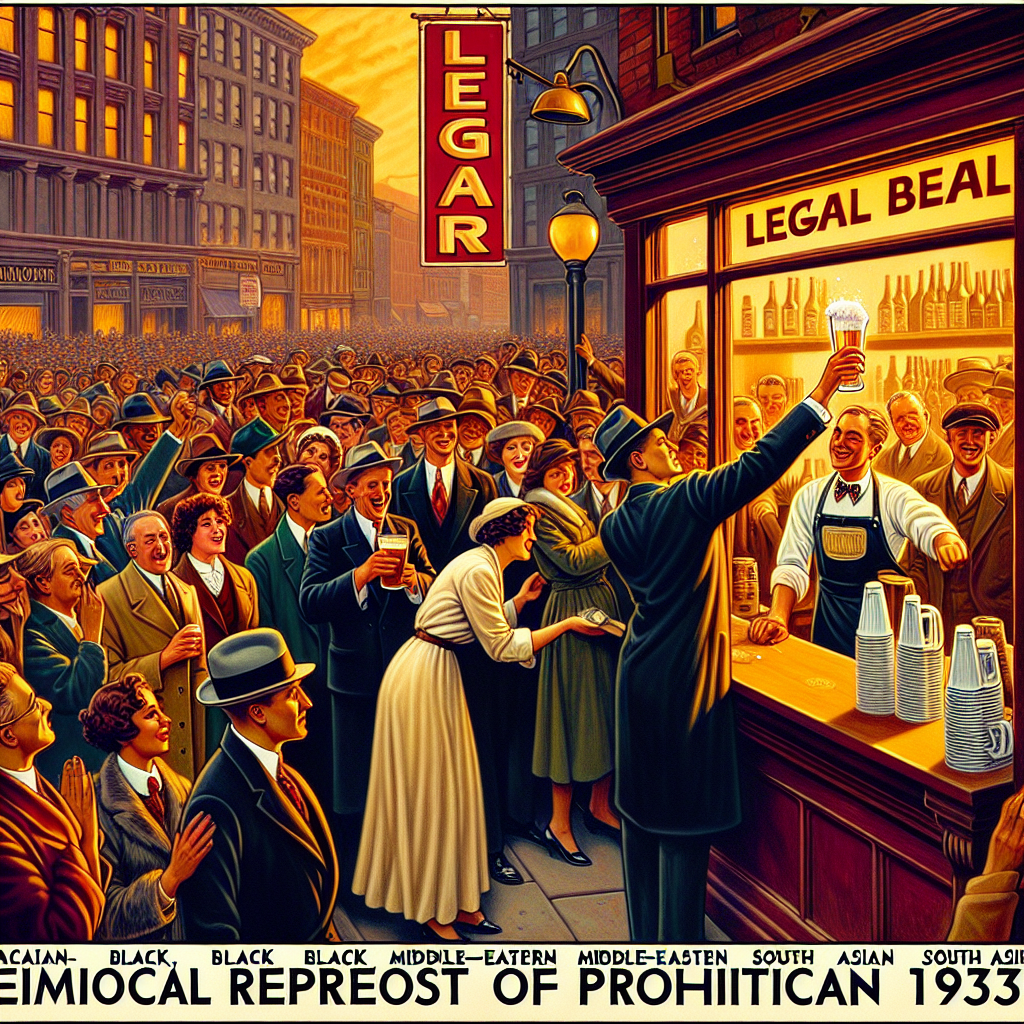
For all the New Deal accomplished, it never fully ended the Depression. What finally did was the enormous spending of the Second World War — a grim confirmation of the very idea the New Deal had only half-embraced.
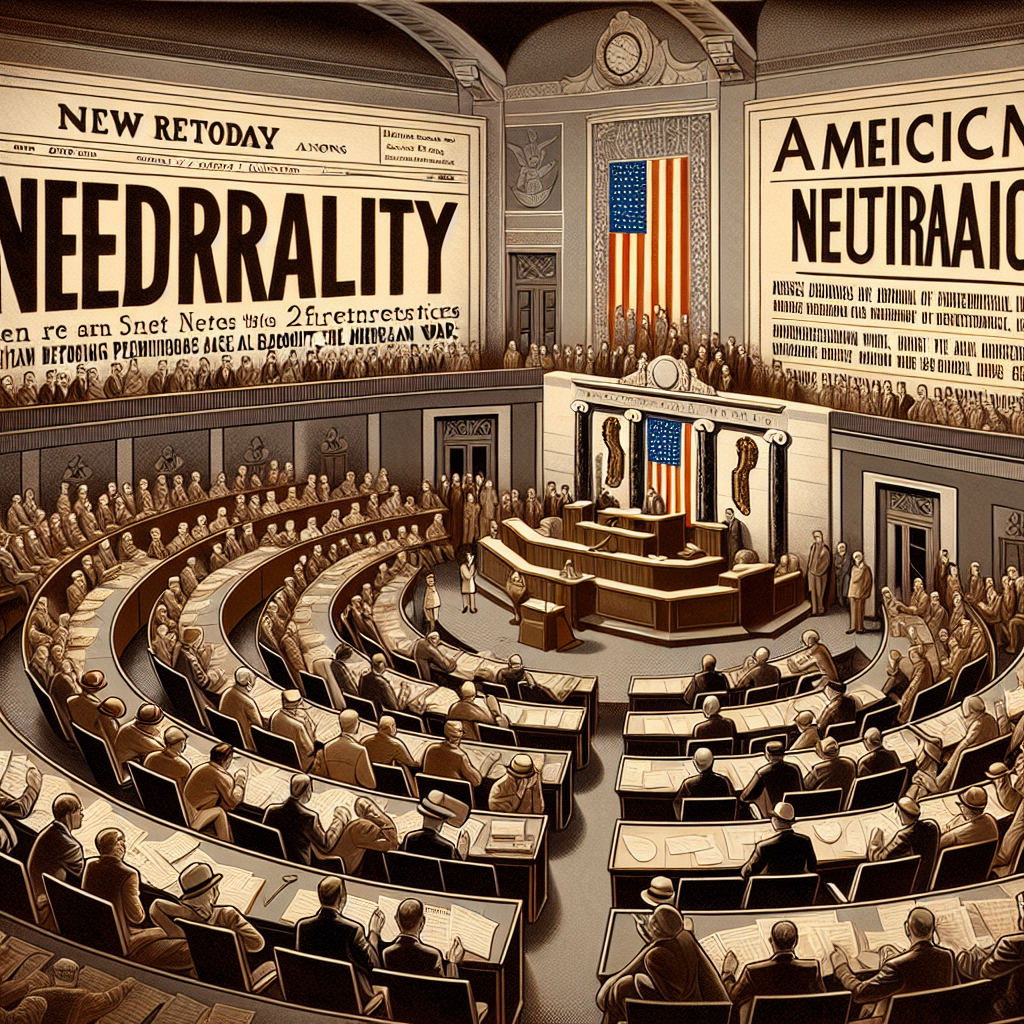
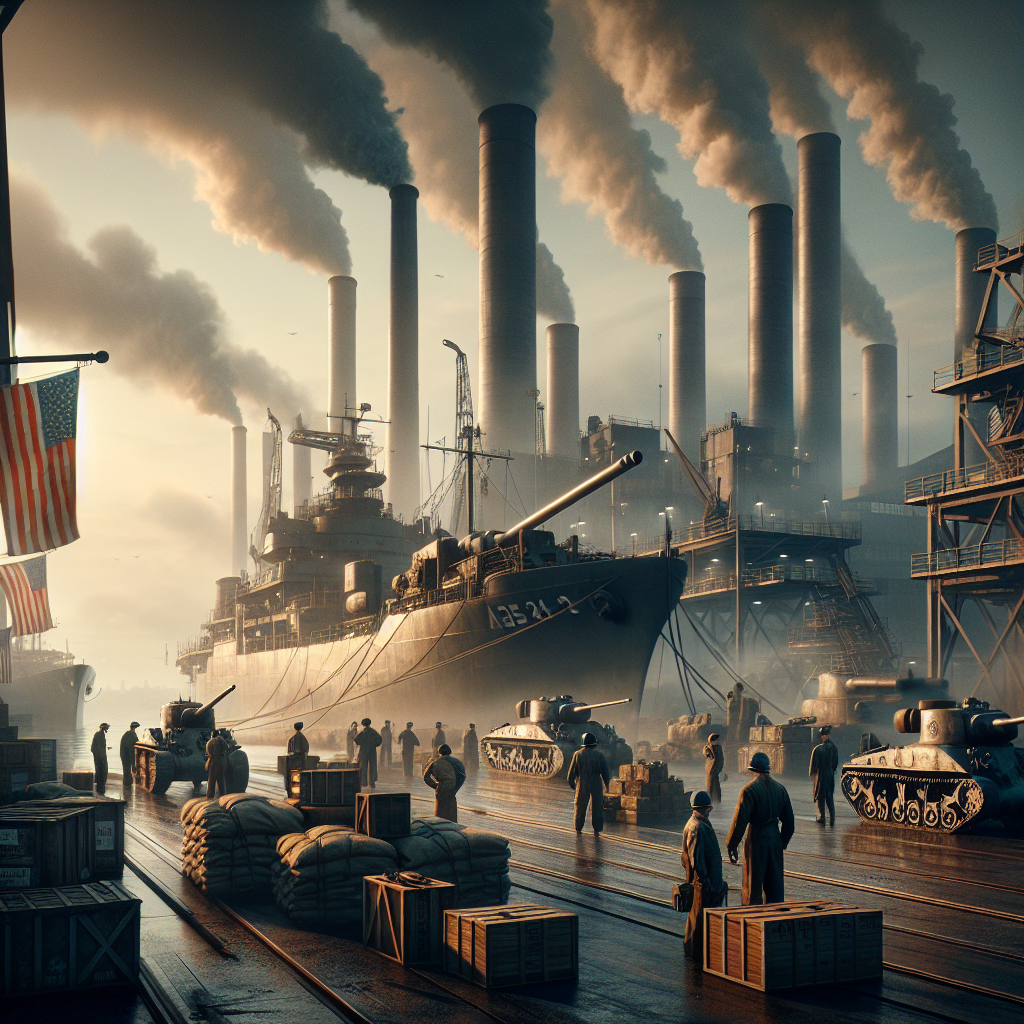
The Depression ended only when war spending did what the New Deal could not — and that war is its own story. For the workers' movement the New Deal empowered, read the guide to the American labor movement; for the booms and busts around it, a history of American financial crises.