General Motors
The automaker founded in 1908 that overtook Ford, armed democracy in WWII, and ruled the American road
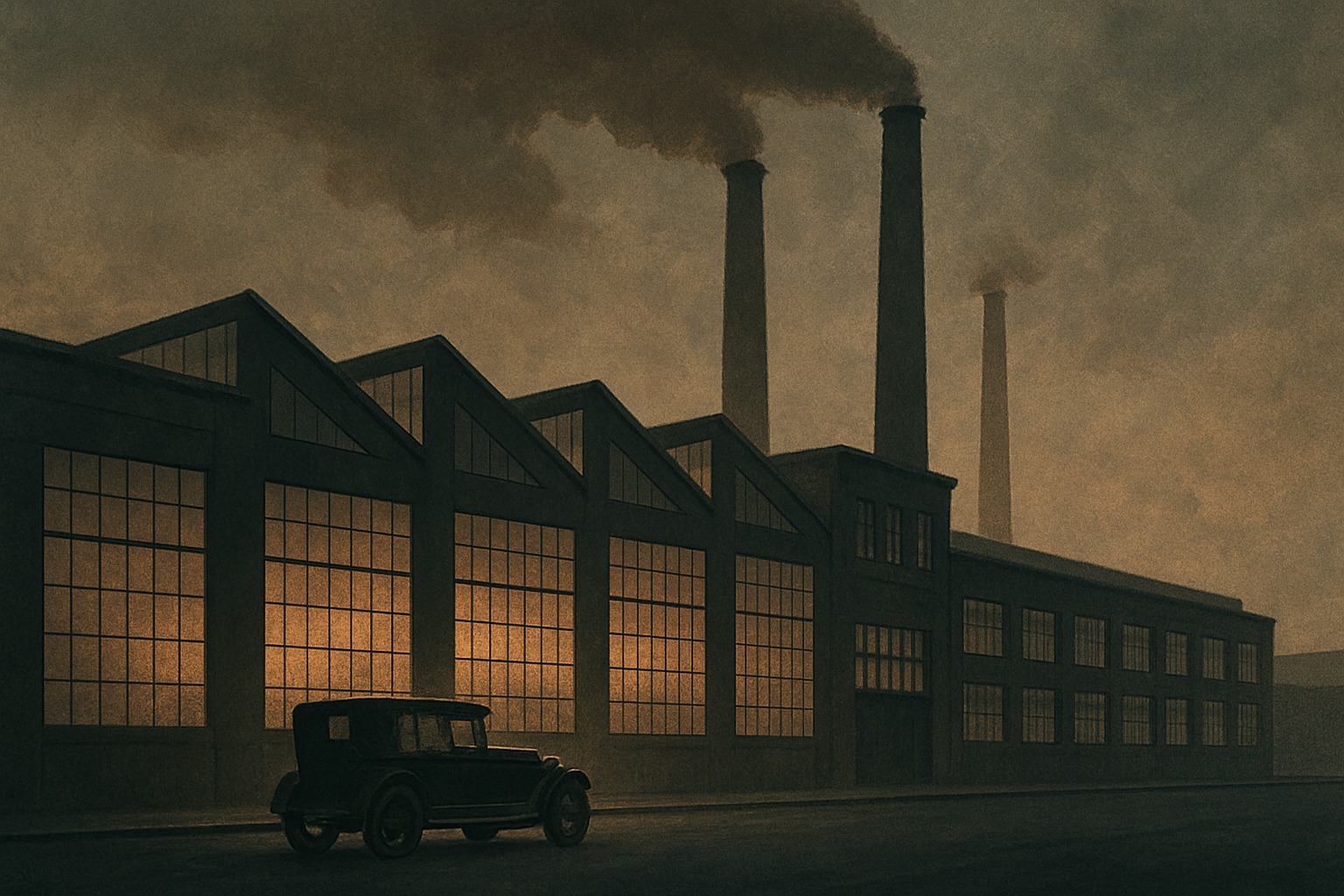
General Motors, founded in 1908, grew into the largest automaker in the world and for decades the largest industrial corporation in America. If Ford invented the mass-produced car, GM perfected the mass-market car business — and overtook Ford to dominate the industry.
Its rise was a triumph of management. Under Alfred P. Sloan in the 1920s, GM organized itself into separate divisions — Chevrolet, Pontiac, Oldsmobile, Buick, Cadillac — offering "a car for every purse and purpose" and introducing annual model changes to keep buyers coming back. This corporate structure became a model studied around the world.
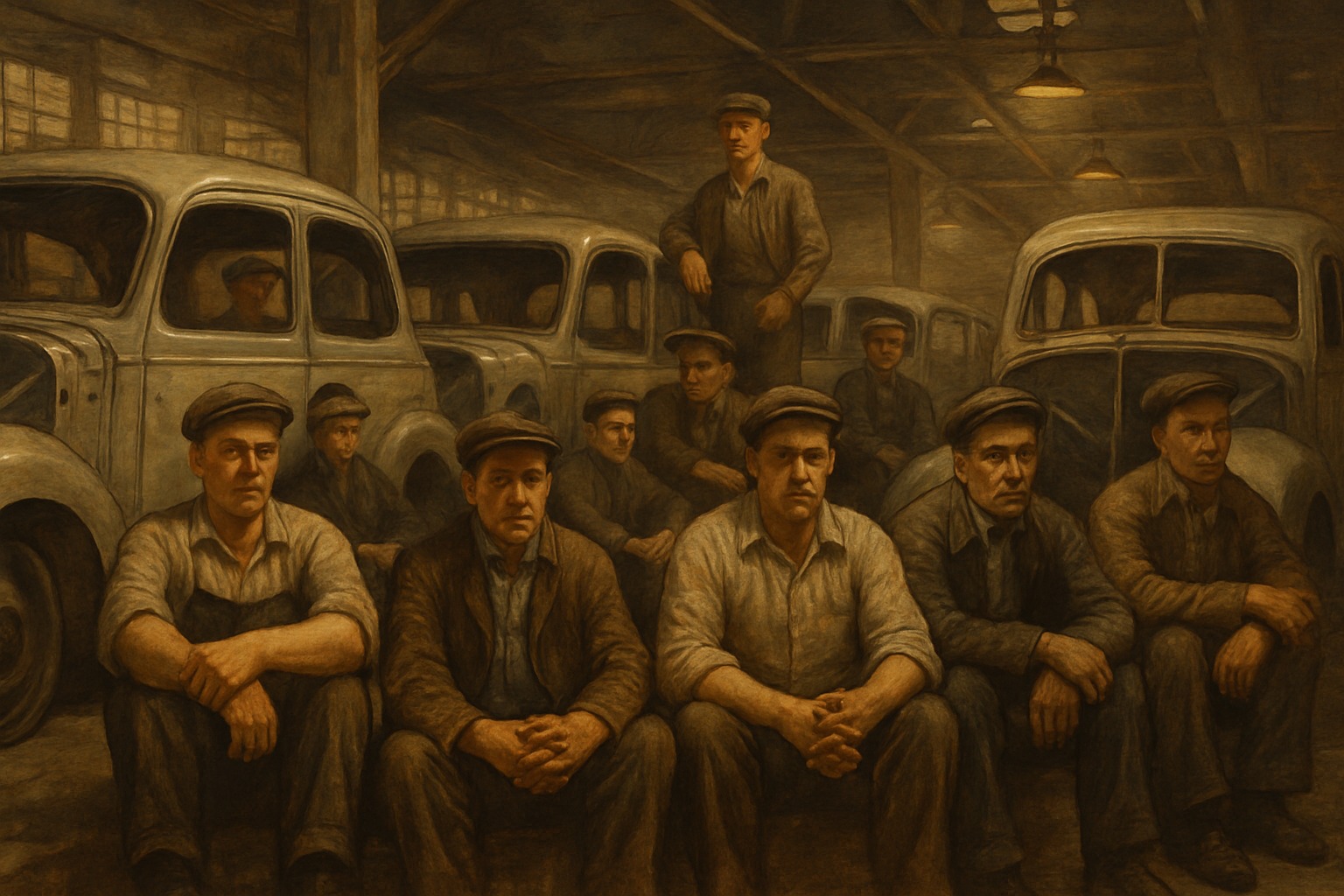
GM's scale made it a bellwether of the American economy; "what's good for General Motors is good for the country," a GM president famously suggested. It was also a central battleground of the labor movement, where the 1936–37 Flint sit-down strike won recognition for the United Auto Workers.
In 2009, battered by foreign competition and the financial crisis, GM went bankrupt and was rescued by a federal bailout — a stunning fall for a company that had symbolized American industrial might. It survived, restructured, a reminder of both the heights and the vulnerabilities of the auto age.


Related entries
Featured in these guides
- The Automobile: How the Car Remade AmericaThe machine that put a nation on wheels — the men and methods that built it, the roads it demanded, and the country it reshaped.
- The Roaring Twenties: Boom, Prohibition, and the Decade That Made Modern AmericaHow a single decade gave America cars, radio, jazz, closed borders, and a crash.
Across the Brief network
People in this entry, on BriefPeople