FDR's First Inaugural Address
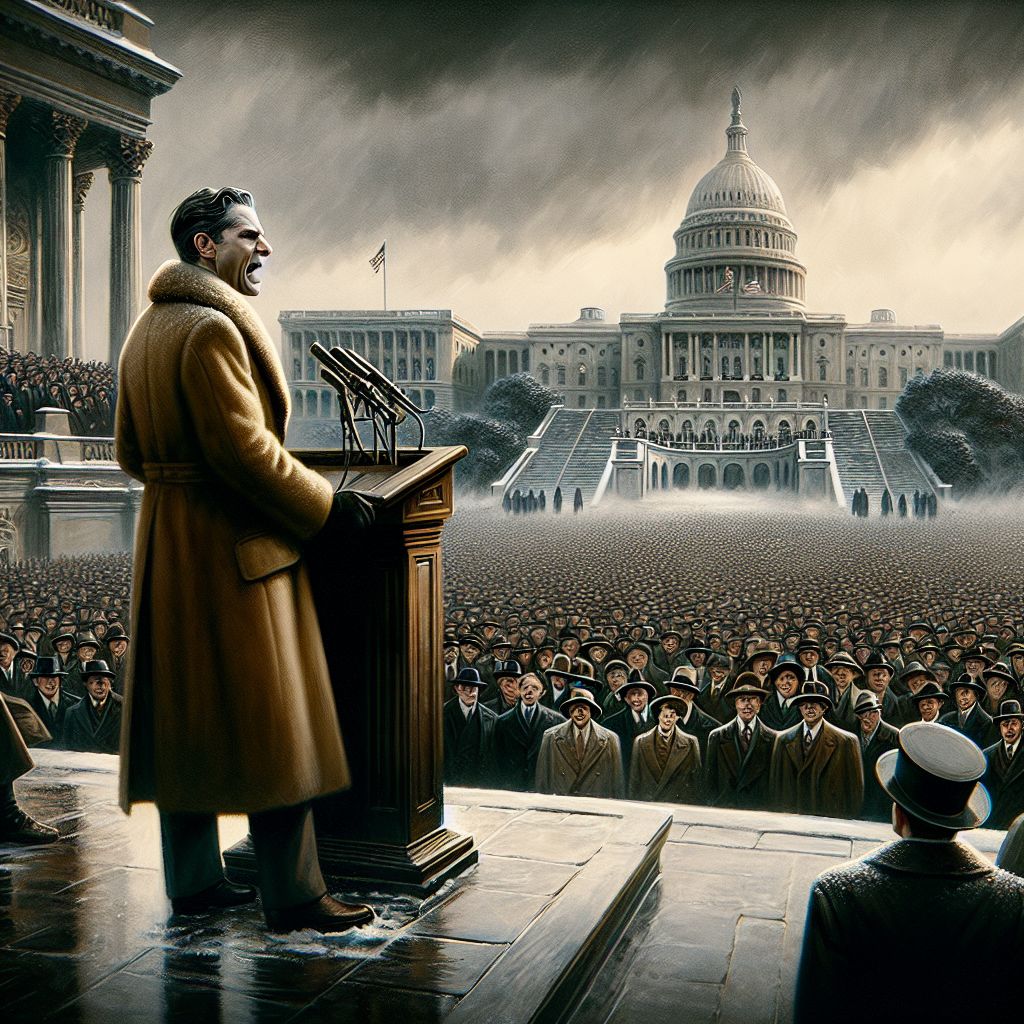
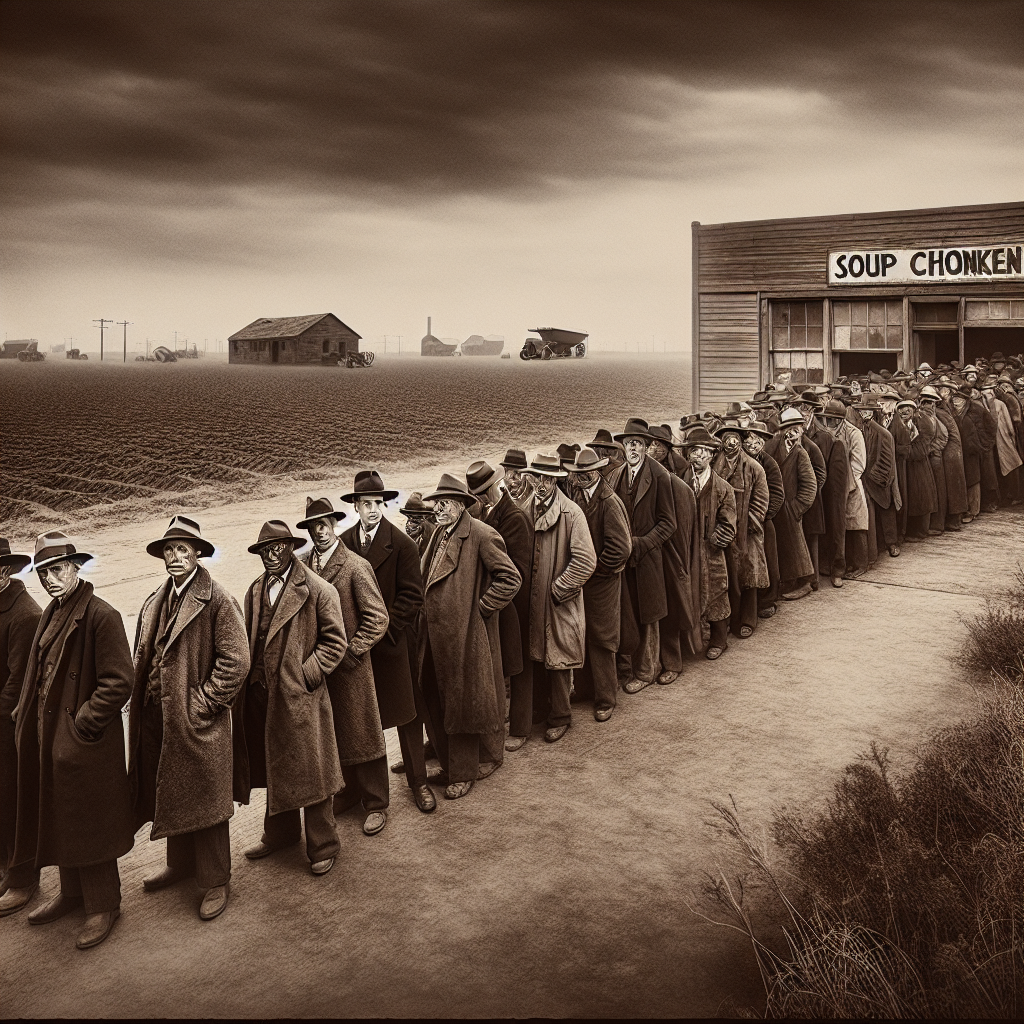
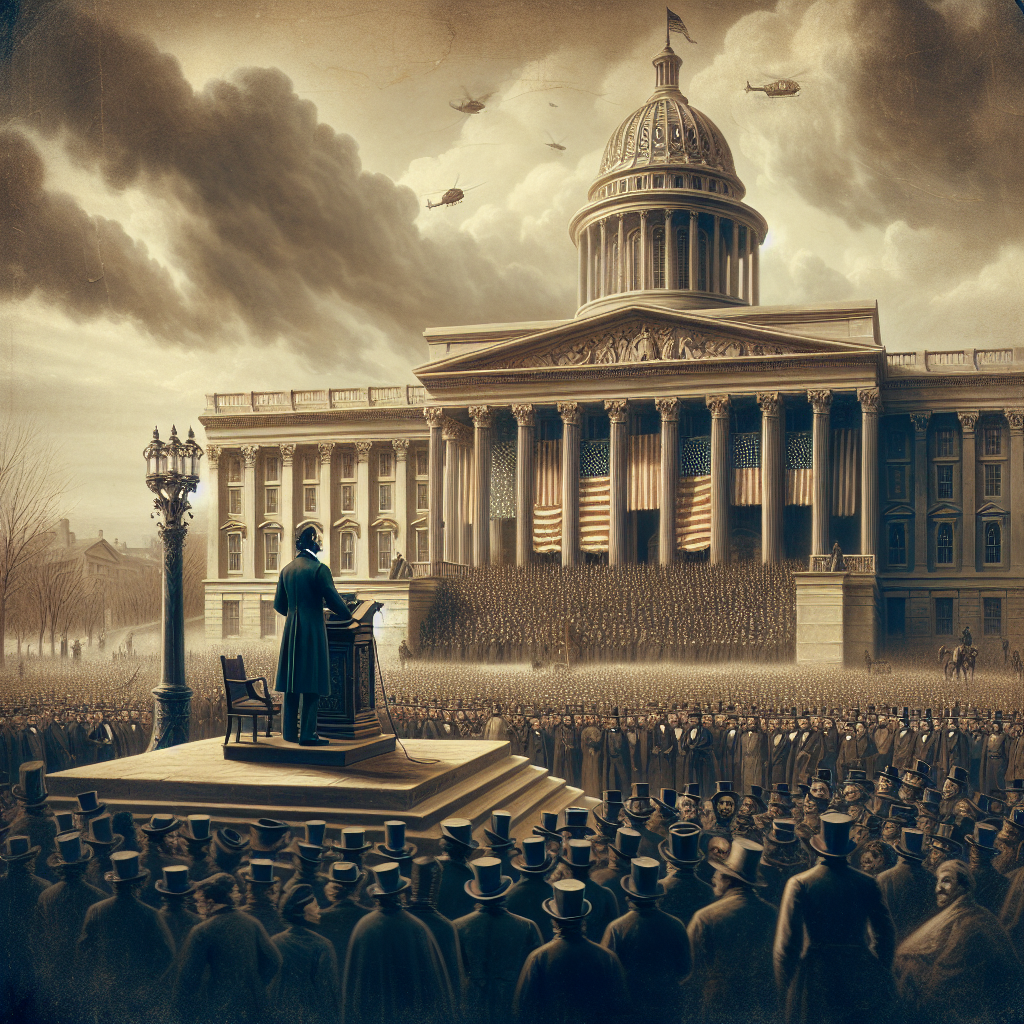
Franklin Roosevelt stepped to the podium on March 4, 1933, with a quarter of American workers unemployed and banks failing in every state. The crowd gathered on the Capitol steps was not celebrating — it was frightened. Roosevelt answered that fear with directness: the crisis was real, severe, and caused by human failures that human action could correct. His declaration that the only thing to fear was fear itself became the defining phrase of the New Deal era — but the speech was more than a slogan. It was a call to treat an economic emergency with the urgency of war.
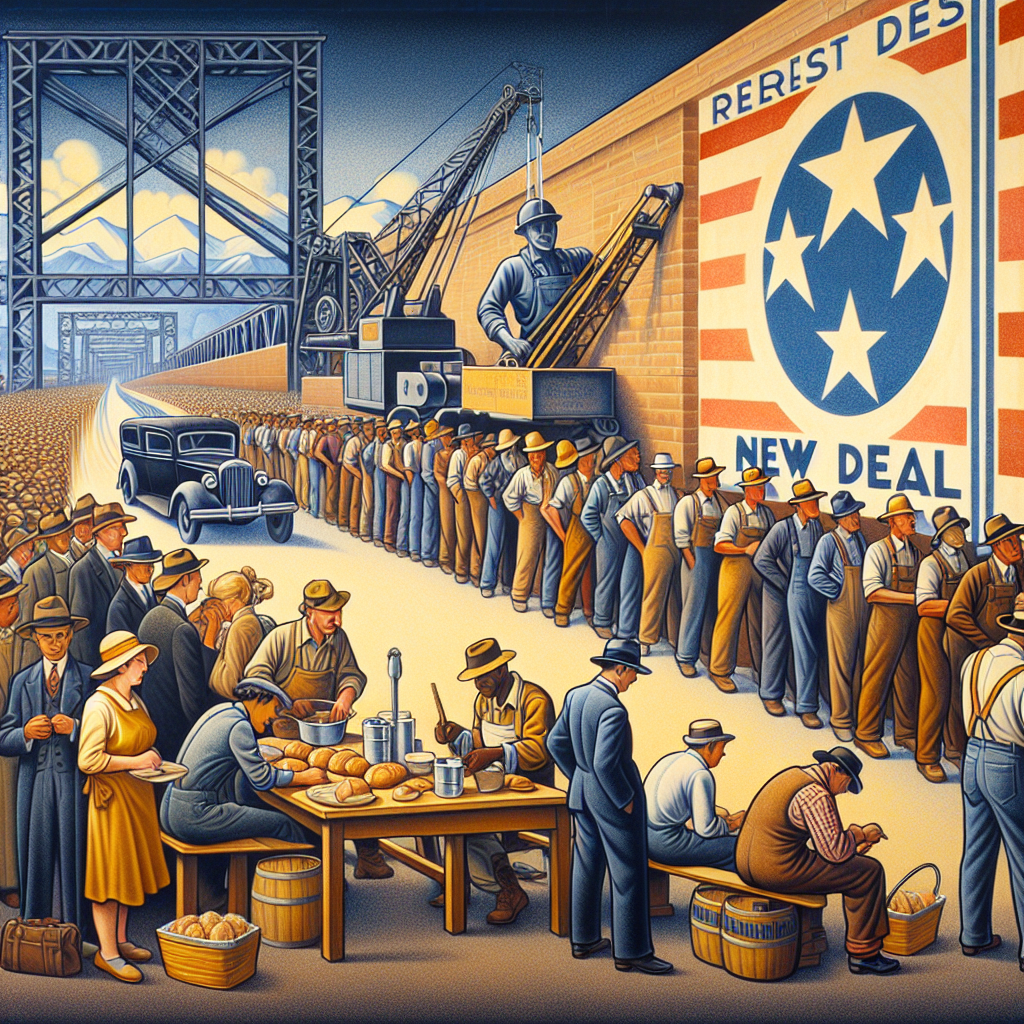
Roosevelt used the address to announce a fundamental reorientation of American government. Unregulated financial speculation had destroyed the social values that civilization depended upon, he argued, and the nation would now dedicate itself to rebuilding them through collective action. He called for strict supervision of banking and finance, relief for farmers facing foreclosure, and national planning on a scale the country had never attempted in peacetime. Within his first 100 days in office, 15 major pieces of legislation passed through Congress, transforming the federal government's role in American economic life.
The speech was broadcast live by radio to an estimated 60 million people — an unprecedented reach that Roosevelt would deploy throughout his presidency via his fireside chats. He received over half a million letters in the days that followed. Whether or not the New Deal ultimately ended the Depression, the inaugural address ended the paralysis, replacing a national mood of helplessness with the conviction that something was actively being done.
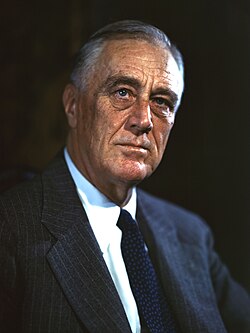
| Delivered | March 4, 1933 |
| Speaker | Franklin D. Roosevelt |
| Location | U.S. Capitol, Washington, D.C. |
| Occasion | Roosevelt's first inauguration |
| Radio audience | Estimated 60 million listeners |
| Followed by | The Hundred Days legislative program |
| Context | Unemployment at approximately 25 percent |
| Date | March 4, 1933 |
| Location | U.S. Capitol, Washington, D.C. |