Franklin D. Roosevelt
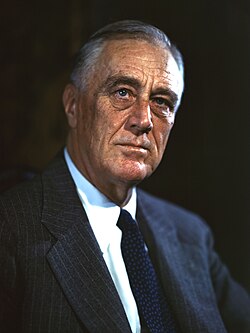
Franklin Roosevelt was diagnosed with polio in 1921, at 39, and never walked unassisted again. He was elected president 11 years later, and for the next 13 years governed the country through its two worst crises since the Civil War while concealing the extent of his disability from a public that almost certainly would have re-elected him anyway but that he chose not to test. He was the most consequential American president of the 20th century, possibly of any century after Lincoln — the architect of the modern federal government, the commander who organized the industrial mobilization that won World War II, and a man whose personality was so large and so deliberately managed that the people closest to him consistently reported that they had no idea what he actually believed.
The New Deal he built in response to the Depression was not a plan but a method: try everything, keep what works, abandon what doesn't, never admit the failure, always explain the success. The Supreme Court struck programs down; Roosevelt tried to pack the Court with six new justices, failed spectacularly, and then watched the Court stop striking his programs down. He put 8.5 million people to work through the WPA, created Social Security, established the FDIC and the SEC, and reorganized the relationship between the federal government and ordinary Americans so thoroughly that 90 years later the core architecture has not been substantially altered. He also interned 120,000 Japanese Americans, refused for years to support federal anti-lynching legislation, and excluded Black and agricultural workers from New Deal protections to preserve Southern Democratic support.
Roosevelt died on April 12, 1945, of a cerebral hemorrhage at his retreat in Warm Springs, Georgia, 18 days before Germany surrendered and four months before the atomic bomb he had authorized was dropped on Japan. He had been president for 12 years and 39 days — longer than any other person has held or will hold the office, the 22nd Amendment having been ratified specifically in response to his tenure. Harry Truman, his vice president of 82 days, learned of the bomb's existence for the first time that afternoon. Eleanor Roosevelt, when asked what she could do to help, said: "The question is what you can do for your country." She then spent the next 17 years doing it.

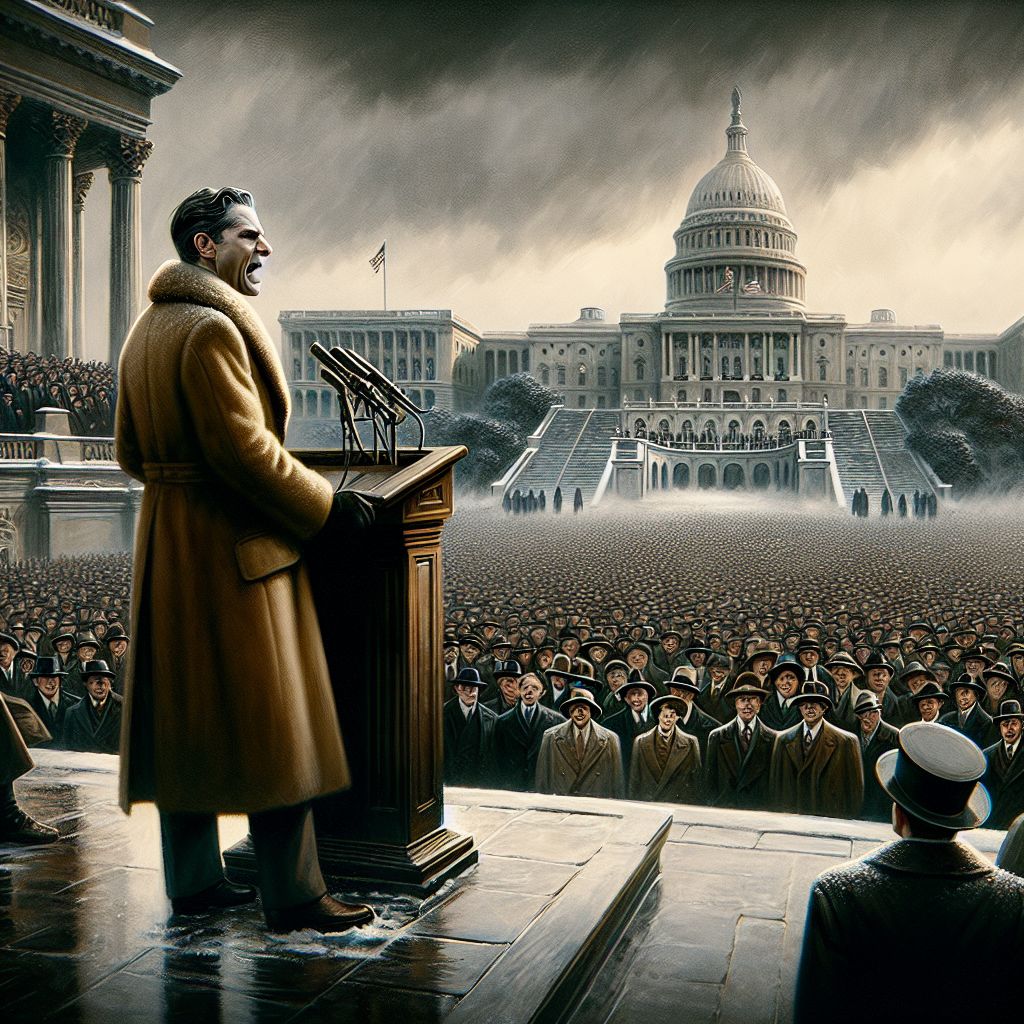

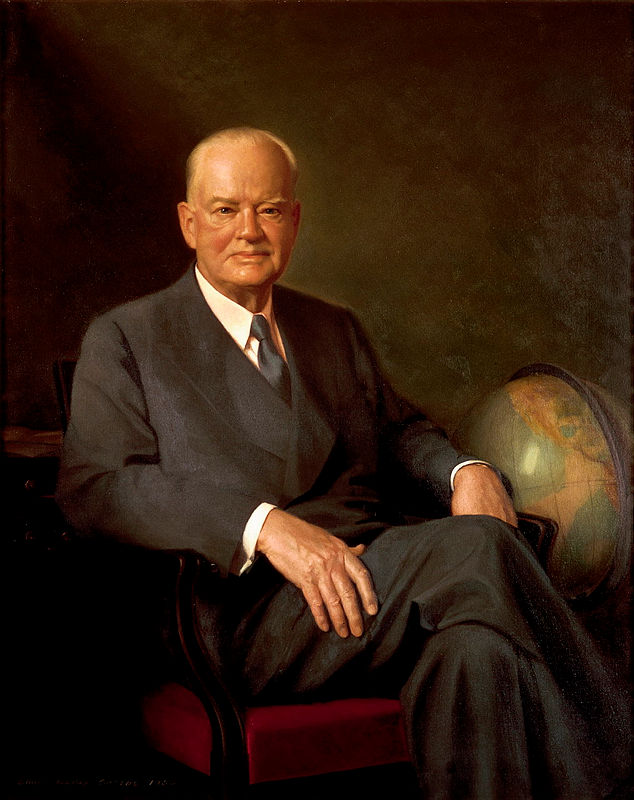

| Born | January 30, 1882 — Hyde Park, New York |
| Died | April 12, 1945 — Warm Springs, Georgia |
| Term | March 4, 1933 – April 12, 1945 |
| Party | Democrat |
| Vice Presidents | Garner (1933–41); Wallace (1941–45); Truman (1945) |
| Preceded by | Herbert Hoover |
| Polio diagnosis | 1921 |
| Only president | Elected to four terms |
| Years | 1882–1945 |
| Location | Hyde Park, New York |