Election of 1932
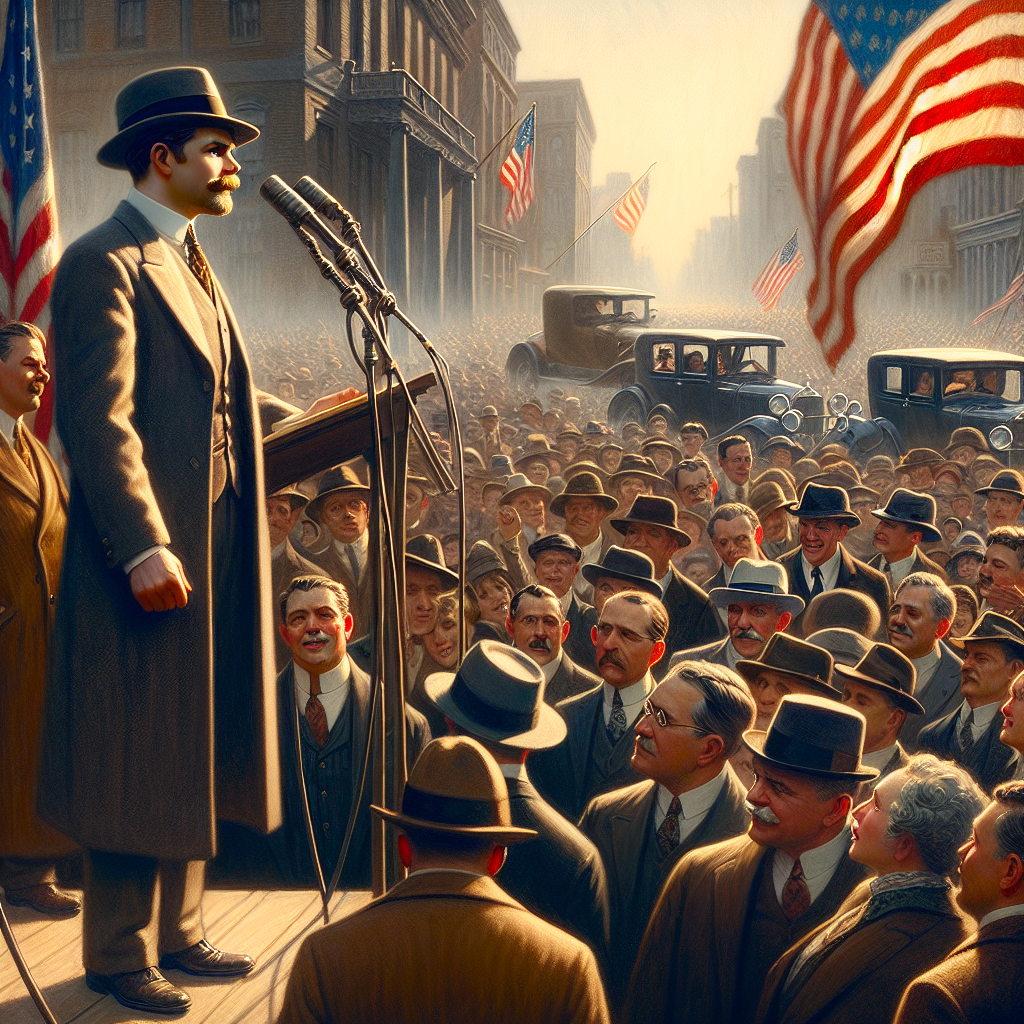
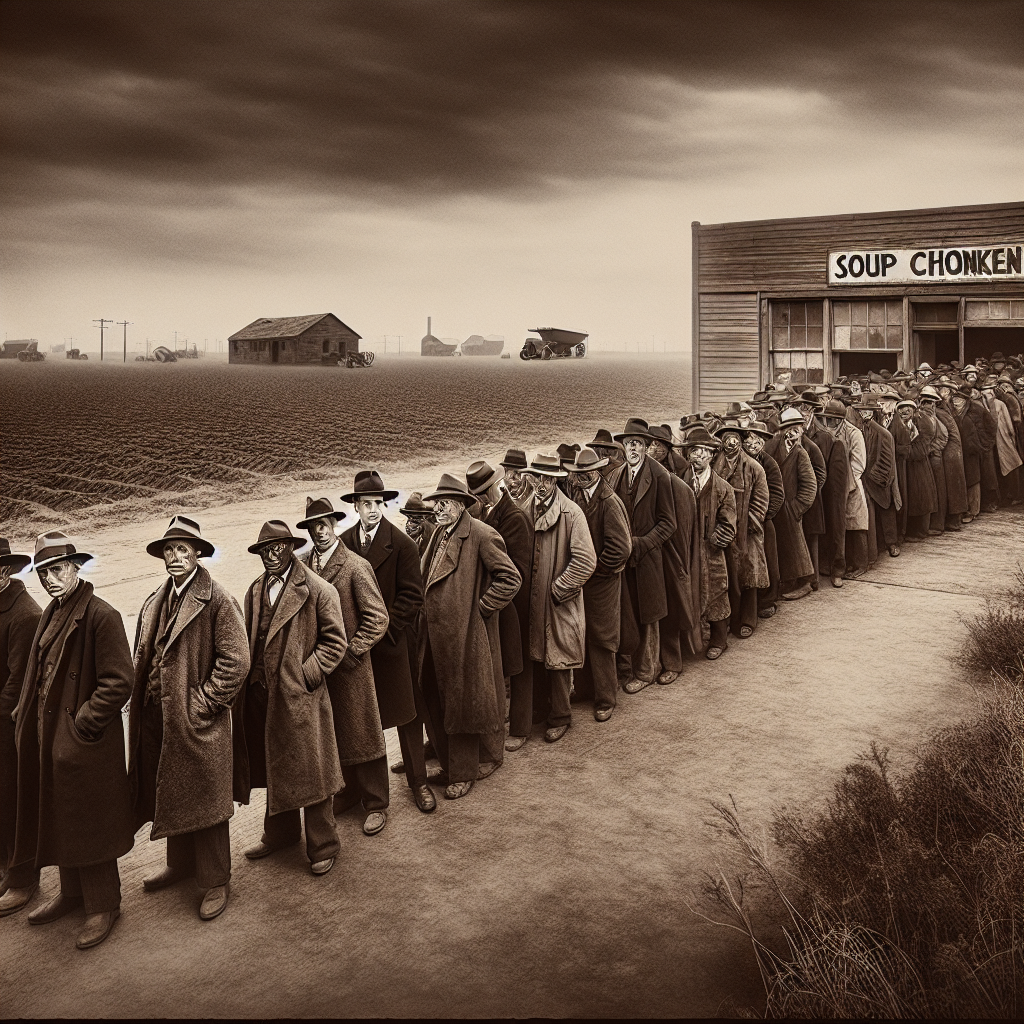
When Americans voted in November 1932, they were choosing between two very different responses to the worst economic collapse in the country's history. Herbert Hoover had presided over three years of catastrophic decline — unemployment approaching 25 percent, banks failing, farms foreclosed, and the makeshift shantytowns bearing his name spreading at the edges of every major city. Franklin Roosevelt offered no detailed blueprint, but he offered something Hoover could not: confidence that government had both the obligation and the capacity to act. The result was the most decisive presidential repudiation in 20 years.
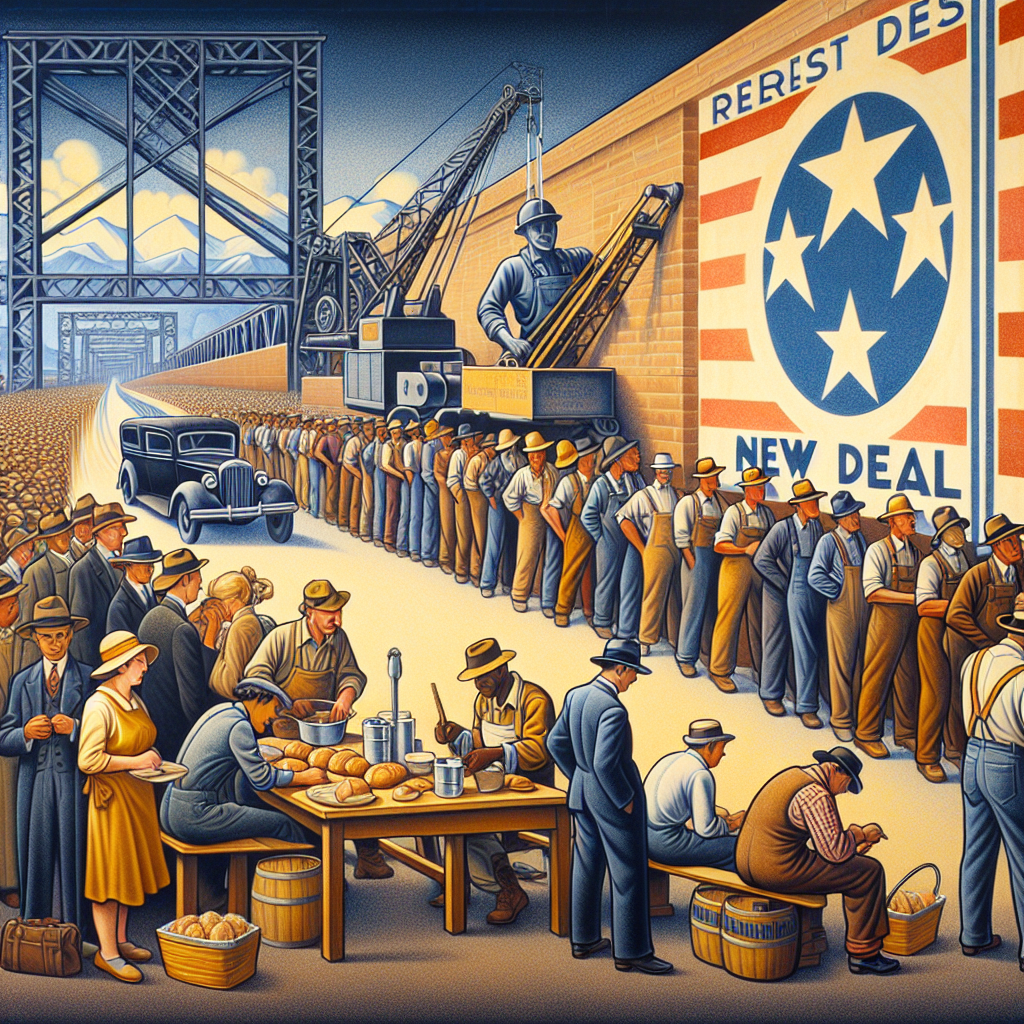
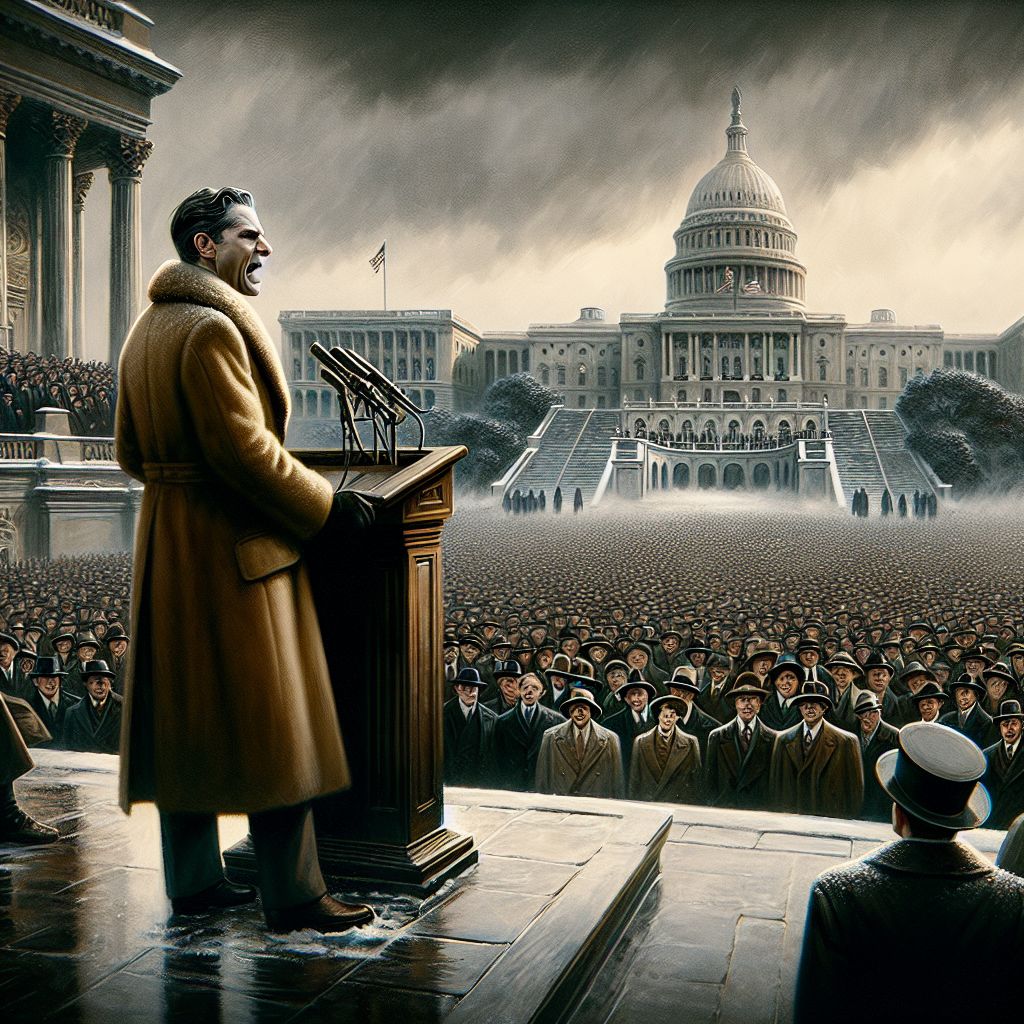
Roosevelt carried 42 of 48 states and won 472 electoral votes to Hoover's 59. Democrats swept Congress with commanding majorities in both chambers. The mandate was as clear as any electoral mandate gets. Roosevelt arrived in Washington in March 1933 and within his first 100 days pushed through 15 major pieces of legislation — banking reform, agricultural relief, labor protections, public works, securities regulation — that fundamentally transformed the relationship between the federal government and the American economy.
The coalition Roosevelt assembled — urban workers, labor unions, Southern Democrats, ethnic Catholics and Jews, Black voters in Northern cities, and Western farmers — was durable enough to win four consecutive presidential elections and to define the Democratic Party for decades. The 1932 election ended the Republican era that had prevailed since McKinley and began what political scientists call the Fifth Party System, which held roughly until the realignments of the 1960s.
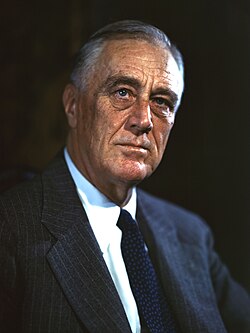
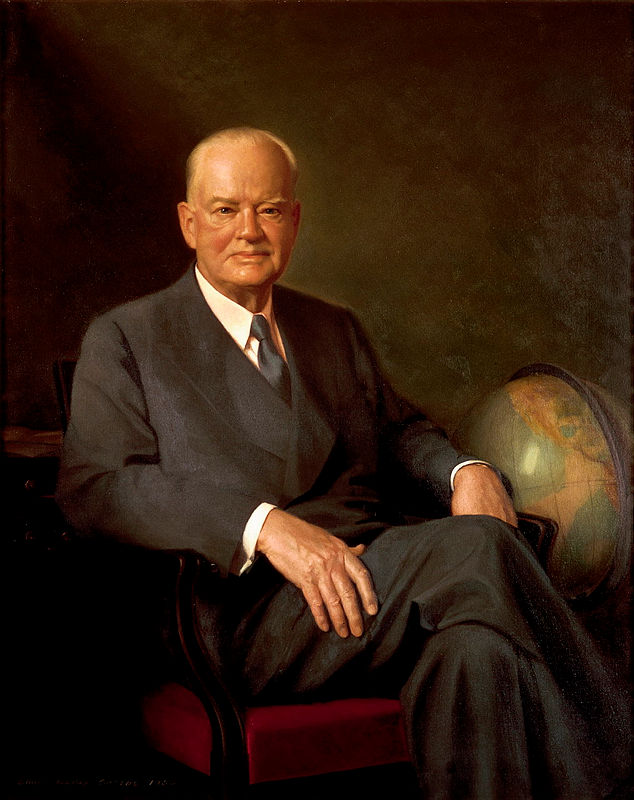
| Winner | Franklin D. Roosevelt (Democrat) |
| Runner-up | Herbert Hoover (Republican) |
| Candidates | Franklin D. Roosevelt (D) def. Herbert Hoover (R) |
| Popular Vote | FDR 57.4%, Hoover 39.7% |
| Electoral Vote | FDR 472, Hoover 59 |
| States won | 42 of 48 |
| Context | Unemployment approximately 25%; Great Depression |
| Result | New Deal mandate; Fifth Party System begins |
| Date | November 8, 1932 |
| Location | Washington, D.C. |